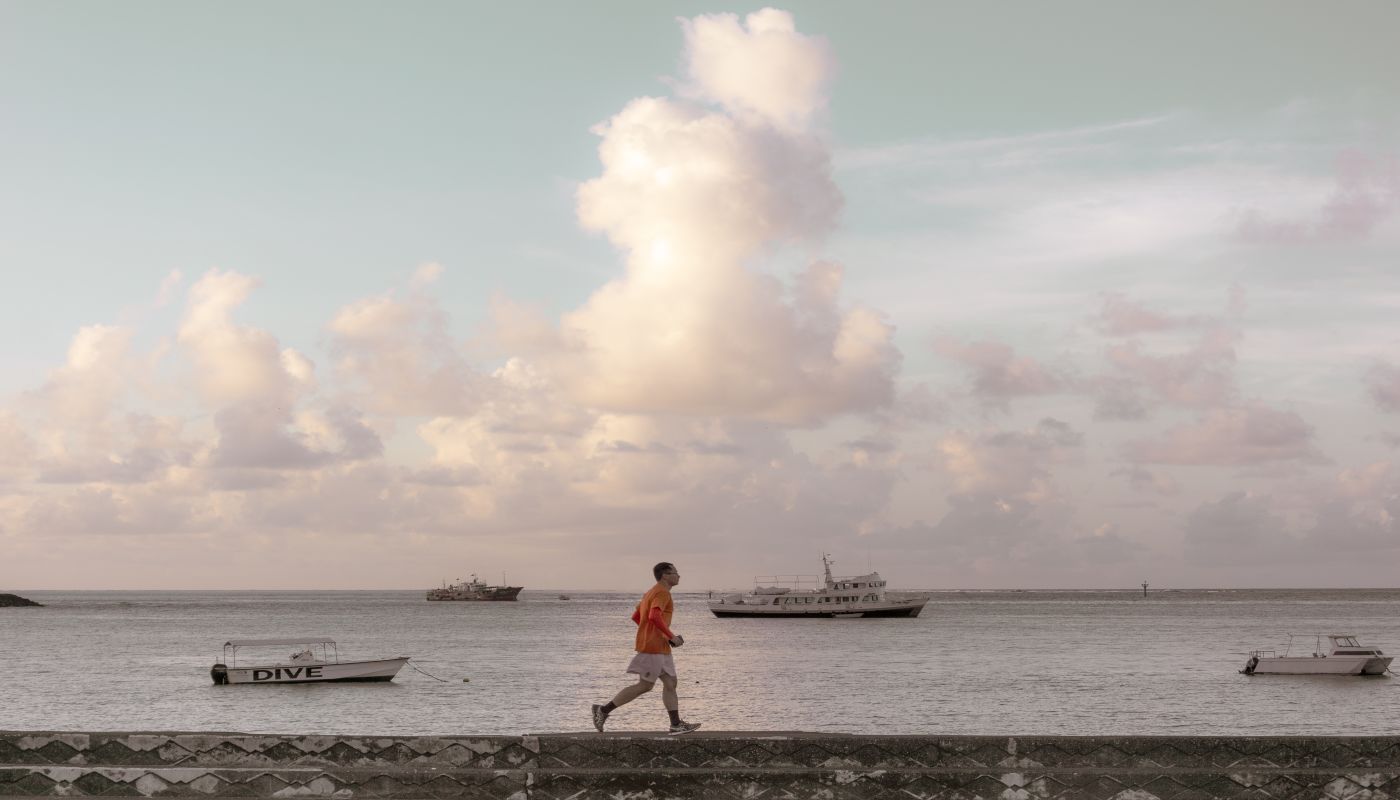
Landscape of American Samoa
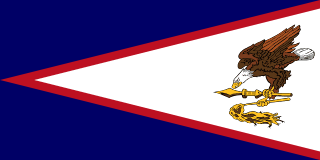
Flag of American Samoa

American Samoa

Australia/Oceania

American Samoa is an unincorporated territory of the United States located in the South Pacific Ocean, known for its stunning natural beauty and unique culture. With a population of around 55,000 people, American Samoa is heavily dependent on government employment and federal aid, but it also has a growing tourism industry. The territory has faced challenges related to economic development and social inequality, but it remains a vibrant and dynamic destination for visitors and residents alike. American Samoa has been working to promote sustainable tourism and economic diversification, while also addressing issues related to healthcare and education.

What would you like to learn about in American Samoa?

Select a section to explore the country where nonprofits are creating positive change.

About American Samoa

American Samoa is an unincorporated territory of the United States located in the South Pacific Ocean, known for its stunning natural beauty and unique culture. With a population of around 55,000 people, American Samoa is heavily dependent on government employment and federal aid, but it also has a growing tourism industry. The territory has faced challenges related to economic development and social inequality, but it remains a vibrant and dynamic destination for visitors and residents alike. American Samoa has been working to promote sustainable tourism and economic diversification, while also addressing issues related to healthcare and education.

Causes in American Samoa

Environment

American Samoa, a U.S. territory in the South Pacific, faces significant environmental challenges that impact its economy and well-being. Rising sea levels and increasingly severe weather events due to climate change threaten the low-lying islands of American Samoa, leading to coastal erosion, flooding, and damage to infrastructure. The territory's dependence on fishing and agriculture makes it particularly vulnerable to environmental changes, such as coral bleaching and loss of biodiversity. Additionally, waste management and pollution pose threats to the marine ecosystem and public health. Efforts to address these issues include conservation initiatives, sustainable resource management, and community resilience programs. Increased awareness and support are crucial in safeguarding American Samoa's environment for future generations.

Family

Family is a cornerstone of American Samoan culture, playing a vital role in shaping the social fabric of the community. In American Samoa, family extends beyond the nuclear unit to include extended relatives and even close family friends. The concept of 'aiga' holds significant importance, emphasizing strong bonds, mutual support, and collective well-being within the family unit. In this close-knit society, family members often rely on each other for emotional, financial, and practical support. The influence of family can be seen in various aspects of life, from decision-making processes to celebrations and ceremonies that reinforce familial ties. Family gatherings are frequent and significant, providing opportunities for strengthening relationships and passing down traditions and cultural values from one generation to the next.

Human Rights

American Samoa, an unincorporated territory of the United States located in the South Pacific Ocean, faces unique challenges regarding human rights. Despite being under U.S. governance, American Samoa is not fully subject to the same constitutional protections as the mainland, leading to disparities in legal rights and access to justice for its residents. Issues such as limited political representation, concerns over land rights, and instances of gender discrimination continue to impact the lives of individuals in American Samoa. Additionally, there have been reported cases of human trafficking and labor exploitation in the territory, highlighting the need for increased awareness and efforts to address these human rights violations. By shedding light on these challenges, we can work towards promoting a more equitable and just society for all individuals in American Samoa.

Education

Education plays a crucial role in the development and well-being of American Samoa, a U.S. territory located in the South Pacific Ocean. With a unique cultural heritage and a diverse population, education in American Samoa faces various challenges, such as limited resources, remote geographical locations, and cultural differences. Despite these challenges, education remains a top priority for the government and the community as a whole. Access to quality education is seen as key to addressing social issues, improving economic opportunities, and preserving the rich cultural traditions of the Samoan people. By investing in education, American Samoa aims to empower its citizens and build a brighter future for generations to come.

Poverty

American Samoa, a territory of the United States located in the South Pacific Ocean, faces significant challenges related to poverty. According to the United Nations Development Programme, poverty rates in American Samoa have been on the rise in recent years, with approximately 65% of the population living below the poverty line. The impact of poverty on American Samoans is multifaceted, affecting access to basic necessities such as healthcare, education, and adequate housing. Limited economic opportunities, high unemployment rates, and geographic isolation contribute to the persistent poverty in the region. Additionally, factors such as natural disasters and climate change further exacerbate the vulnerability of the population. Addressing poverty in American Samoa requires a comprehensive approach that includes targeted social programs, economic development initiatives, and sustainable resource management strategies.

Religion

Religion plays a significant role in the lives of the people of American Samoa, shaping their cultural values, social interactions, and daily practices. The predominant religion in American Samoa is Christianity, with a majority of the population identifying as Protestant or Catholic. Churches hold a central place in the community, serving not only as places of worship but also as hubs for social gatherings and support networks. Religious beliefs influence various aspects of Samoan life, including family structure, education, and governance. The strong influence of religion in American Samoa underscores the importance of understanding its impact on the local population and respecting their beliefs and practices.

Clean Water

American Samoa, a U.S. territory in the South Pacific, faces significant challenges regarding clean water access and quality. With a population of around 55,000 people, the territory relies heavily on its limited freshwater resources for drinking, sanitation, agriculture, and industry. However, pollution from industrial activities, inadequate sanitation systems, and natural disasters such as cyclones pose threats to the availability and safety of clean water in American Samoa. This impact is further exacerbated by the effects of climate change, which lead to rising sea levels and saltwater intrusion into freshwater sources. Ensuring clean water access and quality is crucial for the health and well-being of the population in American Samoa, highlighting the importance of sustainable water management practices and infrastructure development in the region.

Economy

American Samoa, an unincorporated territory of the United States located in the South Pacific Ocean, faces unique economic challenges that significantly impact its population. The economy of American Samoa is heavily dependent on the tuna canning industry, with the two major canneries being the largest private-sector employers in the region. However, changes in international trade policies, fluctuations in global tuna prices, and competition from other countries have put a strain on this industry, leading to job losses and economic instability for the local workforce. As a result, many residents of American Samoa struggle to find employment opportunities that provide sustainable wages and economic security, contributing to increased poverty rates and limited access to essential services such as healthcare and education.

Government

American Samoa, an unincorporated territory of the United States located in the South Pacific Ocean, is heavily influenced by its unique political status and relationship with the U.S. government. The governance of American Samoa is structured under a constitutional democracy, with the U.S. Department of the Interior overseeing federal relations and providing funding support. The local government consists of a Governor, Lieutenant Governor, and a bicameral legislature. As American Samoa is not fully incorporated into the United States, its residents are not granted U.S. citizenship but rather classified as U.S. nationals, which impacts their access to federal programs and benefits. Additionally, decisions made by the U.S. government regarding trade agreements, environmental policies, and immigration directly affect the economy and daily life of American Samoans. It is essential to understand the complexities of this relationship to advocate for the interests and well-being of American Samoa.

Health

American Samoa, a U.S. territory in the South Pacific, faces significant health challenges that impact its population. With high rates of obesity, diabetes, and cardiovascular disease, the people of American Samoa have a lower life expectancy compared to the mainland United States. Factors contributing to these health issues include limited access to healthcare services, a traditional diet high in processed foods and low in fruits and vegetables, as well as a lack of physical activity. The impact of these health issues extends beyond individual well-being, affecting the overall quality of life and placing strain on healthcare resources in the region. By addressing these underlying causes and promoting healthier lifestyles through education and access to nutritious foods, the health outcomes for the people of American Samoa can be improved.

Children

American Samoa, a U.S. territory located in the South Pacific Ocean, faces various challenges that impact its children. One significant issue is the high rate of childhood obesity. According to the American Samoa Department of Health, over 40% of children in American Samoa are considered obese, which is significantly higher than the national average in the United States. This can lead to serious health problems such as diabetes, heart disease, and hypertension at a young age, affecting their quality of life and future prospects. Lack of access to nutritious food options, sedentary lifestyles, and cultural norms that promote larger body sizes are some factors contributing to this alarming trend. Addressing childhood obesity in American Samoa requires a multi-faceted approach involving education, community involvement, and policy changes to promote healthier lifestyles for children and their families.

Animals

American Samoa, a U.S. territory in the South Pacific Ocean, is home to a diverse array of wildlife that plays a crucial role in its ecosystem. The fauna of American Samoa includes native bird species like the tooth-billed pigeon and the Ma'o, or the critically endangered Pacific shearwater. These animals contribute to pollination, seed dispersal, and maintaining the delicate balance of the island's flora and fauna. However, human activities such as habitat destruction, invasive species introduction, and overfishing pose significant threats to these animals and their habitats. Conservation efforts are essential to protect and preserve the unique wildlife of American Samoa for future generations.

Nonprofits Working in American Samoa

Discover organizations making a difference in American Samoa

Make Your Impact Today

Discover causes you care about and support the nonprofits making a difference in communities around the world.

Are you a nonprofit? Join Project World Impact for free

Join Us Free