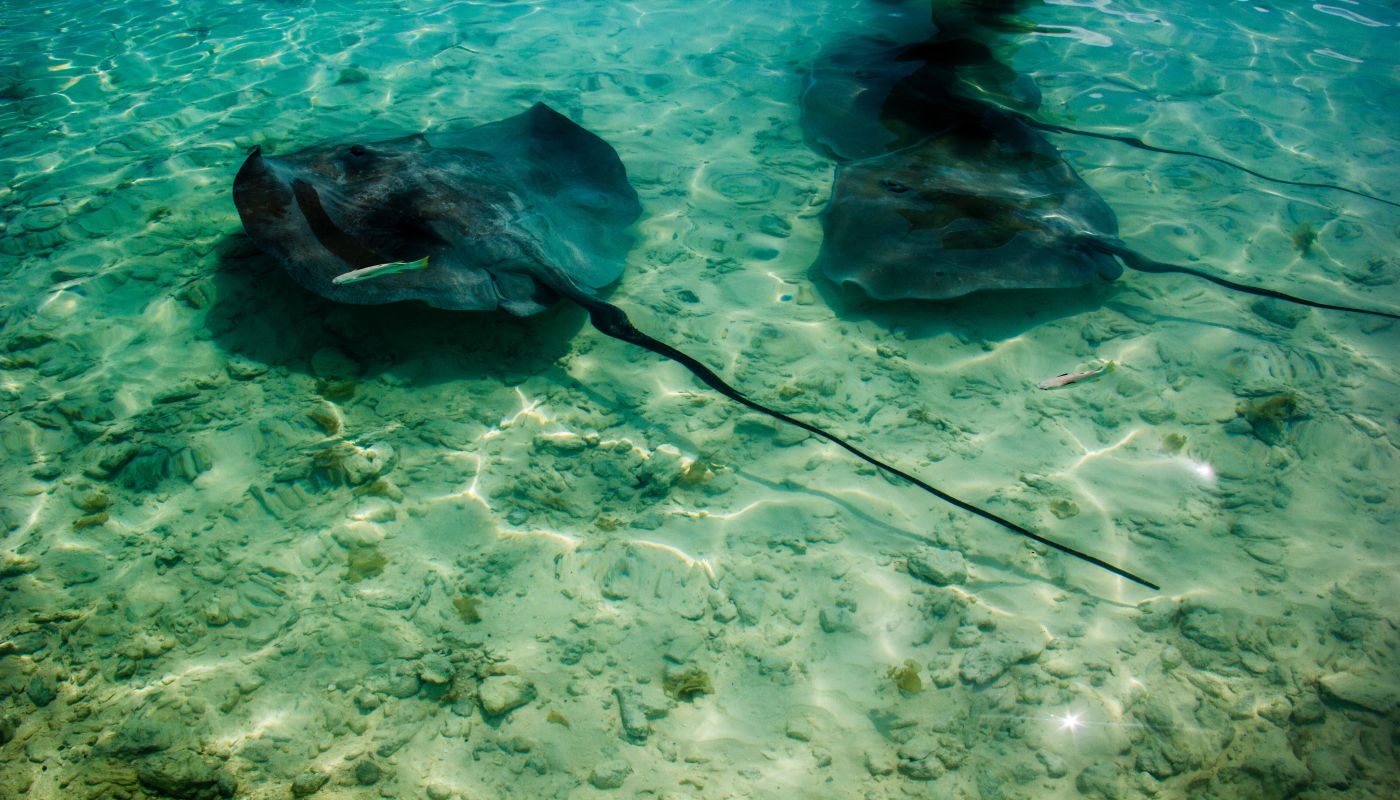
Landscape of French Polynesia
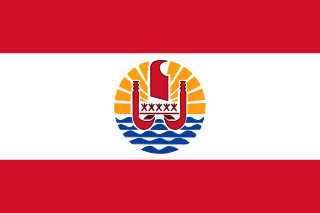
Flag of French Polynesia

French Polynesia

Australia/Oceania

French Polynesia is a group of islands located in the South Pacific Ocean with a population of approximately 280,000 people. The islands are known for their stunning natural beauty, including coral reefs, lagoons, and pristine beaches. French Polynesia is also home to a rich cultural heritage, with traditional arts and crafts such as tapa cloth and tiki carvings. Despite challenges such as climate change and economic development, the government has implemented policies to protect the islands' unique ecosystems and promote sustainable tourism.

What would you like to learn about in French Polynesia?

Select a section to explore the country where nonprofits are creating positive change.

About French Polynesia

French Polynesia is a group of islands located in the South Pacific Ocean with a population of approximately 280,000 people. The islands are known for their stunning natural beauty, including coral reefs, lagoons, and pristine beaches. French Polynesia is also home to a rich cultural heritage, with traditional arts and crafts such as tapa cloth and tiki carvings. Despite challenges such as climate change and economic development, the government has implemented policies to protect the islands' unique ecosystems and promote sustainable tourism.

Causes in French Polynesia

Environment

French Polynesia, an overseas collectivity of France situated in the South Pacific Ocean, is a region rich in natural beauty and biodiversity. The environment plays a crucial role in shaping the lives of the people of French Polynesia. With its stunning coral reefs, lush forests, and crystal-clear waters, the environment not only supports the livelihoods of many through fishing and tourism but also holds immense cultural significance for the indigenous communities. However, like many other island nations, French Polynesia is facing environmental challenges such as climate change, plastic pollution, and overfishing. These threats not only endanger the delicate ecosystems of the region but also pose risks to the well-being of its inhabitants. It is imperative that efforts are made to protect and preserve the environment of French Polynesia for future generations to enjoy.

Family

French Polynesia, a group of islands in the South Pacific Ocean, has a rich cultural heritage deeply intertwined with the concept of family. In this collectivist society, family plays a central role in shaping individuals' identities and providing a strong support system. Extended families often live together or in close proximity, fostering strong bonds and a sense of community. Family gatherings, such as traditional feasts and celebrations, are significant events that strengthen familial ties and reinforce cultural traditions. Moreover, the concept of 'famille' extends beyond biological relatives to include chosen family members and close friends, highlighting the importance of social connections and relationships in French Polynesian society. Family values such as respect for elders, solidarity in times of need, and collective decision-making are deeply ingrained in the fabric of this society, influencing various aspects of daily life. Understanding the pivotal role of family in French Polynesian culture is essential for appreciating the unique dynamics and values that shape this vibrant community.

Human Rights

French Polynesia, an overseas collectivity of France located in the South Pacific Ocean, faces several human rights challenges that impact its population. One significant issue is the protection of indigenous rights, particularly concerning land ownership and cultural preservation. The indigenous Tahitian people have historically experienced marginalization and discrimination, leading to socio-economic disparities and challenges in accessing healthcare and education. Furthermore, there have been concerns raised about environmental degradation and the impact of climate change on the islands, which disproportionately affect vulnerable communities in French Polynesia. Addressing these human rights issues is crucial for the well-being and development of the population, as they strive for a more inclusive and sustainable society.

Education

French Polynesia, an overseas collectivity of France located in the South Pacific, faces unique challenges in its education system. With a population dispersed across 118 islands, providing quality education to all residents is a significant undertaking. Limited access to schools, especially in remote areas, has led to disparities in educational opportunities. Additionally, the preservation of traditional Polynesian knowledge and culture within the curriculum is crucial for maintaining the identity and heritage of the local population. Enhancing educational infrastructure, investing in teacher training, and promoting cultural inclusivity are essential steps towards improving the educational landscape in French Polynesia.

Poverty

French Polynesia, an overseas collectivity of France located in the South Pacific Ocean, is a region known for its stunning landscapes and vibrant culture. However, poverty remains a significant issue that impacts the lives of many residents in this territory. The high cost of living, limited employment opportunities, and geographic isolation contribute to economic challenges faced by individuals and families in French Polynesia. Poverty in this region manifests in inadequate access to healthcare, education, and basic necessities, leading to social inequalities and reduced quality of life for vulnerable populations. Addressing poverty in French Polynesia requires comprehensive strategies that focus on economic development, social welfare programs, and sustainable solutions to improve the well-being of its people.

Religion

Religion plays a significant role in the cultural fabric of French Polynesia. With a rich history rooted in Polynesian traditions, Christianity, particularly Protestantism and Catholicism, has become deeply ingrained in the lives of the people. The arrival of European missionaries in the 19th century led to the widespread adoption of Christianity, shaping societal norms and practices. Today, religious ceremonies and celebrations are integral parts of community life, reflecting the spiritual beliefs and values that guide the people of French Polynesia. However, it is important to note that traditional Polynesian beliefs and practices still hold significance for many residents, contributing to the diverse religious landscape of the region.

Clean Water

French Polynesia, an overseas collectivity of France, is an archipelago located in the South Pacific Ocean. With a population of around 280,000 people spread across its 118 islands, access to clean water is a critical issue for the inhabitants of this region. The lack of freshwater sources on many of the islands, coupled with environmental challenges such as pollution and climate change, has led to water scarcity and quality issues in certain areas. Contaminated water sources can result in waterborne diseases and health problems, affecting the well-being of the local population. Ensuring access to clean water is essential for safeguarding public health, promoting sustainable development, and preserving the fragile ecosystems of French Polynesia.

Economy

French Polynesia is an overseas collectivity of France located in the South Pacific Ocean. This archipelago comprises 118 islands, with Tahiti being the most well-known. The economy of French Polynesia is heavily reliant on tourism, as visitors are drawn to its pristine beaches, crystal-clear waters, and vibrant culture. However, the global economic downturn and natural disasters have significantly impacted the tourism industry in recent years, leading to economic challenges for the local population. The lack of economic diversification further exacerbates these issues, making French Polynesia vulnerable to external shocks. As a result, there is a pressing need for sustainable development strategies that focus on diversifying the economy and reducing reliance on tourism as the primary source of income for the region.

Government

French Polynesia is an overseas collectivity of France located in the South Pacific Ocean. The government of French Polynesia plays a crucial role in shaping the lives of its citizens and the overall development of the territory. The political system in French Polynesia is a parliamentary representative democratic dependency, with the President of France as the head of state. The Territorial Assembly, composed of 57 members elected by popular vote, serves as the legislative body. The government is responsible for managing economic development, healthcare, education, infrastructure, and environmental conservation in French Polynesia. However, challenges such as economic disparities, environmental degradation, and social issues continue to impact the region, highlighting the importance of effective governance and policy implementation.

Health

French Polynesia, a group of islands located in the South Pacific Ocean, faces significant health challenges that impact its population. The region struggles with high rates of non-communicable diseases such as obesity, diabetes, and cardiovascular diseases. These health issues are exacerbated by factors such as limited access to healthcare services, unhealthy diets high in processed foods, and a sedentary lifestyle. Furthermore, French Polynesia experiences outbreaks of mosquito-borne illnesses like dengue fever and Zika virus due to its tropical climate. Addressing these health concerns requires comprehensive public health interventions aimed at promoting healthy lifestyles, improving access to quality healthcare, and enhancing disease prevention efforts within the community.

Children

French Polynesia, a group of islands located in the South Pacific Ocean, is home to a population deeply affected by various social issues, including challenges surrounding children. In French Polynesia, children face numerous obstacles such as poverty, limited access to education and healthcare, and exposure to environmental threats due to climate change. These factors have a significant impact on the well-being and development of children in the region. The lack of adequate resources and support systems further exacerbates these issues, leading to long-term consequences for the younger generation of French Polynesia. It is crucial to address these challenges and work towards providing better opportunities and support for children in this region to ensure a brighter future for them.

Animals

French Polynesia, a group of islands in the South Pacific Ocean, is known for its stunning landscapes and rich marine biodiversity. Animals play a crucial role in the ecosystem of French Polynesia, contributing to its delicate balance. The islands are home to a variety of unique species, both on land and in the water, such as the humpback whales that migrate through its waters, sea turtles that nest on its beaches, and vibrant coral reefs teeming with life. However, these animals face numerous threats including habitat destruction, overfishing, pollution, and climate change. Conservation efforts are essential to protect the diverse wildlife of French Polynesia and preserve its natural beauty for future generations.

Nonprofits Working in French Polynesia

Discover organizations making a difference in French Polynesia

Make Your Impact Today

Discover causes you care about and support the nonprofits making a difference in communities around the world.

Are you a nonprofit? Join Project World Impact for free

Join Us Free