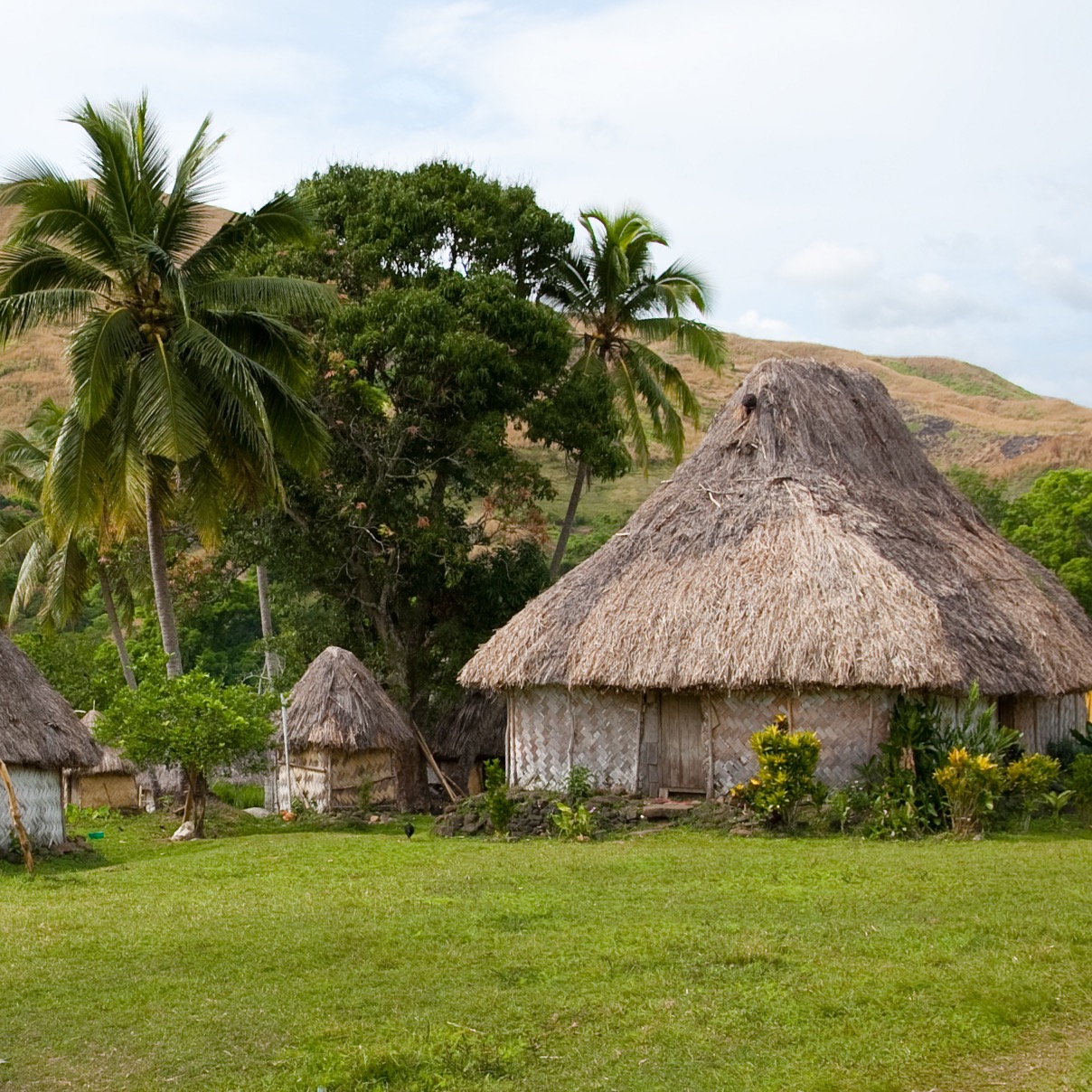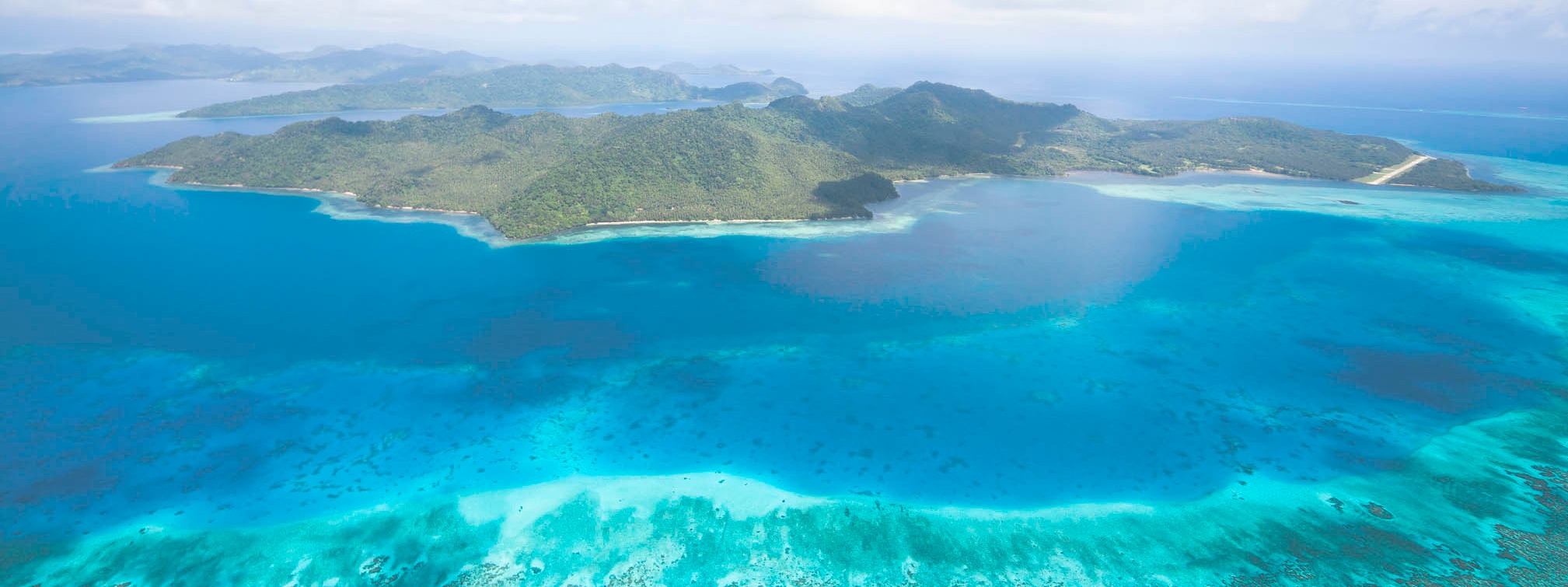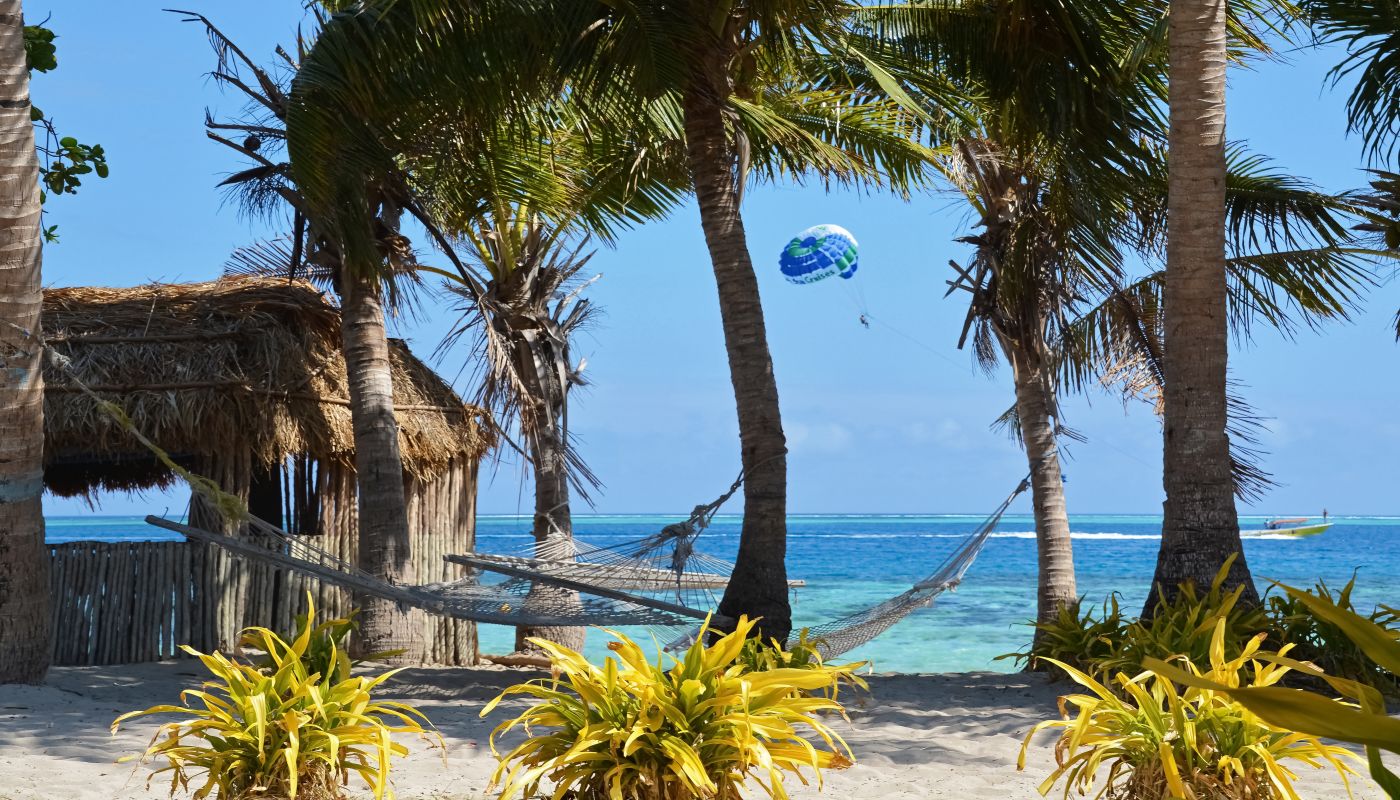
Landscape of Fiji
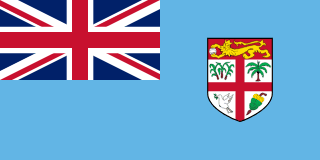
Flag of Fiji

Fiji

Australia/Oceania

With a population of approximately 896,000 people, Fiji is a culturally diverse country that is home to a mix of indigenous Fijians, Indo-Fijians, and other ethnic groups. The country is made up of over 300 islands, with the two largest, Viti Levu and Vanua Levu, accounting for over 87% of the total land area. In 2021, the country announced plans to become carbon neutral by 2050, which has put Fiji at the forefront of the global fight against climate change. Other hot topics in Fiji include the country's vibrant culture and traditions, which are celebrated through festivals, music, and dance, as well as its thriving tourism industry, which attracts visitors from all over the world to experience the country's natural beauty.

What would you like to learn about in Fiji?

Select a section to explore the country where nonprofits are creating positive change.

About Fiji

Fiji became independent in 1970 after nearly a century as a British colony. Democratic rule was interrupted by two military coups in 1987 caused by concern over a government perceived as dominated by the Indian community (descendants of contract laborers brought to the islands by the British in the 19th century). The coups and a 1990 constitution that cemented native Melanesian control of Fiji led to heavy Indian emigration; the population loss resulted in economic difficulties, but ensured that Melanesians became the majority. A new constitution enacted in 1997 was more equitable. Free and peaceful elections in 1999 resulted in a government led by an Indo-Fijian, but a civilian-led coup in May 2000 ushered in a prolonged period of political turmoil. Parliamentary elections held in August 2001 provided Fiji with a democratically elected government led by Prime Minister Laisenia QARASE. Re-elected in May 2006, QARASE was ousted in a December 2006 military coup led by Commodore Voreqe BAINIMARAMA, who initially appointed himself acting president but in January 2007 became interim prime minister. Since taking power BAINIMARAMA has neutralized his opponents, crippled Fiji's democratic institutions, and initially refused to hold elections. In 2012, he promised to hold elections in 2014.

Quick Facts

Population
896,758 (July 2013 est.)
Area
18,274 sq km
ISO Code
FJ
Continent
Australia/Oceania
Government
republic
Active Causes
12
View all countries in Australia/Oceania

Geography & Environment

Climate

tropical marine; only slight seasonal temperature variation

Terrain

mostly mountains of volcanic origin

Natural Resources

timber, fish, gold, copper, offshore oil potential, hydropower

Environmental Issues

deforestation; soil erosion

People & Society

71.87 years
Avg. Life Expectancy
93.7%
Literacy Rate
52% of total population (2010)
Total Urban Population

Languages

English (official), Fijian (official), Hindustani

Religions

Protestant 55.4% (Methodist 34.6%, Assembly of God 5.7%, Seventh-Day Adventist 3.9%, Anglican 0.8%, other 10.4%), Hindu 27.9%, Roman Catholic 9.1%, Mu...

Health Expenditure

4.9% of GDP (2010) of GDP

Education Expenditure

4.1% of GDP (2011) of GDP

Economy

$4,900
GDP per Capita (PPP)
7.6%
Unemployment Rate
31% (2009 est.)
Below Poverty Line

Economic Overview

Fiji, endowed with forest, mineral, and fish resources, is one of the most developed of the Pacific island economies though still with a large subsistence sector. Sugar exports, remittances from Fijians working abroad, and a growing tourist industry - with 400,000 to 500,000 tourists annually - are the major sources of foreign exchange. Fiji's sugar has special access to European Union markets but will be harmed by the EU's decision to cut sugar subsidies. Sugar processing makes up one-third of industrial activity but is not efficient. Fiji's tourism industry was damaged by the December 2006 c...

Causes in Fiji

Environment

Fiji, an archipelago nation located in the South Pacific Ocean, faces significant environmental challenges that deeply impact its people and economy. Rising sea levels due to climate change pose a threat to the low-lying islands of Fiji, leading to coastal erosion and saltwater intrusion into freshwater sources, affecting agriculture and drinking water supply. The country also experiences extreme weather events such as cyclones, which can cause widespread devastation and disrupt livelihoods. Deforestation and land degradation further exacerbate these issues by reducing natural buffers against storms and compromising biodiversity. These environmental factors not only endanger the well-being of Fijians but also hinder sustainable development efforts in the country. It is crucial for Fiji to prioritize environmental conservation and resilience-building measures to safeguard its future generations.

Family

Family plays a vital role in Fijian society, serving as the cornerstone of their culture and social structure. In Fiji, families are typically large and extended, with several generations living together or in close proximity. Family ties are strong, and relationships are valued above all else. The concept of family extends beyond biological connections to include close friends and community members who are often considered as part of the family unit. Family gatherings and celebrations are significant events in Fijian life, fostering a sense of unity and belonging among individuals. The support and guidance provided by family members play a crucial role in shaping the lives of Fijians, providing a strong foundation for personal development and well-being.

Human Rights

Fiji, an island nation in the South Pacific, has grappled with various human rights issues that have impacted its society and governance. The country has faced challenges regarding freedom of expression, media censorship, discrimination against minority groups, and gender inequality. The government has made efforts to address these issues through legislative reforms and awareness campaigns. However, there is still room for improvement to ensure that all Fijians can fully enjoy their human rights and freedoms. By promoting human rights in Fiji, we can contribute to the advancement of a more inclusive and just society for all its citizens.

Education

Education plays a crucial role in the development and progress of Fiji, a small island nation in the South Pacific. With a literacy rate of over 90%, Fiji places significant emphasis on education as a means to empower its citizens and drive economic growth. Access to quality education has a direct impact on reducing poverty, improving healthcare, and fostering social cohesion within the diverse Fijian population. However, challenges such as limited resources, inadequate infrastructure, and disparities in educational opportunities still persist, particularly in rural and remote areas. By investing in education and addressing these challenges, Fiji can further enhance its human capital, promote sustainable development, and build a brighter future for its people.

Poverty

In the island nation of Fiji, poverty remains a significant challenge, affecting a considerable segment of the population. Poverty in Fiji is primarily attributed to a combination of factors, including limited economic opportunities, inadequate access to quality education and healthcare, natural disasters, and a reliance on agriculture as a primary source of income. The impact of poverty in Fiji is multifaceted, leading to issues such as malnutrition, limited access to clean water and sanitation facilities, inadequate housing conditions, and barriers to educational and employment opportunities. Addressing poverty in Fiji requires comprehensive strategies that focus on improving infrastructure, enhancing education and healthcare systems, promoting sustainable economic development, and building resilience to climate change and natural disasters.

Religion

Religion in Fiji holds significant influence over the cultural, social, and political landscape of the island nation. The most prevalent religion in Fiji is Christianity, with the Methodist Church being the largest Christian denomination. Hinduism and Islam also have significant followings, contributing to the diverse religious fabric of the country. Religious practices and beliefs play a central role in shaping Fijian traditions, rituals, and values. Religion serves as a unifying force among different ethnic groups in Fiji, fostering a sense of community and shared identity. However, religious diversity has also led to occasional tensions and conflicts within the society. Understanding the impact of religion in Fiji is essential for appreciating the complexities of its cultural dynamics and promoting interfaith dialogue and harmony.

Clean Water

Clean water is a critical issue for Fiji, an island nation in the South Pacific. With a population of approximately 900,000 people, access to clean water is essential for the health and well-being of the Fijian population. Contaminated water sources can lead to waterborne diseases such as typhoid, cholera, and dysentery, posing a significant threat to public health. Additionally, the lack of clean water hinders agricultural productivity and economic development in Fiji. Due to factors like pollution, inadequate infrastructure, and natural disasters such as cyclones, ensuring access to clean water remains a pressing challenge for the country. Addressing this issue requires sustainable solutions that involve improving water infrastructure, implementing proper sanitation practices, and promoting water conservation efforts across the nation.

Economy

Fiji, a small island nation located in the South Pacific, faces various economic challenges that significantly impact its population. The economy of Fiji heavily relies on agriculture, tourism, and remittances from Fijians living abroad. However, factors such as natural disasters, political instability, and global economic downturns have posed significant threats to the country's economic stability. The lack of diversified industries and overreliance on traditional sectors make Fiji vulnerable to external shocks, leading to fluctuations in employment rates and living standards for its citizens. Furthermore, income inequality and poverty remain persistent issues, with a considerable portion of the population struggling to access basic necessities. Addressing these economic challenges is crucial for sustainable development and improving the quality of life for all Fijians.

Government

Fiji, an island nation in the South Pacific, faces a myriad of challenges that are significantly impacted by its government. The Government of Fiji plays a crucial role in shaping and addressing issues such as climate change, natural disasters, and economic development. With a large population relying on agriculture and fishing for their livelihoods, the government's policies and actions greatly influence food security and sustainable resource management practices. Furthermore, the government's response to climate change is vital, as rising sea levels threaten coastal communities and infrastructure. In recent years, efforts have been made to enhance disaster preparedness and resilience through policy measures and infrastructure development. However, there is still much work to be done to ensure the long-term sustainability and well-being of Fiji's population.

Health

The Republic of Fiji, an island nation in the South Pacific, faces a myriad of health challenges that significantly impact its population. Non-communicable diseases such as diabetes, cardiovascular diseases, and obesity are prevalent in Fiji, with lifestyle factors such as poor diet and lack of physical activity contributing to their high prevalence rates. The country also experiences outbreaks of infectious diseases such as dengue fever and typhoid, exacerbated by factors like inadequate sanitation and limited access to healthcare services in remote areas. Additionally, mental health issues are on the rise in Fiji, with limited resources available for mental health support and treatment. Addressing these health issues is crucial for improving the overall well-being of Fijians and ensuring a healthier future for the nation.

Children

In Fiji, children face various challenges that significantly impact their well-being and development. One of the key issues affecting children in Fiji is poverty, which affects their access to education, healthcare, and adequate nutrition. According to UNICEF, approximately 45% of Fijian children live in poverty, limiting their opportunities for a healthy and prosperous future. Additionally, natural disasters such as cyclones and rising sea levels due to climate change pose serious threats to children's safety and security in Fiji. These environmental hazards have the potential to disrupt their education, health services, and overall quality of life. Furthermore, domestic violence and child abuse are prevalent issues in Fiji, affecting the physical and psychological well-being of many children. Addressing these challenges requires a multi-faceted approach involving government intervention, community support, and international cooperation to ensure a brighter future for Fijian children.

Animals

The diverse ecosystem of Fiji is home to a wide array of animal species, many of which play crucial roles in maintaining the balance of the environment. However, the impact of human activities, such as deforestation, pollution, and climate change, poses significant threats to these animals. Coral reefs, for instance, are vital marine habitats that support a rich diversity of marine life in Fiji's waters. The destruction of coral reefs due to factors like overfishing and coral bleaching endangers species like sea turtles, sharks, and various fish that rely on these habitats for survival. Additionally, deforestation on the islands has led to habitat loss for endemic bird species like the Fiji petrel and banded iguana. Conservation efforts are underway in Fiji to protect these vulnerable animal populations and their habitats, emphasizing the importance of sustainable practices to safeguard the country's biodiversity for future generations.

Nonprofits Working in Fiji

Discover organizations making a difference in Fiji

Make Your Impact Today

Discover causes you care about and support the nonprofits making a difference in communities around the world.

Are you a nonprofit? Join Project World Impact for free

Join Us Free