Landscape of Antarctica
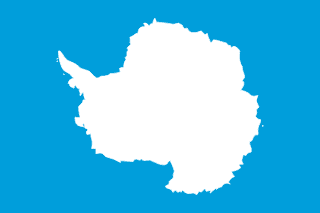
Flag of Antarctica

Antarctica

Australia/Oceania

Antarctica is a continent located at the southernmost part of the world, surrounded by the Southern Ocean. It is the fifth largest continent and the least populated, with no permanent residents except for scientists who work in research stations. Antarctica is known for its extreme climate, with the coldest temperature ever recorded on Earth being -128.6 °F (-89.2°C) at the Soviet Union's Vostok Station. The continent is also home to the South Pole, which is the southernmost point on Earth. Antarctica is covered in ice, with a thickness of up to 4.7 kilometers in some areas, and contains about 70% of the Earth's fresh water. Despite its harsh conditions, Antarctica is home to a variety of wildlife, including penguins, seals, and seabirds. The continent is a unique and important area for scientific research, particularly in the fields of climate change, glaciology, and astrobiology.

What would you like to learn about in Antarctica?

Select a section to explore the country where nonprofits are creating positive change.

About Antarctica

Antarctica is a continent located at the southernmost part of the world, surrounded by the Southern Ocean. It is the fifth largest continent and the least populated, with no permanent residents except for scientists who work in research stations. Antarctica is known for its extreme climate, with the coldest temperature ever recorded on Earth being -128.6 °F (-89.2°C) at the Soviet Union's Vostok Station. The continent is also home to the South Pole, which is the southernmost point on Earth. Antarctica is covered in ice, with a thickness of up to 4.7 kilometers in some areas, and contains about 70% of the Earth's fresh water. Despite its harsh conditions, Antarctica is home to a variety of wildlife, including penguins, seals, and seabirds. The continent is a unique and important area for scientific research, particularly in the fields of climate change, glaciology, and astrobiology.

Causes in Antarctica

Environment

Antarctica, the southernmost continent on Earth, faces a myriad of environmental challenges that significantly impact its delicate ecosystem. Climate change is perhaps the most pressing issue affecting Antarctica, leading to rising temperatures, melting ice shelves, and changing weather patterns. These changes have profound consequences for the region's biodiversity, including endangered species such as penguins and seals. Pollution from human activities, such as plastic waste and oil spills, also poses a threat to Antarctica's pristine environment. As one of the world's last remaining wilderness areas, it is crucial to protect Antarctica and its unique wildlife from these environmental threats to ensure its preservation for future generations.

Economy

Antarctica, a continent governed by the Antarctic Treaty System, is a unique landmass that serves as a crucial hub for scientific research and environmental conservation efforts. Despite being largely uninhabited, Antarctica faces economic challenges due to its remote location and extreme weather conditions. The economy of Antarctica is primarily driven by scientific research conducted by various countries, tourism, and fishing activities. However, the fragile ecosystem of Antarctica is constantly under threat from climate change, overfishing, and pollution. These activities not only impact the delicate balance of the Antarctic environment but also undermine the sustainability of its economy in the long term. It is crucial for stakeholders to prioritize sustainable practices and conservation efforts to ensure the economic viability and environmental integrity of Antarctica for future generations.

Government

Antarctica, a continent dedicated to scientific research and environmental preservation, is governed through a unique system known as the Antarctic Treaty System (ATS). The ATS, established in 1959, includes 54 countries that have signed the treaty to ensure the peaceful and cooperative governance of Antarctica. The treaty prohibits military activities, nuclear testing, and mineral mining on the continent, emphasizing scientific research and environmental protection instead. The government's impact on Antarctica is crucial in safeguarding its delicate ecosystem and wildlife against climate change, pollution, and overexploitation. Through international collaboration and strict regulations, governments play a pivotal role in preserving Antarctica's pristine environment for future generations.

Health

Antarctica, while not a country but a continent, is home to a unique ecosystem that faces numerous challenges, including health-related issues. The extreme cold and isolation of Antarctica pose significant health risks to the researchers and support staff stationed there. Due to the harsh conditions, individuals in Antarctica are susceptible to frostbite, hypothermia, and vitamin D deficiency due to limited sunlight exposure. Moreover, the mental health of individuals in Antarctica is also a concern due to the extended periods of darkness during winter months, leading to conditions such as seasonal affective disorder (SAD). Ensuring adequate healthcare facilities and mental health support for those living and working in Antarctica is crucial to safeguarding their well-being in this challenging environment.

Family

Antarctica, a continent of extreme conditions and breathtaking landscapes, faces unique challenges due to its isolation and harsh environment. Family dynamics in Antarctica are primarily shaped by the close-knit communities living in research stations and the long periods of separation from loved ones. The impact of family relationships on individuals stationed in Antarctica is significant, as they rely on the support and connection with their families to cope with the physical and psychological challenges of living in such remote locations. However, the demands of work in Antarctica can strain family relationships, leading to feelings of isolation and loneliness for both those working in Antarctica and their families back home. It is essential to recognize the importance of maintaining strong family ties and providing adequate support systems for individuals stationed in Antarctica to ensure their well-being and mental health.

Human Rights

Antarctica, as a continent dedicated to scientific research and environmental preservation, does not have a permanent human population. However, the effects of human activities elsewhere in the world have far-reaching consequences for this fragile ecosystem. Issues such as climate change, pollution, and overfishing threaten the delicate balance of Antarctica's unique biodiversity. Human rights play a crucial role in ensuring the protection of Antarctica's environment and wildlife. Recognizing the rights of present and future generations to a healthy environment is essential for safeguarding this pristine wilderness. By upholding human rights principles, we can work towards sustainable practices that will help preserve Antarctica for generations to come.

Education

Antarctica, a continent characterized by its extreme cold temperatures and vast expanses of ice, faces unique challenges due to its remote location and harsh environment. Education plays a crucial role in addressing these challenges by equipping individuals with the knowledge and skills needed to navigate the complexities of living and working in Antarctica. Educational initiatives in Antarctica focus on environmental conservation, scientific research, and sustainable development to ensure the preservation of this fragile ecosystem. By promoting awareness and understanding of the region's unique environment and wildlife, education helps foster a sense of stewardship among residents and visitors alike. Furthermore, education in Antarctica contributes to the advancement of scientific knowledge through research conducted by experts in various fields. As a result, education serves as a catalyst for progress and innovation in Antarctica, driving efforts to protect this pristine wilderness for future generations.

Poverty

Antarctica, as a continent governed by the Antarctic Treaty System, does not have a permanent population and is primarily inhabited by researchers and scientists. Consequently, poverty does not directly impact individuals in Antarctica as it does in traditional countries. However, the effects of poverty globally can indirectly influence Antarctica through its impact on climate change. Poverty often leads to unsustainable practices, such as deforestation and overfishing, which contribute to the deterioration of the environment and exacerbate climate change. As Antarctica is particularly vulnerable to the effects of climate change due to its delicate ecosystem and ice sheets, poverty-induced environmental degradation poses a significant threat to the continent's biodiversity and stability. By addressing poverty and promoting sustainable practices worldwide, we can help safeguard Antarctica's unique environment for future generations.

Religion

Antarctica, as a continent primarily governed by the Antarctic Treaty System, is not inhabited by a native population and is therefore devoid of indigenous religious practices. However, the presence of research stations maintained by various countries introduces diverse religious beliefs among the temporary inhabitants. While these individuals may practice their faiths in private, the overarching theme in Antarctica is one of scientific exploration and environmental conservation rather than religious influence. The remote and harsh environment of Antarctica fosters a deep connection to nature and a sense of awe that transcends specific religious affiliations. It is crucial for individuals in Antarctica to respect each other's beliefs and prioritize unity in the pursuit of scientific discovery and preservation of this pristine environment.

Clean Water

Antarctica, as a continent, faces unique challenges when it comes to clean water. The main source of water in Antarctica is from its ice sheets and glaciers, which hold about 70% of the world's freshwater. However, due to climate change, these ice formations are melting at an alarming rate, leading to potential issues with water scarcity in the future. Additionally, human activities such as research stations and tourism can introduce pollutants into the pristine Antarctic environment, impacting the quality of the limited freshwater available. Ensuring clean water in Antarctica is crucial not only for the continent's delicate ecosystems but also for global sea levels and climate regulation. Strict regulations and sustainable practices are essential to preserve this vital resource for future generations.

Children

Antarctica, although not a country but a continent, faces various environmental challenges that affect the livelihoods of its inhabitants, including children. The impact of climate change on Antarctica is substantial, leading to rising sea levels, melting ice caps, and changing weather patterns. These changes not only threaten the unique wildlife and ecosystems of Antarctica but also have significant implications for its human population, particularly the children living in research stations or with families in the region. Limited access to healthcare, education, and essential resources due to harsh living conditions and remoteness further compound the challenges faced by Antarctic children. To ensure a sustainable future for the youngest residents of Antarctica, urgent global action is required to mitigate climate change and protect this fragile continent and its inhabitants.

Animals

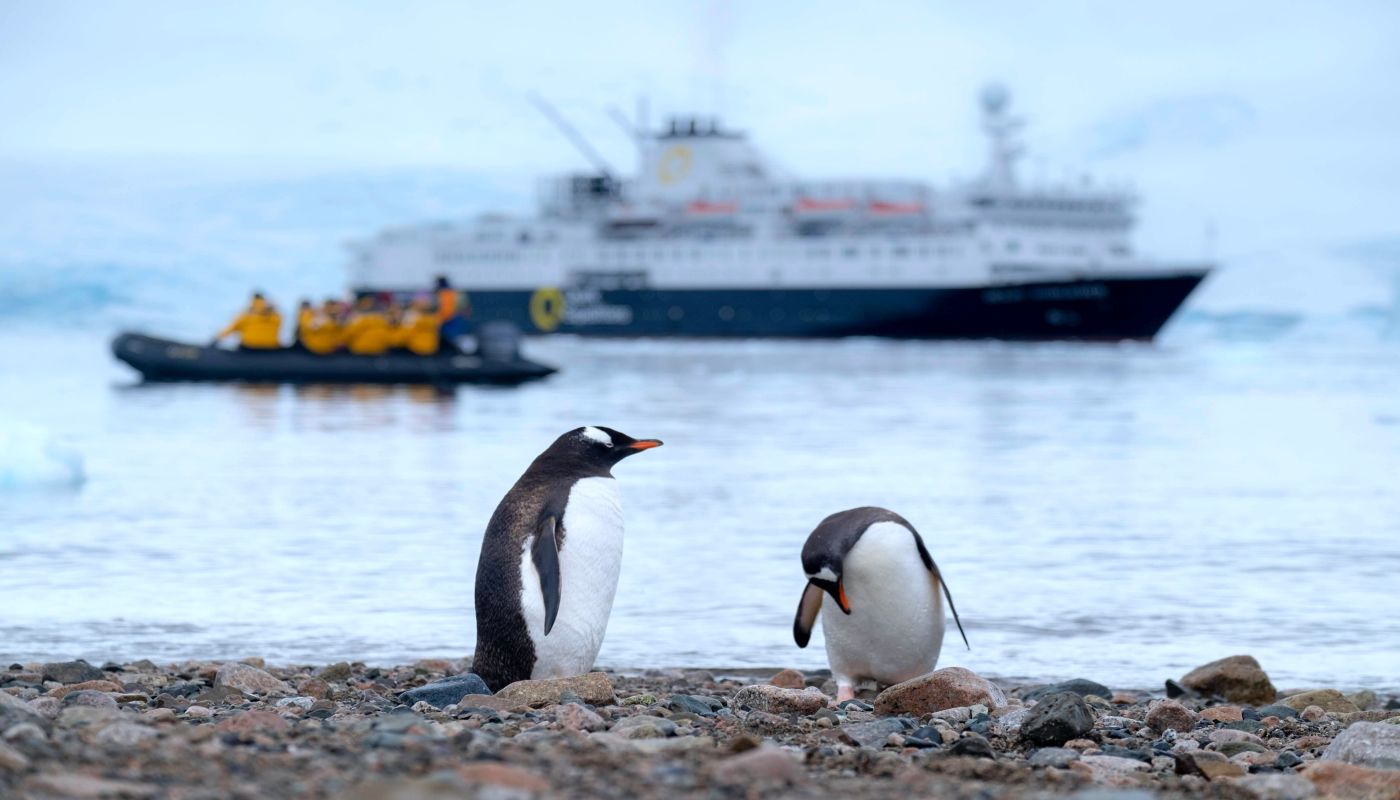
Antarctica, a continent characterized by its extreme cold and unique ecosystem, is home to a diverse array of wildlife. Animals in Antarctica play a crucial role in maintaining the delicate balance of this pristine environment. Penguins, seals, whales, and seabirds are among the most iconic inhabitants of Antarctica, each playing a vital role in the food chain and ecosystem dynamics. Unfortunately, the impact of climate change and human activities, such as pollution and overfishing, poses a significant threat to these animals. Melting ice caps and rising temperatures are affecting the habitats and food sources of these species, leading to population declines and endangering the overall biodiversity of Antarctica. It is imperative that we take action to protect these animals and their habitats to ensure the long-term health and sustainability of this fragile ecosystem.

Make Your Impact Today

Discover causes you care about and support the nonprofits making a difference in communities around the world.

Are you a nonprofit? Join Project World Impact for free

Join Us Free