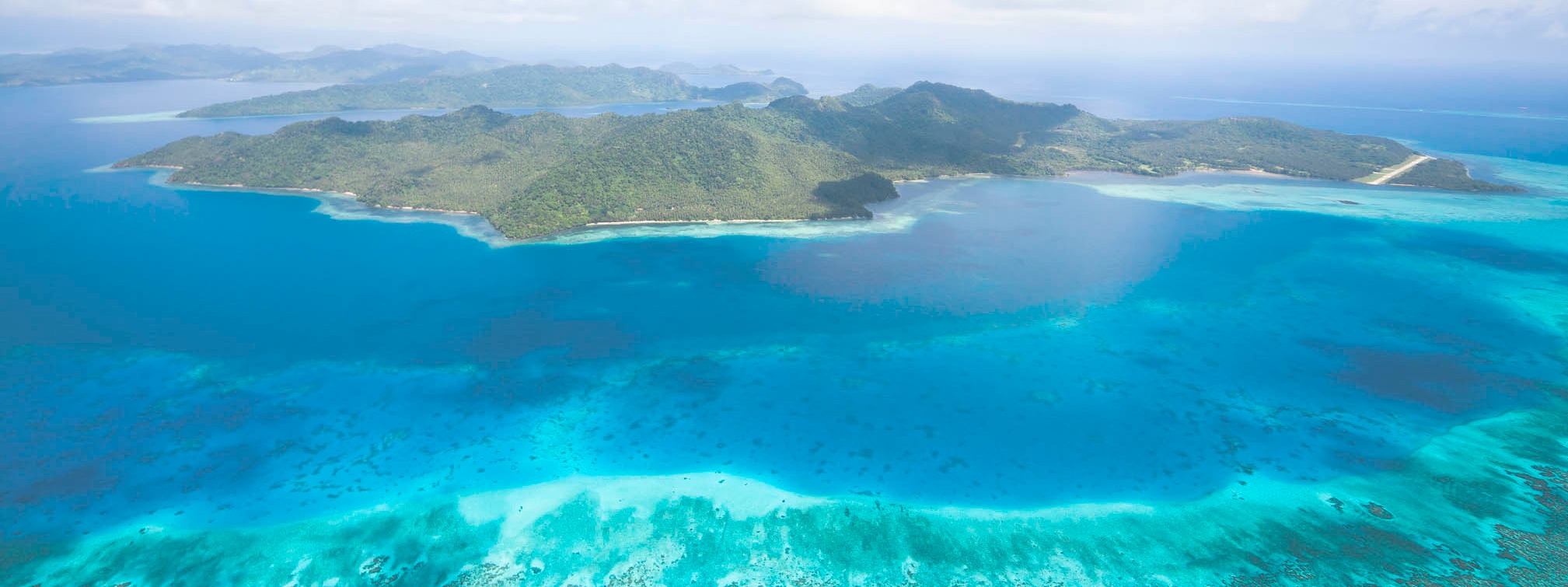
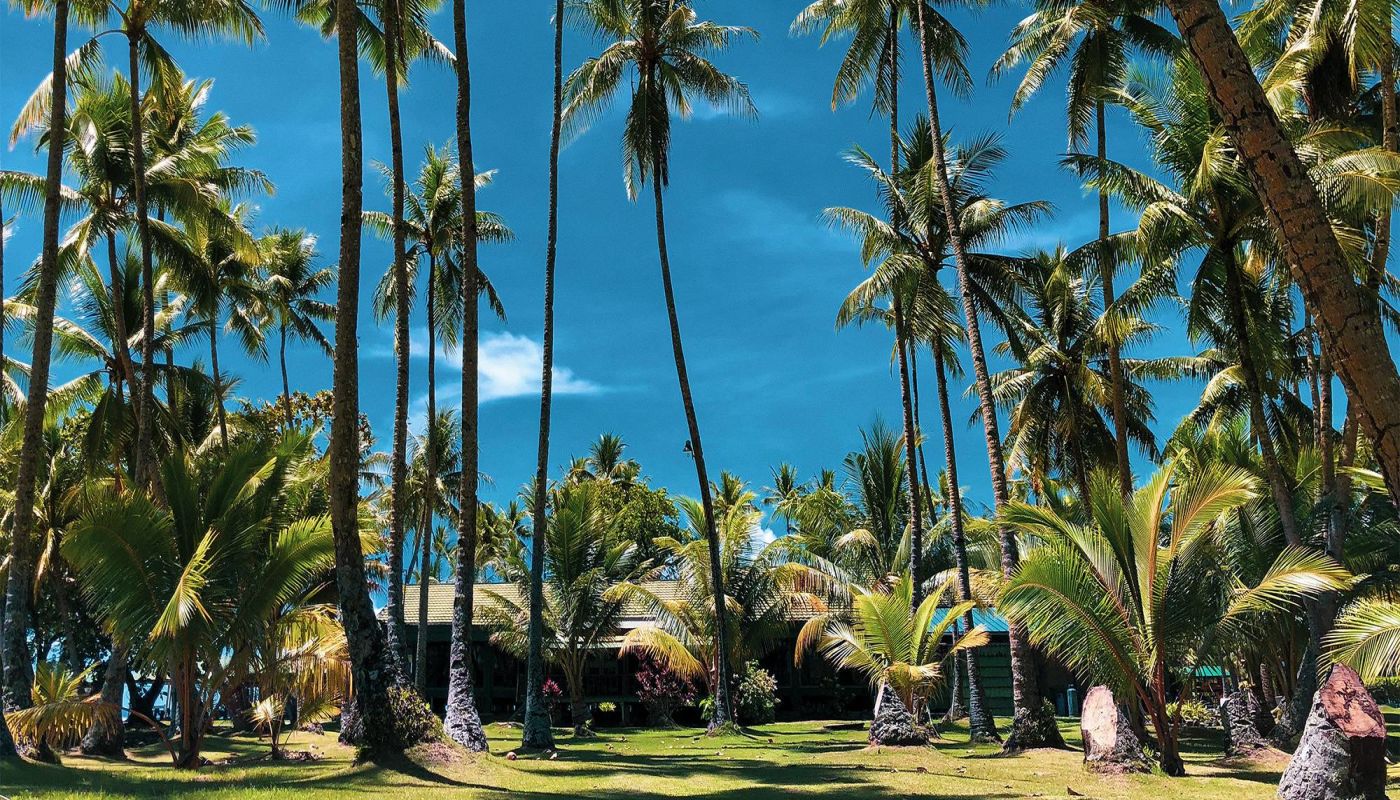
Landscape of Federated States of Micronesia
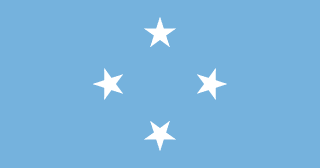
Flag of Federated States of Micronesia

Federated States of Micronesia

Australia/Oceania

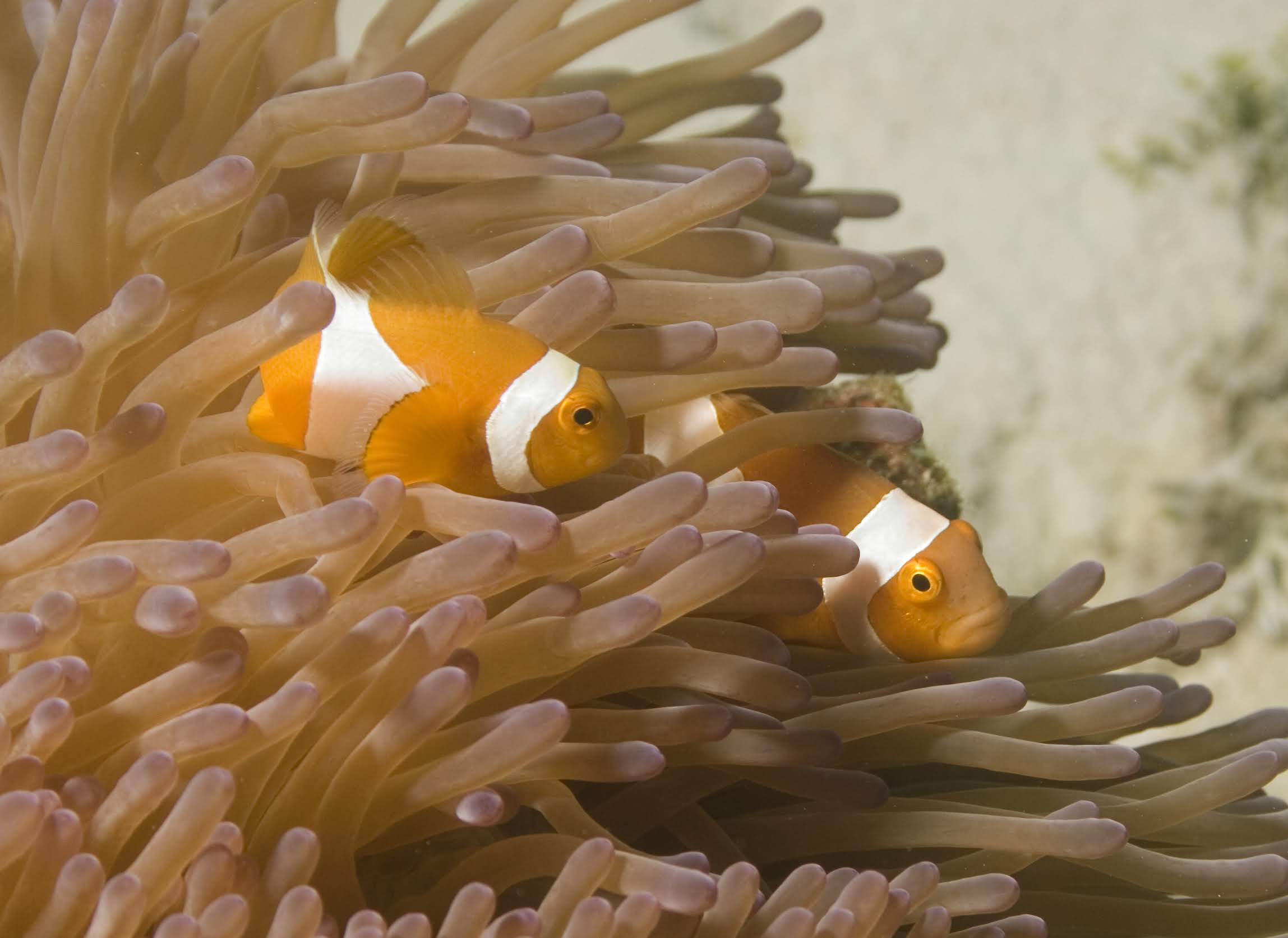
The Federated States of Micronesia is a country in the western Pacific Ocean, with a population of around 100,000 people. The country is home to some of the most diverse marine life in the world, including over 1,300 species of fish! Despite challenges related to climate change and economic development, Micronesia has a vibrant culture and a strong sense of community. Efforts to promote sustainable development and protect the environment are ongoing, with the government working to balance economic growth with environmental conservation.

What would you like to learn about in Federated States of Micronesia?

Select a section to explore the country where nonprofits are creating positive change.

About Federated States of Micronesia

The Federated States of Micronesia, a UN Trust Territory under US administration, adopted a constitution in 1979. Independence came in 1986 under a Compact of Free Association with the US, which was amended and renewed in 2004. Present concerns include large-scale unemployment, overfishing, and overdependence on US aid.

Quick Facts

Population
106,104 (July 2013 est.)
Area
702 sq km
ISO Code
FM
Continent
Australia/Oceania
Government
constitutional government in free association with the US; the Compact of Free Association entered into force on 3 November 1986 and the Amended Compact entered into force in May 2004
Active Causes
12
View all countries in Australia/Oceania

Geography & Environment

Climate

tropical; heavy year-round rainfall, especially in the eastern islands; located on southern edge of the typhoon belt with occasionally severe damage

Terrain

islands vary geologically from high mountainous islands to low, coral atolls; volcanic outcroppings on Pohnpei, Kosrae, and Chuuk

Natural Resources

timber, marine products, deep-seabed minerals, phosphate

Environmental Issues

overfishing, climate change, pollution

People & Society

72.07 years
Avg. Life Expectancy
89%
Literacy Rate
23% of total population (2010)
Total Urban Population

Languages

English (official and common language), Chuukese, Kosrean, Pohnpeian, Yapese, Ulithian, Woleaian, Nukuoro, Kapingamarangi

Religions

Roman Catholic 52.7%, Protestant 41.7% (Congregational 40.1%, Baptist 0.9%, Seventh-Day Adventist 0.7%), other 3.8%, none or unspecified 0.8% (2000 Ce...

Health Expenditure

14.2% of GDP (2010) of GDP

Education Expenditure

NA of GDP

Economy

$7,500
GDP per Capita (PPP)
22%
Unemployment Rate
26.7% (2000)
Below Poverty Line

Economic Overview

Economic activity consists of subsistence farming and fishing and government which is funded largely by Compact of Free Association (Compact) assistance provided by the US. The islands have few known mineral deposits worth commercial exploration. The potential for tourism is also limited by isolation, lack of adequate facilities, and limited air and water connections hinder development. Under the terms of the original Compact, the US provided $1.3 billion in grants and aid in 1986-2001. The US and the Federated States of Micronesia (FSM) negotiated a second (amended) Compact agreement in 2002-...

Causes in Federated States of Micronesia

Environment

The Federated States of Micronesia is a nation located in the western Pacific Ocean, comprising over 600 islands. As a small island developing state, Micronesia is particularly vulnerable to the impacts of climate change and environmental degradation. Rising sea levels, extreme weather events, and ocean acidification pose significant threats to the country's biodiversity, coastal communities, and food security. The reliance on marine resources for sustenance and economic activities makes Micronesians highly susceptible to changes in their environment. Deforestation, pollution, and overfishing further exacerbate these challenges, leading to loss of habitats, declining fish stocks, and diminished resilience to natural disasters. It is imperative for stakeholders at local, regional, and international levels to collaborate in implementing sustainable practices and policies to safeguard the environment and ensure the well-being of the people of Micronesia.

Family

In the Federated States of Micronesia, family plays a central role in the social fabric of the society. The concept of family extends beyond immediate relatives to include extended family members and even close family friends. Families in Micronesia are typically large and tightly knit, with strong bonds of loyalty and support among members. Family relationships are characterized by a deep sense of respect for elders and a strong emphasis on collective decision-making and cooperation. In times of need or celebration, families come together to provide emotional, financial, and practical support. The importance of family is evident in various aspects of life, including education, work, and community involvement. Overall, the cohesive nature of family units in Micronesia contributes significantly to the social stability and well-being of the country.

Human Rights

The Federated States of Micronesia, a nation consisting of four states spread across the western Pacific Ocean, faces several challenges in upholding human rights. Despite being a signatory to international human rights treaties, the country grapples with issues such as gender inequality, limited access to healthcare and education, and concerns about the treatment of minority groups. The lack of comprehensive legal frameworks and enforcement mechanisms further compounds these challenges, making it difficult to protect the rights of all citizens. In order to address these issues and promote a culture of respect for human rights, increased awareness, advocacy, and collaboration both domestically and internationally are crucial.

Education

Education plays a crucial role in the development of the Federated States of Micronesia, a nation comprised of four states spread across the Western Pacific Ocean. With a small population and limited resources, education serves as a cornerstone for empowering individuals and driving societal progress. The country faces challenges such as geographic isolation, limited infrastructure, and vulnerability to climate change, making access to quality education even more vital. Education in Micronesia not only equips individuals with knowledge and skills but also plays a significant role in preserving cultural heritage and traditional practices. By investing in education, the nation can foster economic growth, improve healthcare outcomes, and enhance overall well-being for its citizens.

Poverty

The Federated States of Micronesia, a nation consisting of over 600 islands in the Western Pacific Ocean, faces significant challenges due to poverty. With a population of approximately 100,000 people, poverty remains a prevalent issue in the country, affecting access to basic necessities such as healthcare, education, and sanitation. Limited economic opportunities, geographic isolation, and vulnerability to natural disasters contribute to the persistence of poverty levels in Micronesia. The lack of adequate infrastructure and resources further exacerbates the situation, hindering socio-economic development and perpetuating cycles of poverty within the community. Efforts to address poverty in Micronesia require comprehensive strategies that focus on sustainable development, capacity building, and social safety nets to uplift vulnerable populations and improve quality of life for all citizens.

Religion

The Federated States of Micronesia, a country located in the western Pacific Ocean, consists of four states: Yap, Chuuk, Pohnpei, and Kosrae. Religion plays a significant role in the lives of the Micronesian people, with Christianity being the predominant faith. The influence of religion is evident in various aspects of society, including cultural practices, moral values, and community cohesion. Churches serve as centers for social gatherings and provide support networks for individuals and families. Furthermore, religious beliefs often shape attitudes towards issues such as education, healthcare, and governance. Despite the strong religious influence, Micronesia is known for its religious diversity, with traditional indigenous beliefs and practices still being observed alongside Christianity. Understanding the interplay between religion and daily life in Micronesia is essential for appreciating the country's rich cultural heritage and fostering cross-cultural understanding.

Clean Water

Federated States of Micronesia, a nation comprising four island states in the Western Pacific Ocean, faces significant challenges regarding access to clean water. With a population dispersed across numerous islands, providing clean and safe drinking water is a crucial issue in Micronesia. The lack of proper infrastructure, pollution from industrial activities, and environmental degradation due to climate change pose serious threats to the country's water sources. Contaminated water can lead to various waterborne diseases, affecting the health and well-being of the population, particularly vulnerable groups such as children and the elderly. Addressing water quality issues through sustainable management practices and investment in water treatment facilities is essential to ensure a healthy future for the people of Micronesia.

Economy

The Federated States of Micronesia, comprised of four states spread across the western Pacific Ocean, faces economic challenges due to its small population, limited resources, and geographic isolation. The country's economy heavily relies on subsistence farming, fishing, and financial assistance from the United States through Compact of Free Association agreements. However, the nation struggles with high unemployment rates, inadequate infrastructure, and a lack of diverse industries to drive economic growth. The impact of these economic challenges is felt through limited access to healthcare, education, and basic services for its citizens. Addressing these issues requires sustainable development strategies, investments in infrastructure, and efforts to diversify the economy beyond reliance on external aid.

Government

The Federated States of Micronesia, a country located in the western Pacific Ocean, consists of four states: Yap, Chuuk, Pohnpei, and Kosrae. With a population of approximately 100,000 people, this nation faces various challenges that are significantly influenced by its government. The government of the Federated States of Micronesia plays a crucial role in shaping the country's economic development, social services, and environmental policies. Due to its geographic isolation and limited resources, the government's decisions have a direct impact on areas such as healthcare, education, infrastructure development, and environmental conservation. Additionally, the country's unique political status as a freely associated state with the United States further complicates its governance structure and influences its policies on issues such as security and foreign relations.

Health

The Federated States of Micronesia, comprised of four states spread across the Western Pacific Ocean, faces significant health challenges that impact its population. Non-communicable diseases such as diabetes, cardiovascular diseases, and cancer are prevalent in the country, attributed to factors like changing diets, sedentary lifestyles, and limited access to healthcare services. Additionally, infectious diseases like tuberculosis and dengue fever also pose a threat to public health in the region. The healthcare infrastructure in Micronesia is limited, with a shortage of medical professionals and resources contributing to difficulties in providing adequate healthcare to the population. Addressing these health issues requires a multi-faceted approach involving improved healthcare services, increased public health education, and stronger partnerships with international organizations to bolster the country's healthcare system.

Children

In the Federated States of Micronesia, children face a range of challenges that impact their well-being and development. With limited access to quality education, healthcare, and social services, many children in this small island nation are vulnerable to issues such as poverty, malnutrition, and inadequate shelter. Additionally, environmental threats such as climate change and natural disasters further exacerbate the vulnerabilities faced by children in Micronesia. Addressing these challenges requires a multi-faceted approach that involves improving access to essential services, promoting child rights and protection, and building resilience to environmental risks. By raising awareness about the specific needs of children in Micronesia, we can work towards creating a more supportive environment that enables every child to thrive.

Animals

The Federated States of Micronesia, a nation comprising four states in the western Pacific Ocean, is home to a diverse range of animal species that play a crucial role in the ecosystem and culture of the region. Animals in Micronesia, such as the Micronesian megapode and the Mariana fruit bat, are integral to local food sources, traditional practices, and biodiversity. However, the delicate balance between human activities and wildlife conservation is threatened by factors like habitat destruction, climate change, and unsustainable hunting practices. Conservation efforts are essential to safeguarding the rich biodiversity of Micronesia and ensuring the long-term sustainability of both animal populations and human communities in the region.

Nonprofits Working in Federated States of Micronesia

Discover organizations making a difference in Federated States of Micronesia

OneReef Worldwide Stewardship

OneReef Worldwide Stewardship

OneReef's Vision is to create vibrant reefs and thriving communities. OneReef's Mission is to partner with island communities to combine traditional stewardship and modern resources to protect at least 25% of coral reefs across Micronesia. Less than 5% of the billions of dollars spent annually on the environment is made available directly to locals who manage ecosystems. We work to fill this unmet need - we partner directly with island communities to protect reefs and recover fisheries. Our mission is based on the insight that island communities are more effective environmental stewards when their traditional knowledge and practices are combined with the right scientific, financial, and technical partnerships and resources. It ensures that practical and cost-effective solutions emerge. OneReef's Community Partnership Model is a proven way to accomplish long-term conservation success: - Through equitable agreements, traditional knowledge is combined with the right partnerships and resources, and economic benefits are directly linked to conservation - Agreements include the community's 20-year vision, shared commitments and expected outcomes, a spatial management plan, impact monitoring plan, and more. - This results in innovative, practical and cost-effective solutions to enforce managed fishing zones, measure impact, and build social cohesion around conservation that endures. Why the OneReef Community Partnership model has proven to be effective: 1. The right people in the right places Our island community partners have a strong "eco-identity" and take responsibility for their environment. They want their reefs to thrive in the face of over-fishing and climate change. 2. The right tools and resources Our island community partners need financial, scientific, and technical resources to protect their reefs. OneReef mentors community members: (1) Training, tools, infrastructure to increase agency (2) Support for management plans (3) Science-based impact measures (4) Long-term, leveraged financing 3. The right partnerships We align private and public funds, technology, and science. Working hand-in-hand, OneReef, island communities, elected leaders, funders, and technical and scientific partners combine modern resources with traditional stewardship. Joint problem-solving and meaningful engagement create enduring value.

Santa Cruz, California
Make Your Impact Today

Discover causes you care about and support the nonprofits making a difference in communities around the world.

Are you a nonprofit? Join Project World Impact for free

Join Us Free