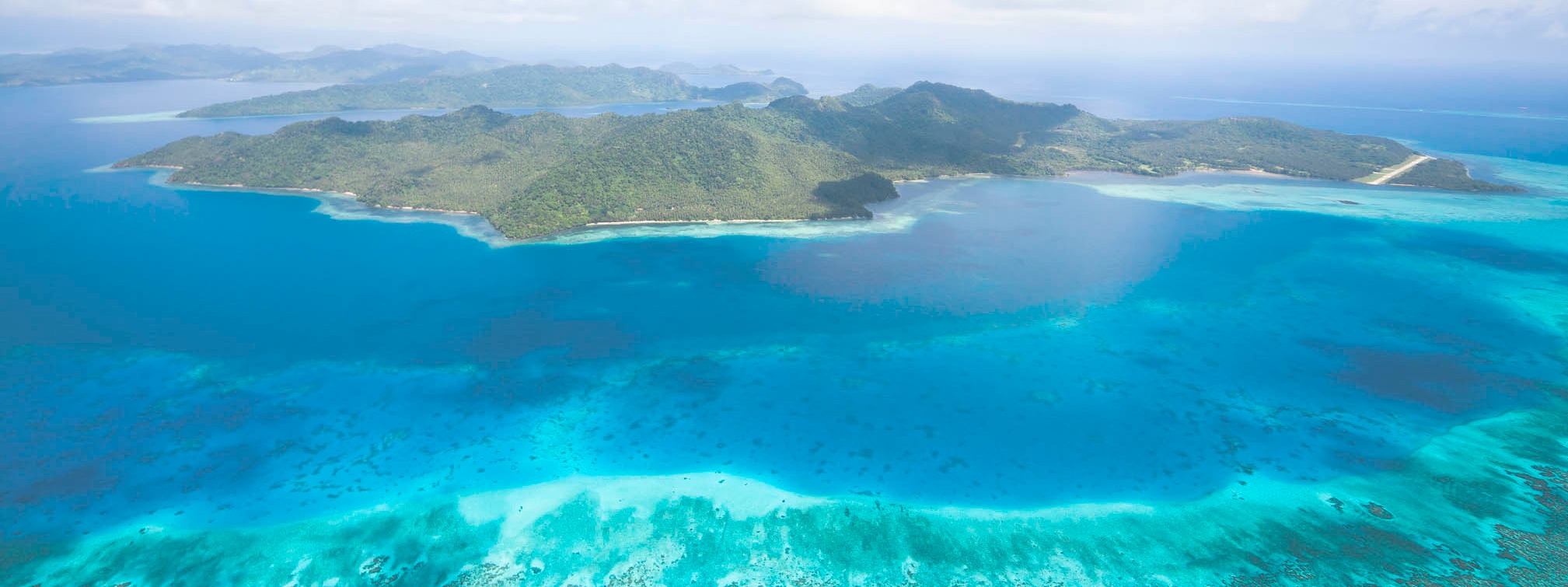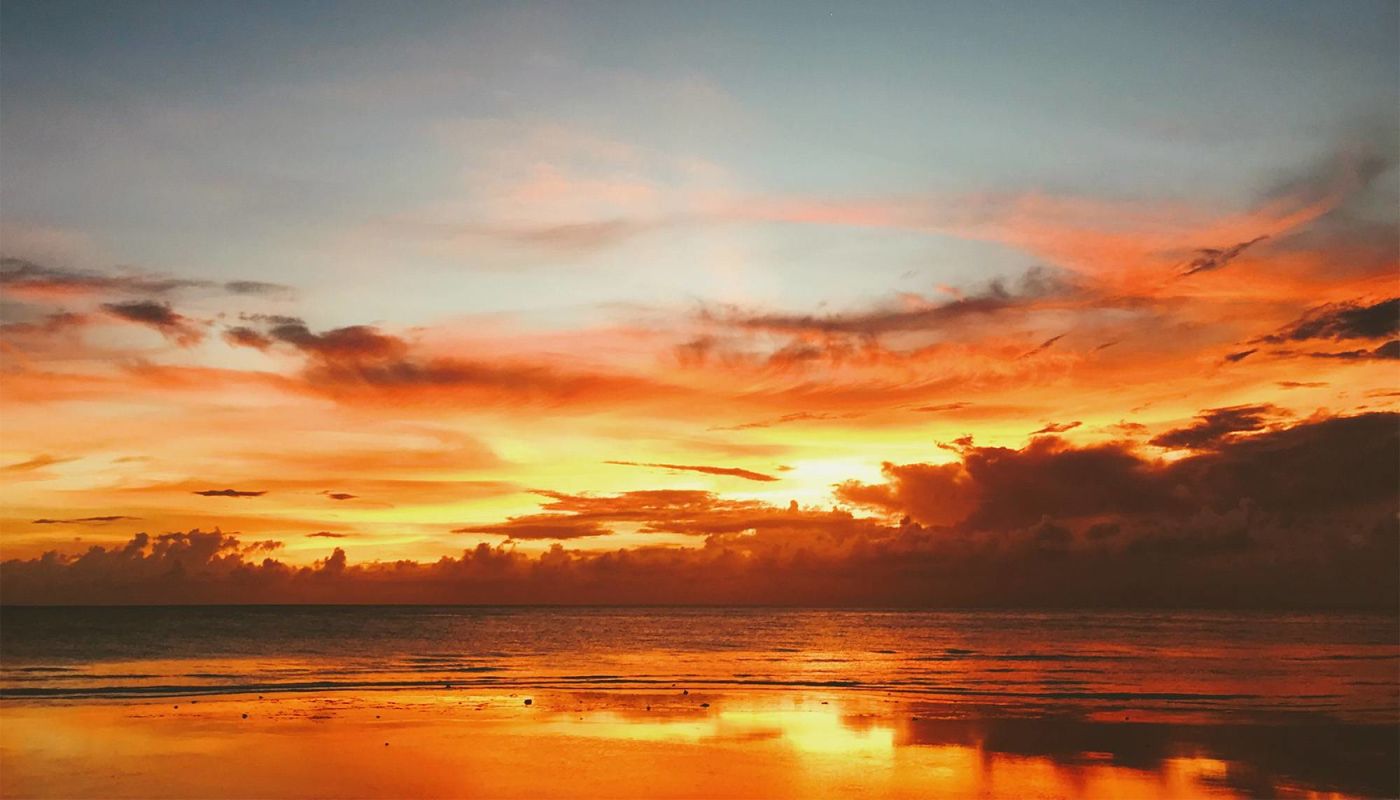
Landscape of Guam
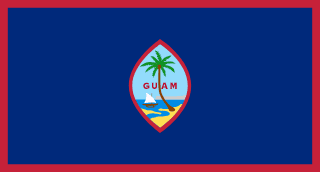
Flag of Guam

Guam

Australia/Oceania

Guam is a US territory located in the western Pacific Ocean, known for its beautiful beaches and rich history. With a population of around 170,000 people, Guam is an important military and economic hub in the region, with a thriving tourism industry and a highly developed infrastructure. The territory has faced challenges related to environmental sustainability and economic diversification, but it remains a vibrant and dynamic destination for visitors and residents alike.

What would you like to learn about in Guam?

Select a section to explore the country where nonprofits are creating positive change.

About Guam

Guam is a US territory located in the western Pacific Ocean, known for its beautiful beaches and rich history. With a population of around 170,000 people, Guam is an important military and economic hub in the region, with a thriving tourism industry and a highly developed infrastructure. The territory has faced challenges related to environmental sustainability and economic diversification, but it remains a vibrant and dynamic destination for visitors and residents alike.

Causes in Guam

Environment

Located in the western Pacific Ocean, Guam, a U.S. territory, faces multiple environmental challenges that significantly impact its inhabitants and ecosystems. The island's fragile ecosystem is threatened by issues such as coral reef degradation, deforestation, invasive species, and plastic pollution. Rising sea levels due to climate change pose a serious threat to Guam's coastal areas, leading to erosion and saltwater intrusion into freshwater sources. These environmental concerns not only endanger the unique biodiversity of Guam but also the livelihoods of its residents who rely on fishing and agriculture. It is crucial for stakeholders to prioritize sustainable practices and conservation efforts to protect Guam's environment for future generations.

Family

In Guam, family plays a central role in shaping the social fabric of the society. The concept of family extends beyond immediate relatives to include extended family members, such as aunts, uncles, and cousins, who often live in close proximity and maintain strong bonds. Family values are deeply rooted in the Chamorro culture, emphasizing respect for elders, communal support, and interdependence among family members. The influence of family is evident in various aspects of life on the island, from decision-making processes to celebrations and rituals that reinforce familial ties. Moreover, the traditional practice of "inaffa' maolek," or making things right with one's family, underscores the importance of reconciliation and harmony within the family unit. Understanding the significance of family dynamics is crucial in comprehending the social structure and values that underpin Guamanian society.

Human Rights

Guam, an unincorporated territory of the United States located in the western Pacific Ocean, faces significant challenges in upholding human rights. Despite being a US territory, Guam's unique political status has implications for its residents' rights. Issues such as indigenous Chamorro land rights, environmental degradation due to military presence, and inadequate healthcare services underscore the importance of human rights protection on the island. The lack of full participation in federal elections, limited access to education and economic opportunities, and disparities in healthcare services also contribute to the human rights concerns in Guam. To address these challenges effectively, it is crucial for stakeholders to recognize and prioritize the protection of human rights for all individuals living on the island.

Education

Guam, a U.S. territory located in the western Pacific Ocean, faces unique challenges in its education system that significantly impact its local population. The island's limited resources and remote location often contribute to disparities in educational opportunities, particularly for marginalized communities. Issues such as inadequate funding, teacher shortages, and limited access to quality educational materials are prevalent in Guam's schools and hinder students' academic success. Furthermore, cultural barriers and historical factors have also played a role in shaping the island's educational landscape. It is crucial to address these systemic challenges and invest in comprehensive reforms to ensure equitable and quality education for all Guamanians.

Poverty

Poverty remains a significant concern in Guam, a US territory located in the western Pacific Ocean. The high cost of living, limited job opportunities, and a relatively low minimum wage contribute to the prevalence of poverty on the island. According to the United States Census Bureau, the poverty rate in Guam was around 18.4% in 2019, higher than the national average for the United States. The impacts of poverty in Guam are far-reaching, affecting access to healthcare, education, and housing for many residents. Additionally, poverty can exacerbate social issues such as crime and substance abuse. Addressing poverty in Guam requires comprehensive strategies that focus on economic development, education, and social welfare programs to uplift disadvantaged communities and improve overall quality of life.

Religion

Religion plays a significant role in the daily lives of the people of Guam, a U.S. territory situated in the Western Pacific Ocean. With a population predominantly Roman Catholic, religion influences various aspects of Guamanian society, including cultural traditions, social norms, and political viewpoints. The Catholic Church has historically held a strong presence on the island, shaping moral values and guiding community practices. Religious festivals and events are integral parts of Guamanian life, fostering a sense of unity and identity among its residents. Moreover, religion often serves as a source of comfort and solace during challenging times, providing spiritual guidance and support to individuals and families. The intersection of religion and culture in Guam underscores the deep-rooted influence that faith holds in shaping the collective consciousness of its people.

Clean Water

Guam, an unincorporated territory of the United States located in the Western Pacific Ocean, faces a significant challenge with access to clean water. The island's water supply is primarily sourced from groundwater, which is vulnerable to contamination from various sources such as agricultural runoff, industrial activities, and waste disposal. Pollution of the island's water sources not only poses a threat to public health but also endangers the delicate ecosystem of Guam's marine life and coral reefs. In recent years, efforts have been made to improve water quality through stricter regulations and increased monitoring programs. However, the issue of clean water remains a pressing concern for the residents of Guam, highlighting the need for continued conservation efforts and sustainable water management practices.

Economy

Guam, an unincorporated territory of the United States located in the western Pacific Ocean, faces a unique economic landscape influenced by its geographical location and political status. The economy of Guam is primarily driven by tourism, with visitors flocking to its pristine beaches and historical sites. However, Guam's economy is vulnerable to external factors such as fluctuations in tourism demand, natural disasters, and global economic conditions. Additionally, the island heavily relies on imports for goods and services, making it susceptible to price volatility and supply chain disruptions. The local government has been working towards diversifying the economy by promoting industries like agriculture, manufacturing, and information technology to reduce its reliance on tourism. Despite these efforts, the economic sustainability of Guam remains a pressing issue that requires continuous attention and strategic planning.

Government

Guam, an unincorporated territory of the United States located in the western Pacific Ocean, is a small island with a rich cultural heritage and a unique political status. The government of Guam plays a crucial role in shaping the lives of its inhabitants, impacting various aspects of their daily lives. The government is responsible for overseeing key sectors such as healthcare, education, infrastructure development, and environmental conservation on the island. However, due to its territorial status, Guam faces challenges in receiving adequate federal funding and resources compared to states within the U.S., affecting the quality of services provided to its residents. Furthermore, political decisions made by the local government can have far-reaching consequences on issues such as economic development, social welfare programs, and environmental sustainability for the island's population.

Health

Health is a critical issue in Guam, a U.S. territory situated in the western Pacific Ocean. The people of Guam face various health challenges, including high rates of chronic diseases such as diabetes, heart disease, and obesity. Limited access to healthcare services, unhealthy lifestyle choices, and socio-economic factors contribute to the health disparities observed on the island. Additionally, environmental issues, such as pollution and climate change, have also been linked to negative health outcomes among Guamanians. It is imperative for policymakers and healthcare professionals to address these issues through targeted interventions that promote healthy behaviors, improve access to quality healthcare services, and create a more conducive environment for optimal health outcomes in Guam.

Children

Guam, an unincorporated territory of the United States located in the western Pacific Ocean, faces various challenges that impact its children. One significant issue affecting children in Guam is poverty, with approximately 27% of children living below the poverty line. This economic hardship often leads to inadequate access to healthcare, education, and other essential services. Additionally, Guam struggles with high rates of child abuse and neglect, which can have long-lasting effects on the physical and mental well-being of the island's youth. These challenges underscore the importance of addressing social and economic disparities to ensure a brighter future for Guam's children.

Animals

The island of Guam, a U.S. territory located in the western Pacific Ocean, is home to a unique ecosystem that faces numerous challenges, particularly in relation to its animal population. One significant impact on animals in Guam is the introduction of non-native species, such as the brown tree snake, which has decimated the native bird population and disrupted the island's delicate ecological balance. Additionally, habitat loss due to urban development and deforestation poses a threat to many native species, pushing them towards endangerment or extinction. Conservation efforts are crucial to safeguard Guam's biodiversity and preserve its natural heritage for future generations.

Nonprofits Working in Guam

Discover organizations making a difference in Guam

Make Your Impact Today

Discover causes you care about and support the nonprofits making a difference in communities around the world.

Are you a nonprofit? Join Project World Impact for free

Join Us Free