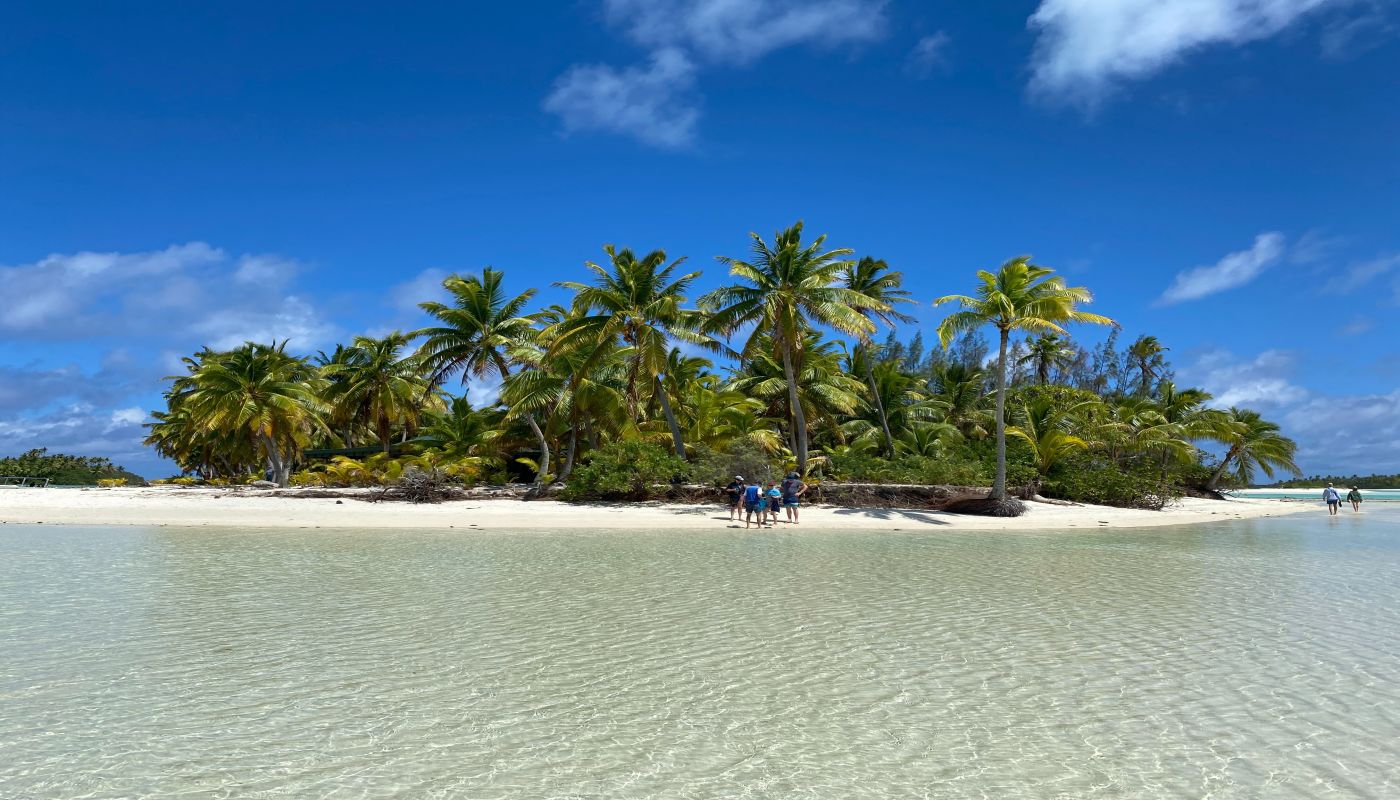
Landscape of Cook Islands
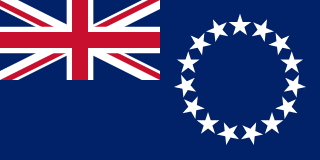
Flag of Cook Islands

Cook Islands

Australia/Oceania

The Cook Islands is a self-governing island nation located in the South Pacific Ocean, northeast of New Zealand. It is comprised of 15 islands, scattered over a vast ocean area. The islands offer a unique blend of Polynesian culture, stunning natural beauty, and a relaxed way of life. With a population of just over 17,000, the Cook Islands is a welcoming community that is proud of its heritage and traditions. The islands are known for their turquoise lagoons, palm-fringed beaches, and rich marine life, making them a popular destination for snorkeling, diving, and other water sports. The Cook Islands also has a vibrant arts and crafts scene, with locally made textiles, jewelry, and carvings that reflect the island's cultural heritage.

What would you like to learn about in Cook Islands?

Select a section to explore the country where nonprofits are creating positive change.

About Cook Islands

The Cook Islands is a self-governing island nation located in the South Pacific Ocean, northeast of New Zealand. It is comprised of 15 islands, scattered over a vast ocean area. The islands offer a unique blend of Polynesian culture, stunning natural beauty, and a relaxed way of life. With a population of just over 17,000, the Cook Islands is a welcoming community that is proud of its heritage and traditions. The islands are known for their turquoise lagoons, palm-fringed beaches, and rich marine life, making them a popular destination for snorkeling, diving, and other water sports. The Cook Islands also has a vibrant arts and crafts scene, with locally made textiles, jewelry, and carvings that reflect the island's cultural heritage.

Causes in Cook Islands

Environment

The Cook Islands, a self-governing territory in the South Pacific, are greatly impacted by their unique environmental conditions. With a population of around 17,500 people spread across 15 islands, the nation faces significant challenges due to its vulnerability to climate change. Rising sea levels threaten the very existence of some low-lying atolls, leading to coastal erosion and saltwater intrusion into freshwater supplies. Additionally, the islands are susceptible to extreme weather events such as tropical cyclones, which can cause widespread damage to infrastructure and disrupt livelihoods. Deforestation, overfishing, and coral reef degradation further exacerbate environmental issues in the Cook Islands, affecting biodiversity and ecosystem health. It is crucial for stakeholders to prioritize sustainable practices and climate resilience measures to safeguard the future of this ecologically fragile nation.

Family

In the Cook Islands, family plays a fundamental role in shaping societal norms and values. The concept of 'extended family' is deeply rooted in Cook Islands culture, where multiple generations often live together or in close proximity, fostering strong familial bonds. Families in the Cook Islands are typically large and interconnected, providing a support system that extends beyond immediate relatives. This emphasis on family ties influences various aspects of life, from decision-making processes to social interactions and community cohesion. In times of celebration or hardship, the significance of family becomes even more pronounced, with collective support and collaboration playing a crucial role in navigating challenges and celebrating achievements within the tight-knit community of the Cook Islands.

Human Rights

The Cook Islands, a self-governing territory in free association with New Zealand, is a small nation in the South Pacific Ocean. While the country enjoys a degree of political autonomy, human rights concerns persist within its borders. One significant issue is the protection of the rights of indigenous Maori people, who make up the majority of the population. The Cook Islands has made progress in recognizing and safeguarding indigenous rights through legislation and policy initiatives. However, challenges remain, particularly in areas such as land rights, cultural preservation, and political representation. Efforts to address these issues are ongoing, with a focus on promoting equality, inclusivity, and respect for all residents of the Cook Islands.

Education

Education plays a crucial role in the development and progress of Cook Islands, a self-governing territory in free association with New Zealand. With a population of approximately 17,500 people spread across 15 islands, education is seen as a fundamental tool for empowering individuals and uplifting communities in this Pacific nation. The education system in Cook Islands follows New Zealand's curriculum, aiming to provide quality education from early childhood through to tertiary levels. However, challenges such as limited resources, geographical isolation, and brain drain present obstacles to educational advancement. Despite these challenges, efforts are being made to enhance educational opportunities and outcomes for Cook Islanders. By investing in education, the country can equip its citizens with the knowledge and skills needed to thrive in a rapidly changing world and secure a sustainable future for generations to come.

Poverty

The Cook Islands, a self-governing territory in free association with New Zealand, is a nation in the South Pacific with a population of around 17,500 people. Despite being a popular tourist destination, poverty remains a prevalent issue in the Cook Islands. The high cost of living, limited job opportunities, and reliance on imported goods contribute to the economic challenges faced by many Cook Islanders. Poverty in this nation manifests in inadequate access to healthcare, education, and housing, impacting the overall well-being of its residents. The effects of poverty are particularly pronounced in rural areas where resources and infrastructure are limited. Addressing poverty in the Cook Islands requires sustainable economic development strategies and targeted social programs to uplift those most affected by financial hardship.

Religion

Religion plays a significant role in the social fabric of the Cook Islands, a nation deeply rooted in Polynesian culture and traditions. The majority of Cook Islanders practice Christianity, with Protestantism being the dominant denomination. Religious beliefs and practices are interwoven into daily life, influencing everything from family dynamics to community events. Churches serve as not only places of worship but also as centers for social gatherings and support networks. The Cook Islands' strong religious foundation provides a sense of identity and unity among its people, shaping their values and guiding their actions. While religion fosters a sense of community cohesion, it can also contribute to social issues such as conservatism and resistance to change. Understanding the intricate relationship between religion and society in the Cook Islands is crucial for promoting cultural awareness and fostering dialogue on issues related to faith and tradition.

Clean Water

The Cook Islands, a small nation in the South Pacific, heavily relies on clean water for its survival and development. With a population of around 17,000 people spread across 15 islands, access to safe drinking water is essential for the health and well-being of its inhabitants. Pollution from inadequate sanitation systems and agricultural runoff poses a significant threat to the pristine water sources of the Cook Islands, leading to waterborne diseases and environmental degradation. The impact of contaminated water on the local communities is profound, affecting not only public health but also the economy and overall quality of life. By addressing issues related to water quality and implementing sustainable water management practices, the Cook Islands can safeguard its natural resources and ensure a healthier future for its people.

Economy

Cook Islands, a self-governing territory in free association with New Zealand, grapples with various challenges, and its economy plays a pivotal role in shaping its future. The island nation heavily relies on tourism as its primary economic driver, accounting for a significant portion of its GDP and employment opportunities. However, the global economic downturn and the current COVID-19 pandemic have severely impacted the tourism industry in Cook Islands, leading to job losses and a decline in revenue. Furthermore, the country faces challenges related to limited natural resources and vulnerability to external shocks due to its remote location. These economic hurdles not only hamper the country's growth but also exacerbate social issues such as poverty and inequality. It is imperative for stakeholders to work towards diversifying the economy and implementing sustainable development strategies to ensure the long-term prosperity of Cook Islands.

Government

The Cook Islands, a self-governing territory in free association with New Zealand, is a small nation located in the South Pacific Ocean. With a population of around 17,500 people spread across 15 islands, the Cook Islands face numerous challenges that are influenced by government decisions and policies. The government plays a crucial role in areas such as healthcare, education, infrastructure development, and environmental conservation in the Cook Islands. Limited resources, vulnerability to natural disasters, and the impact of climate change are pressing issues that require effective governance and strategic planning to mitigate their effects on the country and its people. The government's decisions on budget allocation, policy implementation, and international relations significantly shape the Cook Islands' present and future trajectory.

Health

The Cook Islands, an archipelago in the South Pacific Ocean, is a small nation with a population of around 17,500 people. Health plays a significant role in the lives of the Cook Islands' inhabitants, as the country faces various health challenges such as non-communicable diseases (NCDs), including diabetes, obesity, and cardiovascular diseases. These health issues are primarily attributed to lifestyle factors, including poor diet, physical inactivity, and tobacco use. Limited access to healthcare services and resources also contributes to the health burden in the Cook Islands. Furthermore, the impact of climate change on the environment poses additional health risks to the population through increased incidence of vector-borne diseases and natural disasters. Addressing these health challenges requires comprehensive public health interventions, improved healthcare infrastructure, and strengthened health systems in the Cook Islands.

Children

In the Cook Islands, children play a significant role in shaping the future of the nation. With a population of approximately 17,500 people, children make up a considerable portion of the community. Despite being a popular tourist destination known for its stunning landscapes and vibrant culture, the Cook Islands face various challenges that impact children's well-being. Limited access to quality education, healthcare services, and adequate nutrition are some of the prevalent issues that affect the island nation's youth. Additionally, climate change poses a significant threat to the Cook Islands, leading to natural disasters and environmental degradation that can have long-term consequences on children's lives. It is crucial to address these challenges and prioritize the well-being of children in the Cook Islands to ensure a sustainable and prosperous future for the nation.

Animals

Located in the South Pacific Ocean, the Cook Islands is a nation composed of 15 islands. Animals play a crucial role in the ecosystem and daily lives of the Cook Islanders. The islands' biodiversity is rich, with unique species such as the Kakerori bird and the Coconut Crab. However, these animals face significant threats from habitat loss due to deforestation, invasive species, and climate change. Additionally, unsustainable fishing practices and pollution pose risks to marine life in the surrounding waters. Conservation efforts are underway to protect these animals and their habitats, emphasizing the importance of preserving the Cook Islands' natural heritage for future generations.

Make Your Impact Today

Discover causes you care about and support the nonprofits making a difference in communities around the world.

Are you a nonprofit? Join Project World Impact for free

Join Us Free