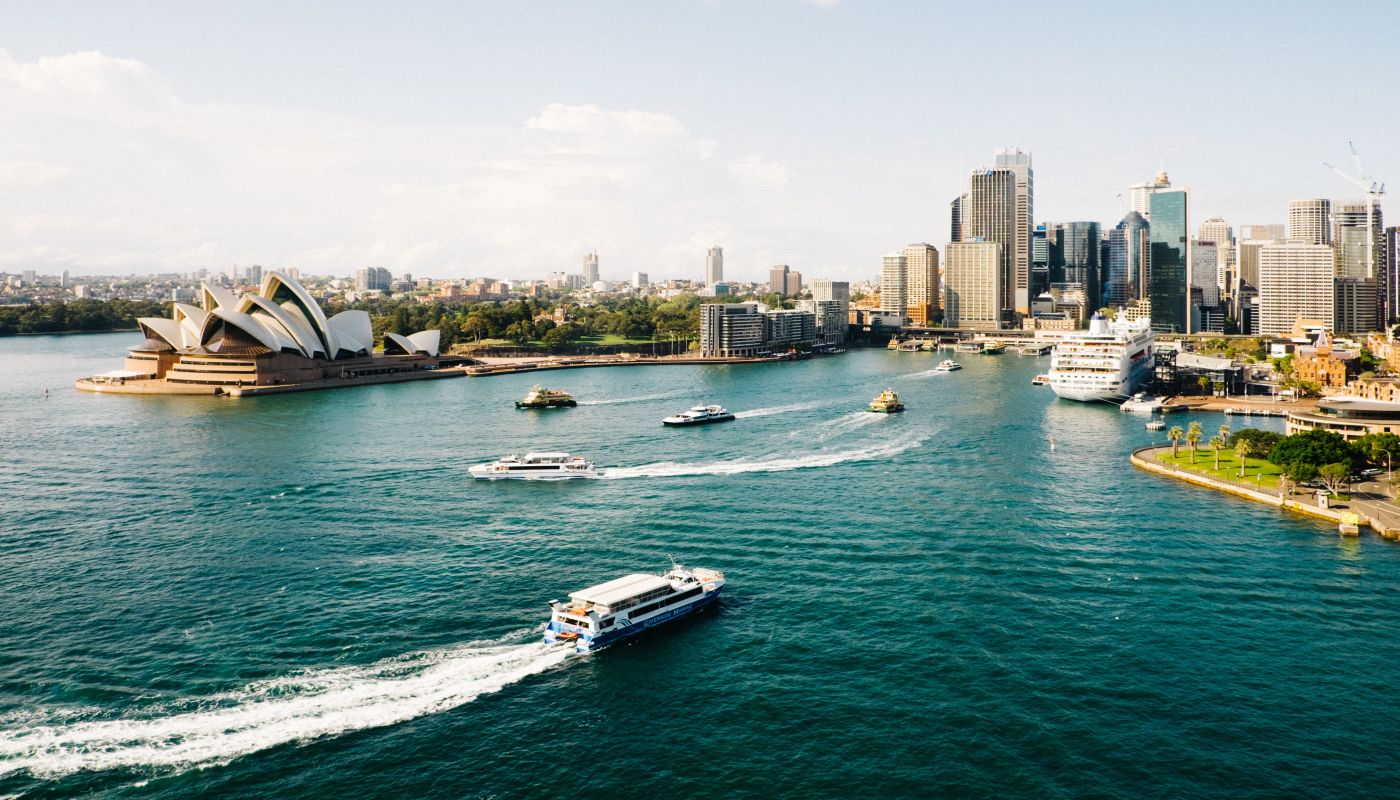
Landscape of Australia
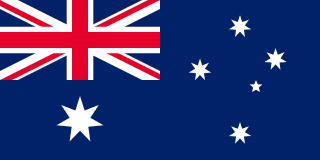
Flag of Australia

Australia

Australia/Oceania

Australia is a vast and diverse country located in the southern hemisphere, with a population of around 25 million people. It is known for its stunning landscapes, including the Great Barrier Reef, Uluru, and the Outback. Australia is also recognized for its cultural achievements, including its contributions to literature, music, and the arts. The country has a strong economy that is based on a mix of natural resources, manufacturing, and service industries. It is also a world leader in fields such as healthcare, education, and technology. Australia is a multicultural society, with a diverse population that includes Indigenous Australians, immigrants from around the world, and a growing number of refugees. The country has a well-established democracy and a strong commitment to human rights and social justice. Australia is a fascinating and dynamic country with a unique culture and a rich history, and it continues to play an important role on the global stage.

What would you like to learn about in Australia?

Select a section to explore the country where nonprofits are creating positive change.

About Australia

Prehistoric settlers arrived on the continent from Southeast Asia at least 40,000 years before the first Europeans began exploration in the 17th century. No formal territorial claims were made until 1770, when Capt. James COOK took possession of the east coast in the name of Great Britain (all of Australia was claimed as British territory in 1829 with the creation of the colony of Western Australia). Six colonies were created in the late 18th and 19th centuries; they federated and became the Commonwealth of Australia in 1901. The new country took advantage of its natural resources to rapidly develop agricultural and manufacturing industries and to make a major contribution to the Allied effort in World Wars I and II. In recent decades, Australia has become an internationally competitive, advanced market economy due in large part to economic reforms adopted in the 1980s and its location in one of the fastest growing regions of the world economy. Long-term concerns include aging of the population, pressure on infrastructure, and environmental issues such as floods, droughts, and bushfires. Australia is the driest inhabited continent on earth, making it particularly vulnerable to the challenges of climate change. Australia is home to 10 per cent of the world's biodiversity, and a great number of its flora and fauna exist nowhere else in the world. In January 2013, Australia assumed a nonpermanent seat on the UN Security Council for the 2013-14 term.

Quick Facts

Population
22,262,501 (July 2013 est.)
Area
7,741,220 sq km
ISO Code
AU
Continent
Australia/Oceania
Government
federal parliamentary democracy and a Commonwealth realm
Active Causes
12
View all countries in Australia/Oceania

Geography & Environment

Climate

generally arid to semiarid; temperate in south and east; tropical in north

Terrain

mostly low plateau with deserts; fertile plain in southeast

Natural Resources

bauxite, coal, iron ore, copper, tin, gold, silver, uranium, nickel, tungsten, rare earth elements, mineral sands, lead, zinc, diamonds, natural gas, petroleum

Environmental Issues

soil erosion from overgrazing, industrial development, urbanization, and poor farming practices; soil salinity rising due to the use of poor quality water; desertification; clearing for agricultural p...

People & Society

81.98 years
Avg. Life Expectancy
99%
Literacy Rate
89% of total population (2010)
Total Urban Population

Languages

English 78.5%, Chinese 2.5%, Italian 1.6%, Greek 1.3%, Arabic 1.2%, Vietnamese 1%, other 8.2%, unspecified 5.7% (2006 Census)

Religions

Protestant 27.4% (Anglican 18.7%, Uniting Church 5.7%, Presbyterian and Reformed 3%), Catholic 25.8%, Eastern Orthodox 2.7%, other Christian 7.9%, Bud...

Health Expenditure

8.7% of GDP (2010) of GDP

Education Expenditure

5.1% of GDP (2009) of GDP

Economy

$43,300
GDP per Capita (PPP)
5.2%
Unemployment Rate
NA%
Below Poverty Line

Economic Overview

The Australian economy has experienced continuous growth and features low unemployment, contained inflation, very low public debt, and a strong and stable financial system. By 2012, Australia had experienced more than 20 years of continued economic growth, averaging 3.5% a year. Demand for resources and energy from Asia and especially China has grown rapidly, creating a channel for resources investments and growth in commodity exports. The high Australian dollar has hurt the manufacturing sector, while the services sector is the largest part of the Australian economy, accounting for about 70%...

Causes in Australia

Environment

Australia, known for its diverse landscapes and unique wildlife, faces significant challenges due to environmental issues. The impact of climate change is evident in the country, with increasing temperatures, prolonged droughts, and more frequent extreme weather events such as bushfires. These environmental changes have far-reaching consequences on Australia's ecosystems, agriculture, and communities. The loss of biodiversity, degradation of natural habitats, and strain on water resources are pressing concerns that require urgent attention. Addressing these environmental challenges is crucial to safeguarding Australia's natural heritage and ensuring a sustainable future for its people.

Family

Family plays a significant role in the social fabric of Australia, shaping individual identities and influencing social dynamics. The traditional family unit in Australia typically consists of parents and their children, with extended family members often playing a supportive role. Families in Australia provide emotional support, care for children and the elderly, and contribute to the overall well-being of individuals. However, challenges such as family breakdowns, domestic violence, and intergenerational trauma can impact families in Australia and have far-reaching consequences for society as a whole. It is essential to raise awareness about the importance of strong, healthy family relationships to promote social cohesion and well-being in Australian communities.

Human Rights

Australia, a nation known for its diverse culture and landscapes, faces a range of human rights issues that impact its society. Indigenous Australians, who make up around 3% of the population, continue to experience systemic discrimination and social disadvantages in areas such as health, education, and employment. The country's treatment of refugees and asylum seekers has also been a subject of international concern, with policies like offshore detention facing criticism for their impact on the human rights of vulnerable individuals. Additionally, gender inequality persists in Australia, with pay gaps and underrepresentation of women in leadership roles remaining prevalent issues. These human rights challenges highlight the ongoing need for advocacy and action to ensure that all individuals in Australia are able to enjoy their fundamental rights and freedoms.

Education

Education in Australia is a critical factor that significantly influences various aspects of the country. With a well-established education system, Australia has made significant strides in fostering economic growth, social cohesion, and overall development. Access to quality education not only enhances the skills and knowledge of individuals but also contributes to innovation, research, and technological advancements. Furthermore, education plays a pivotal role in shaping the future workforce and ensuring Australia's competitiveness in the global economy. Investing in education is crucial for addressing societal challenges, promoting inclusivity, and fostering a prosperous and sustainable future for all Australians. Source: Australian Government Department of Education, Skills and Employment. (2021). Education in Australia. Retrieved from https://www.dese.gov.au/education-australia

Poverty

Australia, a developed nation with a strong economy, is not immune to the issue of poverty. Despite its overall prosperity, poverty remains a significant challenge in the country, affecting a notable portion of its population. Poverty in Australia is primarily driven by factors such as unemployment, low wages, lack of affordable housing, and limited access to quality education and healthcare. The impact of poverty is far-reaching, leading to social exclusion, poor health outcomes, limited opportunities for advancement, and a cycle of generational disadvantage. Addressing poverty in Australia requires comprehensive strategies that focus on improving employment opportunities, increasing access to affordable housing, and enhancing social support systems to uplift those in need.

Religion

Religion plays a significant role in the social fabric of Australia, a country known for its cultural diversity and religious freedom. The Australian Bureau of Statistics reports that Christianity is the most widely practiced religion, with Catholicism being the largest Christian denomination in the country. However, Australia is also home to a rapidly growing population of individuals identifying with non-Christian faiths, including Islam, Buddhism, Hinduism, and Sikhism. This religious diversity has enriched Australian society, contributing to a tapestry of beliefs and practices that shape its national identity. Despite the overall decline in religious affiliation in recent years, religion continues to influence various aspects of Australian life, from politics and education to social welfare and interfaith dialogue. It is crucial for Australians to promote respect and understanding among different religious communities to foster a cohesive and harmonious society.

Clean Water

Clean water is a critical resource for Australia, a country known for its vast and diverse landscapes. Access to clean water is essential for sustaining life, supporting ecosystems, and driving economic development. In Australia, clean water plays a crucial role in agriculture, industry, and tourism. The availability of clean water directly impacts food production, energy generation, and public health. However, Australia faces ongoing challenges related to water scarcity, pollution, and climate change, which can threaten the quality and availability of clean water. It is important for individuals, organizations, and policymakers to work together to protect and conserve this precious resource for current and future generations.

Economy

Australia, as a developed country with a robust economy, is significantly impacted by various economic factors. The nation's economy heavily relies on industries such as mining, agriculture, tourism, and services. The fluctuations in global commodity prices directly influence the country's export earnings, particularly in the mining sector. Additionally, Australia's economic growth is influenced by domestic factors such as government policies, consumer spending, and business investments. Any disruptions in these sectors can have a ripple effect on the overall economy, leading to job losses, reduced income levels, and economic instability. Therefore, maintaining a stable and diversified economy is crucial for Australia's long-term prosperity and sustainability.

Government

Australia, a country known for its vast landscapes and diverse wildlife, is heavily influenced by its government across various aspects of society. The Australian government plays a significant role in shaping policies related to healthcare, education, infrastructure, and environmental conservation. With a federal parliamentary system, the government consists of the Parliament of Australia, the Australian Government, and various state and territory governments. The decisions made by these governing bodies impact the lives of Australians by determining funding allocations, regulations, and public services. Additionally, the government's policies on issues such as climate change, indigenous rights, and immigration have far-reaching consequences on the country's future trajectory. By understanding the pivotal role of the government in Australia, individuals can actively engage in civic participation and advocate for policies that align with their values.

Health

Australia, a country known for its vast landscapes and diverse wildlife, faces various health challenges that significantly impact its population. One of the major health concerns in Australia is the rising prevalence of chronic diseases such as cardiovascular diseases, diabetes, and cancer. These conditions not only affect individual health but also place a considerable burden on the healthcare system and the economy as a whole. Additionally, mental health issues like anxiety and depression are also on the rise, impacting the well-being of many Australians. Factors such as lifestyle choices, socioeconomic status, and access to healthcare services play a crucial role in determining the health outcomes of the population. It is imperative for individuals, communities, and policymakers to work together to address these health challenges effectively and promote a healthier future for all Australians.

Children

In Australia, children face a myriad of challenges that impact their well-being and development. Factors such as poverty, family breakdown, abuse, and neglect can have profound effects on the physical, emotional, and cognitive development of children in the country. According to the Australian Institute of Health and Welfare, approximately 22,000 children are in out-of-home care due to child protection concerns. Moreover, the Australian Research Alliance for Children and Youth highlights that indigenous children are disproportionately represented in child protection and juvenile justice systems. These issues underscore the importance of addressing the root causes of child vulnerability in Australia and implementing policies and interventions to safeguard the rights and welfare of children.

Animals

Australia is home to a diverse range of wildlife, with many unique species found nowhere else on Earth. Animals play a crucial role in the ecosystem of Australia, contributing to its biodiversity and overall environmental health. However, various factors such as habitat destruction, climate change, and invasive species have had a significant impact on Australian animals. Deforestation and land clearing have led to the loss of native habitats, threatening the survival of many species. Climate change has also resulted in shifts in weather patterns and temperature, affecting the behavior and distribution of animals. Invasive species introduced by human activities have disrupted native ecosystems, outcompeting and preying on native wildlife. Conservation efforts are essential to protect Australia's rich biodiversity and ensure the survival of its unique animal species.

Nonprofits Working in Australia

Discover organizations making a difference in Australia

Make Your Impact Today

Discover causes you care about and support the nonprofits making a difference in communities around the world.

Are you a nonprofit? Join Project World Impact for free

Join Us Free