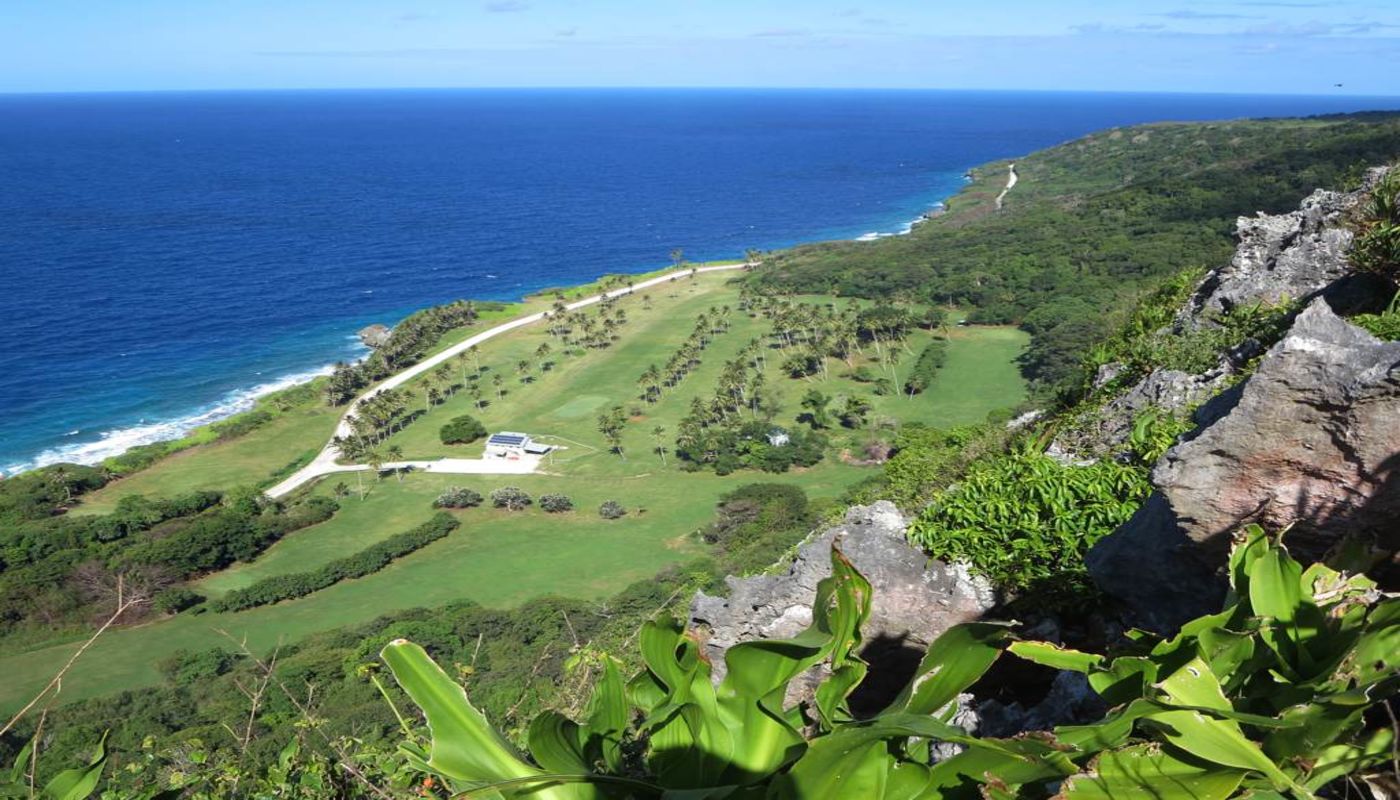
Landscape of Christmas Island
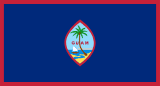
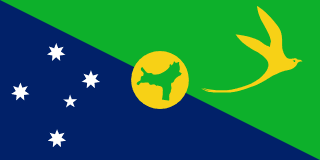
Flag of Christmas Island

Christmas Island

Australia/Oceania

Christmas Island is a small island territory located in the Indian Ocean, approximately 2,600 kilometers northwest of Perth, Australia. One of the most unique aspects of Christmas Island is its famous red crabs, which are an iconic part of the island's ecosystem. The annual migration of these crabs, which number in the millions, is a spectacular natural phenomenon that draws visitors from around the world. The population of Christmas Island is small, with around 1,500 residents. A significant issue facing Christmas Island is the ongoing impact of phosphate mining, which has been a major part of the island's economy since the late 19th century. The mining process has caused significant environmental damage and is a source of controversy and tension between the government, mining companies, and local communities.

What would you like to learn about in Christmas Island?

Select a section to explore the country where nonprofits are creating positive change.

About Christmas Island

Christmas Island is a small island territory located in the Indian Ocean, approximately 2,600 kilometers northwest of Perth, Australia. One of the most unique aspects of Christmas Island is its famous red crabs, which are an iconic part of the island's ecosystem. The annual migration of these crabs, which number in the millions, is a spectacular natural phenomenon that draws visitors from around the world. The population of Christmas Island is small, with around 1,500 residents. A significant issue facing Christmas Island is the ongoing impact of phosphate mining, which has been a major part of the island's economy since the late 19th century. The mining process has caused significant environmental damage and is a source of controversy and tension between the government, mining companies, and local communities.

Causes in Christmas Island

Environment

Christmas Island, an Australian territory located in the Indian Ocean, faces significant environmental challenges that impact its unique ecosystem and inhabitants. The island is known for its diverse flora and fauna, including numerous endemic species. However, deforestation, invasive species, and climate change pose serious threats to the island's environment. Deforestation for phosphate mining has led to habitat loss and fragmentation, endangering native species such as the Christmas Island shrew and Abbott's booby bird. Invasive species like yellow crazy ants have also disrupted the island's delicate ecosystem by preying on native insects and disrupting pollination. Furthermore, rising sea levels and ocean acidification due to climate change are affecting the island's coastal areas and coral reefs. It is crucial for stakeholders to prioritize conservation efforts and sustainable practices to protect Christmas Island's environment for future generations.

Family

Located in the Indian Ocean, Christmas Island is a territory of Australia known for its rich biodiversity and unique ecosystem. The island's population of around 2,000 residents consists of a diverse mix of cultures and backgrounds. Family plays a significant role in the social fabric of Christmas Island, with strong family ties being a cornerstone of the community. Extended families often live in close proximity and provide a support network for individuals in times of need. Family gatherings and celebrations are important events that strengthen bonds and maintain traditions on the island. Furthermore, the concept of family extends beyond blood relations to include close friends and neighbors, creating a sense of belonging and unity among residents. Understanding the importance of family dynamics on Christmas Island can provide valuable insight into the community's values and way of life.

Human Rights

Christmas Island, a territory of Australia, is home to a diverse population with a significant proportion of migrants and refugees. Human rights issues on Christmas Island are primarily related to the treatment of asylum seekers and refugees detained in the immigration detention center on the island. These individuals face challenges such as limited access to legal representation, prolonged periods of detention, and concerns about their mental and physical well-being. The Australian government has faced criticism from human rights organizations for its policies and practices regarding asylum seekers on Christmas Island. These issues highlight the importance of upholding human rights standards in the treatment of individuals seeking refuge and protection.

Education

Christmas Island, an Australian territory in the Indian Ocean, faces unique challenges when it comes to education. The island's remote location and limited resources have a significant impact on the quality of education available to its residents. With a small population of around 2,000 people, access to educational opportunities is limited, leading to potential gaps in knowledge and skills. Additionally, the lack of higher education institutions on the island makes pursuing advanced degrees a challenge for many residents. These factors can hinder the development and growth of individuals and the community as a whole. Improving access to quality education, both locally and through online platforms, is crucial for empowering the residents of Christmas Island to reach their full potential and contribute positively to society.

Religion

Christmas Island, a small Australian territory in the Indian Ocean, is a culturally diverse island with a population of around 2,000 residents. Religion plays a significant role in the lives of the people on Christmas Island, with the majority of the population practicing Buddhism and Christianity. Buddhism, particularly Theravada Buddhism, is widely followed by the island's Chinese and Malay communities, while Christianity is prevalent among the European and Malay populations. Religious beliefs influence various aspects of life on Christmas Island, including traditions, customs, and social interactions. The coexistence of multiple faiths fosters a sense of unity and mutual respect among the island's residents, contributing to its unique cultural tapestry.

Economy

Christmas Island, a small Australian territory located in the Indian Ocean, heavily relies on phosphate mining as its primary economic activity. This has had a significant impact on the island's economy, with fluctuations in global demand for phosphate affecting its revenue and employment opportunities for the local population. The closure of the island's phosphate mine in 1987 led to a major economic downturn, prompting the government to explore other avenues for sustainable development. Tourism has emerged as a potential growth sector, with the island's unique wildlife and natural beauty attracting visitors from around the world. However, challenges such as limited infrastructure and accessibility hinder the full realization of Christmas Island's tourism potential. It is crucial for stakeholders to support sustainable economic initiatives that can diversify the island's economy and reduce its dependence on phosphate mining.

Government

Christmas Island is a remote Australian territory located in the Indian Ocean, known for its unique wildlife and natural beauty. The Government of Australia plays a significant role in the administration and governance of Christmas Island, influencing various aspects of the island's economy, infrastructure, and social services. As a territory of Australia, Christmas Island falls under the jurisdiction of the Australian Government, which provides funding for essential services such as healthcare, education, and infrastructure development. The government also plays a crucial role in managing environmental conservation efforts on the island to protect its diverse ecosystems and endemic species. Additionally, government policies impact the local population's access to resources and opportunities, shaping the socio-economic landscape of Christmas Island.

Health

Located in the Indian Ocean, Christmas Island is an Australian external territory known for its rich biodiversity and unique ecosystem. Despite its natural beauty, the island faces significant health challenges that impact its residents. The limited access to healthcare services, including specialized medical treatments, poses a major concern for the population. In addition, the island's isolation and small size contribute to difficulties in providing adequate healthcare infrastructure and resources. As a result, residents may experience delays in receiving essential medical care, potentially leading to adverse health outcomes. Addressing these health disparities on Christmas Island is crucial to ensuring the well-being of its inhabitants and promoting a healthier community overall.

Children

Christmas Island, a small Australian territory located in the Indian Ocean, faces unique challenges that impact its children. The isolated nature of the island, coupled with limited resources and services, can have profound effects on the well-being of its young population. Children on Christmas Island may experience barriers to quality education, healthcare, and social support systems, which are essential for their development and future prospects. Additionally, issues such as poverty, family instability, and mental health concerns can further compound the challenges faced by children living on the island. Raising awareness about these issues is crucial in order to advocate for improved support and resources to ensure a brighter future for the children of Christmas Island.

Poverty

Christmas Island, a territory of Australia located in the Indian Ocean, faces significant challenges related to poverty. Despite being a developed country, poverty still affects a portion of its population, particularly among the indigenous communities. The lack of economic opportunities and access to essential services such as healthcare and education contribute to the persistent poverty on the island. Limited job prospects and reliance on a narrow range of industries also exacerbate the issue. Poverty on Christmas Island not only impacts the living standards of its residents but also hinders overall development and social progress. Addressing these underlying issues is crucial to improving the well-being of all individuals on the island and fostering a more equitable society.

Clean Water

Located in the Indian Ocean, Christmas Island is a remote Australian territory known for its unique biodiversity and stunning natural landscapes. The island's population heavily relies on limited freshwater sources derived from rainfall and groundwater. Access to clean water is crucial for the island's inhabitants, as well as for sustaining its delicate ecosystem. However, due to factors such as climate change and increasing human activity, the availability and quality of freshwater on Christmas Island are under threat. Pollution from mining activities and urban development, as well as the introduction of invasive species, pose significant challenges to maintaining clean water sources on the island. As a result, efforts to protect and conserve water resources on Christmas Island are essential for ensuring the well-being of its residents and preserving its natural environment.

Animals

Christmas Island, a remote Australian territory located in the Indian Ocean, is home to a diverse range of animal species that play a crucial role in its ecosystem. The unique wildlife found on the island includes the iconic Christmas Island red crab, which plays a vital role in nutrient recycling and forest regeneration through its annual migration to the sea for breeding. However, these animals face significant threats from habitat destruction, invasive species, and climate change. Deforestation and urban development have led to habitat loss for many species, while invasive species like yellow crazy ants pose a threat to the native wildlife. Climate change also affects the island's wildlife through rising sea levels and ocean acidification. Conservation efforts are underway to protect Christmas Island's animals and their habitats, highlighting the importance of preserving this unique ecosystem for future generations.

Make Your Impact Today

Discover causes you care about and support the nonprofits making a difference in communities around the world.

Are you a nonprofit? Join Project World Impact for free

Join Us Free