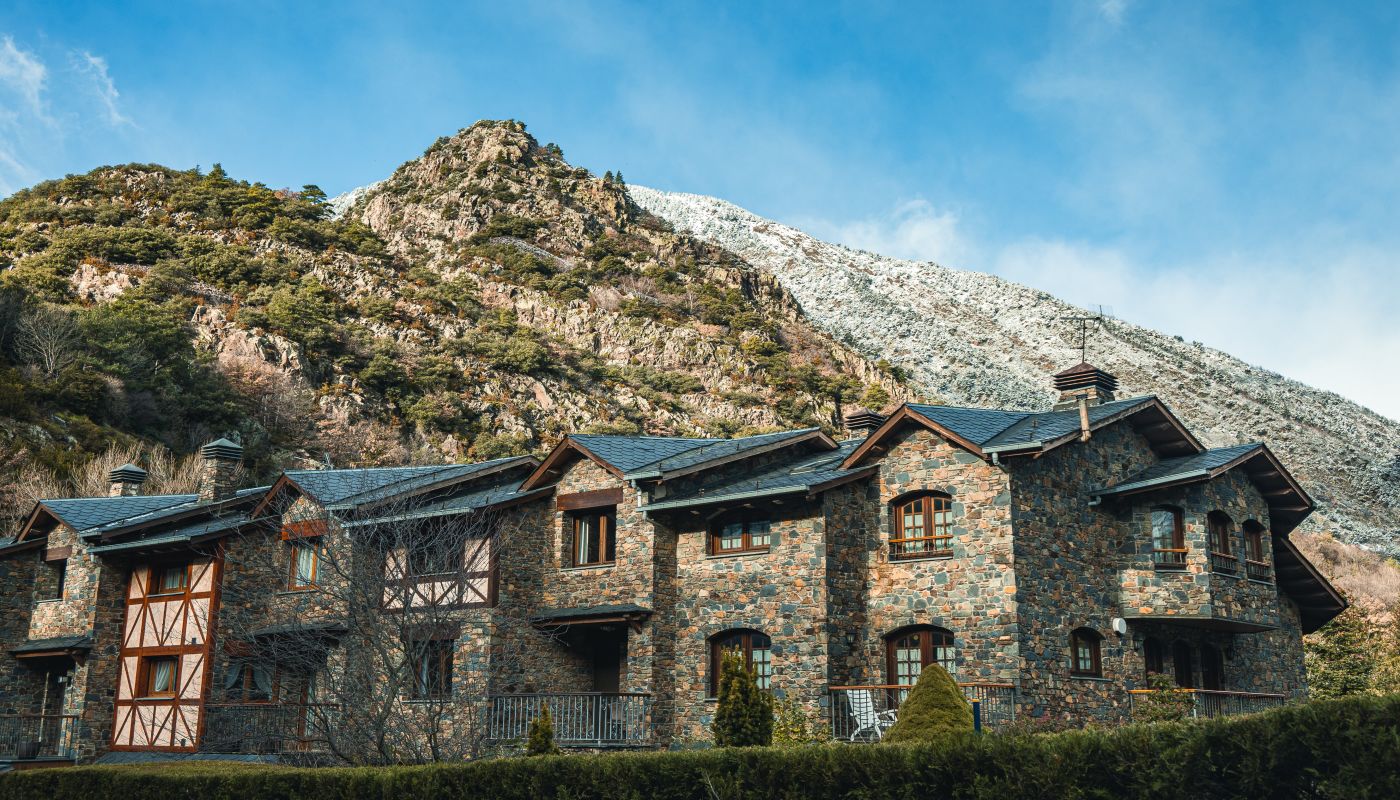
Landscape of Andorra
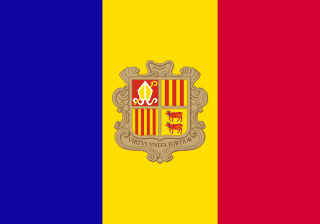
Flag of Andorra

Andorra

Europe

Andorra is a small, landlocked country located in the Pyrenees mountains between France and Spain. Despite its small size, Andorra boasts stunning natural landscapes and a rich cultural heritage. The country is known for its skiing and snowboarding, as well as its duty-free shopping and tax haven status. Additionally, the country has limited natural resources and relies heavily on imports for its energy needs. Nonetheless, Andorra has made strides in recent years to modernize its economy and improve its infrastructure, such as the construction of a new airport and investments in renewable energy. The country also has a strong commitment to sustainability and has set ambitious targets for reducing its carbon footprint. With its beautiful scenery, unique culture, and ongoing efforts to build a sustainable and resilient economy, Andorra has much to offer both its residents and visitors alike, as the country is home to a small but vibrant population of approximately 77,000 people.

What would you like to learn about in Andorra?

Select a section to explore the country where nonprofits are creating positive change.

About Andorra

The landlocked Principality of Andorra is one of the smallest states in Europe, nestled high in the Pyrenees Mountains between the French and Spanish borders. For 715 years, from 1278 to 1993, Andorrans lived under a unique co-principality, ruled by French and Spanish leaders (from 1607 onward, the French chief of state and the Spanish bishop of Seu d'Urgell). In 1993, this feudal system was modified, with the titular heads of state retained, but the government transformed into a parliamentary democracy. In the late 20th century, Andorra became a popular tourist destination. An estimated 10 million people visit each year drawn by the winter sports, summer climate, and duty free goods. Andorra has also become a wealthy international commercial center because of its banking facilities, low taxes, and lack of customs duties. However, recent economic hardships have required Andorra to start taxing foreign investments and to implement stricter economic policies. Andorra is not a member of the European Union, but enjoys a special relationship with it and uses the Euro as its national currency.

Quick Facts

Population
85,293 (July 2013 est.)
Area
468 sq km
ISO Code
AD
Continent
Europe
Government
parliamentary democracy (since March 1993) that retains as its chiefs of state a coprincipality; the two princes are the president of France and bishop of Seu d'Urgell, Spain, who are represented in Andorra by the coprinces' representatives
Active Causes
12
View all countries in Europe

Geography & Environment

Climate

temperate; snowy, cold winters and warm, dry summers

Terrain

rugged mountains dissected by narrow valleys

Natural Resources

hydropower, mineral water, timber, iron ore, lead

Environmental Issues

deforestation; overgrazing of mountain meadows contributes to soil erosion; air pollution; wastewater treatment and solid waste disposal

People & Society

82.58 years
Avg. Life Expectancy
100%
Literacy Rate
88% of total population (2010)
Total Urban Population

Languages

Catalan (official), French, Castilian, Portuguese

Religions

Roman Catholic (predominant)

Health Expenditure

7.5% of GDP (2010) of GDP

Education Expenditure

2.9% of GDP (2010) of GDP

Economy

$37,200
GDP per Capita (PPP)
2.9%
Unemployment Rate
NA% (2008)
Below Poverty Line

Economic Overview

Tourism, retail sales, and finance are the mainstays of Andorra's tiny, well-to-do economy, accounting for more than three-quarters of GDP. Andorra's duty-free status for some products and its summer and winter resorts attract millions of visitors annually, although the economic downturn in neighboring countries has curtailed tourism activity. The banking sector also contributes substantially to the economy. Andorra's comparative advantage as a tax haven eroded when the borders of neighboring France and Spain opened; its bank secrecy laws have been relaxed under pressure from the EU and OECD....

Causes in Andorra

Human Rights

Andorra, a small sovereign principality located in the eastern Pyrenees mountains between France and Spain, is known for its picturesque landscapes and cultural heritage. Despite its charming facade, Andorra faces human rights challenges that warrant attention. The country has made strides in promoting gender equality and combating discrimination, but issues such as lack of protection for refugees and migrants, limitations on freedom of expression, and inadequate measures to address domestic violence persist. Enhancing human rights protections in Andorra is crucial for ensuring the well-being and dignity of all individuals within its borders. By addressing these challenges, Andorra can further solidify its commitment to upholding human rights principles and fostering a more inclusive society.

Education

Andorra, a small European country nestled in the Pyrenees mountains, places a high value on education as a means to drive social and economic development. Education in Andorra is compulsory for children between the ages of 6 and 16, with a curriculum that emphasizes multilingualism, particularly proficiency in Catalan, Spanish, French, and English. The education system in Andorra is known for its high standards and quality, with a focus on providing students with a well-rounded education that prepares them for success in an increasingly globalized world. Despite being a small country with limited resources, Andorra has made significant investments in education, resulting in high literacy rates and a skilled workforce that contributes to the country's continued growth and prosperity.

Poverty

Andorra, a small landlocked country situated between France and Spain, faces unique challenges in terms of poverty. Despite being known for its picturesque landscapes and thriving tourism industry, poverty remains a pressing issue for a segment of its population. The cost of living in Andorra is notably high, leading to income disparities and financial difficulties for some residents. The country's economy heavily relies on tourism and finance, which can contribute to fluctuations in employment opportunities and income stability. Additionally, limited access to affordable housing and healthcare services further exacerbate the challenges faced by those living in poverty in Andorra. Efforts to address poverty in the country include social welfare programs and initiatives aimed at improving access to education and employment opportunities. By raising awareness about the impact of poverty in Andorra, we can support ongoing efforts to create a more equitable society for all its residents.

Religion

Andorra, a small landlocked country located in the eastern Pyrenees mountains between France and Spain, has a rich cultural heritage influenced by Roman Catholicism. Religion plays a significant role in shaping the social and cultural fabric of Andorran society. The official religion of Andorra is Roman Catholicism, with the majority of the population identifying as Catholic. Churches and religious institutions are prominent features within the country, reflecting the strong influence of religion on the daily lives of its citizens. Religious festivals and traditions are widely observed in Andorra, contributing to the preservation of its religious identity. Despite being a secular state, the presence of Catholicism is deeply ingrained in Andorran culture, influencing various aspects of life including family values, education, and societal norms.

Clean Water

Andorra, a small European country located in the Pyrenees mountains between France and Spain, faces unique challenges when it comes to access to clean water. With its rugged terrain and limited water resources, Andorra relies heavily on its rivers and lakes for freshwater supply. The quality of these water sources is crucial for both the environment and the population's well-being. Contamination of water bodies from agricultural run-off, industrial activities, and inadequate sewage treatment can have detrimental effects on the ecosystem and human health in Andorra. Ensuring clean water sources through proper management and conservation practices is essential for sustaining the country's biodiversity and safeguarding public health.

Economy

Situated in the eastern Pyrenees mountains, Andorra is a small landlocked country known for its picturesque landscapes and thriving tourism industry. Despite its size, the economy of Andorra is heavily reliant on tourism, accounting for a significant portion of its GDP. The country's economy is also supported by its status as a tax haven, attracting foreign investment and enabling a flourishing banking sector. However, the reliance on tourism and financial services leaves Andorra vulnerable to external economic fluctuations and global events. In recent years, the COVID-19 pandemic has severely impacted the country's economy, leading to a sharp decline in tourism revenue and highlighting the importance of diversifying its economic base to enhance resilience against future challenges.

Government

Andorra, a small landlocked country situated in the eastern Pyrenees mountains between France and Spain, has a unique political system known as a parliamentary co-principality. The government of Andorra is characterized by its dual heads of state—the President of France and the Bishop of Urgell in Spain. The impact of the government on Andorra is profound as it influences various aspects of the country's governance, including legislation, foreign policy, and national defense. The government plays a crucial role in shaping the economic policies, social welfare programs, and environmental regulations in Andorra. Moreover, given its strategic location, the government's decisions have significant implications for Andorra's relationships with neighboring countries and international organizations.

Health

Andorra, a small landlocked country nestled in the Pyrenees mountains between France and Spain, faces unique challenges in its healthcare system due to its size and geography. With a population of approximately 77,000 residents, Andorra's healthcare infrastructure must cater to both locals and the influx of tourists it receives annually. The country has a high life expectancy, standing at around 82 years, which can be attributed to its well-developed healthcare system. However, the reliance on tourism as a major economic driver poses challenges for maintaining healthcare standards, especially during peak tourist seasons. Furthermore, Andorra's mountainous terrain poses logistical challenges in providing accessible and timely healthcare services to all residents. Efforts are being made to improve healthcare accessibility and quality through collaborations with neighboring countries. Despite these challenges, Andorra continues to strive towards providing quality healthcare to its residents and visitors alike.

Children

Andorra, a small landlocked country nestled in the Pyrenees mountains between France and Spain, is known for its stunning landscapes and rich cultural heritage. However, like many countries around the world, Andorra faces challenges when it comes to the well-being of its children. Despite having a high standard of living, issues such as child poverty, access to quality education, and mental health problems among children persist in Andorra. Children in Andorra are also vulnerable to the impact of climate change, which threatens their future livelihoods and well-being. It is crucial for policymakers and stakeholders in Andorra to prioritize the welfare of children and address these pressing issues to ensure a better future for the younger generation.

Environment

Andorra, nestled in the Pyrenees mountains between France and Spain, faces significant environmental challenges due to its unique geography and high population density. The country's small size and rugged terrain make it susceptible to issues such as deforestation, soil erosion, and water pollution. Additionally, its reliance on hydropower for energy production has put pressure on local water resources and ecosystems. Climate change poses a further threat to Andorra, leading to more frequent extreme weather events and impacting its vital tourism industry, which relies heavily on its natural beauty. To address these issues, sustainable development practices and conservation efforts are crucial to protecting Andorra's environment for future generations.

Family

Family plays a significant role in Andorran society, influencing various aspects of life in this small principality nestled in the Pyrenees mountains between France and Spain. In Andorra, family is considered the cornerstone of social structure and plays a crucial role in providing emotional support and stability to individuals. The concept of extended family is prevalent, with multiple generations often living together or in close proximity, fostering strong bonds and a sense of unity within the community. Family gatherings and celebrations are cherished traditions that reinforce the importance of kinship ties. Additionally, families in Andorra often rely on each other for practical support, such as childcare and financial assistance. The close-knit nature of Andorran families contributes to a sense of belonging and solidarity among its citizens.

Animals

Andorra, a small landlocked country located in the eastern Pyrenees mountains between France and Spain, is home to a diverse range of animal species that play a crucial role in its ecosystem. The presence of animals such as the Pyrenean chamois, golden eagles, and brown bears not only adds to the country's biodiversity but also contributes to its cultural heritage. However, these animals face various threats due to factors such as habitat loss, climate change, and human activities like poaching and pollution. Preservation efforts are being made by local authorities and conservation organizations to protect these species and their habitats. By raising awareness about the importance of preserving Andorra's wildlife, we can contribute to safeguarding the rich natural heritage of this unique country.

Make Your Impact Today

Discover causes you care about and support the nonprofits making a difference in communities around the world.

Are you a nonprofit? Join Project World Impact for free

Join Us Free