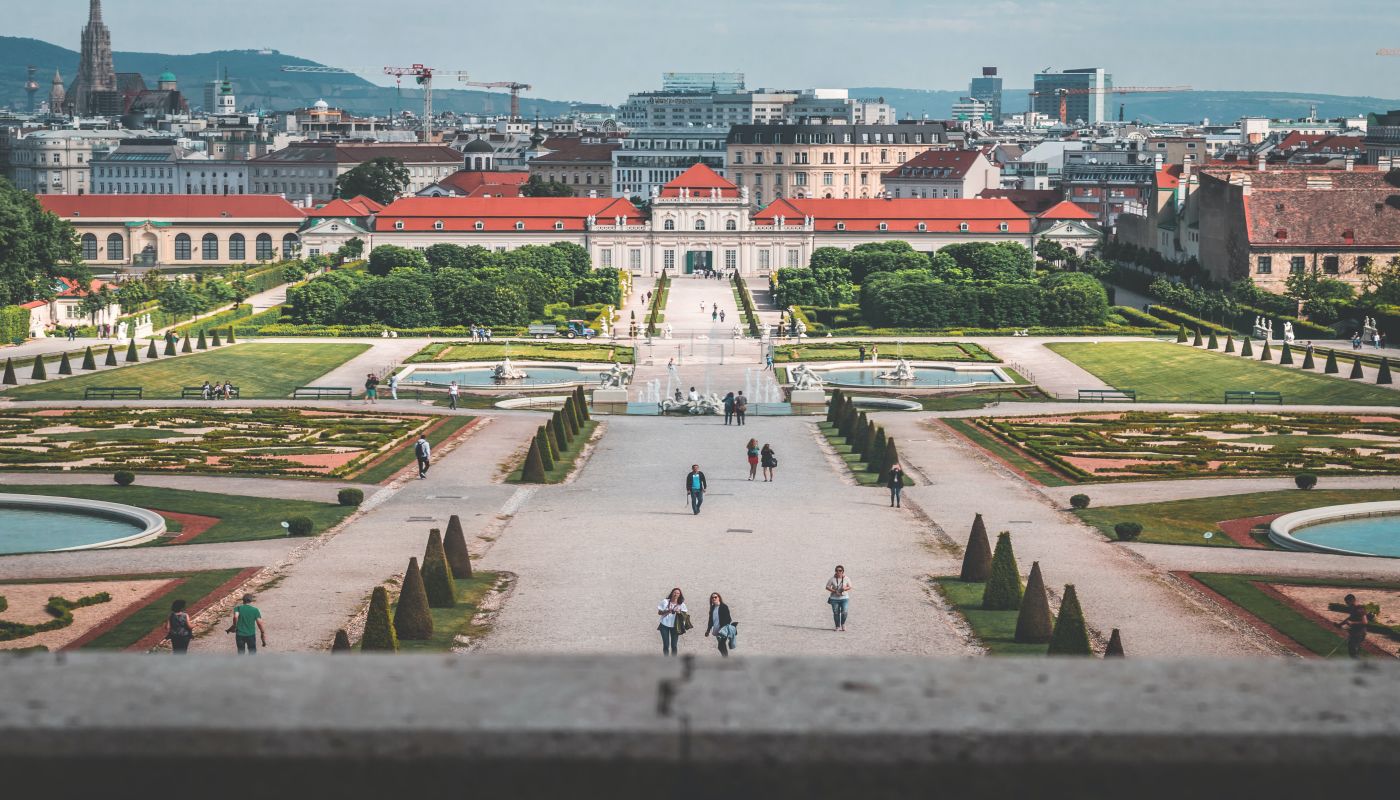
Landscape of Austria
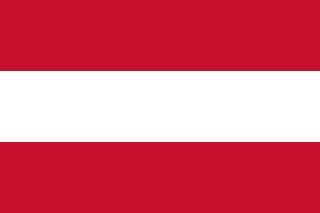
Flag of Austria

Austria

Europe

Austria is a beautiful and diverse country located in the heart of Europe, with a rich cultural heritage and a thriving economy. The population of Austria is approximately 8.9 million people, with a high standard of living and excellent social programs. Despite its small size, Austria boasts a stunning landscape, ranging from the majestic Alps in the west to rolling hills and vineyards in the east. The country's geography makes it a hub for winter sports, hiking, and outdoor activities. Austria faces challenges like any other country and has a strong tradition of political stability, innovation, and social responsibility. With a highly educated and skilled workforce and a welcoming culture, Austria is a great place to live, work, and explore.

What would you like to learn about in Austria?

Select a section to explore the country where nonprofits are creating positive change.

About Austria

Once the center of power for the large Austro-Hungarian Empire, Austria was reduced to a small republic after its defeat in World War I. Following annexation by Nazi Germany in 1938 and subsequent occupation by the victorious Allies in 1945, Austria's status remained unclear for a decade. A State Treaty signed in 1955 ended the occupation, recognized Austria's independence, and forbade unification with Germany. A constitutional law that same year declared the country's "perpetual neutrality" as a condition for Soviet military withdrawal. The Soviet Union's collapse in 1991 and Austria's entry into the European Union in 1995 have altered the meaning of this neutrality. A prosperous, democratic country, Austria entered the EU Economic and Monetary Union in 1999.

Quick Facts

Population
8,221,646 (July 2013 est.)
Area
83,871 sq km
ISO Code
AT
Continent
Europe
Government
federal republic
Active Causes
12
View all countries in Europe

Geography & Environment

Climate

temperate; continental, cloudy; cold winters with frequent rain and some snow in lowlands and snow in mountains; moderate summers with occasional showers

Terrain

in the west and south mostly mountains (Alps); along the eastern and northern margins mostly flat or gently sloping

Natural Resources

oil, coal, lignite, timber, iron ore, copper, zinc, antimony, magnesite, tungsten, graphite, salt, hydropower

Environmental Issues

some forest degradation caused by air and soil pollution; soil pollution results from the use of agricultural chemicals; air pollution results from emissions by coal- and oil-fired power stations and...

People & Society

80.04 years
Avg. Life Expectancy
98%
Literacy Rate
68% of total population (2010)
Total Urban Population

Languages

German (official nationwide) 88.6%, Turkish 2.3%, Serbian 2.2%, Croatian (official in Burgenland) 1.6%, other (includes Slovene, official in Carinthia...

Religions

Roman Catholic 73.6%, Protestant 4.7%, Muslim 4.2%, other 3.5%, unspecified 2%, none 12% (2001 census)

Health Expenditure

11% of GDP (2010) of GDP

Education Expenditure

6% of GDP (2009) of GDP

Economy

$43,100
GDP per Capita (PPP)
4.4%
Unemployment Rate
6.2% (2012)
Below Poverty Line

Economic Overview

Austria, with its well-developed market economy, skilled labor force, and high standard of living, is closely tied to other EU economies, especially Germany's. Its economy features a large service sector, a sound industrial sector, and a small, but highly developed agricultural sector. Following several years of solid foreign demand for Austrian exports and record employment growth, the international financial crisis of 2008 and subsequent global economic downturn led to a sharp but brief recession. Austrian GDP contracted 3.8% in 2009 but saw positive growth of about 2% in 2010 and 2.7% in 20...

Causes in Austria

Environment

Austria, a landlocked country in Central Europe, is known for its stunning natural landscapes, including the Alps and pristine lakes. The environment plays a crucial role in shaping Austria's economy, culture, and quality of life. With a strong emphasis on sustainability and environmental protection, Austria has implemented policies to combat climate change, promote renewable energy sources, and preserve its biodiversity. However, like many other countries, Austria is not immune to the effects of environmental degradation. Increasing temperatures, extreme weather events, and air pollution pose significant challenges to the country's ecosystems and public health. It is essential for Austria to continue its efforts in environmental conservation and adopt measures to mitigate the impact of climate change for the well-being of its people and the preservation of its natural heritage.

Family

In Austria, family plays a significant role in shaping societal norms, values, and traditions. Austrian families typically prioritize strong family ties and support systems, placing importance on spending time together and sharing meals as a means of fostering close relationships. Family is considered the cornerstone of Austrian society, with an emphasis on respect for elders and the well-being of children. The Austrian culture values a sense of belonging and community, which is often cultivated through familial bonds. Moreover, families in Austria are known for their collective decision-making and mutual support in times of need, reinforcing the importance of unity and solidarity within the family unit.

Human Rights

Austria, a country located in Central Europe, is known for its rich history, stunning landscapes, and vibrant culture. Human rights play a significant role in shaping the society and governance of Austria. The country is a signatory to various international human rights treaties and conventions, including the European Convention on Human Rights. Despite having strong legal frameworks protecting human rights, challenges persist in areas such as discrimination, refugee rights, and gender equality. The Austrian government continues to work towards addressing these issues through policy reforms and awareness campaigns. It is imperative for both the government and civil society to collaborate effectively to uphold human rights for all individuals residing in Austria.

Education

Education in Austria plays a crucial role in shaping the country's social and economic landscape. With a strong emphasis on quality and accessibility, Austria's education system is known for its high standards and rigorous academic programs. The country provides free education for all students up to the age of 18, ensuring equal opportunities for all. In addition, Austria boasts a well-developed vocational education and training system, which equips individuals with the necessary skills to enter the workforce successfully. Education in Austria has a direct impact on reducing poverty rates, increasing employment opportunities, and fostering social cohesion within the society. By investing in education, Austria is not only securing its future workforce but also contributing to the overall well-being of its citizens.

Poverty

In Austria, poverty remains a pertinent issue despite being considered one of the wealthiest countries in the European Union. While the overall poverty rate is relatively low compared to other EU nations, certain segments of the population, such as single-parent households, the elderly, and immigrants, are particularly vulnerable to economic hardship. Poverty in Austria is often associated with inadequate access to education, healthcare, and social services, leading to a cycle of disadvantage that can be difficult to break. The impact of poverty in Austria extends beyond financial constraints, affecting individuals' physical and mental well-being, social integration, and overall quality of life.

Religion

Religion holds significant cultural and historical importance in Austria, a country located in Central Europe. The majority of Austrians identify as Roman Catholic, with the Catholic Church playing a prominent role in Austrian society. Religion has influenced various aspects of Austrian life, including politics, art, and education. The Catholic Church has been a key player in shaping social norms and values, as well as providing a sense of community and tradition for many Austrians. However, in recent years, there has been a decline in religious observance and an increase in secularism among the younger generation. This shift has led to debates and discussions about the role of religion in modern Austrian society.

Clean Water

Clean water is essential for Austria's environment, economy, and public health. With over 6,000 natural lakes and numerous rivers, water plays a crucial role in Austria's tourism industry, providing opportunities for activities such as swimming, fishing, and boating. Additionally, clean water is vital for agriculture, as it is used for irrigation purposes to support the growth of crops. Furthermore, access to clean drinking water is a basic human right that ensures the well-being of the Austrian population and prevents waterborne diseases. Despite having a relatively high water quality, Austria still faces challenges such as pollution from agriculture, industry, and urban areas. Continued efforts in water conservation, pollution control, and sustainable resource management are necessary to safeguard Austria's precious water resources for future generations.

Economy

Austria, a landlocked country in Central Europe, boasts a highly developed social market economy. The country's economy is characterized by a skilled labor force, high standard of living, and close trade relations with other European Union members. With a strong focus on services, industry, and technology, Austria has a diverse economic base that drives its prosperity. However, like many developed nations, Austria faces challenges such as an aging population, global economic fluctuations, and environmental concerns. The economy of Austria plays a crucial role in the well-being of its citizens, affecting employment rates, income levels, and overall quality of life.

Government

In Austria, the government plays a significant role in shaping the nation's social, economic, and political landscape. The Austrian government is a federal parliamentary republic, with a President serving as the head of state and a Chancellor as the head of government. The government is structured into three branches - the executive, legislative, and judicial branches - each responsible for specific functions to ensure the smooth running of the country. Government policies and decisions impact various aspects of Austrian society, including healthcare, education, infrastructure development, and environmental protection. Through its regulations and initiatives, the government strives to maintain social welfare, economic stability, and political order within the nation.

Health

Austria, a country located in central Europe, faces various health challenges that impact its population and healthcare system. One significant issue is the rising prevalence of non-communicable diseases such as cardiovascular diseases, diabetes, and cancer. These conditions not only affect the quality of life of individuals but also pose a substantial financial burden on the healthcare system. In addition, mental health disorders are also a growing concern in Austria, with increasing rates of depression, anxiety, and substance abuse. Addressing these health issues requires a comprehensive approach that includes promoting healthy lifestyles, improving access to healthcare services, and enhancing mental health support systems. By raising awareness and investing in preventive measures and treatment options, Austria can work towards improving the overall health and well-being of its population.

Children

In Austria, children face various challenges that can impact their well-being and development. Factors such as poverty, domestic violence, and inadequate access to education and healthcare services can have a significant influence on children's lives. Approximately 10% of children in Austria are at risk of poverty, which can lead to a host of negative outcomes, including poor academic performance and limited opportunities for social mobility. Furthermore, instances of domestic violence in households can have lasting psychological effects on children, affecting their emotional and mental health. Inadequate access to quality education and healthcare services can also hinder children's overall growth and potential. It is crucial for stakeholders in Austria to address these issues effectively to ensure that all children have the opportunity to thrive and reach their full potential.

Animals

Austria, a landlocked country in Central Europe, boasts a rich and diverse ecosystem that is home to a wide variety of animal species. Animals play a crucial role in the country's biodiversity, contributing to its delicate ecological balance. However, Austria faces challenges such as habitat loss, climate change, pollution, and illegal wildlife trade, which threaten the well-being of its animal population. The protection and conservation of animals are paramount in Austria to ensure the sustainability of its natural environment for future generations to come.

Nonprofits Working in Austria

Discover organizations making a difference in Austria

Make Your Impact Today

Discover causes you care about and support the nonprofits making a difference in communities around the world.

Are you a nonprofit? Join Project World Impact for free

Join Us Free