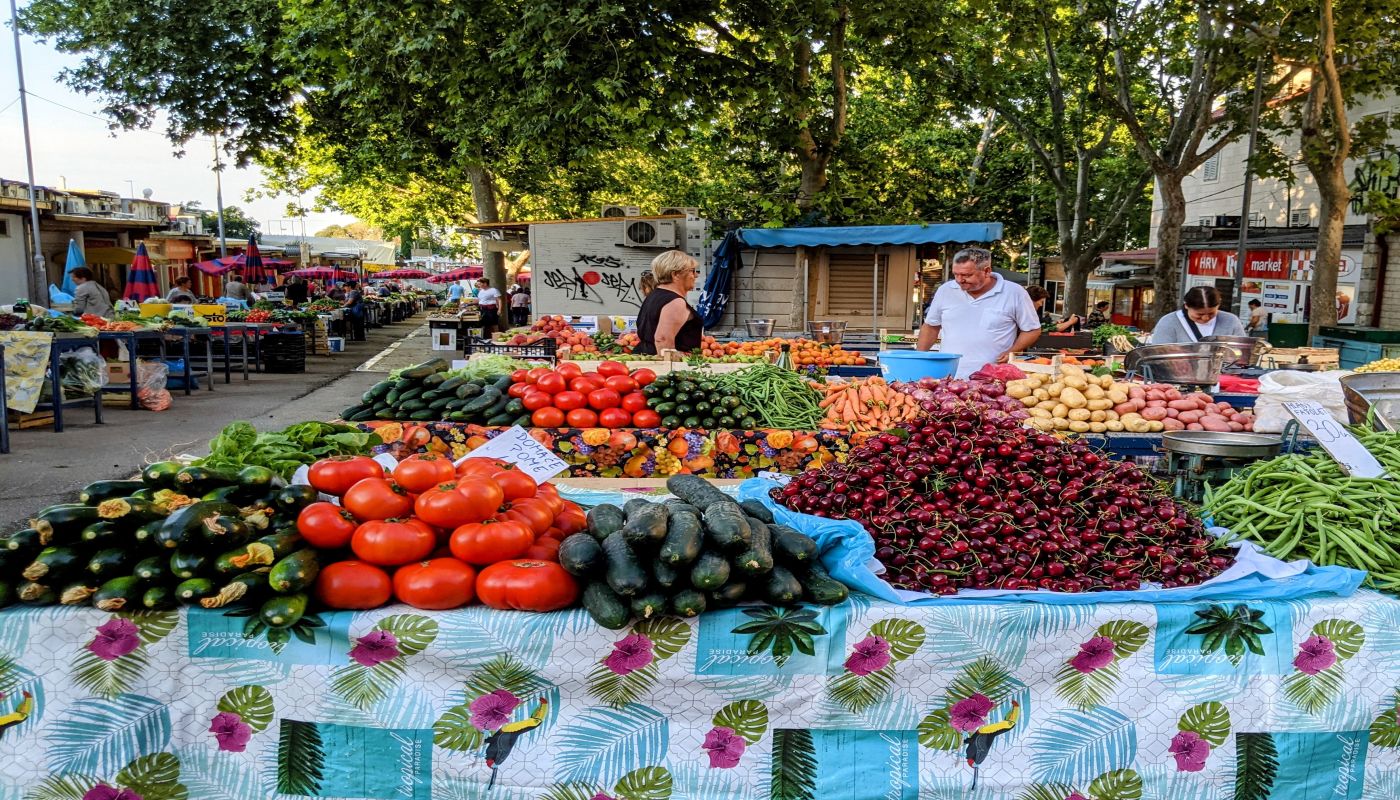
Landscape of Croatia
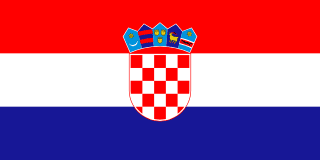
Flag of Croatia

Croatia

Europe

Croatia is a beautiful country located in Southeastern Europe, bordered by Slovenia, Hungary, Serbia, Bosnia and Herzegovina, and the Adriatic Sea. Croatia has an estimated population of around 4 million people. The country has a diverse population with a variety of ethnic groups, including Croats, Serbs, Bosniaks, and others. Despite past political and social tensions, Croatia has made significant progress towards promoting inclusivity and respect for all its citizens. One of the biggest draws of Croatia is its gorgeous coastline, which stretches for over 1,000 miles along the Adriatic Sea.

What would you like to learn about in Croatia?

Select a section to explore the country where nonprofits are creating positive change.

About Croatia

The lands that today comprise Croatia were part of the Austro-Hungarian Empire until the close of World War I. In 1918, the Croats, Serbs, and Slovenes formed a kingdom known after 1929 as Yugoslavia. Following World War II, Yugoslavia became a federal independent communist state under the strong hand of Marshal TITO. Although Croatia declared its independence from Yugoslavia in 1991, it took four years of sporadic, but often bitter, fighting before occupying Serb armies were mostly cleared from Croatian lands, along with a majority of Croatia's ethnic Serb population. Under UN supervision, the last Serb-held enclave in eastern Slavonia was returned to Croatia in 1998. The country joined NATO in April 2009 and the EU in July 2013.

Quick Facts

Population
4,475,611 (July 2013 est.)
Area
56,594 sq km
ISO Code
HR
Continent
Europe
Government
parliamentary democracy
Active Causes
12
View all countries in Europe

Geography & Environment

Climate

Mediterranean and continental; continental climate predominant with hot summers and cold winters; mild winters, dry summers along coast

Terrain

geographically diverse; flat plains along Hungarian border, low mountains and highlands near Adriatic coastline and islands

Natural Resources

oil, some coal, bauxite, low-grade iron ore, calcium, gypsum, natural asphalt, silica, mica, clays, salt, hydropower

Environmental Issues

air pollution (from metallurgical plants) and resulting acid rain is damaging the forests; coastal pollution from industrial and domestic waste; landmine removal and reconstruction of infrastructure c...

People & Society

76.2 years
Avg. Life Expectancy
98.9%
Literacy Rate
58% of total population (2010)
Total Urban Population

Languages

Croatian (official) 96.1%, Serbian 1%, other and undesignated (including Italian, Hungarian, Czech, Slovak, and German) 2.9% (2001 census)

Religions

Roman Catholic 87.8%, Orthodox 4.4%, other Christian 0.4%, Muslim 1.3%, other and unspecified 0.9%, none 5.2% (2001 census)

Health Expenditure

7.8% of GDP (2010) of GDP

Education Expenditure

4.4% of GDP (2009) of GDP

Economy

$18,100
GDP per Capita (PPP)
19.1%
Unemployment Rate
21.1% (2011)
Below Poverty Line

Economic Overview

Though still one of the wealthiest of the former Yugoslav republics, Croatia's economy suffered badly during the 1991-95 war. The country's output during that time collapsed and Croatia missed the early waves of investment in Central and Eastern Europe that followed the fall of the Berlin Wall. Between 2000 and 2007, however, Croatia's economic fortunes began to improve slowly with moderate but steady GDP growth between 4% and 6% led by a rebound in tourism and credit-driven consumer spending. Inflation over the same period remained tame and the currency, the kuna, stable. Croatia experienced...

Causes in Croatia

Environment

Croatia, a country situated at the crossroads of Central and Southeast Europe, boasts a diverse natural environment that plays a crucial role in shaping its cultural and economic landscape. The Adriatic Sea, with its pristine coastline and crystal-clear waters, is a vital source of income for the country through tourism and fisheries. However, Croatia faces environmental challenges such as deforestation, water pollution, and habitat degradation due to urbanization and industrial activities. Climate change further exacerbates these issues, leading to more frequent extreme weather events like floods and droughts. These environmental disruptions not only threaten Croatia's biodiversity but also impact the livelihoods of its people who depend on natural resources for sustenance and economic prosperity. Heightened awareness and sustainable practices are essential to safeguard Croatia's environment for future generations.

Family

Family holds significant importance in the fabric of Croatian society, shaping various aspects of life in the country. Croatia, a nation located in Southeast Europe, places a strong emphasis on familial bonds and values. Families in Croatia are typically close-knit and play a crucial role in providing emotional support, financial stability, and social cohesion. The concept of family extends beyond immediate relatives to include extended family members, creating a robust network of relationships that foster a sense of belonging and community. Furthermore, family traditions and customs are deeply ingrained in Croatian culture, influencing everyday practices and celebrations. Understanding the impact of family dynamics on individuals and society is crucial for promoting well-being and social cohesion in Croatia.

Human Rights

Croatia, a country located in Southeast Europe, has made significant strides in promoting and protecting human rights over the years. However, challenges still exist, particularly in areas such as discrimination against minority groups, gender equality, and refugee rights. The Croatian government has taken steps to address these issues by implementing laws and policies aimed at upholding human rights standards. Despite these efforts, more work needs to be done to ensure that all individuals in Croatia have equal access to their fundamental rights and freedoms. By raising awareness about human rights issues in Croatia, we can contribute to fostering a more inclusive and just society for all its citizens.

Education

Croatia, a country located in Southeast Europe, places great importance on education as it plays a crucial role in shaping its society and economy. The education system in Croatia is overseen by the Ministry of Science and Education, with a focus on providing quality education to its citizens. Education in Croatia is compulsory for children aged 6 to 15, ensuring a strong foundation for future academic pursuits and career opportunities. Despite significant progress in enhancing the education system, challenges such as regional disparities and insufficient funding persist, impacting the overall quality of education in the country. By investing in education, Croatia aims to foster innovation, drive economic growth, and create a skilled workforce to meet the demands of the modern world.

Poverty

Croatia, a country located in Southeast Europe, is grappling with the issue of poverty, which has significant implications for its population. With a poverty rate of around 19%, many Croatians struggle to meet their basic needs such as food, shelter, and healthcare. The effects of poverty in Croatia are widespread, leading to social exclusion, limited access to education and job opportunities, and overall reduced quality of life for those affected. The rural areas in particular are more vulnerable to poverty, with insufficient infrastructure and resources exacerbating the situation. Addressing poverty in Croatia requires a multifaceted approach involving government intervention, community support, and sustainable economic development strategies.

Religion

Religion holds significant influence in Croatia, a country located in Southeast Europe. The predominant religion in Croatia is Christianity, with the majority of the population identifying as Roman Catholic. This religious affiliation has deep historical roots in Croatian culture and society, shaping various aspects of life including traditions, values, and even political dynamics. Religious holidays are widely celebrated, and churches play a central role in community gatherings and events. However, Croatia is also a secular state with freedom of religion enshrined in its constitution, allowing for diversity and coexistence among different religious groups. Despite this, tensions between different religious communities can arise periodically, reflecting the complex interplay between religion, politics, and identity in the country.

Clean Water

Croatia, located in Southeast Europe, is a country with stunning coastlines along the Adriatic Sea and abundant natural beauty. Despite its natural splendor, Croatia faces various environmental challenges, one of which is ensuring access to clean water. Clean water is crucial for the health and well-being of Croatia's population, as it impacts not only drinking water quality but also the health of aquatic ecosystems and biodiversity. Pollution from agricultural runoff, inadequate wastewater treatment facilities, and industrial discharges pose significant threats to water quality in Croatia. Furthermore, climate change exacerbates these issues by leading to more frequent droughts and floods, affecting water availability and quality. Raising awareness about the importance of clean water and advocating for sustainable water management practices are essential for protecting Croatia's water resources for future generations.

Economy

Croatia, a country located in Southeast Europe, has a diverse economy that plays a crucial role in shaping its development and stability. The economy of Croatia is predominantly service-based, with sectors such as tourism, information technology, and finance contributing significantly to its GDP. However, challenges such as high public debt levels, unemployment, and an aging population pose significant obstacles to economic growth. The impact of the economy on Croatia is profound, influencing aspects ranging from employment opportunities to social welfare programs and infrastructure development. As the country continues to navigate these economic challenges, efforts are being made to promote sustainable growth and attract foreign investments to bolster its economy.

Government

Croatia, a Southeast European country known for its stunning coastline along the Adriatic Sea, has been significantly influenced by its government in various aspects. The government of Croatia plays a vital role in shaping the country's economic development, social welfare programs, and environmental policies. With a parliamentary representative democratic republic system in place, the government consists of three branches – executive, legislative, and judicial. The government's decisions on fiscal policies, investment strategies, and infrastructure development have a direct impact on Croatia's economic growth and stability. Additionally, government initiatives in areas such as healthcare, education, and social services contribute to the overall well-being of the Croatian population. Furthermore, environmental protection efforts and sustainability projects driven by the government aim to preserve Croatia's natural beauty and resources for future generations.

Health

In Croatia, health plays a significant role in shaping the overall well-being of its population. The country faces various health challenges, including a high prevalence of non-communicable diseases such as cardiovascular diseases, cancer, and diabetes. Factors contributing to these health issues include an aging population, unhealthy lifestyle choices, limited access to healthcare services in rural areas, and environmental factors such as air pollution. Furthermore, Croatia has experienced a rise in mental health disorders, with depression and anxiety being among the most common. Addressing these health concerns requires a multifaceted approach that includes promoting healthier lifestyles, improving healthcare infrastructure and accessibility, and raising awareness about mental health issues among the population.

Children

Croatia, a country located in Southeast Europe, faces various challenges that affect its children. One prominent issue is child poverty, which impacts a significant portion of the population. According to UNICEF, approximately 27% of children in Croatia are at risk of poverty or social exclusion. This can lead to inadequate access to education, healthcare, and nutrition, jeopardizing their overall well-being and future prospects. Additionally, domestic violence against children remains a prevalent concern in the country, with reports showing that a considerable number of children experience abuse within their own homes. These realities highlight the urgent need for targeted interventions and support systems to safeguard the rights and welfare of children in Croatia.

Animals

Croatia, a country known for its diverse landscapes and rich biodiversity, is home to a wide variety of animal species that play a crucial role in its ecosystem. Animals in Croatia face numerous challenges, including habitat loss, pollution, and climate change, all of which have a significant impact on their survival. Endangered species such as the Eurasian lynx, European mink, and loggerhead sea turtle are particularly vulnerable to these threats. Conservation efforts are underway to protect these species and their habitats, but more support and awareness are needed to ensure their long-term survival in Croatia.

Nonprofits Working in Croatia

Discover organizations making a difference in Croatia

Make Your Impact Today

Discover causes you care about and support the nonprofits making a difference in communities around the world.

Are you a nonprofit? Join Project World Impact for free

Join Us Free