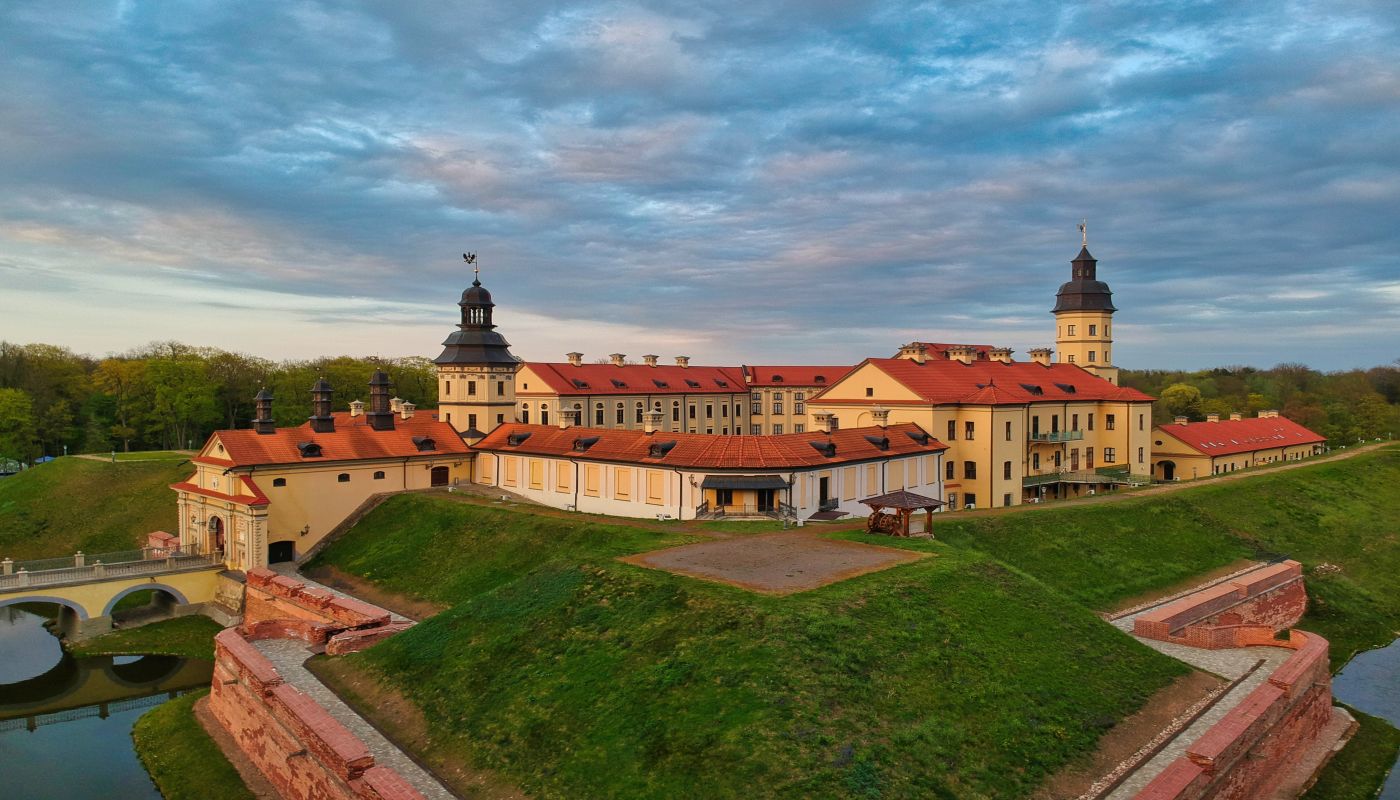
Landscape of Belarus
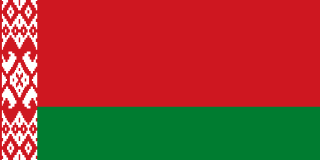
Flag of Belarus

Belarus

Europe

Belarus is located in Eastern Europe with a population of around 9.4 million people. The capital city of Minsk, for example, is a vibrant metropolis that is home to some of the country's most important museums, theaters, and art galleries. Meanwhile, the countryside is dotted with beautiful national parks and nature reserves, offering visitors the chance to explore some of the country's most stunning natural scenery. Belarus also has a strong agricultural sector, with over 40% of the land used for farming. The highly skilled workforce and strong industrial base, with industries such as heavy machinery, chemical production, and electronics lead the way in the success of this country.

What would you like to learn about in Belarus?

Select a section to explore the country where nonprofits are creating positive change.

About Belarus

After seven decades as a constituent republic of the USSR, Belarus attained its independence in 1991. It has retained closer political and economic ties to Russia than any of the other former Soviet republics. Belarus and Russia signed a treaty on a two-state union on 8 December 1999 envisioning greater political and economic integration. Although Belarus agreed to a framework to carry out the accord, serious implementation has yet to take place. Since his election in July 1994 as the country's first president, Aleksandr LUKASHENKO has steadily consolidated his power through authoritarian means. Government restrictions on freedom of speech and the press, peaceful assembly, and religion remain in place.

Quick Facts

Population
9,625,888 (July 2013 est.)
Area
207,600 sq km
ISO Code
BY
Continent
Europe
Government
republic in name, although in fact a dictatorship
Active Causes
12
View all countries in Europe

Geography & Environment

Climate

cold winters, cool and moist summers; transitional between continental and maritime

Terrain

generally flat and contains much marshland

Natural Resources

timber, peat deposits, small quantities of oil and natural gas, granite, dolomitic limestone, marl, chalk, sand, gravel, clay

Environmental Issues

soil pollution from pesticide use; southern part of the country contaminated with fallout from 1986 nuclear reactor accident at Chornobyl' in northern Ukraine

People & Society

71.81 years
Avg. Life Expectancy
99.6%
Literacy Rate
75% of total population (2011)
Total Urban Population

Languages

Belarusian (official) 23.4%, Russian (official) 70.2%, other 6.4% (includes small Polish- and Ukrainian-speaking minorities) (1999 census)

Religions

Eastern Orthodox 80%, other (including Roman Catholic, Protestant, Jewish, and Muslim) 20% (1997 est.)

Health Expenditure

5.6% of GDP (2010) of GDP

Education Expenditure

5.3% of GDP (2011) of GDP

Economy

$15,900
GDP per Capita (PPP)
1%
Unemployment Rate
27.1% (2003 est.)
Below Poverty Line

Economic Overview

As part of the former Soviet Union, Belarus had a relatively well-developed industrial base; it retained this industrial base - which is now outdated, energy inefficient, and dependent on subsidized Russian energy and preferential access to Russian markets - following the breakup of the USSR. The country also has a broad agricultural base which is inefficient and dependent on government subsidies. After an initial burst of capitalist reform from 1991-94, including privatization of state enterprises, creation of institutions of private property, and development of entrepreneurship, Belarus' eco...

Causes in Belarus

Environment

Belarus, a landlocked country in Eastern Europe, is home to diverse ecosystems ranging from dense forests to vast marshlands. The environment in Belarus plays a crucial role in shaping the country's economy, culture, and overall well-being of its population. The agricultural sector heavily relies on the fertile soils and favorable climate conditions, making it a significant contributor to the country's GDP. However, rapid industrialization and unsustainable agricultural practices have led to environmental degradation, including soil pollution and deforestation. Moreover, Belarus faces challenges such as air and water pollution, loss of biodiversity, and the impacts of climate change. These environmental issues not only pose a threat to the country's natural habitats but also to the health and livelihoods of its citizens. It is imperative for Belarus to prioritize sustainable development practices and conservation efforts to safeguard its environment for future generations.

Family

Belarus, a landlocked country in Eastern Europe, has a strong emphasis on family values deeply embedded in its cultural fabric. Families in Belarus are typically close-knit and play a significant role in shaping individuals' identities and providing emotional support. The concept of family extends beyond immediate relatives to include extended family members, creating a tight network of social connections and mutual assistance. Family gatherings and celebrations hold great importance in Belarusian society, reinforcing bonds and traditions passed down through generations. Moreover, elders are highly respected and play a central role in decision-making within the family structure. However, economic challenges and social changes have put strains on traditional family dynamics in Belarus, with migration and urbanization leading to increased distances between family members. Despite these challenges, the value of family remains paramount in the hearts of Belarusians, serving as a source of strength and resilience in the face of adversity.

Human Rights

Belarus, a landlocked country in Eastern Europe, has faced significant challenges in upholding human rights within its borders. The government, under the leadership of President Alexander Lukashenko, has been criticized by international organizations for suppressing political dissent, limiting freedom of speech and assembly, and cracking down on civil society organizations. The 2020 presidential election, marred by allegations of fraud and irregularities, sparked widespread protests across the country. These demonstrations were met with a violent crackdown by security forces, leading to numerous reports of human rights violations, including arbitrary arrests, torture, and excessive use of force. The situation in Belarus serves as a stark reminder of the importance of protecting human rights and promoting democracy to ensure the well-being and dignity of all individuals.

Education

Belarus, a landlocked country in Eastern Europe, places great importance on education as a crucial component of its societal development. With a literacy rate exceeding 99%, Belarus boasts a well-educated population who value learning and knowledge. The education system in Belarus is characterized by its strong emphasis on science, technology, engineering, and mathematics (STEM) fields, preparing students for careers in these areas. However, despite the high literacy rate, challenges such as outdated teaching methods and limited access to quality education persist, particularly in rural areas. Education in Belarus plays a significant role in shaping the country's future by equipping its citizens with the skills and knowledge necessary to contribute to the nation's growth and development.

Poverty

Belarus, a landlocked country in Eastern Europe, faces significant challenges stemming from poverty. Despite being an upper-middle-income country according to the World Bank, poverty remains a pressing issue, particularly in rural areas where access to resources and opportunities is limited. The lack of economic diversification and high dependency on agriculture have contributed to persistent poverty levels. The country also faces challenges associated with aging infrastructure, limited job opportunities, and income inequality, further exacerbating the issue. Poverty in Belarus not only impacts individuals' quality of life but also hinders the overall socio-economic development of the nation. Addressing poverty through targeted policies and initiatives is crucial to improving the well-being of Belarusians and fostering sustainable development in the country.

Religion

Belarus, a landlocked country in Eastern Europe, has a rich religious history that significantly influences its society. The majority of Belarusians identify as Christian, with the Eastern Orthodox Church being the predominant denomination. Religion plays a vital role in the cultural identity of Belarus, shaping traditions, values, and social norms. The close relationship between religion and national identity fosters a sense of community and solidarity among the Belarusian people. Moreover, religious institutions often serve as centers for social activities and charitable work, contributing to the overall well-being of the population. However, it is important to note that religious freedom in Belarus has faced challenges in recent years due to government restrictions and interference in religious affairs. This complex interplay between religion and politics continues to impact the lives of Belarusians and warrants further attention.

Clean Water

Belarus, a landlocked country in Eastern Europe, faces considerable challenges in ensuring access to clean water for its population. With a significant portion of its water sources contaminated by industrial pollution and agricultural run-off, Belarus struggles to provide its citizens with safe drinking water. The impacts of this issue are far-reaching, affecting public health, agriculture, and the overall well-being of the population. Contaminated water sources lead to a higher prevalence of waterborne diseases, posing a serious threat to public health. Additionally, the agricultural sector suffers as contaminated water can harm crops and livestock. Addressing this issue is crucial for Belarus to safeguard the health and livelihoods of its people and promote sustainable development in the country.

Economy

Belarus, a landlocked country in Eastern Europe, has an economy primarily based on heavy industry, agriculture, and manufacturing. The country's economy heavily relies on its exports of machinery, equipment, and chemicals to countries like Russia and Ukraine. However, economic challenges such as dependence on Russia for energy resources, lack of diversification, and state-controlled enterprises have hindered sustainable growth. Economic instability has led to issues like inflation, unemployment, and a widening wealth gap among the population. Despite efforts to attract foreign investment and modernize industries, Belarus continues to face economic hardships that impact its citizens' quality of life.

Government

Belarus, a landlocked country in Eastern Europe, has been governed by President Alexander Lukashenko since 1994. The authoritarian regime in Belarus has significant impacts on its citizens, including restrictions on freedom of speech, assembly, and press. The government's control over media outlets and suppression of political opposition have led to widespread protests and international criticism. Additionally, allegations of election fraud and human rights abuses have further strained Belarus' relations with the global community. The government's actions have resulted in economic challenges and social unrest within the country, highlighting the need for continued attention to the situation in Belarus.

Health

Belarus, a landlocked country in Eastern Europe, faces various health challenges that significantly impact its population. The nation grapples with high rates of non-communicable diseases like cardiovascular ailments, cancer, and diabetes. Factors contributing to these health issues include poor lifestyle choices, limited access to healthcare services in rural areas, and environmental pollution. Additionally, Belarus struggles with high levels of alcohol consumption and smoking, further exacerbating its health problems. The government has made efforts to improve healthcare infrastructure and promote healthier living habits among its citizens. However, more comprehensive measures are needed to address the root causes of these health issues and enhance the overall well-being of the Belarusian population.

Children

Belarus, a landlocked country in Eastern Europe, faces numerous challenges that impact children living within its borders. With a population of over nine million, children in Belarus are particularly affected by issues such as poverty, inadequate access to healthcare, and limited educational opportunities. Approximately 25% of children in Belarus live below the poverty line, facing difficulties in meeting their basic needs. Furthermore, the country's healthcare system struggles with limited resources, leading to challenges in providing adequate medical care for children. Education also presents a concern, as some children lack access to quality schooling due to economic disparities and rural isolation. Addressing these issues is crucial to improving the well-being of children in Belarus and ensuring a brighter future for the next generation.

Animals

Belarus, a landlocked country in Eastern Europe, boasts diverse wildlife and natural habitats that play a crucial role in its ecosystem. The presence of various animal species, including European bison, lynx, wolves, and brown bears, contributes to the country's biodiversity and ecological balance. However, rapid urbanization, deforestation, and pollution pose significant threats to Belarus's wildlife population. Conservation efforts are underway to protect endangered species and preserve vital habitats through the establishment of national parks and wildlife reserves. By raising awareness about the importance of wildlife conservation in Belarus, we can work towards ensuring the long-term survival of its unique fauna and flora.

Nonprofits Working in Belarus

Discover organizations making a difference in Belarus

Make Your Impact Today

Discover causes you care about and support the nonprofits making a difference in communities around the world.

Are you a nonprofit? Join Project World Impact for free

Join Us Free