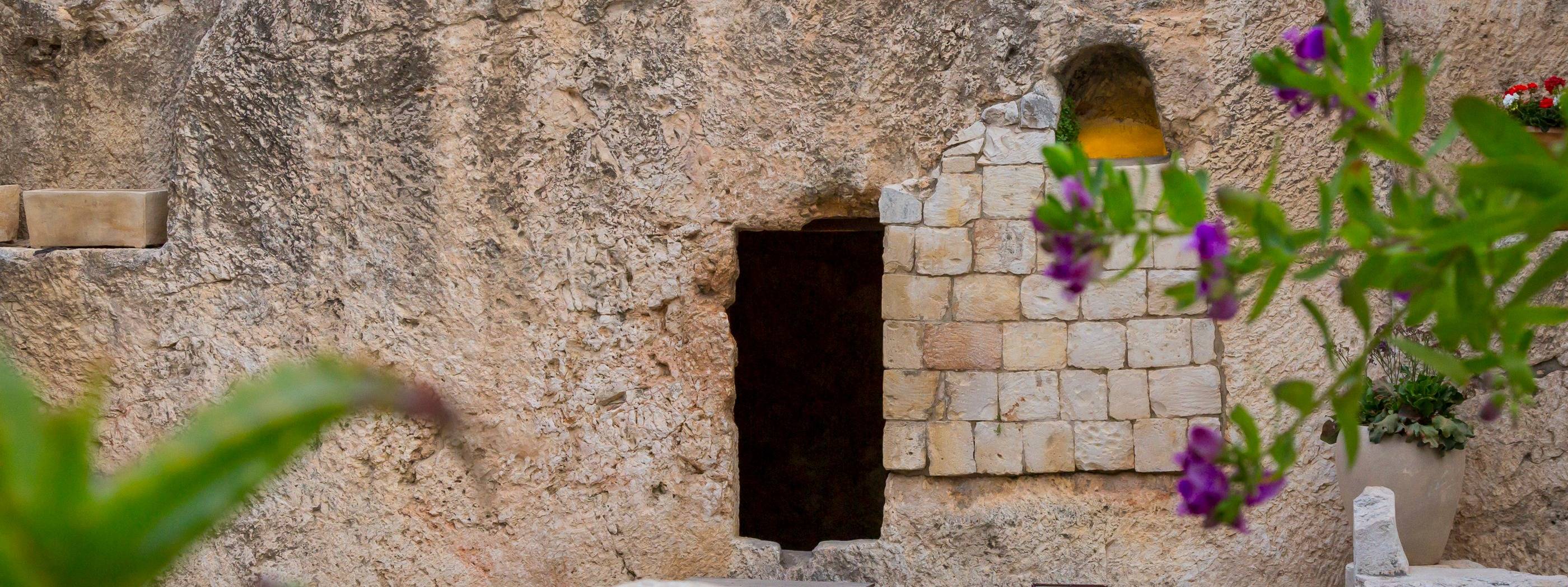
Landscape of Cyprus
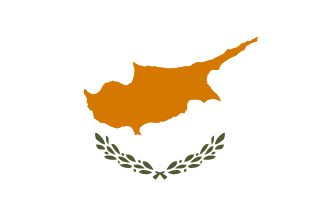
Flag of Cyprus

Cyprus

Europe

Cyprus is an island country located in the eastern Mediterranean Sea. The population of Cyprus is estimated to be around 1.2 million people. Additionally, the healthcare system in Cyprus is highly regarded, with modern facilities and skilled medical professionals. Overall, Cyprus is a wonderful destination that offers a great quality of life for its residents. The country's economy is thriving, with a strong focus on tourism, shipping, and services. Overall, Cyprus is a wonderful place to live or visit.

What would you like to learn about in Cyprus?

Select a section to explore the country where nonprofits are creating positive change.

About Cyprus

A former British colony, Cyprus became independent in 1960 following years of resistance to British rule. Tensions between the Greek Cypriot majority and Turkish Cypriot minority came to a head in December 1963, when violence broke out in the capital of Nicosia. Despite the deployment of UN peacekeepers in 1964, sporadic intercommunal violence continued forcing most Turkish Cypriots into enclaves throughout the island. In 1974, a Greek Government-sponsored attempt to seize control of Cyprus was met by military intervention from Turkey, which soon controlled more than a third of the island. In 1983, the Turkish Cypriot-occupied area declared itself the "Turkish Republic of Northern Cyprus" ("TRNC"), but it is recognized only by Turkey. The election of a new Cypriot president in 2008 served as the impetus for the UN to encourage both the Greek Cypriot and Turkish Cypriot communities to reopen unification negotiations. In September 2008, the leaders of the two communities began discussions under UN auspices aimed at reuniting the divided island. The talks are ongoing. The entire island entered the EU on 1 May 2004, although the EU acquis - the body of common rights and obligations - applies only to the areas under the internationally recognized government, and is suspended in the areas administered by Turkish Cypriots. However, individual Turkish Cypriots able to document their eligibility for Republic of Cyprus citizenship legally enjoy the same rights accorded to other citizens of European Union states.

Quick Facts

Population
1,155,403 (July 2013 est.)
Area
9,251 sq km (of which 3,355 sq km are in north Cyprus)
ISO Code
CY
Continent
Europe
Government
republic
Active Causes
12
View all countries in Europe

Geography & Environment

Climate

temperate; Mediterranean with hot, dry summers and cool winters

Terrain

central plain with mountains to north and south; scattered but significant plains along southern coast

Natural Resources

copper, pyrites, asbestos, gypsum, timber, salt, marble, clay earth pigment

Environmental Issues

water resource problems (no natural reservoir catchments, seasonal disparity in rainfall, sea water intrusion to island's largest aquifer, increased salination in the north); water pollution from sewa...

People & Society

78.17 years
Avg. Life Expectancy
98.7%
Literacy Rate
70.5% of total population (2011)
Total Urban Population

Languages

Greek (official), Turkish (official), English

Religions

Greek Orthodox 78%, Muslim 18%, other (includes Maronite and Armenian Apostolic) 4%

Health Expenditure

6% of GDP (2010) of GDP

Education Expenditure

7.9% of GDP (2009) of GDP

Economy

$27,500
GDP per Capita (PPP)
11.9%
Unemployment Rate
NA%
Below Poverty Line

Economic Overview

The area of the Republic of Cyprus under government control has a market economy dominated by the service sector, which accounts for four-fifths of GDP. Tourism, financial services, and real estate are the most important sectors. Erratic growth rates over the past decade reflect the economy's reliance on tourism, the profitability of which can fluctuate with political instability in the region and economic conditions in Western Europe. Nevertheless, the economy in the area under government control has grown at a rate well above the EU average since 2000. Cyprus joined the European Exchange Rat...

Causes in Cyprus

Family

Family plays a crucial role in Cypriot society, influencing various aspects of life in Cyprus. The strong emphasis on family ties is deeply rooted in the country's cultural and traditional values. In Cyprus, families are typically close-knit, with multiple generations often residing together or in close proximity. Family members provide emotional support, financial assistance, and care for one another throughout their lives. Moreover, family gatherings and celebrations hold significant importance, serving as occasions to strengthen bonds and maintain traditions. The concept of family extends beyond immediate relatives to include extended family members, creating a sense of community and belonging among Cypriots. Overall, the value placed on family in Cyprus fosters unity, solidarity, and mutual respect among individuals within society.

Human Rights

Cyprus, a country in the Eastern Mediterranean region, has a complex history intertwined with issues related to Human Rights. The division of the island into the Republic of Cyprus and the self-declared Turkish Republic of Northern Cyprus has given rise to numerous human rights challenges. The ongoing dispute has led to violations such as restrictions on freedom of movement, property rights, and discrimination based on ethnicity. In addition, there have been reports of human rights abuses concerning migrants and asylum seekers, particularly in relation to detention conditions and access to asylum procedures. The situation in Cyprus highlights the importance of upholding human rights principles to achieve lasting peace and stability on the island.

Education

Cyprus, an island nation in the Eastern Mediterranean, has a rich history and a diverse cultural heritage. Education plays a significant role in shaping the lives of its inhabitants and the overall development of the country. The education system in Cyprus follows a structured curriculum that aims to provide students with a well-rounded education from an early age. By investing in education, Cyprus is able to nurture its human capital, which is crucial for driving innovation, economic growth, and social progress. Access to quality education in Cyprus is considered a fundamental right, with both public and private institutions playing key roles in providing educational opportunities for students of all ages. Furthermore, education in Cyprus promotes critical thinking, cultural awareness, and helps build a skilled workforce that can contribute to the country's competitiveness in the global market.

Poverty

Poverty remains a significant issue in Cyprus, impacting various aspects of society. Despite being an EU member state, the country faces challenges in addressing poverty due to factors such as high unemployment rates, limited access to quality healthcare, and disparities in education. According to the European Commission, approximately 23% of the population in Cyprus is at risk of poverty or social exclusion. The economic downturn in recent years has further exacerbated this issue, leading to a rise in poverty levels. Vulnerable groups, including children and the elderly, are particularly affected by poverty, facing difficulties in meeting their basic needs. Addressing poverty in Cyprus requires a comprehensive approach that focuses on improving employment opportunities, enhancing social welfare programs, and promoting inclusive economic growth.

Religion

Religion plays a significant role in the social fabric of Cyprus, a country with a long history of diverse religious influences. The island is home to a mixed population of Greek Orthodox Christians, Sunni Muslims, Maronite Catholics, and Armenian Orthodox Christians. Religious practices and beliefs are deeply intertwined with cultural traditions and societal norms, shaping both individual identities and community dynamics. The historical and ongoing presence of various religious groups has at times led to tensions and conflicts, particularly in relation to issues such as property rights, cultural heritage, and political representation. Despite these challenges, Cyprus also serves as a unique example of religious coexistence and dialogue, with interfaith initiatives and efforts towards reconciliation playing a crucial role in fostering understanding and harmony among different religious communities on the island.

Clean Water

Cyprus, an island nation in the Eastern Mediterranean, faces significant challenges in ensuring access to clean water for its population. With a semi-arid climate and limited freshwater resources, Cyprus relies heavily on groundwater and desalination plants to meet its water needs. However, over-extraction of groundwater, pollution from agriculture and urban areas, and the impacts of climate change have put pressure on the country's water sources. As a result, Cyprus experiences water scarcity and quality issues, affecting public health, agriculture, and the environment. Ensuring access to clean water is crucial for Cyprus to sustain its population and ecosystems. Collaboration between government agencies, stakeholders, and the public is essential to address these challenges and promote sustainable water management practices in Cyprus.

Economy

Cyprus, an island nation in the eastern Mediterranean, boasts a diverse economy with key sectors including tourism, shipping, and services. However, the country's economy has faced challenges, particularly due to its reliance on external factors such as global economic trends and geopolitical instability in the region. The 2013 financial crisis had a significant impact on Cyprus, leading to a bailout package from the European Union and the International Monetary Fund. This event highlighted the vulnerabilities of the Cypriot economy and underscored the importance of structural reforms to ensure its resilience in the face of external shocks. Despite these challenges, Cyprus has shown resilience and is working towards diversifying its economy to reduce dependency on traditional sectors. As a small island nation with limited natural resources, Cyprus continues to navigate economic challenges while striving for sustainable growth and development.

Government

Cyprus, a small island nation in the Mediterranean, is deeply influenced by the role of its government in various aspects of its society and economy. The government of Cyprus plays a crucial role in shaping the country's policies on areas such as taxation, healthcare, education, infrastructure development, and foreign relations. With a unitary presidential constitutional republic system in place, Cyprus has a government structure that consists of three branches: executive, legislative, and judiciary. The government's decisions and actions have a direct impact on the well-being of its citizens, the business environment, and the overall stability and development of the country. Government policies on issues such as tourism promotion, investment incentives, environmental protection, and social welfare programs significantly shape the quality of life in Cyprus.

Health

Health is a significant concern in Cyprus, with various factors influencing the well-being of its population. One key issue impacting the health of Cypriots is the high prevalence of non-communicable diseases, such as cardiovascular diseases, diabetes, and cancer. Unhealthy lifestyle choices, including poor diet, lack of physical activity, and smoking, contribute to the increasing burden of these conditions. Additionally, mental health is a growing concern in Cyprus, with rising rates of anxiety and depression among its citizens. Access to healthcare services also plays a crucial role in determining the overall health outcomes in the country, with disparities existing between urban and rural areas. Addressing these challenges requires a comprehensive approach that focuses on promoting healthy behaviors, improving healthcare infrastructure, and increasing mental health support services.

Children

Cyprus, a Mediterranean island nation, is home to a population deeply influenced by its social and cultural dynamics. The impact of children on Cyprus is multifaceted, shaping the country's future and societal fabric. Children in Cyprus face various challenges, including poverty, limited access to education, and inadequate healthcare services. The well-being of children in Cyprus is crucial for the nation's development, as they represent the future workforce and leaders of the country. By investing in children's education, healthcare, and overall welfare, Cyprus can ensure a prosperous and sustainable future for all its citizens.

Environment

Cyprus, an island nation in the eastern Mediterranean, is uniquely vulnerable to environmental challenges due to its geographical location and limited natural resources. The environment plays a significant role in the lives of Cypriots, influencing their economy, health, and overall well-being. Climate change poses a major threat to Cyprus, leading to increased temperatures, water scarcity, and more frequent extreme weather events such as droughts and wildfires. Deforestation, soil erosion, and pollution from industrial activities further exacerbate environmental degradation on the island. These issues not only impact the natural ecosystems of Cyprus but also have profound implications for its residents, including threats to agriculture, public health, and overall quality of life. It is crucial for policymakers and citizens alike to prioritize sustainable practices and conservation efforts to safeguard Cyprus's environment for future generations.

Animals

Cyprus, a Mediterranean island nation with a rich cultural heritage, is facing significant challenges in wildlife conservation. The impact of animals on Cyprus is profound, as the island is home to various unique species that are increasingly threatened by habitat loss, climate change, and illegal hunting practices. Iconic animals such as the endangered Mediterranean monk seal and the critically endangered loggerhead sea turtle face an uncertain future due to human activities. Additionally, migratory birds passing through Cyprus during their annual journeys often fall victim to illegal trapping and hunting, further endangering their populations. Efforts by local authorities and conservation organizations are underway to protect these vulnerable species, but more awareness and action are needed to ensure the long-term survival of Cyprus' diverse wildlife.

Nonprofits Working in Cyprus

Discover organizations making a difference in Cyprus

Make Your Impact Today

Discover causes you care about and support the nonprofits making a difference in communities around the world.

Are you a nonprofit? Join Project World Impact for free

Join Us Free