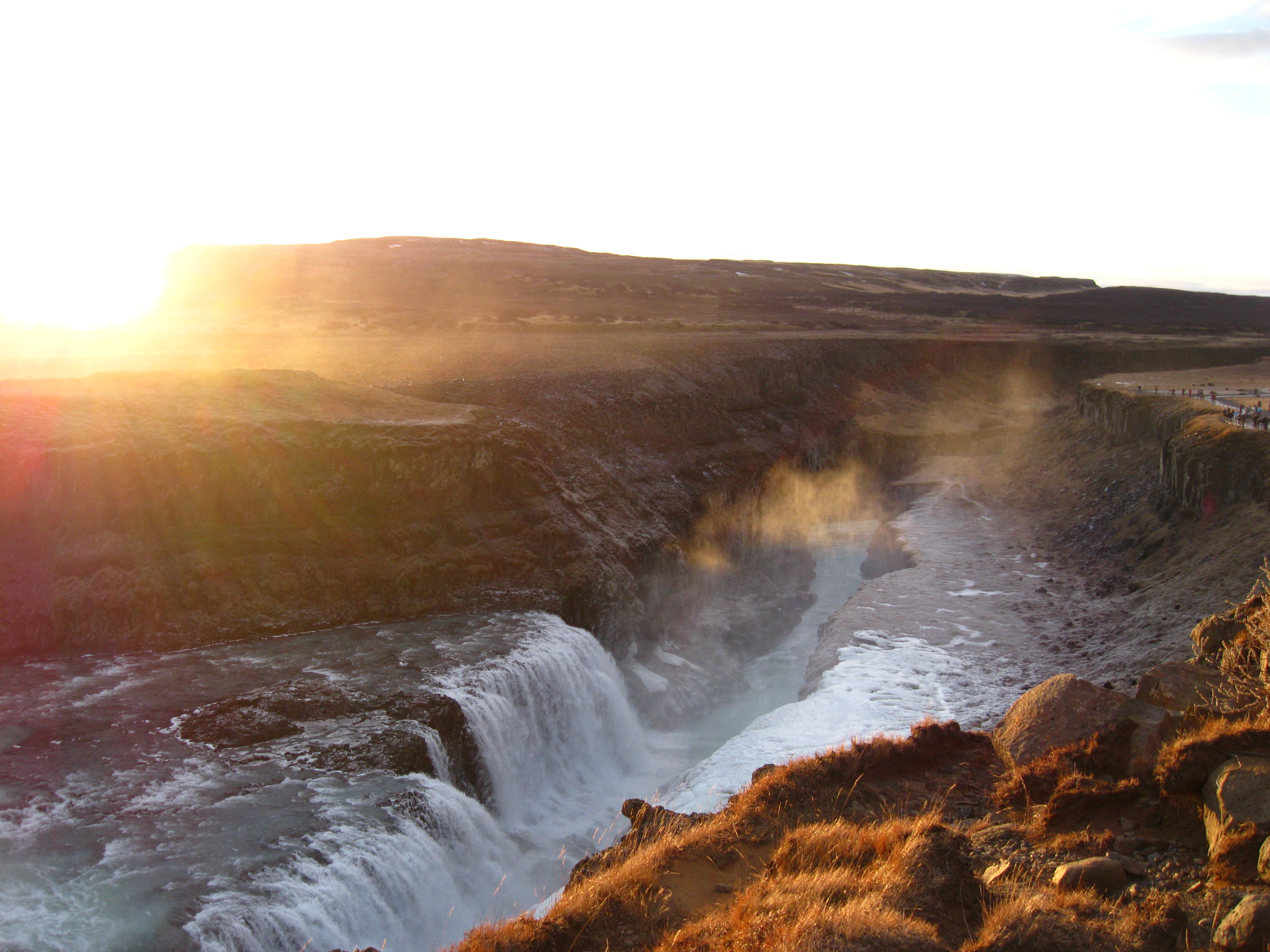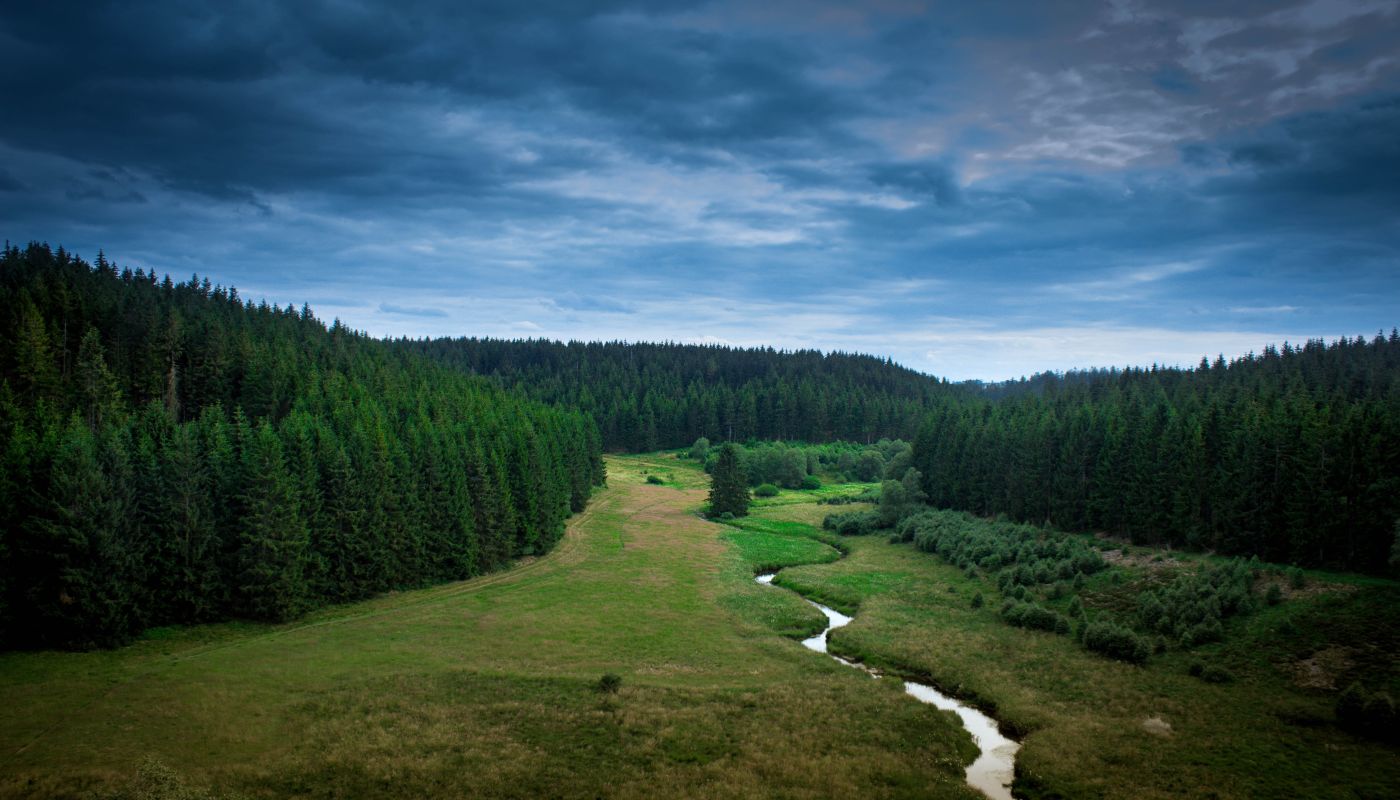
Landscape of Belgium
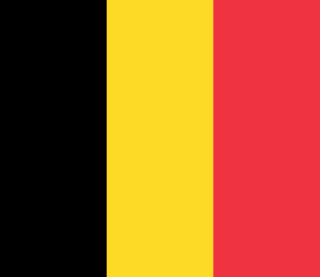
Flag of Belgium

Belgium

Europe

Belgium has a high population density of around 375 people per square kilometer, making it one of the most densely populated countries in Europe. However, this doesn't deter the country from being a leader in many aspects. The country's strategic location, with access to major European markets, has contributed to its economic success, and it is also known for its world-class ports and transportation infrastructure. From the stunning medieval city of Bruges to the vibrant city of Brussels, there is something for everyone in Belgium. The country is also known for its delicious chocolates, waffles, and beer, which are enjoyed by people all over the world. In summary, Belgium is a small but mighty country, known for its strong economy, excellent education system, rich culture, and beautiful landscapes. It is a great place to visit, work, and live, and is a shining example of what a small country can achieve.

What would you like to learn about in Belgium?

Select a section to explore the country where nonprofits are creating positive change.

About Belgium

Belgium became independent from the Netherlands in 1830; it was occupied by Germany during World Wars I and II. The country prospered in the past half century as a modern, technologically advanced European state and member of NATO and the EU. Tensions between the Dutch-speaking Flemings of the north and the French-speaking Walloons of the south have led in recent years to constitutional amendments granting these regions formal recognition and autonomy. Its capital, Brussels, is home to numerous international organizations including the EU and NATO.

Quick Facts

Population
10,444,268 (July 2013 est.)
Area
30,528 sq km
ISO Code
BE
Continent
Europe
Government
federal parliamentary democracy under a constitutional monarchy
Active Causes
12
View all countries in Europe

Geography & Environment

Climate

temperate; mild winters, cool summers; rainy, humid, cloudy

Terrain

flat coastal plains in northwest, central rolling hills, rugged mountains of Ardennes Forest in southeast

Natural Resources

construction materials, silica sand, carbonates

Environmental Issues

the environment is exposed to intense pressures from human activities: urbanization, dense transportation network, industry, extensive animal breeding and crop cultivation; air and water pollution als...

People & Society

79.78 years
Avg. Life Expectancy
99%
Literacy Rate
97% of total population (2010)
Total Urban Population

Languages

Dutch (official) 60%, French (official) 40%, German (official) less than 1%, legally bilingual (Dutch and French)

Religions

Roman Catholic 75%, other (includes Protestant) 25%

Health Expenditure

10.7% of GDP (2010) of GDP

Education Expenditure

6.6% of GDP (2009) of GDP

Economy

$38,500
GDP per Capita (PPP)
7.6%
Unemployment Rate
15.2% (2007 est.)
Below Poverty Line

Economic Overview

This modern, open, and private-enterprise-based economy has capitalized on its central geographic location, highly developed transport network, and diversified industrial and commercial base. Industry is concentrated mainly in the more heavily-populated region of Flanders in the north. With few natural resources, Belgium imports substantial quantities of raw materials and exports a large volume of manufactures, making its economy vulnerable to volatility in world markets. Roughly three-quarters of Belgium's trade is with other EU countries, and Belgium has benefited most from its proximity to...

Causes in Belgium

Environment

Belgium, a small country in Western Europe, is significantly impacted by environmental factors that pose challenges to its citizens and ecosystems. Despite its size, Belgium faces issues such as air pollution, water contamination, and biodiversity loss. The country's heavy reliance on fossil fuels for energy production has led to high levels of air pollution, affecting the health of its population and contributing to climate change. Additionally, industrial activities and urbanization have resulted in water pollution, diminishing the quality of water bodies in Belgium. Furthermore, the loss of natural habitats due to urban expansion has led to a decline in biodiversity, threatening the survival of various plant and animal species. These environmental concerns highlight the urgent need for sustainable practices and policies to mitigate the impact on Belgium's environment and safeguard the well-being of its inhabitants.

Family

In Belgium, family plays a significant role in shaping individuals and society as a whole. The Belgian culture places great emphasis on familial bonds, with strong ties to one's relatives being a cornerstone of social life. Families in Belgium often gather for regular meals and celebrations, fostering close relationships and providing a sense of support and belonging. This emphasis on family values has been shown to have a positive impact on mental health and well-being, as individuals with strong family connections tend to experience lower levels of stress and greater overall satisfaction in life. Furthermore, the support and care provided by families in Belgium often extend beyond the immediate household, with extended family members playing an important role in providing assistance and guidance. Overall, the influence of family in Belgium is profound, contributing to the cohesion and resilience of Belgian society as a whole.

Human Rights

Belgium, a country located in Western Europe, is home to a population of over 11 million people. When examining the impact of Human Rights in Belgium, it is important to note that the country upholds a strong commitment to human rights principles. As a member of the European Union and the Council of Europe, Belgium is bound by international human rights treaties and conventions. The Belgian Constitution guarantees fundamental rights, such as the right to life, freedom of expression, and equality before the law. However, challenges persist in ensuring full respect for human rights, particularly in areas such as discrimination, migration policies, and treatment of refugees. By advocating for the protection and promotion of human rights in Belgium, individuals and organizations can contribute to fostering a society based on equality, dignity, and justice.

Education

Belgium, a country known for its rich history and diverse culture, places a high value on education as a key driver of social and economic progress. The Belgian education system is highly regarded for its quality and accessibility, with a strong focus on providing equal opportunities for all students. Education in Belgium is compulsory for children between the ages of six and 18, ensuring that every individual has access to foundational knowledge and skills necessary for personal development and success in an increasingly competitive global economy. The government invests significantly in education, with public spending on education amounting to around 6% of the country's GDP, demonstrating its commitment to providing a high standard of education for its citizens. Through its comprehensive education system, Belgium aims to equip its population with the tools needed to thrive in the modern world and contribute meaningfully to society.

Poverty

Belgium, a prosperous European country, is not immune to the scourge of poverty. Despite its high standard of living and strong social welfare system, poverty remains a significant issue affecting a notable proportion of its population. According to recent data from Eurostat, approximately 15% of Belgians are at risk of poverty or social exclusion, with vulnerable groups such as single parents and immigrants being particularly affected. The factors contributing to poverty in Belgium are multifaceted, including high unemployment rates, low wages, inadequate social benefits, and rising housing costs. The impact of poverty in Belgium is far-reaching, affecting individuals' access to education, healthcare, and overall well-being. Addressing poverty requires a comprehensive approach involving social policies, employment opportunities, and support for vulnerable groups to create a more inclusive society in Belgium.

Religion

Religion in Belgium plays a significant role in shaping the cultural and social landscape of the country. Belgium is known for its religious diversity, with the majority of the population identifying as Roman Catholic. However, in recent years, there has been a noticeable decline in religious affiliation among the Belgian population, with a growing number of people identifying as non-religious or atheist. This shift in religious demographics has led to changes in societal norms and values, impacting areas such as education, healthcare, and politics. Despite this trend, Belgium remains a country where religious freedom is respected, and individuals are free to practice their faith without interference from the state. It is important to recognize the evolving religious landscape in Belgium and its implications for society as a whole.

Clean Water

Belgium, a country located in Western Europe, is known for its rich history, diverse culture, and economic prosperity. Despite its developed infrastructure and high standard of living, access to clean water remains a pressing issue in certain regions of Belgium. The quality of water sources, such as rivers and groundwater, is crucial for public health and the environment. Contamination from agricultural runoff, industrial activities, and urbanization poses significant challenges to ensuring clean water for all residents. The impact of water pollution in Belgium includes potential health risks, harm to aquatic ecosystems, and threats to biodiversity. Recognizing the importance of clean water, efforts have been made by government authorities, NGOs, and community initiatives to improve water quality through regulations, monitoring systems, and sustainable practices.

Economy

Belgium, a small country in Western Europe, boasts a strong and diverse economy that plays a crucial role in shaping its societal fabric. With a highly developed infrastructure and strategic location at the heart of Europe, Belgium serves as a key hub for international trade and commerce. The country's economy is characterized by a mix of advanced manufacturing, services, and high-tech industries, with a notable presence in sectors such as pharmaceuticals, automotive, and food processing. Additionally, Belgium is home to the headquarters of several major international organizations, further bolstering its economic significance on the global stage. However, like many nations, Belgium faces challenges such as an aging population, rising public debt, and the need for sustainable economic growth. Addressing these issues will be paramount in ensuring Belgium's continued prosperity and stability in the years to come.

Government

Belgium, located in Western Europe, is a country known for its multicultural population, historical landmarks, and strong economy. The government of Belgium plays a significant role in shaping the nation's political landscape and influencing its citizens' daily lives. The country operates as a federal constitutional monarchy with a parliamentary system, where the King serves as the head of state, and the Prime Minister leads the government. The Belgian government is structured into three main levels: federal, regional, and community governments. Each level has its own set of responsibilities, including matters related to national defense, education, healthcare, and regional development. The impact of the government on Belgium is profound, as it sets policies, enacts laws, and allocates resources that directly affect the well-being and prosperity of its people.

Health

Belgium, a Western European country known for its rich cultural heritage and diverse population, faces significant challenges in the realm of public health. The nation grapples with issues such as rising obesity rates, an aging population, mental health concerns, and the increasing prevalence of chronic diseases. These factors not only strain the healthcare system but also have profound implications for the overall well-being of Belgian citizens. The impact of these health issues is evident in reduced life expectancy, decreased quality of life, and increased healthcare costs. Addressing these challenges requires a comprehensive approach that focuses on prevention, early intervention, and access to high-quality healthcare services for all individuals. By raising awareness and promoting healthy lifestyles, Belgium can work towards improving the health outcomes of its population and building a more resilient society.

Children

Belgium is a country with a strong focus on the well-being of children, as evidenced by its comprehensive child protection laws and social services. Despite these efforts, children in Belgium still face various challenges that impact their lives. One significant issue is poverty, which affects approximately one in five children in the country. Poverty can lead to inadequate access to education, healthcare, and proper nutrition, ultimately hindering children's overall development and future opportunities. Additionally, mental health issues among children are a growing concern in Belgium, with an increasing number of young individuals experiencing anxiety, depression, and other psychological problems. These issues highlight the importance of ongoing support and resources for children in Belgium to ensure their well-being and development.

Animals

Belgium, a country known for its rich history and vibrant culture, also faces challenges related to animal welfare. Animals in Belgium are impacted by various factors such as industrial farming practices, inadequate regulations, and illegal wildlife trade. The industrial farming industry in Belgium has raised concerns about animal welfare, with issues such as overcrowding, lack of access to outdoor spaces, and use of antibiotics being prevalent. Additionally, the illegal wildlife trade poses a threat to various species in the country, affecting their populations and ecosystems. Despite efforts to improve animal welfare laws and regulations in recent years, there is still work to be done to ensure the well-being of animals in Belgium.

Nonprofits Working in Belgium

Discover organizations making a difference in Belgium

CORDELL HULL FOUNDATION FOR INTERNATIONAL EDUCATION

CORDELL HULL FOUNDATION FOR INTERNATIONAL EDUCATION

The Cordell Hull Foundation, a nonprofit 501(c)(3) corporation, is active in sponsoring exchange programs for qualifying teachers from six continents. Currently, teachers hail from more than fifty countries including Argentina, Australia, Austria, Belgium, Bolivia, Brazil, Botswana, Bulgaria, Canada, Chile, China, Colombia, Costa Rica, Croatia, The Czech Republic, Denmark, The Dominican Republic, El Salvador, Ecuador, England, France, Germany, Greece, Guatemala, Honduras, Hungary, India, Ireland, Italy, Japan, Korea, Lebanon, Luxembourg, Mexico, Nepal, The Netherlands, Nicaragua, Nigeria, Panama, Peru, Russia, South Africa, Scotland, Spain, Sri Lanka, Switzerland, Taiwan, Thailand, Turkey, Ukraine, Uruguay, Venezuela, and Wales. After enjoying the experience of teaching in the United States on a temporary basis, program participants return home to share wonderful memories and positive feedback on American culture.

New York, New York

Make Your Impact Today

Discover causes you care about and support the nonprofits making a difference in communities around the world.

Are you a nonprofit? Join Project World Impact for free

Join Us Free