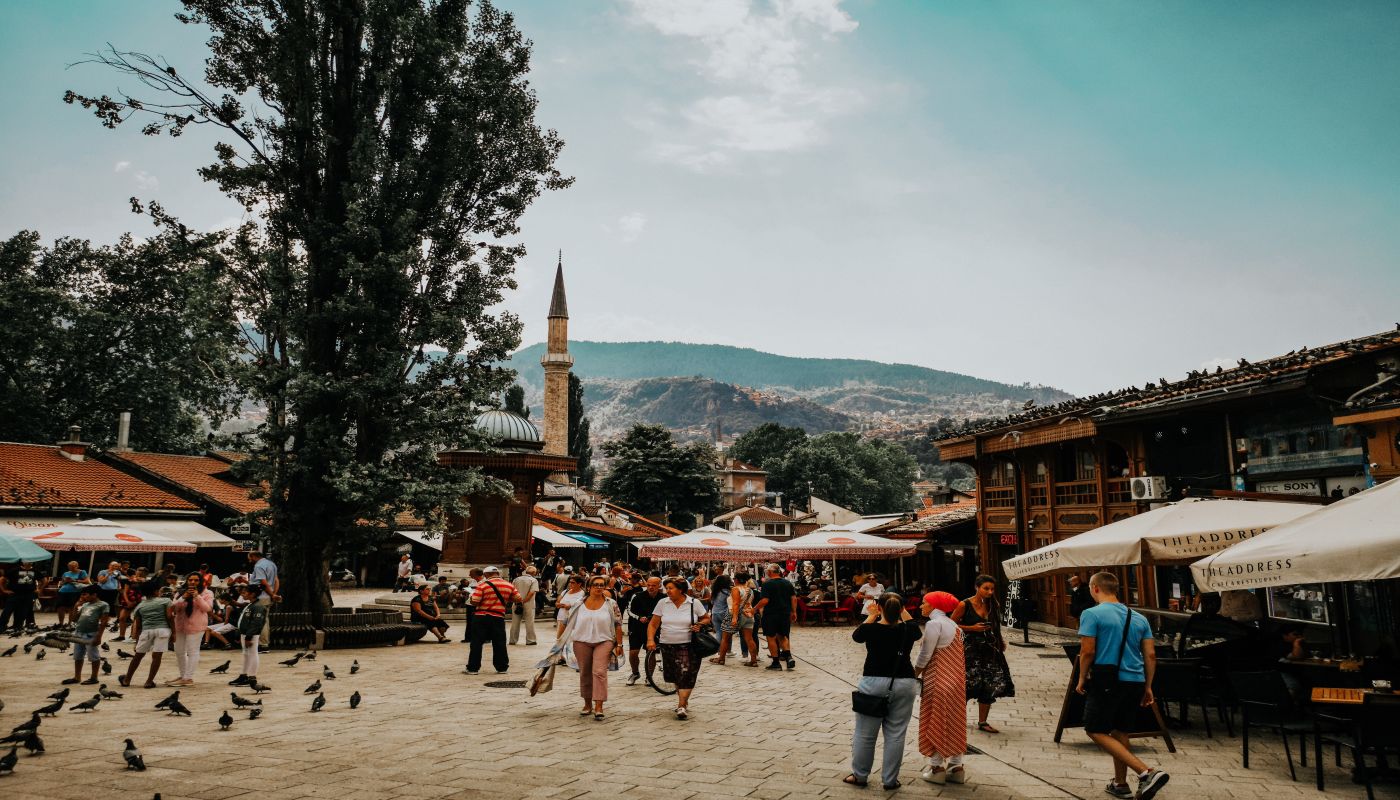
Landscape of Bosnia and Herzegovina
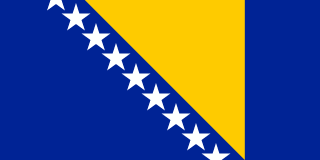
Flag of Bosnia and Herzegovina

Bosnia and Herzegovina

Europe

Bosnia and Herzegovina is a stunning country located in southeastern Europe.Geographically, Bosnia and Herzegovina is located in the heart of the Balkan Peninsula and is bordered by Croatia to the north, Serbia to the east, and Montenegro to the southeast. The country is home to the beautiful Dinaric Alps, which stretch across the western and southwestern parts of the country, providing visitors with breathtaking views and incredible outdoor recreation opportunities. The population of Bosnia and Herzegovina is around 3.3 million people, with the majority of the population being Bosniaks, followed by Serbs and Croats. The country's official languages are Bosnian, Serbian, and Croatian. The country has also invested in upgrading its transportation systems, including road and rail networks, to better connect its cities and improve trade routes. Additionally, Bosnia and Herzegovina has made progress in improving access to education and healthcare, as well as supporting marginalized communities. With these positive developments, Bosnia and Herzegovina is well-positioned to continue its growth.

What would you like to learn about in Bosnia and Herzegovina?

Select a section to explore the country where nonprofits are creating positive change.

About Bosnia and Herzegovina

Bosnia and Herzegovina's declaration of sovereignty in October 1991 was followed by a declaration of independence from the former Yugoslavia on 3 March 1992 after a referendum boycotted by ethnic Serbs. The Bosnian Serbs - supported by neighboring Serbia and Montenegro - responded with armed resistance aimed at partitioning the republic along ethnic lines and joining Serb-held areas to form a "Greater Serbia." In March 1994, Bosniaks and Croats reduced the number of warring factions from three to two by signing an agreement creating a joint Bosniak/Croat Federation of Bosnia and Herzegovina. On 21 November 1995, in Dayton, Ohio, the warring parties initialed a peace agreement that brought to a halt three years of interethnic civil strife (the final agreement was signed in Paris on 14 December 1995). The Dayton Peace Accords retained Bosnia and Herzegovina's international boundaries and created a multi-ethnic and democratic government charged with conducting foreign, diplomatic, and fiscal policy. Also recognized was a second tier of government composed of two entities roughly equal in size: the Bosniak/Bosnian Croat Federation of Bosnia and Herzegovina and the Bosnian Serb-led Republika Srpska (RS). The Federation and RS governments are responsible for overseeing most government functions. Additionally, the Dayton Accords established the Office of the High Representative (OHR) to oversee the implementation of the civilian aspects of the agreement. The Peace Implementation Council (PIC) at its conference in Bonn in 1997 also gave the High Representative the authority to impose legislation and remove officials, the so-called "Bonn Powers." An original NATO-led international peacekeeping force (IFOR) of 60,000 troops assembled in 1995 was succeeded over time by a smaller, NATO-led Stabilization Force (SFOR). In 2004, European Union peacekeeping troops (EUFOR) replaced SFOR. Currently EUFOR deploys around 600 troops in theater in a policing capacity.
Quick Facts

Population
3,875,723 (July 2013 est.)
Area
51,197 sq km
ISO Code
BA
Continent
Europe
Government
emerging federal democratic republic
Active Causes
12
View all countries in Europe

Geography & Environment

Climate

hot summers and cold winters; areas of high elevation have short, cool summers and long, severe winters; mild, rainy winters along coast

Terrain

mountains and valleys

Natural Resources

coal, iron ore, bauxite, copper, lead, zinc, chromite, cobalt, manganese, nickel, clay, gypsum, salt, sand, timber, hydropower

Environmental Issues

air pollution from metallurgical plants; sites for disposing of urban waste are limited; water shortages and destruction of infrastructure because of the 1992-95 civil strife; deforestation

People & Society

76.12 years
Avg. Life Expectancy
98%
Literacy Rate
49% of total population (2010)
Total Urban Population

Languages

Bosnian (official), Croatian (official), Serbian

Religions

Muslim 40%, Orthodox 31%, Roman Catholic 15%, other 14%

Health Expenditure

11.1% of GDP (2010) of GDP

Education Expenditure

NA of GDP

Economy

$8,400
GDP per Capita (PPP)
43.3%
Unemployment Rate
18.6% (2007 est.)
Below Poverty Line

Economic Overview

Bosnia has a transitional economy with limited market reforms. The economy relies heavily on the export of metals as well as on remittances and foreign aid. A highly decentralized government hampers economic policy coordination and reform, while excessive bureaucracy and a segmented market discourage foreign investment. The interethnic warfare in Bosnia and Herzegovina caused production to plummet by 80% from 1992 to 1995 and unemployment to soar. With an uneasy peace in place, output recovered in 1996-99 but slowed in 2000-02 and picked up again during 2003-08, when GDP growth exceeded 5% per...

Causes in Bosnia and Herzegovina

Environment

Bosnia and Herzegovina, a country in southeastern Europe, faces various environmental challenges that significantly impact its population and natural resources. The country's industrial sector, coupled with outdated infrastructure and inadequate waste management practices, has led to air and water pollution issues. Deforestation, soil erosion, and improper land use also contribute to the degradation of Bosnia and Herzegovina's environment. These environmental issues not only pose health risks to the population but also threaten biodiversity and the sustainability of ecosystems in the region. Urgent measures are required to address these challenges and promote sustainable development for the benefit of current and future generations in Bosnia and Herzegovina.

Family

In Bosnia and Herzegovina, family holds a central place in the cultural fabric of society, shaping individual identities and societal structures. The concept of family extends beyond nuclear relations to include extended family members, creating a strong sense of interconnectedness and mutual support within the community. Family plays a crucial role in providing emotional, financial, and social support to its members, particularly in times of hardship or crisis. The emphasis on family ties influences various aspects of life in Bosnia and Herzegovina, from decision-making processes to social norms and values. Furthermore, familial relationships are often prioritized over individual needs, contributing to a collective mindset that values unity and solidarity. Understanding the significance of family dynamics in Bosnia and Herzegovina is essential for appreciating the country's rich culture and traditions.

Human Rights

Bosnia and Herzegovina, located in Southeastern Europe, has faced significant challenges in upholding human rights due to its complex history of ethnic conflicts and political instability. The country's diverse population comprises Bosniaks, Croats, and Serbs, leading to a fragile balance that has often been marred by discrimination and violations of basic human rights. War crimes committed during the 1990s Bosnian War still echo throughout society, contributing to persistent issues such as discrimination against minorities, lack of access to justice, and inadequate protection of freedoms such as freedom of speech and assembly. Human rights organizations continue to work tirelessly to address these pressing issues and advocate for the protection of all individuals in Bosnia and Herzegovina, promoting equality, justice, and respect for human dignity.

Education

Bosnia and Herzegovina, located in Southeastern Europe, faces numerous challenges in its education system that significantly impact the country's development and future prospects. The educational landscape in Bosnia and Herzegovina is marked by a fragmented and segregated system, reflecting the ethnic divisions prevalent in the country. This segregation not only perpetuates social divides but also hinders the overall quality of education and opportunities for young people. Furthermore, inadequate funding and outdated infrastructure pose additional barriers to providing quality education for all children in Bosnia and Herzegovina. Addressing these issues is crucial to fostering a more inclusive society and ensuring equal opportunities for all citizens.

Poverty

Bosnia and Herzegovina, a country in Southeastern Europe, faces significant challenges due to poverty. With a poverty rate of over 18%, many individuals and families struggle to meet their basic needs, such as food, shelter, and healthcare. The impact of poverty in Bosnia and Herzegovina is evident in the limited access to education and employment opportunities, leading to a cycle of intergenerational poverty. Additionally, the country's economy has been slow to recover from the effects of past conflicts, further exacerbating the issue of poverty. Addressing poverty in Bosnia and Herzegovina requires sustainable development strategies that focus on creating job opportunities, improving access to education and healthcare, and promoting social inclusion for all citizens.

Religion

Religion plays a significant role in the history and identity of Bosnia and Herzegovina, a country located in Southeastern Europe. The population of Bosnia and Herzegovina is diverse, with three main ethnic groups—Bosniaks, Serbs, and Croats—each adhering to different religions. Islam is the predominant religion among Bosniaks, Orthodox Christianity among Serbs, and Catholicism among Croats. This religious diversity has been a source of both harmony and conflict throughout the country's history, culminating in the devastating Bosnian War of the 1990s, which was fueled by ethnic and religious tensions. The legacy of this conflict continues to impact the country today, with religious differences often serving as a divisive force in politics and society. Despite these challenges, efforts are being made to promote interfaith dialogue and tolerance among the different religious communities in Bosnia and Herzegovina to foster peace and reconciliation.

Clean Water

Bosnia and Herzegovina, located in the Balkan region of southeastern Europe, faces significant challenges regarding access to clean water. Despite having abundant freshwater resources, the country struggles with outdated infrastructure, poor management practices, and industrial pollution, leading to water contamination and scarcity issues. The lack of proper sanitation facilities in rural areas further exacerbates these problems, posing serious health risks to the population. The impact of inadequate clean water access is particularly felt in marginalized communities, where waterborne diseases and infections are more prevalent. Addressing these issues through improved infrastructure development, effective water management strategies, and community education programs is crucial to ensuring a sustainable supply of clean water for all residents in Bosnia and Herzegovina.

Economy

Bosnia and Herzegovina, a country located in Southeastern Europe, has faced economic challenges that have greatly impacted its population. The economy of Bosnia and Herzegovina is characterized by high unemployment rates, particularly among the youth, political instability, and a reliance on foreign aid. The country's economy has been struggling to recover from the effects of the Bosnian War in the 1990s, which left the infrastructure in ruins and created deep ethnic divisions that continue to hinder economic progress. The lack of a unified government and conflicting interests among the constituent ethnic groups have further complicated efforts to implement effective economic policies. As a result, many Bosnians face limited job opportunities, low wages, and a lack of access to basic services, contributing to widespread poverty and social inequality in the country.

Government

Bosnia and Herzegovina, located in southeastern Europe, is a country with a complex political landscape shaped by its historical and cultural diversity. The government of Bosnia and Herzegovina plays a crucial role in governing the country, comprising multiple layers including two separate entities – the Federation of Bosnia and Herzegovina and Republika Srpska – as well as the Br?ko District. The government structure, established after the Bosnian War in the 1990s, is characterized by power-sharing arrangements among the three main ethnic groups – Bosniaks, Croats, and Serbs. However, this system has also led to political fragmentation and inefficiencies, hindering progress in key areas such as economic development, social welfare, and infrastructure improvement. The government's impact on Bosnia and Herzegovina is significant, influencing policies, legislation, and decision-making processes that directly affect the daily lives of its citizens. It is essential for the government to address these challenges and work towards fostering unity, stability, and prosperity for all residents of Bosnia and Herzegovina.

Health

Bosnia and Herzegovina, a country in Southeast Europe, faces significant health challenges that have a profound impact on its population. The country's healthcare system is strained due to limited resources, inadequate infrastructure, and a shortage of medical professionals. As a result, access to quality healthcare services is often restricted, particularly in rural areas. This has led to disparities in health outcomes among different socio-economic groups, with marginalized communities facing higher rates of illness and mortality. Additionally, Bosnia and Herzegovina continues to grapple with the legacy of the 1990s conflict, which has left a lasting impact on mental health issues such as post-traumatic stress disorder (PTSD) and depression among its citizens. Addressing these health challenges is crucial to improving the overall well-being of the population and ensuring a healthier future for Bosnia and Herzegovina.

Children

Bosnia and Herzegovina, a southeastern European country, has faced significant challenges in recent decades, including the impact on children. The country's turbulent history, marked by the Bosnian War in the 1990s, has left deep scars on its population, particularly its youth. Children in Bosnia and Herzegovina continue to face various issues such as poverty, limited access to quality education and healthcare, and psychological trauma resulting from the conflict. According to a report by UNICEF, around 25% of children in Bosnia and Herzegovina live below the poverty line, hindering their overall well-being and development. Additionally, the lack of adequate mental health support exacerbates the lasting effects of war-related trauma on children. It is crucial to prioritize interventions that address these challenges to ensure a brighter future for the children of Bosnia and Herzegovina.

Animals

Bosnia and Herzegovina, a country located in Southeastern Europe, is home to a diverse range of wildlife, including bears, wolves, lynx, and various bird species. The impact of animals in Bosnia and Herzegovina is significant, as the country's rich biodiversity plays a crucial role in maintaining ecosystem balance and supporting local communities. However, rapid urbanization, habitat destruction, poaching, and illegal wildlife trade pose serious threats to the country's wildlife population. Conservation efforts are essential to protect Bosnia and Herzegovina's unique fauna and flora for future generations to enjoy.

Nonprofits Working in Bosnia and Herzegovina

Discover organizations making a difference in Bosnia and Herzegovina

Rising International

Rising International

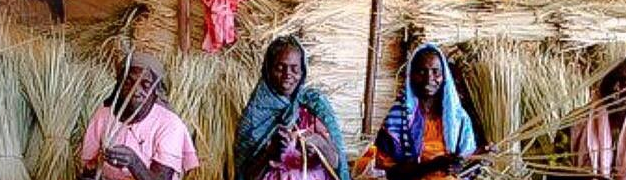
Our Unique Local-Global Solution Rising International is a nonprofit organization that has revolutionized the home party business model to alleviate poverty locally and globally. Think Avon or Tupperware for a social cause. We find the world’s most forgotten women (like Fatima) and enable them to change their destinies by selling their handmade crafts at Rising Home and Corporate Parties. We train women and teens, many un-employed or under- employed, (like Susana) to run their own Rising Home Party businesses and sell crafts made by their global sisters. We search the U.S. for party hosts (like Nancy) who invite friends to their homes to shop. Our sustainable model empowers both local and global entrepreneurs to rise above their circumstances.

Santa Cruz, California

Make Your Impact Today

Discover causes you care about and support the nonprofits making a difference in communities around the world.

Are you a nonprofit? Join Project World Impact for free

Join Us Free