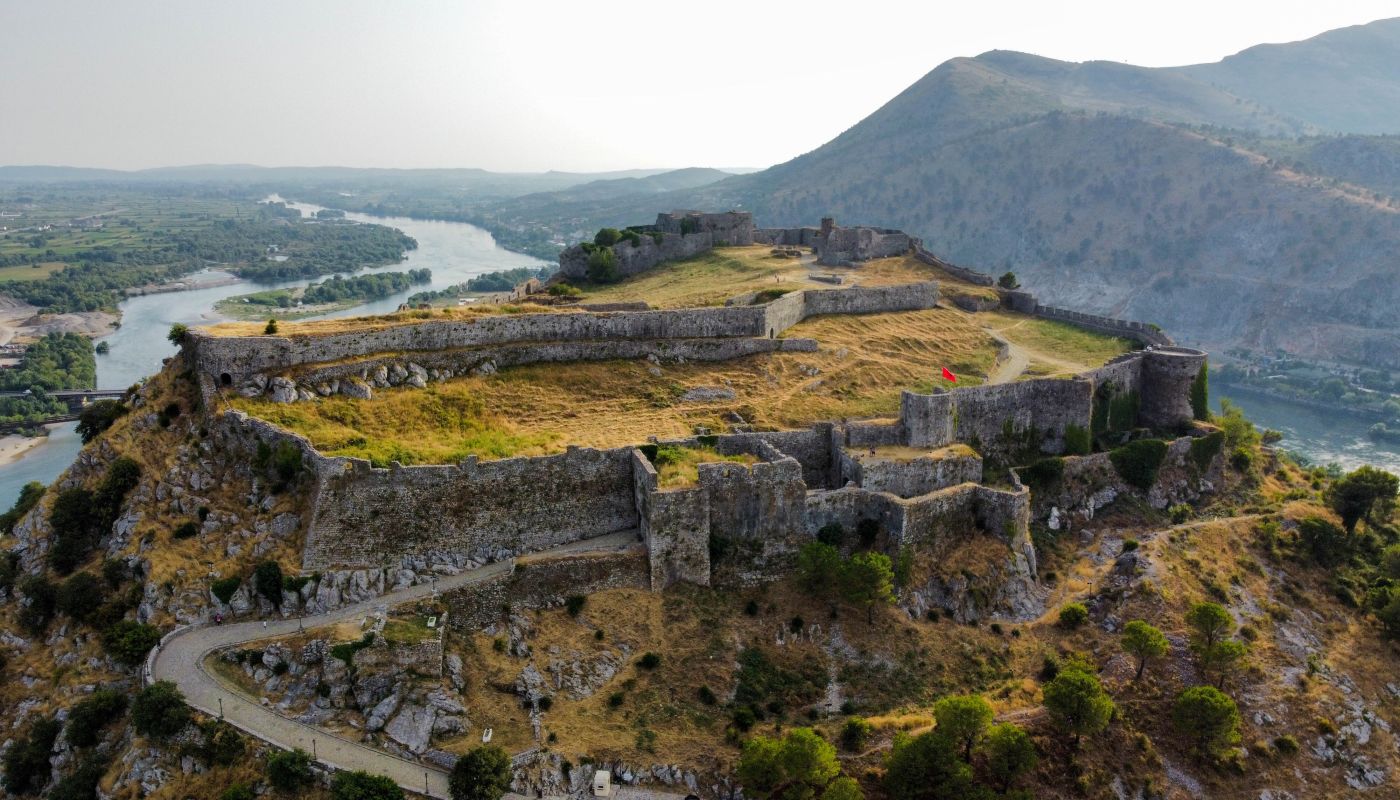
Landscape of Albania
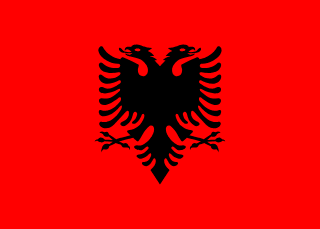
Flag of Albania

Albania

Europe

Albania is a small yet vibrant country located in Southeastern Europe, with a population of approximately 2.8 million people. While facing challenges in the past, Albania has made significant progress in recent years. The country has made strides in improving the rule of law, which has contributed to a more stable and attractive environment for foreign investors. Albania's economy has been growing at a steady pace, and the country has invested in infrastructure, particularly in transportation and tourism. Albania's natural beauty and rich history have made it an increasingly popular destination for travelers, further contributing to economic growth. While there are still areas in need of improvement, , Albania remains a country with great potential and a bright future.

What would you like to learn about in Albania?

Select a section to explore the country where nonprofits are creating positive change.

About Albania

Albania declared its independence from the Ottoman Empire in 1912, but was conquered by Italy in 1939. Communist partisans took over the country in 1944. Albania allied itself first with the USSR (until 1960), and then with China (to 1978). In the early 1990s, Albania ended 46 years of xenophobic communist rule and established a multiparty democracy. The transition has proven challenging as successive governments have tried to deal with high unemployment, widespread corruption, dilapidated infrastructure, powerful organized crime networks, and combative political opponents. Albania has made progress in its democratic development since first holding multiparty elections in 1991, but deficiencies remain. International observers judged elections to be largely free and fair since the restoration of political stability following the collapse of pyramid schemes in 1997; however, each of Albania's post-communist elections have been marred by claims of electoral fraud. The 2009 general elections resulted in a coalition government, the first such in the country's history. Albania joined NATO in April 2009 and is a potential candidate for EU accession. Although Albania's economy continues to grow, the country is still one of the poorest in Europe, hampered by a large informal economy and an inadequate energy and transportation infrastructure.

Quick Facts

Population
3,011,405 (July 2013 est.)
Area
28,748 sq km
ISO Code
AL
Continent
Europe
Government
parliamentary democracy
Active Causes
12
View all countries in Europe

Geography & Environment

Climate

mild temperate; cool, cloudy, wet winters; hot, clear, dry summers; interior is cooler and wetter

Terrain

mostly mountains and hills; small plains along coast

Natural Resources

petroleum, natural gas, coal, bauxite, chromite, copper, iron ore, nickel, salt, timber, hydropower

Environmental Issues

deforestation; soil erosion; water pollution from industrial and domestic effluents

People & Society

77.77 years
Avg. Life Expectancy
96.8%
Literacy Rate
52% of total population (2010)
Total Urban Population

Languages

Albanian (official - derived from Tosk dialect), Greek, Vlach, Romani, Slavic dialects

Religions

Muslim 70%, Albanian Orthodox 20%, Roman Catholic 10%

Health Expenditure

6.6% of GDP (2010) of GDP

Education Expenditure

NA of GDP

Economy

$8,200
GDP per Capita (PPP)
13.3%
Unemployment Rate
12.5% (2008 est.)
Below Poverty Line

Economic Overview

Albania, a formerly closed, centrally-planned state, is making the difficult transition to a more modern open-market economy. Macroeconomic growth averaged around 6% between 2004-08, but declined to about 3% in 2009-11, and 0.5% in 2012. Inflation is low and stable. The government has taken measures to curb violent crime, and recently adopted a fiscal reform package aimed at reducing the large gray economy and attracting foreign investment. Remittances, a significant catalyst for economic growth declined from 12-15% of GDP before the 2008 financial crisis to 8% of GDP in 2010, mostly from Alba...

Causes in Albania

Environment

Albania, a country located in Southeastern Europe, is known for its stunning landscapes and rich biodiversity. However, the environment in Albania is facing numerous challenges that are impacting the country and its people. Deforestation, soil erosion, water pollution, and inadequate waste management practices are some of the key environmental issues plaguing Albania. These issues not only harm the natural habitats and wildlife but also pose a threat to human health and well-being. For instance, water pollution from industrial activities and agricultural runoff contaminates drinking water sources, leading to health problems among the population. Additionally, deforestation and soil erosion contribute to landslides and flooding, endangering communities and infrastructure. It is crucial for Albania to address these environmental challenges through sustainable practices and policies to protect its natural resources and ensure a healthy environment for current and future generations.

Family

In Albania, family plays a central role in shaping societal structures and individual identities. The concept of family extends beyond the nuclear unit to encompass an extensive network of relatives, with strong emphasis placed on loyalty, support, and solidarity within these kinship ties. Family is considered the cornerstone of Albanian society, influencing key aspects of life such as decision-making, social interactions, and economic activities. The interdependence and interconnectedness among family members foster a sense of belonging and security, while also contributing to the preservation of cultural traditions and values. However, it is crucial to acknowledge that the traditional family dynamics in Albania may also give rise to challenges such as gender inequality and limited opportunities for individual autonomy. By understanding the complex interplay between family dynamics and societal norms in Albania, we can work towards promoting more inclusive and equitable practices that uphold both familial bonds and individual rights.

Human Rights

Albania, a Southeast European country, has made significant strides in upholding human rights in recent years. Despite progress, challenges persist, particularly in ensuring the rights of marginalized groups such as women, children, and the LGBTQ+ community. Discrimination, gender-based violence, and limited access to education and healthcare continue to impact the lives of many Albanians. The government has taken steps to address these issues through legislative reforms and awareness campaigns, but more work is needed to fully protect and promote human rights for all citizens. By raising awareness and advocating for policy changes, individuals and organizations can contribute to creating a more inclusive and just society in Albania.

Education

Education plays a crucial role in shaping the future of Albania, a country that has undergone significant political and economic transformations in recent decades. With an education system that has seen improvements but still faces challenges, education plays a key role in addressing issues such as poverty, unemployment, and social inequality in Albania. Access to quality education is limited, particularly in rural areas where infrastructure and resources are lacking. Additionally, there is a need for reforms to enhance the quality of education and align it with the demands of the labor market. Investing in education is essential for the development of human capital and the overall progress of Albania.

Poverty

Poverty remains a significant challenge in Albania, affecting a considerable portion of its population. The country has faced economic hardships and social disparities, leading to widespread poverty particularly in rural areas. According to the World Bank, around one-fourth of Albanians live below the national poverty line, struggling to access basic necessities such as adequate housing, healthcare, and education. This economic strain has also led to high levels of emigration as individuals seek better opportunities abroad. Furthermore, poverty in Albania is exacerbated by factors such as high unemployment rates, limited access to quality healthcare services, and inadequate social safety nets. Addressing poverty in Albania requires comprehensive strategies that focus on improving economic opportunities, enhancing social welfare programs, and investing in education and healthcare infrastructure.

Religion

In Albania, a country located in Southeastern Europe, religion plays a significant role in shaping its cultural and social landscape. Historically, Albania has been known for its religious diversity, with Islam, Christianity (both Catholicism and Orthodoxy), and a small number of other faiths coexisting within its borders. The impact of religion in Albania is deeply rooted in the country's complex history, where different religious groups have influenced its traditions, values, and societal norms. Despite a long history of religious tolerance and coexistence, tensions and conflicts have at times arisen between different religious communities in Albania. Today, the majority of Albanians identify as Muslim or Christian, with Islam being the most widely practiced religion in the country. Understanding the role of religion in Albania is crucial for gaining insights into its rich cultural heritage and fostering greater interfaith understanding and harmony.

Clean Water

Albania, a nation located in Southeastern Europe, faces significant challenges in ensuring access to clean water for its population. With a history of inadequate infrastructure and pollution issues, many Albanians lack access to safe drinking water. The scarcity of clean water sources poses a severe threat to public health, leading to waterborne diseases and affecting overall well-being. Water pollution from industrial activities, agriculture runoff, and inadequate wastewater treatment facilities exacerbate the situation, further contaminating water sources. Addressing these challenges requires concerted efforts from the government, local communities, and international organizations to improve water quality, infrastructure, and management practices. By raising awareness about the importance of clean water and advocating for sustainable solutions, Albania can safeguard the health and prosperity of its people.

Economy

Albania, a country in Southeastern Europe, has a complex history that has significantly shaped its economy. Following the collapse of communism in the early 1990s, Albania transitioned to a market-oriented economy, leading to economic growth and increased foreign investment. However, challenges such as corruption, inadequate infrastructure, and a large informal economy persist, impacting the country's economic development. The GDP per capita remains one of the lowest in Europe, with high levels of youth unemployment and poverty. Moreover, the economy is vulnerable to external shocks due to its reliance on sectors like agriculture and remittances. Addressing these issues and promoting sustainable economic growth are crucial for improving the livelihoods of Albanians and ensuring a stable future for the country.

Government

Albania, a country located in Southeastern Europe, has a complex history marked by political instability and economic challenges. The Albanian government plays a significant role in shaping the country's development and well-being. The government's policies and actions impact various aspects of Albanian society, including the economy, infrastructure, healthcare, education, and social welfare. Issues such as corruption, political polarization, and inefficiency within the government have hindered progress in Albania. These challenges have contributed to high levels of poverty, unemployment, and emigration among the Albanian population. In recent years, efforts have been made to improve governance and transparency in Albania to address these issues and foster sustainable development. However, more work is needed to ensure that the government effectively serves the interests of all Albanian citizens.

Health

Albania, a country in Southeastern Europe, faces various health challenges that significantly impact its population. The nation has a high prevalence of non-communicable diseases, such as cardiovascular diseases, cancer, and diabetes, which are major contributors to morbidity and mortality rates. Additionally, inadequate healthcare infrastructure and resources present obstacles to accessing quality healthcare services for many Albanians. Poor environmental conditions in certain regions also contribute to health issues, including respiratory diseases and waterborne illnesses. Addressing these health challenges requires a comprehensive approach that involves improving healthcare infrastructure, increasing access to healthcare services, promoting healthy lifestyles, and addressing environmental concerns. By raising awareness about these issues and advocating for sustainable solutions, we can help improve the overall health and well-being of the Albanian population.

Children

Albania, a small country in Southeastern Europe, faces various challenges that impact its children. Poverty, lack of access to quality education and healthcare, and the remnants of a history marked by political and social instability contribute to the hardships faced by Albanian children. According to UNICEF, around 1 in 5 children in Albania live in poverty, with many lacking proper nutrition and healthcare. Limited educational opportunities perpetuate the cycle of poverty, hindering children from reaching their full potential. Additionally, issues such as child labor and trafficking further jeopardize the well-being of Albanian children. By addressing these systemic issues and providing support to vulnerable children, we can work towards ensuring a brighter future for the youth of Albania. Source: UNICEF Albania - https://www.unicef.org/albania/

Animals

Albania, a country located in Southeastern Europe, is home to a diverse range of animal species that play a significant role in the country's ecosystem. The impact of animals in Albania is crucial for maintaining biodiversity and ecological balance. From the majestic Albanian lynx, one of the most endangered species in Europe, to the numerous bird species that inhabit its forests and wetlands, animals in Albania face various threats such as habitat loss, poaching, and pollution. Conservation efforts are essential to protect these vulnerable species and preserve the natural heritage of Albania for future generations. By raising awareness about the importance of wildlife conservation, we can help ensure the survival of these animals and safeguard the country's rich biodiversity.

Nonprofits Working in Albania

Discover organizations making a difference in Albania

Make Your Impact Today

Discover causes you care about and support the nonprofits making a difference in communities around the world.

Are you a nonprofit? Join Project World Impact for free

Join Us Free