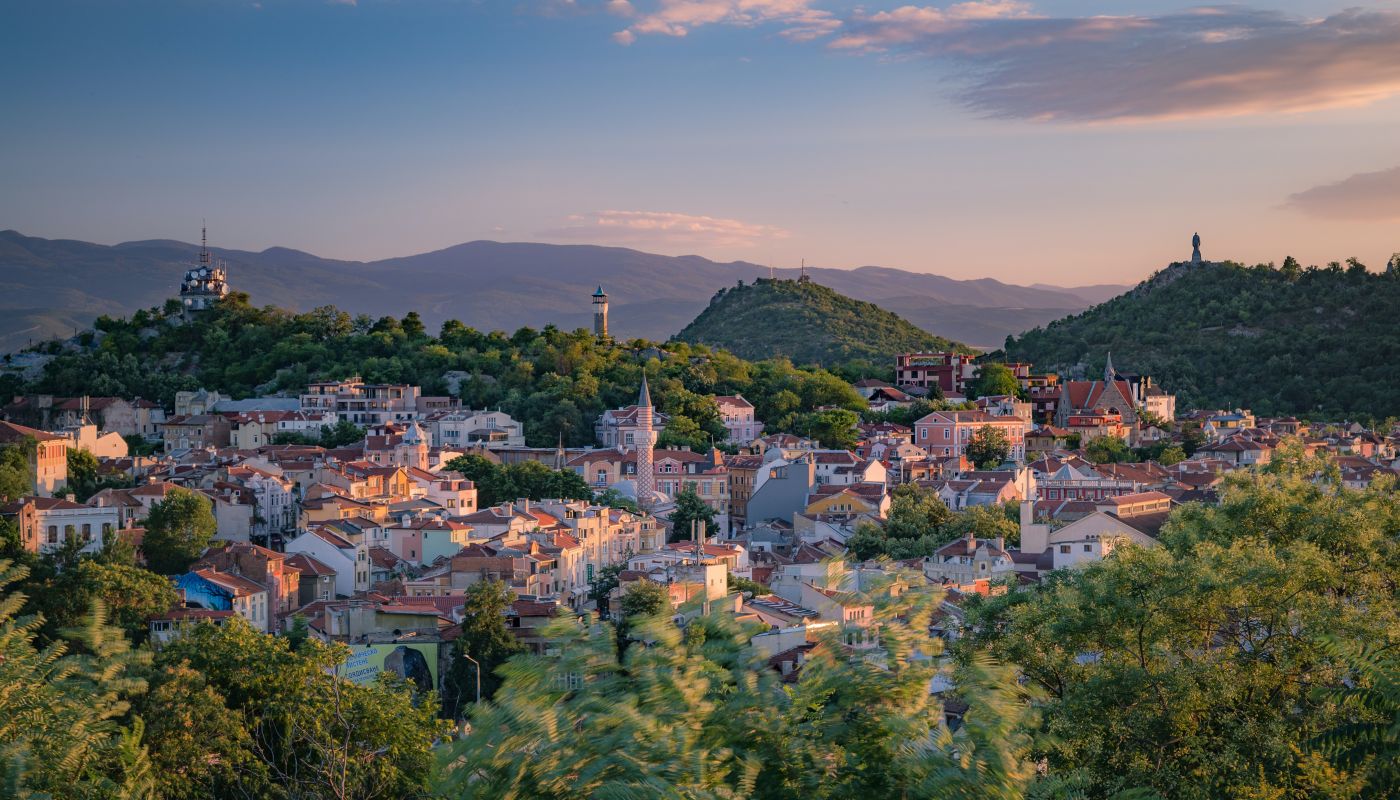
Landscape of Bulgaria
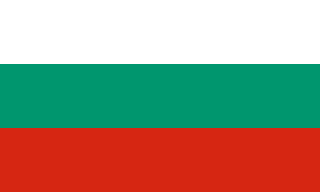
Flag of Bulgaria

Bulgaria

Europe

Bulgaria is a country located in Southeastern Europe, bordered by Romania to the north, Serbia and North Macedonia to the west, Greece and Turkey to the south, and the Black Sea to the east. With a population of approximately 7 million people, it is one of the smaller countries in Europe. Bulgaria has a rich history dating back to ancient times, and today it is a member of the European Union, NATO, and the United Nations. The country is known for its picturesque mountain ranges, sandy beaches, and historic landmarks such as the Rila Monastery and the ancient city of Plovdiv. The capital and largest city is Sofia, which is a vibrant cultural and economic center. Bulgaria's economy is based largely on services, industry, and agriculture, and the country has experienced significant growth and development.

What would you like to learn about in Bulgaria?

Select a section to explore the country where nonprofits are creating positive change.

About Bulgaria

The Bulgars, a Central Asian Turkic tribe, merged with the local Slavic inhabitants in the late 7th century to form the first Bulgarian state. In succeeding centuries, Bulgaria struggled with the Byzantine Empire to assert its place in the Balkans, but by the end of the 14th century the country was overrun by the Ottoman Turks. Northern Bulgaria attained autonomy in 1878 and all of Bulgaria became independent from the Ottoman Empire in 1908. Having fought on the losing side in both World Wars, Bulgaria fell within the Soviet sphere of influence and became a People's Republic in 1946. Communist domination ended in 1990, when Bulgaria held its first multiparty election since World War II and began the contentious process of moving toward political democracy and a market economy while combating inflation, unemployment, corruption, and crime. The country joined NATO in 2004 and the EU in 2007.

Quick Facts

Population
6,981,642 (July 2013 est.)
Area
110,879 sq km
ISO Code
BG
Continent
Europe
Government
parliamentary democracy
Active Causes
12
View all countries in Europe

Geography & Environment

Climate

temperate; cold, damp winters; hot, dry summers

Terrain

mostly mountains with lowlands in north and southeast

Natural Resources

bauxite, copper, lead, zinc, coal, timber, arable land

Environmental Issues

air pollution from industrial emissions; rivers polluted from raw sewage, heavy metals, detergents; deforestation; forest damage from air pollution and resulting acid rain; soil contamination from hea...

People & Society

74.08 years
Avg. Life Expectancy
98.4%
Literacy Rate
73.1% of total population (2011)
Total Urban Population

Languages

Bulgarian (official) 76.8%, Turkish 8.2%, Roma 3.8%, other 0.7%, other (unknown) 10.5% (2011 census)

Religions

Eastern Orthodox 59.4%, Muslim (Sunni) 7.4%, Muslim (Shia) 0.4%, other (including Catholic, Protestant, Armenian Apostolic Orthodox, and Judaism) 1.7%...

Health Expenditure

6.9% of GDP (2010) of GDP

Education Expenditure

4.6% of GDP (2009) of GDP

Economy

$14,500
GDP per Capita (PPP)
11.1%
Unemployment Rate
21.8% (2008)
Below Poverty Line

Economic Overview

Bulgaria, a former Communist country that entered the EU on 1 January 2007, averaged more than 6% annual growth from 2004 to 2008, driven by significant amounts of bank lending, consumption, and foreign direct investment. Successive governments have demonstrated a commitment to economic reforms and responsible fiscal planning, but the global downturn sharply reduced domestic demand, exports, capital inflows, and industrial production. GDP contracted by 5.5% in 2009, stagnated in 2010, despite a significant recovery in exports, grew 1.7% in 2011, and 1% in 2012. Despite having a favorable inves...

Causes in Bulgaria

Environment

Bulgaria, located in Southeastern Europe, faces environmental challenges that significantly impact the nation. The country's environment is under pressure from various factors such as air and water pollution, deforestation, and waste management issues. Air pollution, primarily caused by industrial activities and transportation emissions, poses a severe threat to public health, leading to respiratory diseases and other health complications. Water pollution is another critical concern, affecting both surface water bodies and groundwater sources due to agricultural runoff and inadequate wastewater treatment. Deforestation rates in Bulgaria are alarming, with illegal logging practices contributing to habitat destruction and loss of biodiversity. Inadequate waste management systems further exacerbate environmental problems, leading to littering and improper disposal of waste. Addressing these environmental issues requires collaborative efforts from government agencies, industries, and the public to implement sustainable practices and policies that prioritize environmental protection and conservation.

Family

In Bulgaria, family plays a crucial role in shaping societal values and norms. The concept of family extends beyond immediate relatives to include extended family members, creating a strong sense of community and support. Family ties are deeply ingrained in Bulgarian culture, with traditions such as family gatherings, celebrations, and mutual assistance being highly valued. The family unit is seen as the primary source of emotional, financial, and social support for individuals throughout their lives. Furthermore, the influence of family extends to decision-making processes, especially in matters concerning marriage, career choices, and child-rearing practices. However, changing societal dynamics and economic challenges have started to impact traditional family structures in Bulgaria, leading to shifts in familial roles and responsibilities.

Human Rights

Bulgaria, a country located in Southeast Europe, faces various challenges regarding human rights. Despite being a member of the European Union and signatory to international human rights treaties, Bulgaria continues to struggle with issues such as discrimination against minorities, including the Roma community, and lack of effective measures to prevent gender-based violence. The judiciary system in Bulgaria also faces challenges related to corruption and inefficiency, leading to violations of the right to a fair trial. Furthermore, freedom of expression is restricted through limitations on media independence and pressure on journalists. These human rights concerns not only impact the individuals directly affected but also hinder the overall development and progress of the country. It is crucial for Bulgaria to address these issues effectively to ensure the protection and promotion of human rights for all its citizens.

Education

In Bulgaria, education plays a crucial role in shaping the country's socio-economic landscape. Despite efforts to improve its education system, Bulgaria faces challenges such as high dropout rates, low funding for schools, and disparities in educational quality between urban and rural areas. These issues hinder the country's overall development and perpetuate social inequality. Access to quality education is essential for Bulgaria to build a skilled workforce, foster innovation, and compete in the global economy. By investing in education and addressing these challenges, Bulgaria can empower its citizens, reduce poverty, and enhance its overall prosperity.

Poverty

Bulgaria, a country in Southeast Europe, faces significant challenges related to poverty that have profound impacts on its population. Despite being a member of the European Union, Bulgaria has one of the highest poverty rates in the EU, with approximately 23% of its population living below the national poverty line. The country also experiences high levels of income inequality, with the wealthiest 20% of the population earning nearly six times more than the poorest 20%. Poverty in Bulgaria is often intertwined with issues such as unemployment, low wages, inadequate social services, and limited access to quality healthcare and education. These factors contribute to a cycle of poverty that is difficult for many Bulgarians to escape.

Religion

Religion in Bulgaria holds significant cultural and historical importance, shaping various aspects of societal life. The predominant religion in Bulgaria is Eastern Orthodox Christianity, with the Bulgarian Orthodox Church playing a central role in both spiritual and national identity. This influence can be seen in religious holidays, traditions, and customs observed throughout the country. However, Bulgaria is known for its religious diversity, with significant Muslim, Roman Catholic, Protestant, and Jewish communities coexisting alongside the Orthodox majority. Despite this diversity, religious tensions have occasionally arisen, particularly between Orthodox Christians and Muslims. Recent years have seen efforts to promote interfaith dialogue and understanding among different religious groups in Bulgaria. Understanding the complex interplay between religion and society is crucial for fostering unity and respect among Bulgarians of diverse religious backgrounds.

Clean Water

Bulgaria, a country situated in Southeast Europe, faces significant challenges regarding access to clean water. With a population of over 7 million people, water pollution and inadequate infrastructure have become pressing issues, affecting both urban and rural areas. The contamination of rivers and groundwater sources is primarily attributed to industrial activities, agriculture runoff, and outdated sewage systems. This situation has severe implications on public health, as contaminated water can lead to the spread of diseases and pose risks to the environment. Additionally, the lack of access to clean water hinders economic development and perpetuates social inequalities. To address these challenges, concerted efforts are required to improve water quality through better regulation, infrastructure upgrades, and public awareness campaigns.

Economy

Bulgaria, a country situated in Southeast Europe, boasts a diverse economy with key sectors including industry, agriculture, and services. However, despite its potential for growth, Bulgaria faces several challenges that impact its economic development. One significant issue is the high level of corruption prevalent in various sectors, which hinders investment and creates an uneven playing field for businesses. Additionally, Bulgaria struggles with a significant wealth gap, with many citizens facing economic hardships and limited access to essential services. These factors contribute to social inequalities and hinder overall economic progress in the country. By addressing these issues through policy reforms and promoting transparency and accountability, Bulgaria can work towards building a more resilient economy that benefits all its citizens.

Government

Bulgaria, a country located in Southeast Europe, has faced numerous challenges in its socio-political landscape. The government in Bulgaria plays a significant role in shaping the country's development and progress. However, corruption and lack of transparency within the government have hindered Bulgaria's growth and economic stability. The inefficiency of public institutions, coupled with limited accountability mechanisms, has led to widespread dissatisfaction among the populace. In recent years, protests and calls for reform have highlighted the need for a more responsive and responsible government that prioritizes the interests of its citizens.

Health

Bulgaria, a country located in Southeast Europe, faces significant health challenges that impact its population. With a healthcare system struggling to provide adequate services due to limited resources and an aging population, Bulgarians experience higher rates of chronic diseases such as cardiovascular conditions, cancer, and respiratory illnesses. Furthermore, lifestyle factors such as smoking, alcohol consumption, and poor diet contribute to the overall burden of disease in the country. The lack of access to quality healthcare services, especially in rural areas, exacerbates these issues, leading to disparities in health outcomes among different socioeconomic groups. Addressing these health challenges in Bulgaria requires a comprehensive approach that focuses on improving healthcare infrastructure, promoting healthy lifestyles, and ensuring equal access to healthcare services for all citizens.

Children

Children in Bulgaria face a multitude of challenges that impact their well-being and development. According to UNICEF, Bulgaria has one of the highest rates of child poverty in Europe, with nearly one-third of children living below the poverty line. This economic strain often translates into inadequate access to quality education, healthcare, and social services for Bulgarian children. Furthermore, the country also struggles with high rates of child abandonment and institutionalization, leading to long-term negative effects on the emotional and cognitive development of these children. Addressing these issues requires a comprehensive approach that includes improving social welfare systems, promoting family support programs, and enhancing educational opportunities for all children in Bulgaria.

Animals

Bulgaria, a country located in Southeast Europe, is home to a diverse range of animal species, both on land and in its rich marine ecosystems. Animals play a significant role in Bulgaria's biodiversity and ecological balance, with many species being endemic to the region. However, like many countries worldwide, Bulgaria faces challenges related to animal conservation, including habitat loss, poaching, and illegal wildlife trade. These threats endanger various species, such as the Balkan lynx, brown bear, and imperial eagle, pushing them towards the brink of extinction. Conservation efforts in Bulgaria are crucial to protect these vulnerable animals and preserve the country's natural heritage for future generations.

Nonprofits Working in Bulgaria

Discover organizations making a difference in Bulgaria

CORDELL HULL FOUNDATION FOR INTERNATIONAL EDUCATION

CORDELL HULL FOUNDATION FOR INTERNATIONAL EDUCATION

The Cordell Hull Foundation, a nonprofit 501(c)(3) corporation, is active in sponsoring exchange programs for qualifying teachers from six continents. Currently, teachers hail from more than fifty countries including Argentina, Australia, Austria, Belgium, Bolivia, Brazil, Botswana, Bulgaria, Canada, Chile, China, Colombia, Costa Rica, Croatia, The Czech Republic, Denmark, The Dominican Republic, El Salvador, Ecuador, England, France, Germany, Greece, Guatemala, Honduras, Hungary, India, Ireland, Italy, Japan, Korea, Lebanon, Luxembourg, Mexico, Nepal, The Netherlands, Nicaragua, Nigeria, Panama, Peru, Russia, South Africa, Scotland, Spain, Sri Lanka, Switzerland, Taiwan, Thailand, Turkey, Ukraine, Uruguay, Venezuela, and Wales. After enjoying the experience of teaching in the United States on a temporary basis, program participants return home to share wonderful memories and positive feedback on American culture.

New York, New York

Make Your Impact Today

Discover causes you care about and support the nonprofits making a difference in communities around the world.

Are you a nonprofit? Join Project World Impact for free

Join Us Free