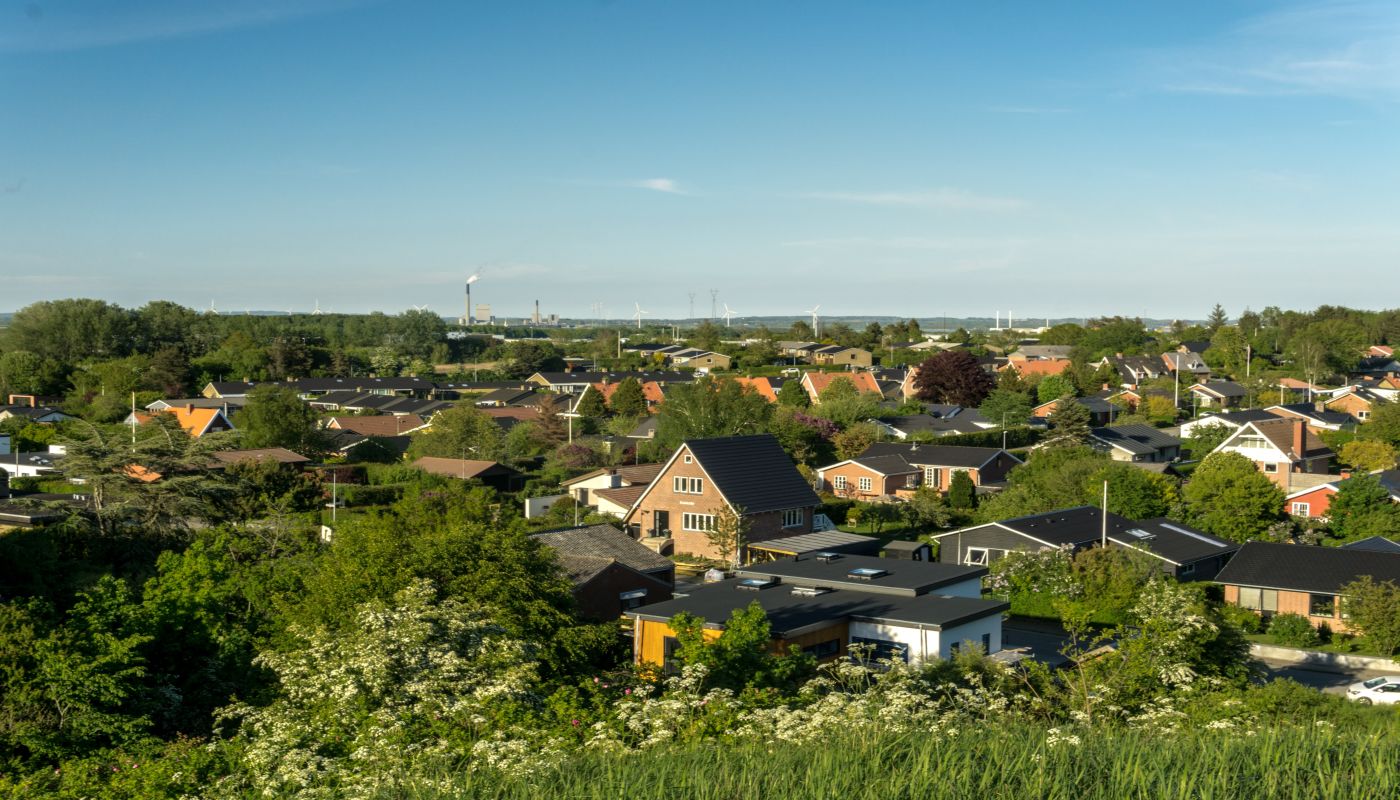
Landscape of Denmark
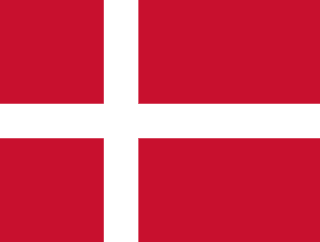
Flag of Denmark

Denmark

Europe

Denmark is a prosperous country located in northern Europe with a population of approximately 5.8 million people The country is bordered by Germany to the south and is surrounded by the North Sea and the Baltic Sea. Denmark has a diverse geography that includes sandy beaches, rolling hills, and lush forests, making it an ideal destination for outdoor enthusiasts.Denmark is a global leader in wind energy production, and nearly 50% of the country's electricity is generated by wind power. In addition, Denmark is home to some of the most innovative companies in the world, such as Maersk and Novo Nordisk, which are helping to drive economic growth and create new jobs. Another hot topic in Denmark is the country's commitment to social welfare and equality. Denmark has one of the most generous welfare systems in the world, providing its citizens with free healthcare, education, and access to affordable housing. The country also has a strong tradition of gender equality and was ranked as the second-best country in the world for gender equality by the World Economic Forum in 2020.

What would you like to learn about in Denmark?

Select a section to explore the country where nonprofits are creating positive change.

About Denmark

Once the seat of Viking raiders and later a major north European power, Denmark has evolved into a modern, prosperous nation that is participating in the general political and economic integration of Europe. It joined NATO in 1949 and the EEC (now the EU) in 1973. However, the country has opted out of certain elements of the European Union's Maastricht Treaty, including the European Economic and Monetary Union (EMU), European defense cooperation, and issues concerning certain justice and home affairs.

Quick Facts

Population
5,556,452 (July 2013 est.)
Area
43,094 sq km
ISO Code
DK
Continent
Europe
Government
constitutional monarchy
Active Causes
12
View all countries in Europe

Geography & Environment

Climate

temperate; humid and overcast; mild, windy winters and cool summers

Terrain

low and flat to gently rolling plains

Natural Resources

petroleum, natural gas, fish, salt, limestone, chalk, stone, gravel and sand

Environmental Issues

air pollution, principally from vehicle and power plant emissions; nitrogen and phosphorus pollution of the North Sea; drinking and surface water becoming polluted from animal wastes and pesticides

People & Society

78.94 years
Avg. Life Expectancy
99%
Literacy Rate
86.9% of total population (2011)
Total Urban Population

Languages

Danish, Faroese, Greenlandic (an Inuit dialect), German (small minority)

Religions

Evangelical Lutheran (official) 95%, other Christian (includes Protestant and Roman Catholic) 3%, Muslim 2%

Health Expenditure

11.4% of GDP (2010) of GDP

Education Expenditure

8.7% of GDP (2009) of GDP

Economy

$38,300
GDP per Capita (PPP)
6%
Unemployment Rate
13.4% (2011)
Below Poverty Line

Economic Overview

This thoroughly modern market economy features a high-tech agricultural sector, state-of-the-art industry with world-leading firms in pharmaceuticals, maritime shipping and renewable energy, and a high dependence on foreign trade. Denmark is a member of the European Union (EU); Danish legislation and regulations conform to EU standards on almost all issues. Danes enjoy a high standard of living and the Danish economy is characterized by extensive government welfare measures and an equitable distribution of income. Denmark is a net exporter of food and energy and enjoys a comfortable balance of...

Causes in Denmark

Environment

Denmark, a Nordic country known for its progressive environmental policies, is significantly impacted by the state of the environment. With a low-lying topography, Denmark is particularly vulnerable to the adverse effects of climate change such as rising sea levels and increased frequency of extreme weather events. The country's economy heavily relies on agriculture, fisheries, and renewable energy sectors, all of which are directly influenced by environmental factors. Additionally, Denmark has set ambitious targets to reduce greenhouse gas emissions and transition towards a more sustainable future. However, these efforts are hindered by challenges such as pollution from agriculture and industry, as well as waste management issues. It is crucial for Denmark to continue its commitment to environmental protection and sustainability to safeguard its natural resources and mitigate the impacts of climate change.

Family

In Denmark, family plays a significant role in shaping societal norms and values. The Danish culture places strong emphasis on family ties, with the concept of "hygge" reflecting the importance of togetherness and quality time spent with loved ones. Families in Denmark are typically close-knit and supportive, providing a sense of security and belonging to individuals. Moreover, the Danish welfare system is structured to support families through various social services, including subsidized childcare, parental leave, and healthcare provisions. However, despite these strengths, challenges such as high divorce rates and increasing cultural diversity in Denmark have also impacted family dynamics in the country. These changes have led to discussions and initiatives aimed at creating inclusive family policies that cater to the evolving needs of Danish families.

Human Rights

Denmark, known for its high standard of living and strong social welfare system, is a country deeply committed to upholding human rights. The Danish government actively works to protect the rights of its citizens and residents, including promoting gender equality, LGBTQ+ rights, and refugee rights. Denmark is a signatory to various international human rights treaties and conventions, such as the Universal Declaration of Human Rights and the European Convention on Human Rights. The country's commitment to human rights is reflected in its laws and policies, which aim to ensure equality, freedom, and dignity for all individuals within its borders. Despite these efforts, challenges remain, particularly in areas such as discrimination against minorities and issues related to asylum seekers and refugees. By continuing to prioritize human rights protections and address existing gaps, Denmark can further strengthen its position as a global leader in promoting human rights.

Education

In Denmark, education plays a crucial role in shaping the nation's future and fostering social equality. The Danish education system is known for its emphasis on creativity, critical thinking, and collaboration, aiming to produce well-rounded individuals equipped to navigate a rapidly changing world. With a strong focus on innovation and research, Denmark boasts a high standard of education, with a particular emphasis on sustainability and environmental awareness. Education in Denmark is not only about academic excellence but also about fostering a sense of community and social responsibility. By investing in education, Denmark ensures that its citizens are equipped with the skills and knowledge needed to contribute to society positively and drive economic growth sustainably.

Poverty

Denmark, a Nordic country renowned for its high standard of living and social welfare system, is not exempt from the challenges posed by poverty. Despite its strong economy and comprehensive social support programs, poverty remains a pressing issue in Denmark, affecting a significant portion of its population. Poverty in Denmark is often associated with factors such as unemployment, low education levels, and lack of affordable housing. The cost of living in Denmark is notably high, making it difficult for low-income individuals and families to make ends meet. The impact of poverty in Denmark is multifaceted, leading to social exclusion, limited access to quality healthcare and education, and overall diminished well-being for those affected. Addressing poverty in Denmark requires a concerted effort from both the government and society as a whole to ensure that all individuals have the opportunity to thrive in this prosperous nation.

Religion

Denmark, a Scandinavian nation known for its progressive values and high quality of life, has a unique relationship with religion that has evolved over the years. Historically, Denmark has been predominantly Lutheran, with the Church of Denmark being the official state church until 1849. However, in recent years, the country has experienced a significant shift towards secularism, with a large portion of the population identifying as non-religious or atheist. This trend is reflected in declining church attendance and religious participation. Despite this, Denmark still maintains a cultural connection to its Christian heritage, evident in various traditions and holidays. The impact of religion in Denmark is multifaceted, influencing aspects of society such as ethics, values, and social cohesion.

Clean Water

Denmark, a Scandinavian country known for its high quality of life, is significantly impacted by the availability of clean water. With nearly 98% of its population having access to reliable and safe drinking water, Denmark has implemented stringent regulations and technologies to ensure water quality. Clean water plays a crucial role in sustaining public health, agriculture, industry, and the environment in Denmark. The country's advanced wastewater treatment systems and sustainable water management practices have helped mitigate pollution and protect its water resources. However, challenges such as agricultural runoff and emerging contaminants still pose threats to Denmark's water quality. Continued efforts in monitoring, regulation enforcement, and public awareness are essential to safeguarding Denmark's clean water sources for current and future generations.

Economy

Denmark, a Nordic country located in Northern Europe, boasts a highly developed mixed economy that is characterized by extensive government welfare measures and an equitable distribution of income. The economy of Denmark is heavily reliant on foreign trade, with exports accounting for over 50% of its GDP. Key industries driving the Danish economy include pharmaceuticals, renewable energy, agriculture, and information technology. Denmark has a strong welfare system that provides free healthcare and education, generous unemployment benefits, and a high level of social security. However, despite its economic prosperity, Denmark faces challenges such as an aging population, high household debt levels, and a dependence on foreign markets. The economy of Denmark is closely intertwined with global economic trends and developments, making it vulnerable to external shocks and fluctuations in the international market.

Government

Denmark, a Nordic country in Northern Europe, is known for its high standard of living, strong welfare system, and progressive social policies. The Danish government plays a significant role in shaping the country's economic and social landscape. With a well-established welfare state, Denmark offers its citizens free healthcare, education, and unemployment benefits. The government's focus on sustainability and renewable energy has led to Denmark being a global leader in wind power production. Moreover, Denmark's emphasis on gender equality and work-life balance has resulted in policies such as generous parental leave and flexible working hours. The Danish government's commitment to environmental protection is evident through initiatives aimed at reducing carbon emissions and promoting sustainable practices. Overall, the Danish government's policies and decisions have a direct impact on the quality of life and well-being of its citizens.

Health

Denmark, a Scandinavian country known for its high quality of life, places a strong emphasis on health and well-being. With a comprehensive healthcare system that offers universal access to medical services, Denmark boasts one of the highest life expectancies in the world. The country's focus on preventive care, early intervention, and public health initiatives has contributed to its population's overall health and longevity. However, like many other developed nations, Denmark faces challenges such as rising rates of chronic diseases, mental health issues, and an aging population. These factors highlight the importance of continued investment in healthcare infrastructure, research, and education to ensure the well-being of all Danes for generations to come.

Children

Denmark, a country known for its high quality of life and progressive social policies, places a strong emphasis on the well-being and rights of children within its borders. Denmark's child welfare system is designed to prioritize the protection and support of children, ensuring their safety, health, and development. Children in Denmark benefit from universal access to healthcare, education, and social services, contributing to their overall well-being. Despite these efforts, challenges such as child poverty and mental health issues persist, highlighting the ongoing need for targeted interventions and support systems. By understanding the impact of various factors on children in Denmark, including socio-economic status, family dynamics, and access to resources, stakeholders can work towards creating a more inclusive and supportive environment for all children in the country.

Animals

Denmark, a country known for its rich cultural heritage and progressive societal values, also places significant importance on the well-being of animals within its borders. With a strong emphasis on animal welfare, Denmark has implemented strict legislation to ensure the ethical treatment of animals across various industries, including agriculture and entertainment. The Danish people value the intrinsic worth of animals and recognize the impact that their welfare has on society as a whole. By prioritizing the humane treatment of animals, Denmark aims to set a precedent for other nations to follow suit in promoting compassion and respect for all living beings. Through education, advocacy, and legislation, Denmark continues to make strides in protecting the rights and welfare of animals within its borders.

Nonprofits Working in Denmark

Discover organizations making a difference in Denmark

American War Memorials Overseas, Inc.

American War Memorials Overseas, Inc.

American War Memorials Overseas works to document, promote, and preserve non-government supported War Memorials honoring Americans outside of the USA to ensure these monuments remain part of local communities forever. (Our mission is to help care for those private memorials and gravesites where the US government has no responsibility.) War Memorials commemorate our shared past, and overseas war memorials honoring Americans are an important symbol of America's international engagement. American War Memorials Overseas seeks to cooperate with other organizations, at international, national, and local levels, to better safeguard the future of War Memorials honoring Americans overseas in both their social and historical context. American War Memorials Overseas is a 501(c) (3) nonprofit corporation and as such is entirely dependent on donated funds. AWMO seeks to receive funding from individual contributions, corporate contributions, and private foundation grants.

Wilmington, Delaware

Make Your Impact Today

Discover causes you care about and support the nonprofits making a difference in communities around the world.

Are you a nonprofit? Join Project World Impact for free

Join Us Free