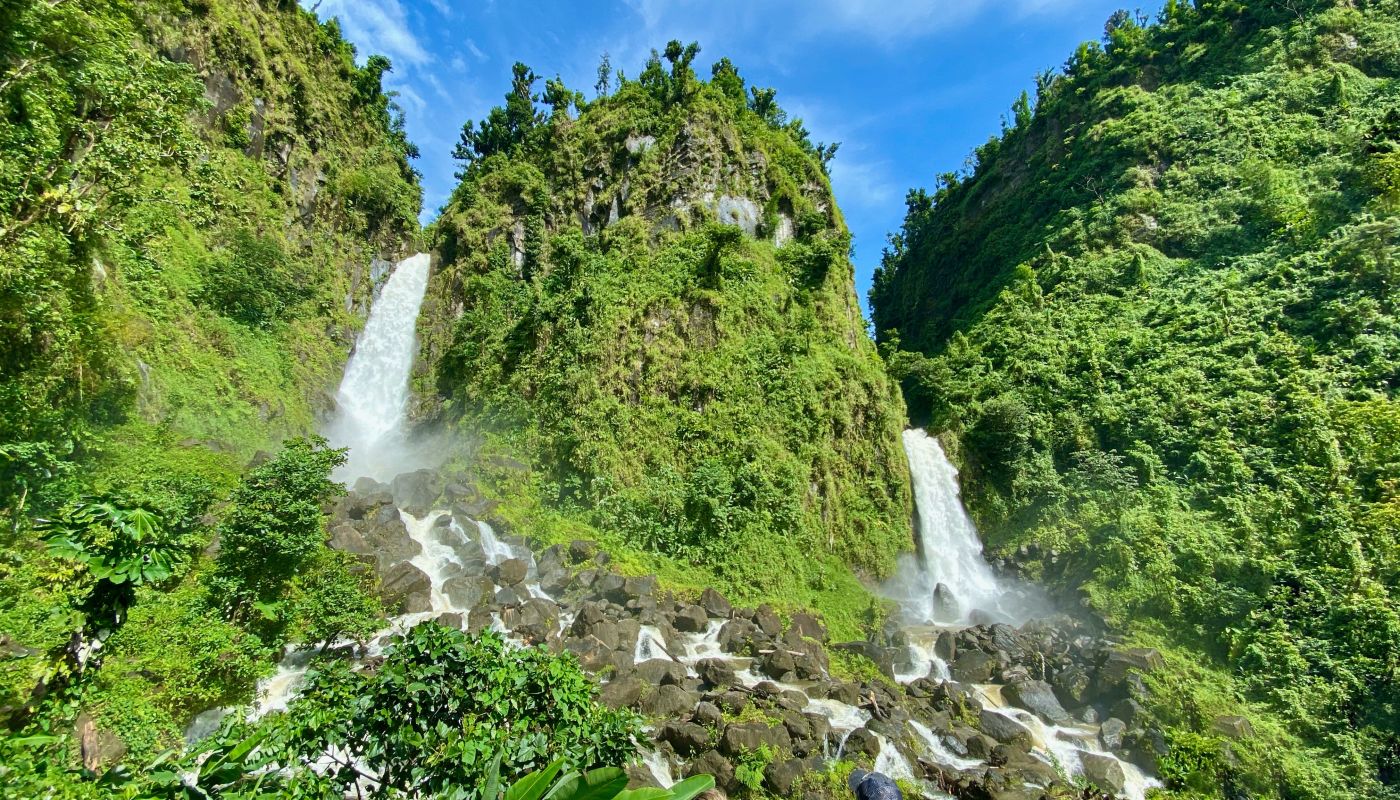
Landscape of Dominica
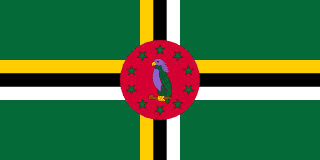
Flag of Dominica

Dominica

Asia

Dominica has a population of approximately 74,000 people. The island nation has faced challenges related to climate change, including severe hurricanes and flooding. Efforts are underway to address these issues and promote sustainable development, including investments in renewable energy and sustainable tourism. The island is a popular destination for eco-tourists and nature lovers, with its stunning national parks, including the UNESCO-listed Morne Trois Pitons National Park.

What would you like to learn about in Dominica?

Select a section to explore the country where nonprofits are creating positive change.

About Dominica

Dominica was the last of the Caribbean islands to be colonized by Europeans due chiefly to the fierce resistance of the native Caribs. France ceded possession to Great Britain in 1763, which made the island a colony in 1805. In 1980, two years after independence, Dominica's fortunes improved when a corrupt and tyrannical administration was replaced by that of Mary Eugenia CHARLES, the first female prime minister in the Caribbean, who remained in office for 15 years. Some 3,000 Carib Indians still living on Dominica are the only pre-Columbian population remaining in the eastern Caribbean.

Quick Facts

Population
73,286 (July 2013 est.)
Area
751 sq km
ISO Code
DM
Continent
Asia
Government
parliamentary democracy
Active Causes
12
View all countries in Asia

Geography & Environment

Climate

tropical; moderated by northeast trade winds; heavy rainfall

Terrain

rugged mountains of volcanic origin

Natural Resources

timber, hydropower, arable land

Environmental Issues

NA

People & Society

76.39 years
Avg. Life Expectancy
94%
Literacy Rate
67% of total population (2010)
Total Urban Population

Languages

English (official), French patois

Religions

Roman Catholic 61.4%, Protestant 20.6% (Seventh-Day Adventist 6%, Pentecostal 5.6%, Baptist 4.1%, Methodist 3.7%, Church of God 1.2%), Jehovah's Witne...

Health Expenditure

7.4% of GDP (2010) of GDP

Education Expenditure

3.5% of GDP (2010) of GDP

Economy

$14,400
GDP per Capita (PPP)
23%
Unemployment Rate
29% (2009 est.)
Below Poverty Line

Economic Overview

The Dominican economy has been dependent on agriculture - primarily bananas - in years past, but increasingly has been driven by tourism as the government seeks to promote Dominica as an "ecotourism" destination. Moreover, Dominica has successfully developed an offshore medical education sector. In order to diversify the island's economy, the government is also attempting to develop an offshore financial sector and plans to sign agreements with the private sector to develop geothermal energy resources. In 2003, the government began a comprehensive restructuring of the economy - including elimi...

Causes in Dominica

Education

The island nation of Dominica, located in the Caribbean, faces various challenges in its education system that significantly impact its population. Limited resources and infrastructure, coupled with natural disasters such as hurricanes and tropical storms, have hindered educational progress in the country. As a result, Dominica struggles with high dropout rates, inadequate teacher training, and insufficient access to quality education for all its citizens. The lack of educational opportunities perpetuates social inequality and limits individuals' potential for upward mobility. By addressing these systemic issues and investing in education, Dominica can empower its people and foster sustainable development for future generations.

Economy

Dominica, a small island nation in the Caribbean, faces a multitude of challenges stemming from its economy. The country heavily relies on agriculture, particularly bananas, as a major source of income. However, natural disasters such as hurricanes have had devastating effects on the agricultural sector, leading to economic instability and food insecurity. Dominica's economy is also vulnerable to external shocks due to its heavy dependence on tourism and foreign aid. The lack of diversification in the economy makes it difficult for Dominica to withstand economic fluctuations, hindering its overall development and prosperity.

Government

Located in the Caribbean, Dominica is a small island nation with a population of approximately 72,000 people. The government of Dominica plays a significant role in shaping the lives of its citizens through policies and programs that impact various aspects of society. The government's decisions influence areas such as healthcare, education, infrastructure development, environmental protection, and social welfare. For instance, public healthcare services are largely funded and managed by the government, ensuring access to essential medical care for all residents. Additionally, the government's focus on sustainable development is crucial for preserving Dominica's rich biodiversity and natural resources for future generations. By prioritizing investments in education and infrastructure, the government aims to enhance the overall well-being and prosperity of its people. Ultimately, the government of Dominica plays a pivotal role in shaping the country's present and future trajectory.

Health

Dominica, a small island nation in the Caribbean, faces numerous health challenges that significantly impact its population. Limited access to healthcare services, inadequate infrastructure, and a high prevalence of non-communicable diseases like diabetes and hypertension contribute to the country's health concerns. The devastation caused by natural disasters, such as hurricanes and tropical storms, also exacerbates these challenges by disrupting healthcare delivery and infrastructure. Additionally, the lack of resources and trained healthcare professionals further strain Dominica's healthcare system, making it difficult for many residents to receive timely and quality care. Addressing these health issues is crucial for improving the overall well-being of the population and ensuring a sustainable future for Dominica.

Children

Dominica, a small island nation in the Caribbean, faces various challenges that impact the lives of its children. Limited access to quality education, healthcare, and protection from natural disasters are key issues affecting the well-being of children in Dominica. High poverty rates and vulnerability to climate change further exacerbate these challenges, leading to negative outcomes for the younger population. Strategies to address these issues include improving social services, enhancing disaster preparedness, and promoting sustainable development to create a better future for children in Dominica.

Environment

Dominica, a small island nation in the Caribbean, is highly vulnerable to the impacts of climate change and environmental degradation. The country's economy, heavily reliant on agriculture and tourism, is at risk due to extreme weather events, rising sea levels, and loss of biodiversity. Dominica has experienced devastating hurricanes in recent years, such as Hurricane Maria in 2017, which caused widespread destruction and loss of life. The fragile ecosystem of Dominica, known for its lush rainforests and diverse wildlife, is under threat from deforestation, pollution, and habitat destruction. Urgent action is needed to protect Dominica's environment and ensure the sustainability of its economy and way of life.

Family

In Dominica, family plays a fundamental role in shaping the social fabric and cultural identity of its people. The concept of family extends beyond nuclear relatives to include extended family members, forming tight-knit networks of support and solidarity. Families in Dominica typically prioritize close relationships and interdependence, fostering a strong sense of community and belonging. This emphasis on family values is reflected in various aspects of Dominican society, including decision-making processes, child-rearing practices, and caregiving for the elderly. Furthermore, families often serve as the primary source of emotional, financial, and practical assistance during times of need, reinforcing the importance of familial bonds in everyday life. By recognizing the profound impact of family dynamics in Dominica, we can better understand and appreciate the interconnectedness and resilience of its people.

Human Rights

Dominica, a small island nation in the Caribbean, faces various human rights challenges that impact its population. Issues such as discrimination based on gender, ethnicity, and socioeconomic status persist, affecting the access to education, healthcare, and employment opportunities for many individuals in the country. Furthermore, concerns have been raised about the treatment of marginalized groups, including indigenous peoples and migrants, highlighting the need for improved protection of their rights. Efforts to address these issues and promote human rights in Dominica are crucial for fostering a more inclusive and equitable society. By raising awareness about these challenges, we can contribute to creating a positive impact and advocating for change in Dominica.

Poverty

Dominica, a small island nation in the Caribbean, faces significant challenges related to poverty. With an estimated 29% of its population living below the poverty line, poverty has a profound impact on the country's development and well-being. The effects of poverty in Dominica are multifaceted, affecting access to education, healthcare, and basic necessities. Limited economic opportunities, natural disasters, and vulnerability to external shocks exacerbate the situation, leading to a cycle of poverty that is difficult to break. Addressing poverty in Dominica requires sustainable solutions that prioritize inclusive growth, social protection programs, and investment in human capital. By raising awareness about the impact of poverty on Dominica, we can support efforts to alleviate poverty and promote sustainable development in the country.

Religion

Religion plays a significant role in the cultural landscape of Dominica, shaping the beliefs, values, and traditions of its people. The island nation is predominantly Christian, with Roman Catholicism being the most widely practiced religion followed by Protestant denominations. Religion in Dominica influences various aspects of daily life, including social interactions, family dynamics, and community events. Churches serve as important centers of community gathering and provide spiritual guidance to many residents. Religious festivals and events are deeply ingrained in the local culture, fostering a sense of unity and solidarity among the population. Despite the strong influence of Christianity, Dominica also embraces religious diversity, with small communities practicing other faiths such as Rastafarianism and Hinduism. Understanding the role of religion in Dominica is crucial to appreciating the rich cultural tapestry of this Caribbean nation.

Clean Water

Dominica, an island nation in the Caribbean, is heavily reliant on its water resources for various aspects of daily life, agriculture, tourism, and industry. The availability of clean water is crucial for the health and well-being of its population of approximately 72,000 people. However, Dominica faces challenges in ensuring access to safe drinking water due to issues such as pollution, inadequate infrastructure, and natural disasters. Contaminated water sources can lead to waterborne diseases, posing serious health risks to the population. Additionally, the impact of climate change, including more frequent and intense hurricanes, threatens the country's water supply and sanitation systems. Addressing these challenges and ensuring sustainable access to clean water is essential for the long-term development and resilience of Dominica.

Animals

Dominica, an island nation in the Caribbean, boasts a rich biodiversity with an array of unique animal species. Animals play a vital role in Dominica's ecosystem by contributing to pollination, seed dispersal, and maintaining the balance of its delicate ecosystems. The impact of animals on Dominica is profound, as they are essential for the survival of many plant species and contribute to the overall health of the island's environment. Unfortunately, like many other places around the world, Dominica's wildlife faces threats such as habitat loss, climate change, and invasive species, which jeopardize their survival. It is crucial for conservation efforts to be implemented to safeguard the diverse fauna of Dominica and preserve its natural heritage for future generations.

Nonprofits Working in Dominica

Discover organizations making a difference in Dominica

Make Your Impact Today

Discover causes you care about and support the nonprofits making a difference in communities around the world.

Are you a nonprofit? Join Project World Impact for free

Join Us Free