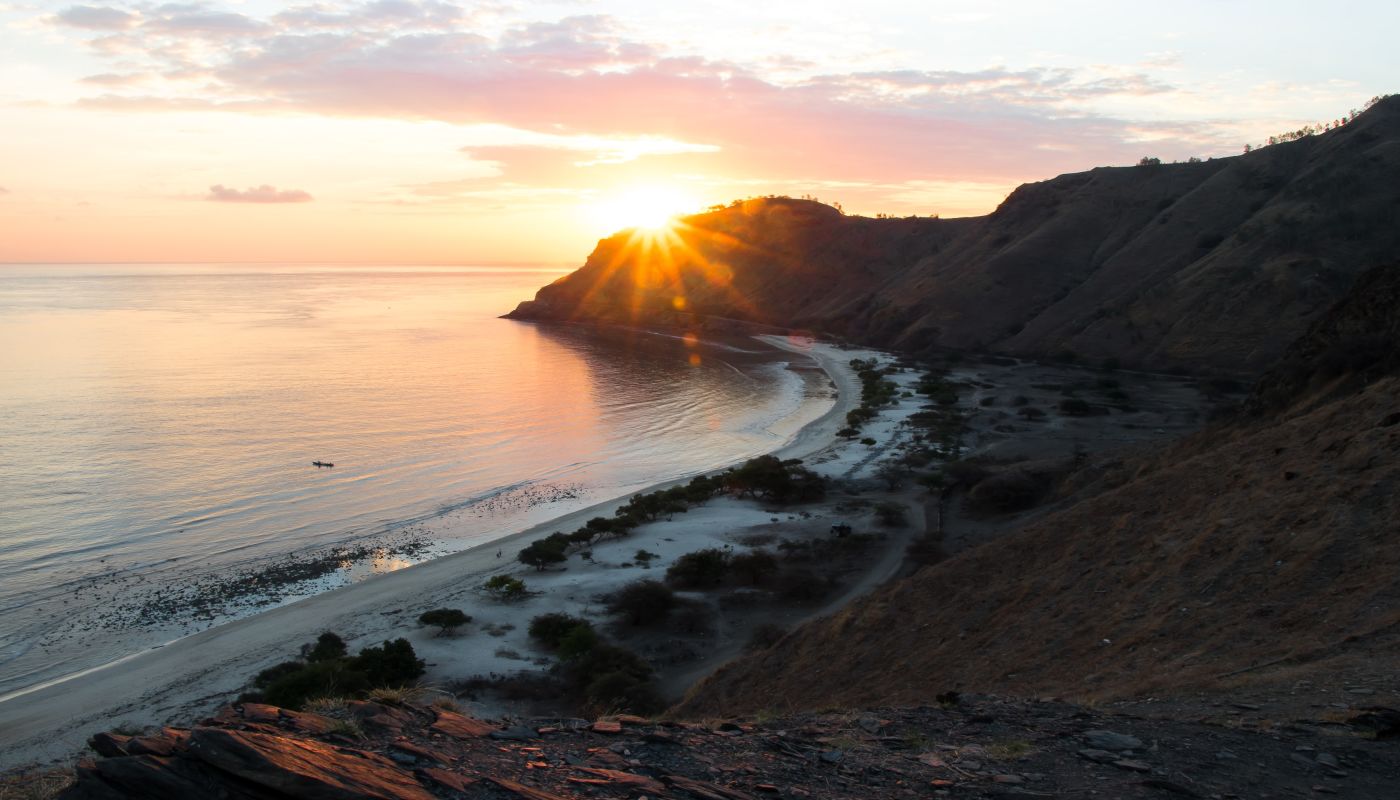

Landscape of Timor-Leste
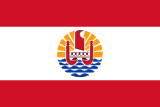
Flag of Timor-Leste

Timor-Leste

Australia/Oceania

With a population of just over 1.3 million people, Timor-Leste is a developing country that has made progress in areas such as healthcare, education, and environmental conservation. The country's economy is based on agriculture, manufacturing, and natural resources, but it also faces challenges related to economic diversification and job creation. Timor-Leste has been working to address issues related to corruption, human rights abuses, and political polarization, while also implementing market-oriented economic reforms to attract more foreign investment and create new opportunities. The country has made strides in recent years towards improving governance, reducing poverty, and promoting sustainable development, and is considered one of the most democratic nations in Southeast Asia. Timor-Leste is also known for its rich cultural heritage and unique traditions, and attracts visitors from around the world who are drawn to its beautiful beaches and rugged landscapes.

What would you like to learn about in Timor-Leste?

Select a section to explore the country where nonprofits are creating positive change.

About Timor-Leste

The Portuguese began to trade with the island of Timor in the early 16th century and colonized it in mid-century. Skirmishing with the Dutch in the region eventually resulted in an 1859 treaty in which Portugal ceded the western portion of the island. Imperial Japan occupied Portuguese Timor from 1942 to 1945, but Portugal resumed colonial authority after the Japanese defeat in World War II. East Timor declared itself independent from Portugal on 28 November 1975 and was invaded and occupied by Indonesian forces nine days later. It was incorporated into Indonesia in July 1976 as the province of Timor Timur (East Timor). An unsuccessful campaign of pacification followed over the next two decades, during which an estimated 100,000 to 250,000 individuals lost their lives. On 30 August 1999, in a UN-supervised popular referendum, an overwhelming majority of the people of Timor-Leste voted for independence from Indonesia. However, in the next three weeks, anti-independence Timorese militias - organized and supported by the Indonesian military - commenced a large-scale, scorched-earth campaign of retribution. The militias killed approximately 1,400 Timorese and forcibly pushed 300,000 people into western Timor as refugees. Most of the country's infrastructure, including homes, irrigation systems, water supply systems, and schools, and nearly 100% of the country's electrical grid were destroyed. On 20 September 1999, Australian-led peacekeeping troops deployed to the country and brought the violence to an end. On 20 May 2002, Timor-Leste was internationally recognized as an independent state. In 2006, internal tensions threatened the new nation's security when a military strike led to violence and a breakdown of law and order. At Dili's request, an Australian-led International Stabilization Force (ISF) deployed to Timor-Leste, and the UN Security Council established the UN Integrated Mission in Timor-Leste (UNMIT), which included an authorized police presence of over 1,600 personnel. The ISF and UNMIT restored stability, allowing for presidential and parliamentary elections in 2007 in a largely peaceful atmosphere. In February 2008, a rebel group staged an unsuccessful attack against the president and prime minister. The ringleader was killed in the attack, and most of the rebels surrendered in April 2008. Since the attack, the government has enjoyed one of its longest periods of post-independence stability, including successful 2012 elections for both the parliament and president. In late 2012, the UN Security Council voted to end its peacekeeping mission in Timor-Leste and both the ISF and UNMIT departed the country by the end of the year.

Quick Facts

Population
1,172,390
Area
14,874 sq km
ISO Code
TL
Continent
Australia/Oceania
Government
republic
Active Causes
12
View all countries in Australia/Oceania

Geography & Environment

Climate

tropical; hot, humid; distinct rainy and dry seasons

Terrain

mountainous

Natural Resources

gold, petroleum, natural gas, manganese, marble

Environmental Issues

widespread use of slash and burn agriculture has led to deforestation and soil erosion

People & Society

67.06 years
Avg. Life Expectancy
58.3%
Literacy Rate
28.3% of total population (2011)
Total Urban Population

Languages

Tetum (official), Portuguese (official), Indonesian, English

Religions

Roman Catholic 98%, Muslim 1%, Protestant 1% (2005)

Health Expenditure

9.1% of GDP (2010) of GDP

Education Expenditure

10.1% of GDP (2011) of GDP

Economy

$10,000
GDP per Capita (PPP)
18.4%
Unemployment Rate
41% (2009 est.)
Below Poverty Line

Economic Overview

Since its 1999 independence, Timor-Leste has faced great challenges in rebuilding its infrastructure, strengthening the civil administration, and generating jobs for young people entering the work force. The development of oil and gas resources in offshore waters has greatly supplemented government revenues. This technology-intensive industry, however, has done little to create jobs for the unemployed in part because there are no production facilities in Timor-Leste. Gas is piped to Australia. In June 2005, the National Parliament unanimously approved the creation of a Petroleum Fund to serve...

Causes in Timor-Leste

Environment

Timor-Leste, a small Southeast Asian nation, faces significant environmental challenges that impact its population and natural resources. The country's rugged terrain and susceptibility to natural disasters such as floods, landslides, and droughts are exacerbated by climate change, deforestation, and inadequate waste management practices. These environmental issues threaten the livelihoods of Timor-Leste's predominantly agrarian population, leading to food insecurity and economic instability. Moreover, the country's rich biodiversity is under threat due to habitat destruction and overexploitation of natural resources. Addressing these environmental concerns is crucial for the sustainable development and resilience of Timor-Leste.

Family

In Timor-Leste, also known as East Timor, family plays a profound role in shaping the social fabric and cultural identity of its people. The concept of family extends beyond immediate relatives to encompass extended family members, neighbors, and community members. Families in Timor-Leste are characterized by strong bonds, mutual support, and interdependence, with collective decision-making and cooperation being integral to their daily lives. Family members often rely on each other for emotional, financial, and practical support, fostering a sense of unity and solidarity within the community. Moreover, family structures in Timor-Leste are deeply rooted in tradition and customs, with respect for elders and ancestors playing a pivotal role in shaping social norms and values. The significance of family in Timor-Leste extends to various aspects of life, including education, healthcare, and social welfare, highlighting its crucial impact on the well-being and resilience of individuals and communities in the country.

Human Rights

Timor-Leste, a Southeast Asian nation, has faced significant challenges in upholding human rights due to its tumultuous history of conflict and colonization. The impact of human rights violations in Timor-Leste is profound, with issues such as political suppression, lack of access to basic services, and widespread poverty affecting its population. The legacy of past atrocities, including the violence surrounding its struggle for independence, continues to shape the socio-political landscape of the country. Human rights abuses have hindered the development and prosperity of Timor-Leste, hindering progress towards a more equitable society. It is imperative for stakeholders to address these challenges and work towards ensuring the protection and promotion of human rights in Timor-Leste for a sustainable future.

Education

Timor-Leste, a Southeast Asian nation, has faced significant challenges in the realm of education. With a history marked by conflict and instability, the country has struggled to provide quality education to its citizens. Limited resources, infrastructure deficits, and a shortage of trained teachers have hindered the development of the education system in Timor-Leste. The impact of these challenges is profound, with low literacy rates and limited access to educational opportunities for many individuals, especially in rural areas. Despite efforts by the government and international organizations to improve the education sector, much work remains to be done to ensure that all Timorese have access to quality education and the opportunity for a brighter future.

Poverty

Timor-Leste, a Southeast Asian nation with a tumultuous history, continues to grapple with the profound effects of poverty. Despite considerable progress since gaining independence in 2002, poverty remains a pressing issue in the country, affecting a significant proportion of its population. The impact of poverty in Timor-Leste is multifaceted, with challenges ranging from limited access to basic necessities such as healthcare and education to high unemployment rates and inadequate infrastructure. These factors contribute to a cycle of poverty that hinders the country's overall development and well-being. It is vital for both local and international stakeholders to prioritize efforts aimed at alleviating poverty in Timor-Leste to ensure a more sustainable and prosperous future for its people.

Religion

Religion plays a significant role in the societal fabric of Timor-Leste, a Southeast Asian country with a predominantly Christian population. The influence of Roman Catholicism, introduced during the Portuguese colonial period, permeates various aspects of life, shaping cultural norms, traditions, and even political dynamics. The Catholic Church in Timor-Leste has been a vocal advocate for social justice and played a pivotal role in the country's struggle for independence from Indonesia. Moreover, religious practices and beliefs often intersect with local customs, creating a unique spiritual landscape that reflects the fusion of traditional animist beliefs with Christianity. Despite the predominantly Christian population, a small minority practices Islam and other faiths, contributing to the country's religious diversity. It is essential to understand the interplay between religion and society in Timor-Leste to appreciate the complexities of its cultural tapestry and promote mutual understanding among its diverse religious communities.

Clean Water

Timor-Leste, a Southeast Asian nation, faces significant challenges in accessing clean water, with approximately 41% of its population lacking access to improved drinking water sources. The scarcity of clean water in Timor-Leste poses a serious threat to public health, leading to high rates of waterborne diseases such as diarrhea and typhoid fever. The lack of adequate sanitation facilities exacerbates the problem, further increasing the risk of disease transmission. Moreover, the impact of climate change, including prolonged droughts and unpredictable rainfall patterns, further compounds the country's water insecurity issues. Addressing the issue of clean water access is crucial for improving the overall health and well-being of the Timorese population, reducing disease burden, and promoting sustainable development in the country.

Economy

Timor-Leste, a small Southeast Asian nation, has faced significant economic challenges since gaining independence in 2002. The country heavily relies on oil and gas reserves, which account for the majority of its revenue. However, the fluctuation in global oil prices has left Timor-Leste vulnerable to economic instability. Additionally, limited economic diversification and infrastructure development have hindered sustainable growth. The economy's heavy reliance on oil and gas has not translated into widespread economic development, leading to high levels of poverty and unemployment. Addressing these challenges is crucial for Timor-Leste to achieve long-term economic stability and improve the well-being of its population.

Government

Timor-Leste, a small Southeast Asian nation, has faced significant challenges due to its tumultuous history of conflict and colonization. The government of Timor-Leste plays a crucial role in shaping the country's development and stability. The impact of the government on Timor-Leste is profound, as it is responsible for providing essential services, maintaining law and order, and fostering economic growth. However, issues such as corruption, inefficiency, and limited resources have hindered the government's ability to effectively address the country's pressing needs, including poverty reduction and infrastructure development. Furthermore, political instability and internal divisions have at times created obstacles to progress. Despite these challenges, efforts are being made to strengthen governance and promote sustainable development in Timor-Leste.

Health

Timor-Leste, a small Southeast Asian nation, faces significant health challenges that have a profound impact on its population. Limited access to healthcare services, inadequate infrastructure, and a high prevalence of communicable diseases are key factors contributing to the country's health issues. Malnutrition, maternal and child mortality rates, and a lack of skilled healthcare professionals further compound the health concerns faced by the Timorese people. The ongoing COVID-19 pandemic has also strained the country's healthcare system, highlighting the need for improved health infrastructure and resources. Addressing these challenges is crucial to improving the overall well-being and quality of life for the people of Timor-Leste.

Children

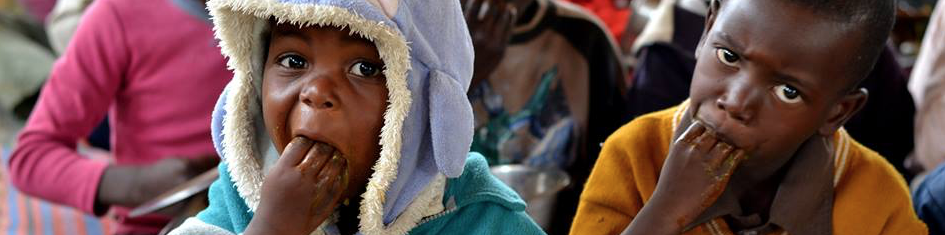
Timor-Leste, known for its rich cultural heritage and stunning landscapes, grapples with various challenges that affect its children. The impact of poverty, limited access to healthcare and education, and the lingering effects of past conflicts have significantly affected the wellbeing of children in this country. According to UNICEF, Timor-Leste faces high rates of child malnutrition, limited access to clean water and sanitation facilities, and a shortage of qualified teachers in schools. These issues not only hinder the development and future prospects of children but also contribute to the cycle of poverty and inequality in the nation. By addressing these challenges and investing in the well-being and education of children, Timor-Leste can pave the way for a brighter future for its younger generations.

Animals

Timor-Leste, a country located in Southeast Asia, is home to a rich variety of wildlife that plays a crucial role in the ecosystem and the livelihoods of its people. The animals in Timor-Leste, including various bird species, saltwater crocodiles, and unique marsupials like the cuscus, are essential to the local biodiversity. However, several factors such as habitat loss, illegal hunting, and climate change pose significant threats to these animals. Deforestation for agriculture and logging activities has led to the destruction of natural habitats, pushing many species to the brink of extinction. Moreover, poaching and wildlife trafficking continue to endanger the survival of several iconic species in Timor-Leste. Efforts to protect and conserve these animals are essential to preserving the country's natural heritage and ensuring a sustainable future for both wildlife and the communities that depend on them.

Nonprofits Working in Timor-Leste

Discover organizations making a difference in Timor-Leste

Make Your Impact Today

Discover causes you care about and support the nonprofits making a difference in communities around the world.

Are you a nonprofit? Join Project World Impact for free

Join Us Free