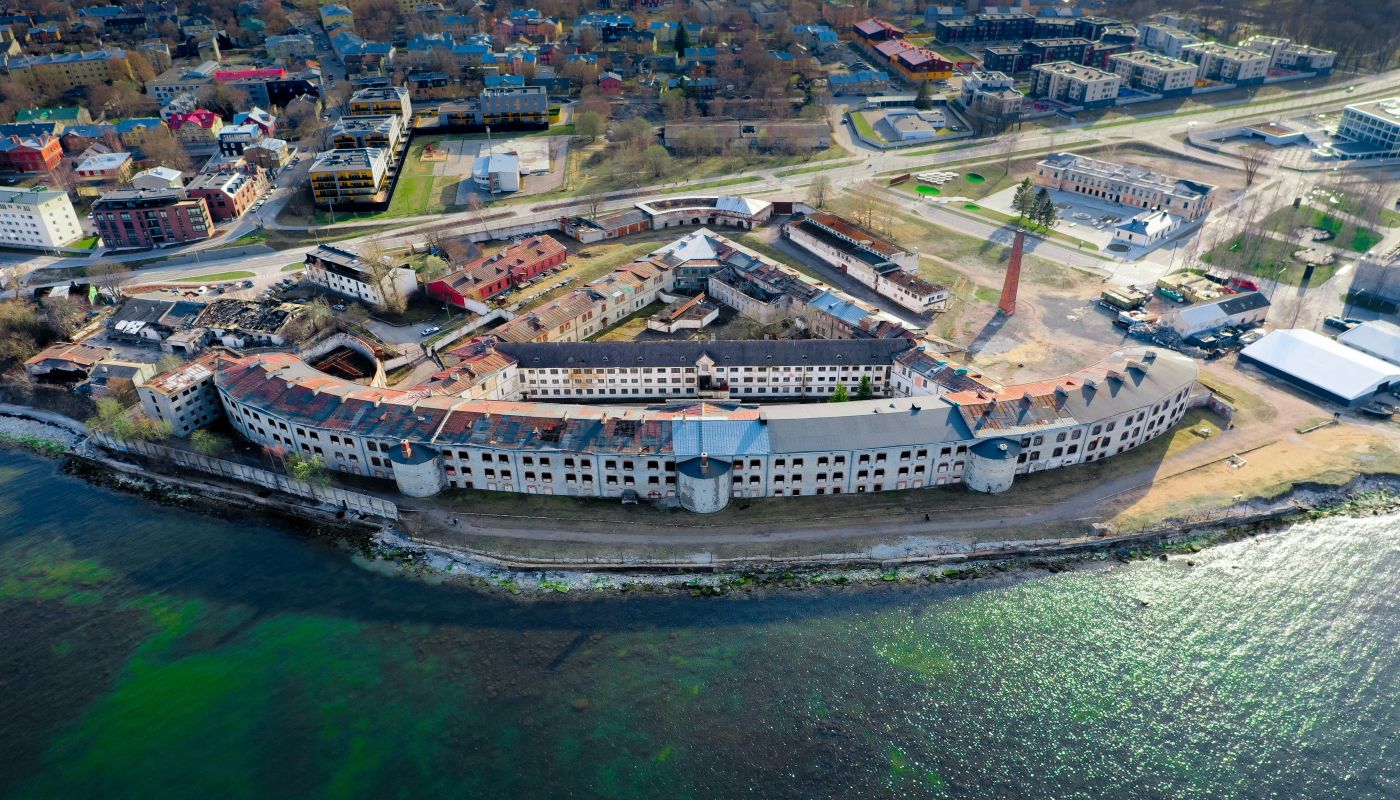
Landscape of Estonia
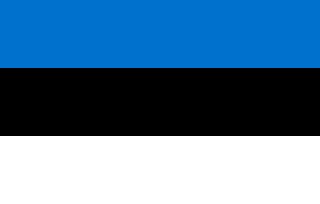
Flag of Estonia

Estonia

Europe

Estonia is a beautiful and unique country located in Northern Europe, with a population of approximately 1.3 million people. Despite being a small country, Estonia boasts a rich history and culture, with its capital city of Tallinn being a UNESCO World Heritage site. The country is also known for its stunning natural beauty, with over 50% of its land covered by forests and over 1,500 islands dotting its coastline. In recent years, Estonia has made significant strides in the field of technology, becoming one of the most digitally advanced societies in the world. It is also known for its innovative e-governance system, which allows citizens to access a wide range of services online, from voting to filing taxes. The country has also been recognized for its high levels of social equality and its progressive attitudes towards LGBT+ rights. Estonia is a vibrant and forward-thinking country with much to offer.

What would you like to learn about in Estonia?

Select a section to explore the country where nonprofits are creating positive change.

About Estonia

After centuries of Danish, Swedish, German, and Russian rule, Estonia attained independence in 1918. Forcibly incorporated into the USSR in 1940 - an action never recognized by the US - it regained its freedom in 1991 with the collapse of the Soviet Union. Since the last Russian troops left in 1994, Estonia has been free to promote economic and political ties with the West. It joined both NATO and the EU in the spring of 2004, formally joined the OECD in late 2010, and adopted the euro as its official currency on 1 January 2011.

Quick Facts

Population
1,266,375 (July 2013 est.)
Area
45,228 sq km
ISO Code
EE
Continent
Europe
Government
parliamentary republic
Active Causes
12
View all countries in Europe

Geography & Environment

Climate

maritime; wet, moderate winters, cool summers

Terrain

marshy, lowlands; flat in the north, hilly in the south

Natural Resources

oil shale, peat, rare earth elements, phosphorite, clay, limestone, sand, dolomite, arable land, sea mud

Environmental Issues

air polluted with sulfur dioxide from oil-shale burning power plants in northeast; however, the amount of pollutants emitted to the air have fallen steadily, the emissions of 2000 were 80% less than i...

People & Society

73.82 years
Avg. Life Expectancy
99.8%
Literacy Rate
69.5% of total population (2011)
Total Urban Population

Languages

Estonian (official) 67.3%, Russian 29.7%, other 2.3%, unknown 0.7% (2000 census)

Religions

Evangelical Lutheran 13.6%, Orthodox 12.8%, other Christian (including Methodist, Seventh-Day Adventist, Roman Catholic, Pentecostal) 1.4%, unaffiliat...

Health Expenditure

6% of GDP (2010) of GDP

Education Expenditure

6.1% of GDP (2009) of GDP

Economy

$22,100
GDP per Capita (PPP)
10.2%
Unemployment Rate
17.5% (2010)
Below Poverty Line

Economic Overview

Estonia, a member of the European Union and the eurozone since 2004, has a modern market-based economy and one of the higher per capita income levels in Central Europe and the Baltic region. Estonia's successive governments have pursued a free market, pro-business economic agenda and have wavered little in their commitment to pro-market reforms. The current government has followed sound fiscal policies that have resulted in balanced budgets and low public debt. The economy benefits from strong electronics and telecommunications sectors and strong trade ties with Finland, Sweden, Russia, and Ge...

Causes in Estonia

Environment

Estonia, a country located in Northern Europe, is deeply impacted by environmental factors that affect its landscape and population. The nation's heavy reliance on oil shale for energy production has led to air and water pollution, posing significant health risks to its citizens. Additionally, deforestation and industrial activities have caused habitat destruction and loss of biodiversity. Estonia’s vulnerability to climate change is evident through rising sea levels that threaten coastal areas and extreme weather events that disrupt daily life. Addressing these environmental challenges is crucial to safeguarding the well-being of both the people and ecosystems of Estonia.

Family

In Estonia, family plays a significant role in shaping individuals and societal values. Family ties are deeply rooted in Estonian culture, with a strong emphasis on mutual support and intergenerational relationships. The concept of family extends beyond the nuclear unit to include extended family members, such as grandparents, aunts, and uncles, who often play vital roles in childcare and upbringing. Family gatherings and traditions hold great importance, serving as occasions for strengthening bonds and passing down cultural heritage. Moreover, the family unit is seen as a cornerstone of social stability and cohesion in Estonian society, providing emotional support and a sense of belonging to its members. Through its influence on personal development and community dynamics, the institution of family shapes the fabric of Estonian society.

Human Rights

Estonia, a Baltic country in Northern Europe, has made significant strides in upholding human rights since regaining independence in 1991. The country has ratified key international treaties, such as the European Convention on Human Rights and the International Covenant on Civil and Political Rights, demonstrating its commitment to protecting fundamental freedoms and ensuring equality for all its citizens. Despite these efforts, challenges persist, particularly with regards to discrimination against minority groups, including the Russian-speaking population. The government has taken steps to address these issues by implementing policies to promote inclusivity and diversity. However, there is still work to be done to fully realize human rights for all individuals in Estonia. By raising awareness and fostering dialogue on human rights issues, Estonia can continue its progress towards a more equitable society.

Education

Estonia, a small Baltic nation in Northern Europe, has made significant strides in its education system, positioning itself as a global leader in educational excellence. The country places a strong emphasis on education, viewing it as a key driver of economic growth and societal development. With a focus on digital innovation and technology integration in schools, Estonia has embraced a forward-thinking approach to education, equipping its students with the necessary skills for the 21st century workforce. This commitment to educational reform has yielded impressive results, with Estonian students consistently ranking among the top performers in international assessments such as the Programme for International Student Assessment (PISA). By investing in education, Estonia has not only improved academic outcomes but has also fostered a culture of lifelong learning and innovation that is essential for future prosperity.

Poverty

Estonia, a small Baltic nation in Northern Europe, has been grappling with the issue of poverty that significantly impacts its population. Despite being one of the fastest-growing economies in the European Union, poverty remains a pressing concern in Estonia. The country's transition from a Soviet-controlled state to an independent nation brought about economic challenges that have led to disparities in wealth distribution. High unemployment rates, particularly in rural areas, coupled with low wages and limited access to quality education and healthcare, have contributed to the persistence of poverty in Estonia. As a result, many Estonians struggle to meet their basic needs and are at risk of social exclusion. Addressing poverty in Estonia requires comprehensive social and economic policies that prioritize equitable opportunities for all its citizens.

Religion

Estonia, a Baltic country located in Northern Europe, boasts a diverse religious landscape influenced by historical events. Historically, Estonia has been predominantly Christian, with Lutheran Protestantism being the largest denomination. However, the country has embraced religious diversity in recent decades, with a significant portion of the population identifying as non-religious or atheist. This shift can be attributed to Estonia's history of Soviet occupation, where religious practices were suppressed. As a result, the country now values secularism and freedom of religion. While Christianity remains an integral part of Estonian culture and heritage, the influence of religion on societal norms and governance is relatively minimal compared to other European countries. This unique balance between tradition and modernity has shaped Estonia's cultural identity and values.

Clean Water

Estonia, a Baltic state in Northern Europe, is a country known for its rich natural beauty and commitment to environmental conservation. The availability of clean water plays a crucial role in sustaining Estonia's ecosystems, supporting public health, and driving economic development. With over 1,400 lakes and numerous rivers, access to clean water is vital for agriculture, tourism, and industry in Estonia. The country has made significant investments in water treatment facilities and pollution control measures to ensure the quality of its water sources. However, challenges such as agricultural runoff, industrial pollution, and aging infrastructure continue to threaten the cleanliness of Estonia's water bodies. It is imperative for individuals, industries, and policymakers to collaborate on sustainable practices to protect and preserve Estonia's precious water resources for future generations.

Economy

Estonia, a Baltic country in Northern Europe, boasts a dynamic economy that significantly shapes the nation's societal fabric. The country's economy is characterized by a strong emphasis on technology and innovation, with sectors such as information technology, electronics, and telecommunications playing pivotal roles in driving economic growth. Moreover, Estonia's strategic location and well-developed infrastructure have positioned it as an attractive destination for foreign investment and trade. However, like many other nations, Estonia faces challenges such as income inequality and unemployment, which can impact the well-being of its citizens. By understanding the intricate relationship between the economy and societal well-being in Estonia, stakeholders can work towards implementing policies that promote sustainable growth and prosperity for all.

Government

Estonia, a Baltic country in Northern Europe, has made significant strides in various sectors over the years. The government plays a crucial role in shaping the nation's development and progress. The Estonian government has focused on implementing digital solutions to enhance efficiency and transparency in various public services, leading to the rise of e-governance in the country. This forward-thinking approach has not only improved the overall quality of services but has also attracted global attention for its innovation and effectiveness. Additionally, the government's commitment to promoting education, technology, and entrepreneurship has fostered a conducive environment for economic growth and societal advancement. By prioritizing policies that prioritize sustainability, innovation, and social welfare, the Estonian government continues to positively influence the lives of its citizens and contribute to the country's overall prosperity.

Health

Estonia, a small Baltic nation in Northern Europe, faces significant health challenges that impact its population. One of the key health issues in Estonia is the high prevalence of lifestyle-related diseases such as cardiovascular diseases, diabetes, and obesity. These conditions are often linked to poor dietary habits, lack of physical activity, and high rates of smoking among Estonians. Additionally, mental health issues, including depression and anxiety, are also a concern in the country. Estonia has made efforts to address these health challenges through various public health campaigns and initiatives aimed at promoting healthy lifestyles and improving access to healthcare services. However, more work is needed to effectively combat these issues and improve the overall health outcomes of the Estonian population.

Children

Estonia, a country situated in Northern Europe, faces various challenges that impact its children. The prevalence of poverty in Estonia has a significant influence on the well-being of children, with approximately 21% of children living below the poverty line. This economic disadvantage can lead to limited access to quality education, healthcare, and proper nutrition, ultimately affecting the overall development and future opportunities of these children. Furthermore, mental health issues among Estonian children are a growing concern, with rates of anxiety and depression on the rise. Addressing these issues requires a comprehensive approach that includes social support systems, mental health services, and efforts to alleviate poverty. By raising awareness of these challenges, we can work towards creating a better future for the children of Estonia.

Animals

In Estonia, animals play a significant role in the country's biodiversity and cultural heritage. The diverse ecosystems of forests, wetlands, and coastal areas support a wide range of wildlife, including species like lynx, wolves, and brown bears. These animals are not just a source of natural beauty but also contribute to the overall health of the environment by regulating prey populations and maintaining ecological balance. Additionally, Estonia has a strong tradition of wildlife conservation and protection, with efforts to conserve endangered species and their habitats through national parks and reserves. However, like many countries, Estonia faces challenges such as habitat loss, climate change, and illegal poaching that threaten the well-being of its animal populations. By raising awareness about these issues and supporting conservation initiatives, we can help ensure a sustainable future for Estonia's rich natural heritage.

Nonprofits Working in Estonia

Discover organizations making a difference in Estonia

Make Your Impact Today

Discover causes you care about and support the nonprofits making a difference in communities around the world.

Are you a nonprofit? Join Project World Impact for free

Join Us Free