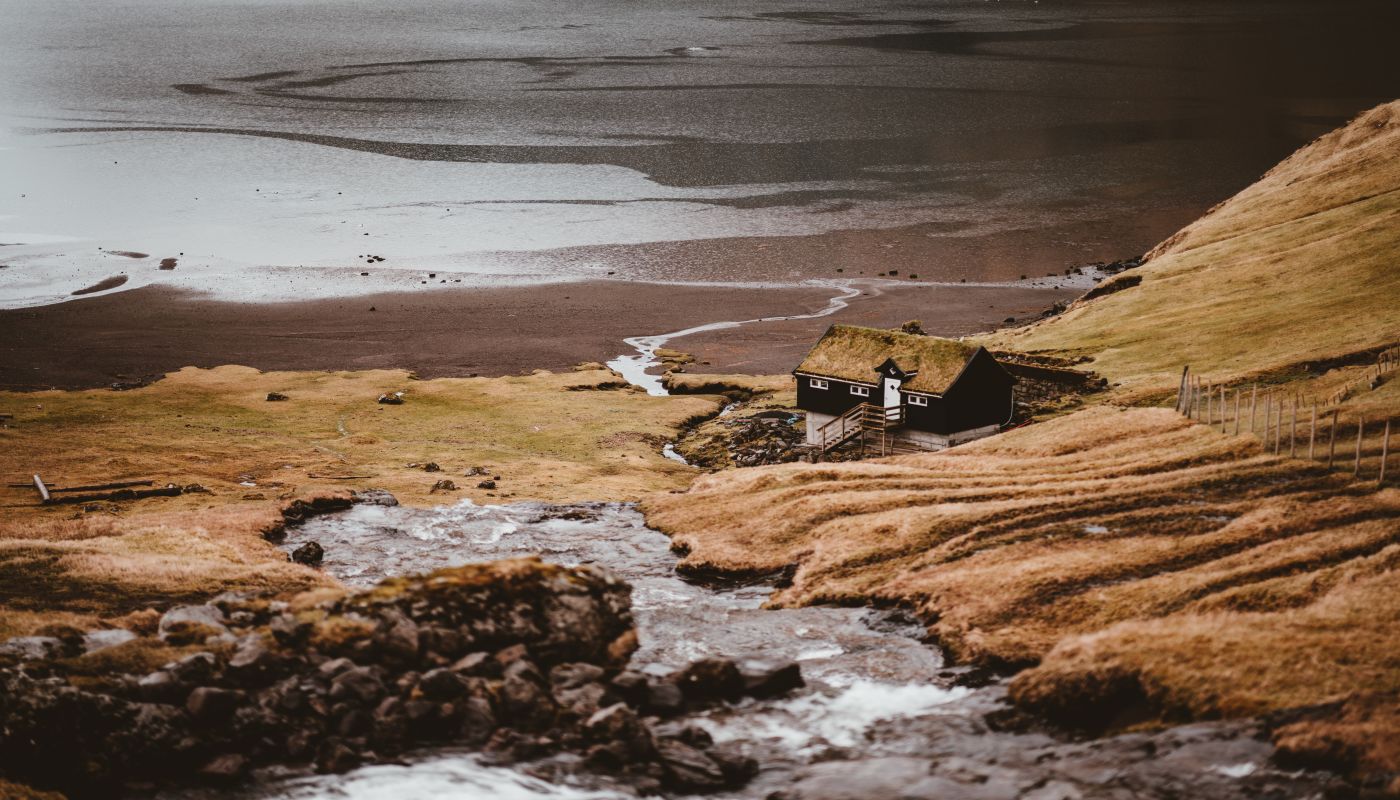
Landscape of Faroe Islands
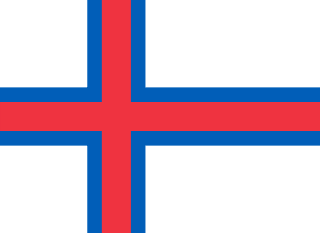
Flag of Faroe Islands

Faroe Islands

Europe

The Faroe Islands are a group of islands located in the North Atlantic Ocean, with a population of around 50,000 people. The islands are home to a unique breed of sheep that can climb steep cliffs. Despite challenges related to isolation and climate change, the Faroe Islands have a thriving economy and a strong sense of cultural identity. Efforts to promote sustainable tourism and protect the environment are ongoing, with the government working closely with local communities to ensure a sustainable future for the islands.
What would you like to learn about in Faroe Islands?

Select a section to explore the country where nonprofits are creating positive change.

About Faroe Islands

The Faroe Islands are a group of islands located in the North Atlantic Ocean, with a population of around 50,000 people. The islands are home to a unique breed of sheep that can climb steep cliffs. Despite challenges related to isolation and climate change, the Faroe Islands have a thriving economy and a strong sense of cultural identity. Efforts to promote sustainable tourism and protect the environment are ongoing, with the government working closely with local communities to ensure a sustainable future for the islands.
Causes in Faroe Islands

Environment

The Faroe Islands, an autonomous territory within the Kingdom of Denmark, is a remote archipelago situated in the North Atlantic Ocean. Despite their stunning natural beauty and rich cultural heritage, the Faroe Islands face significant environmental challenges that impact their inhabitants and ecosystems. One of the primary concerns is marine pollution, largely attributed to the fishing industry, which forms the backbone of the islands' economy. Additionally, climate change has led to rising sea levels and erratic weather patterns, threatening coastal communities and infrastructure. Furthermore, the islands' unique flora and fauna are at risk due to habitat destruction and invasive species. Addressing these environmental issues is crucial to safeguarding the Faroe Islands' natural resources for future generations.

Family

The Faroe Islands, an autonomous territory within the Kingdom of Denmark, is a nation characterized by its unique cultural practices and stunning natural landscapes. Family holds a significant role in Faroese society, with strong emphasis placed on familial bonds and traditional family values. Families in the Faroe Islands play a central role in providing support, care, and guidance to their members, contributing to the well-being and cohesion of the community as a whole. The concept of family extends beyond immediate relatives to include extended family members and even close friends, fostering a sense of interconnectedness and solidarity within the society. This deep-rooted value of family influences various aspects of daily life, from decision-making processes to social interactions, ultimately shaping the fabric of Faroese culture.

Human Rights

The Faroe Islands, an autonomous territory within the Kingdom of Denmark, are situated in the North Atlantic Ocean. The islands have a population of around 52,000 and are known for their stunning natural landscapes and rich cultural heritage. When examining the impact of Human Rights on the Faroe Islands, it is crucial to consider the unique challenges faced by this remote archipelago. Issues such as gender equality, minority rights, and environmental protection are significant concerns for the Faroese people. Ensuring that Human Rights are upheld in areas such as education, healthcare, and employment is essential for promoting social justice and equality in this small island nation.

Education

The Faroe Islands, an autonomous territory within the Kingdom of Denmark, faces unique challenges in the realm of education due to its remote location and small population of around 50,000 inhabitants. Despite these challenges, the Faroe Islands places a strong emphasis on education as a means to foster economic growth and social development within its community. The education system in the Faroe Islands is comprehensive and free for all residents up to the age of 18, providing a solid foundation for individuals to pursue higher education and contribute to the country's workforce. However, limited resources and a scarcity of educational institutions can hinder access to advanced academic programs, leading some students to pursue studies abroad. Efforts are being made to enhance educational opportunities through partnerships with international universities and the promotion of distance learning programs. Education plays a vital role in shaping the future of the Faroe Islands by equipping its citizens with the skills and knowledge necessary to thrive in an increasingly globalized world.

Poverty

The Faroe Islands, an autonomous territory within the Kingdom of Denmark, are characterized by a high standard of living, with a strong economy driven primarily by fishing and aquaculture industries. However, despite these economic advantages, poverty remains a significant issue for certain segments of the population on the islands. Factors such as limited employment opportunities, high costs of living, and geographic isolation contribute to the prevalence of poverty in some areas. The impact of poverty in the Faroe Islands is manifested through challenges related to access to healthcare, education, and social services for those affected. Efforts to address poverty in the Faroe Islands include social welfare programs and community support initiatives aimed at providing assistance to vulnerable individuals and families. Raising awareness about the realities of poverty in this unique island nation is crucial in fostering understanding and garnering support for sustainable solutions to alleviate hardship and improve the quality of life for all residents.

Religion

In the Faroe Islands, a self-governing territory of Denmark, religion plays a significant role in shaping the social fabric of the community. The predominant religion in the Faroe Islands is Christianity, with the Lutheran Church being the national church. Religion influences various aspects of life in the Faroe Islands, including cultural traditions, moral values, and societal norms. Religious festivals and events are integral to the local calendar, providing opportunities for communal gatherings and reflection. The influence of religion can also be observed in the ethical considerations and decision-making processes of individuals and communities. While religious diversity is limited in the Faroe Islands, with Christianity being deeply ingrained in the societal framework, there is a growing awareness and acceptance of alternative belief systems among the population. It is essential to recognize the impact of religion on the Faroese society to foster cross-cultural understanding and respect within this unique community.

Clean Water

The Faroe Islands, an autonomous territory within the Kingdom of Denmark, is a picturesque archipelago located in the North Atlantic Ocean. With a population of around 52,000 people, the Faroe Islands are known for their stunning landscapes, vibrant culture, and traditional fishing industry. Clean water plays a crucial role in the daily lives of the Faroese people, as it is essential for drinking, cooking, sanitation, and sustaining the rich biodiversity of the surrounding marine environment. The purity of the island's water sources is of utmost importance to safeguard public health and maintain the delicate ecological balance of this remote region. Despite their relatively pristine environment, the Faroe Islands are not immune to challenges such as pollution from shipping activities, agricultural runoff, and plastic waste. As such, efforts to protect and preserve clean water resources in the Faroe Islands are vital to ensure a sustainable future for both its residents and the unique ecosystems that call this place home.

Economy

The Faroe Islands, an autonomous territory of Denmark, is a self-governing archipelago located in the North Atlantic Ocean between Norway and Iceland. Despite its small population of around 52,000 inhabitants, the Faroe Islands boast a thriving economy primarily driven by fishing and aquaculture industries. These sectors account for a significant portion of the country's GDP and employment opportunities, making them crucial pillars of the Faroese economy. The fishing industry, in particular, plays a vital role in sustaining the livelihoods of many Faroese residents. The impact of the economy on the Faroe Islands is profound, as it influences various aspects of society, including employment, infrastructure development, and social welfare programs. The reliance on fisheries as a primary economic driver exposes the Faroe Islands to external factors such as fluctuating fish stocks, market demand, and environmental concerns. Economic fluctuations can have far-reaching consequences on the well-being of the population, highlighting the importance of diversifying the economy and implementing sustainable practices to ensure long-term prosperity for the Faroese people.

Government

The Faroe Islands, an autonomous territory within the Kingdom of Denmark, are a small archipelago located in the North Atlantic Ocean. With a population of around 52,000 people, the Faroe Islands face unique challenges as a result of their remote location and limited resources. The government of the Faroe Islands plays a crucial role in addressing these challenges and shaping the future of the territory. The government is responsible for a wide range of areas including healthcare, education, infrastructure development, and environmental sustainability. Through policies and initiatives, the government of the Faroe Islands aims to improve the quality of life for its residents while preserving the unique cultural and natural heritage of the islands.

Health

The Faroe Islands, a self-governing territory of Denmark, faces unique health challenges due to its remote location in the North Atlantic Ocean. Despite boasting a high standard of living and a well-developed healthcare system, the islanders grapple with health issues such as high rates of heart disease, obesity, and mental health disorders. The traditional Faroese diet, rich in fish and meat, contributes to these health concerns, while isolation and limited access to specialized medical care pose additional obstacles. Furthermore, environmental factors such as pollution from industrial activities and marine contaminants also impact the population's health. Addressing these complex health challenges requires a multifaceted approach that includes promoting healthier lifestyles, enhancing healthcare infrastructure, and mitigating environmental risks to safeguard the well-being of the Faroese people.

Children

The Faroe Islands, a self-governing territory within the Kingdom of Denmark, is a remote archipelago located in the North Atlantic Ocean. Children in the Faroe Islands face unique challenges that impact their well-being and development. Limited access to specialized healthcare services, educational opportunities, and social support systems can hinder children's growth and potential. Furthermore, the small population size and geographic isolation of the Faroe Islands can contribute to feelings of loneliness and lack of diversity among children, potentially affecting their social and emotional development. It is imperative to address these issues and provide adequate resources to support the children of the Faroe Islands in reaching their full potential.

Animals

The Faroe Islands, an autonomous territory within the Kingdom of Denmark, is a place deeply rooted in tradition and culture, where the relationship between humans and animals holds significant importance. The traditional practice of whale hunting, known as the Grindadrap, has been a part of Faroese culture for centuries, serving as a vital source of food for the islanders. This practice involves the herding and killing of pilot whales, a species abundant in the waters surrounding the Faroe Islands. While this practice is defended by locals as sustainable and necessary for their survival in a challenging environment, it has sparked controversy and criticism from animal rights groups around the world. The debate surrounding the Grindadrap reflects the complex dynamics between human livelihoods, cultural heritage, and conservation efforts in this unique island nation.

Make Your Impact Today

Discover causes you care about and support the nonprofits making a difference in communities around the world.

Are you a nonprofit? Join Project World Impact for free

Join Us Free