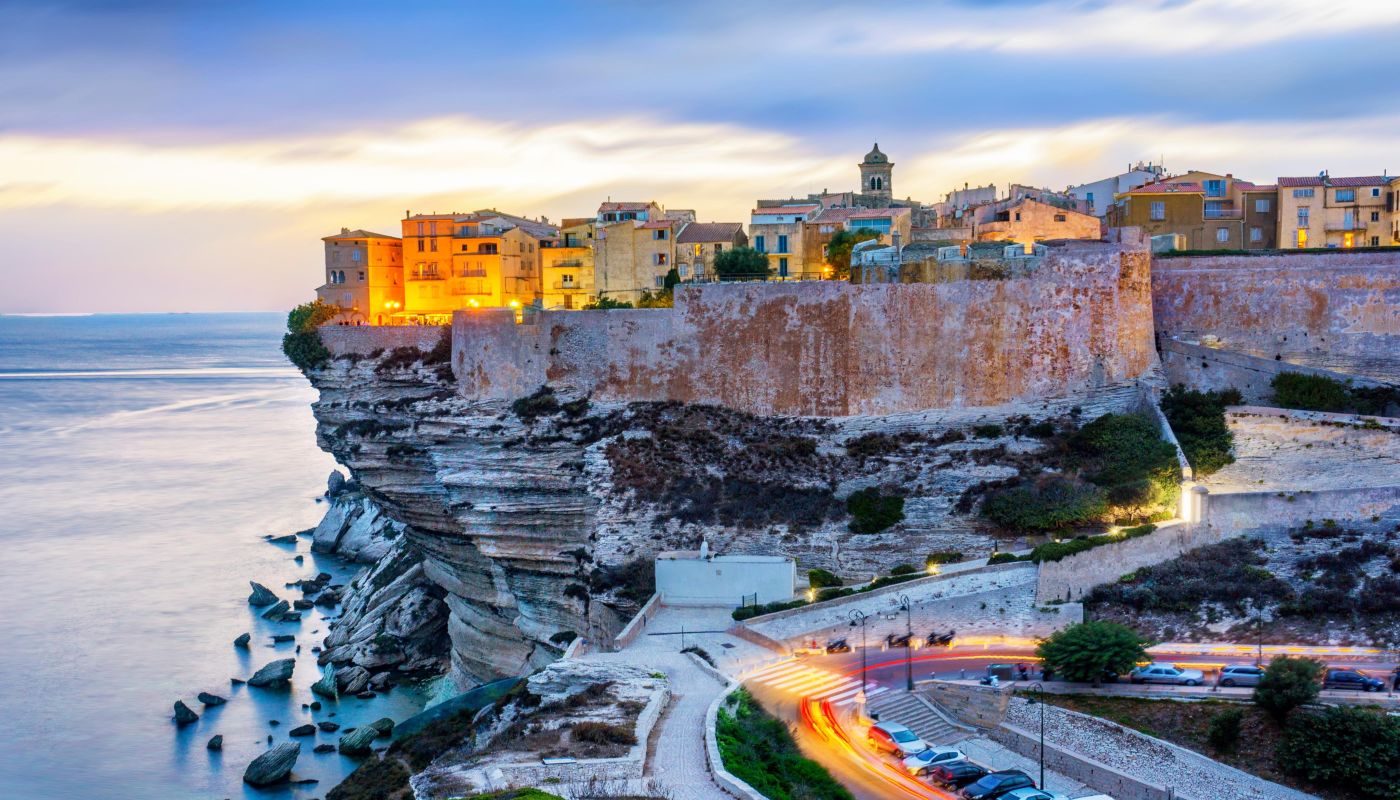
Landscape of France
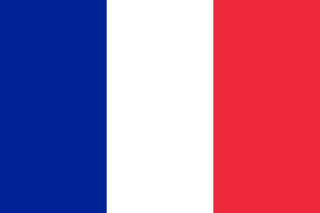
Flag of France

France

Europe

France is a beautiful country located in Western Europe, famous for its iconic landmarks such as the Eiffel Tower, the Louvre Museum, and the Palace of Versailles. With a population of approximately 67 million people, France is the 2nd most populous country in the European Union, after Germany. The French people are known for their rich cultural heritage, fashion, cuisine, and literature, making France a vibrant and exciting place to live or visit. The French government has also taken steps to promote renewable energy and reduce the country's reliance on fossil fuels, demonstrating its commitment to a sustainable future. The country also has a strong economy, with a well-developed industrial sector, a thriving tourism industry, and a rich cultural heritage that attracts visitors from around the world.

What would you like to learn about in France?

Select a section to explore the country where nonprofits are creating positive change.

About France

France today is one of the most modern countries in the world and is a leader among European nations. It plays an influential global role as a permanent member of the United Nations Security Council, NATO, the G-8, the G-20, the EU and other multilateral organizations. France rejoined NATO's integrated military command structure in 2009, reversing de Gaulle's 1966 decision to take French forces out of NATO. Since 1958, it has constructed a hybrid presidential-parliamentary governing system resistant to the instabilities experienced in earlier, more purely parliamentary administrations. In recent decades, its reconciliation and cooperation with Germany have proved central to the economic integration of Europe, including the introduction of a common currency, the euro, in January 1999. In the early 21st century, five French overseas entities - French Guiana, Guadeloupe, Martinique, Mayotte, and Reunion - became French regions and were made part of France proper.

Quick Facts

Population
65,951,611 (July 2013 est.)
Area
643,801 sq km; 551,500 sq km (metropolitan France)
ISO Code
FR
Continent
Europe
Government
republic
Active Causes
12
View all countries in Europe

Geography & Environment

Environmental Issues

some forest damage from acid rain; air pollution from industrial and vehicle emissions; water pollution from urban wastes, agricultural runoff

People & Society

81.56 years
Avg. Life Expectancy
99%
Literacy Rate
85% of total population (2010)
Total Urban Population

Languages

French (official) 100%, rapidly declining regional dialects and languages (Provencal, Breton, Alsatian, Corsican, Catalan, Basque, Flemish)

Religions

Roman Catholic 83%-88%, Protestant 2%, Jewish 1%, Muslim 5%-10%, unaffiliated 4%

Health Expenditure

11.9% of GDP (2010) of GDP

Education Expenditure

5.9% of GDP (2009) of GDP

Economy

$36,100
GDP per Capita (PPP)
10.3%
Unemployment Rate
7.8% (2010)
Below Poverty Line

Economic Overview

The French economy is diversified across all sectors. The government has partially or fully privatized many large companies, including Air France, France Telecom, Renault, and Thales. However, the government maintains a strong presence in some sectors, particularly power, public transport, and defense industries. With at least 79 million foreign tourists per year, France is the most visited country in the world and maintains the third largest income in the world from tourism. France's leaders remain committed to a capitalism in which they maintain social equity by means of laws, tax policies,...

Causes in France

Environment

France, a country known for its rich history, culture, and picturesque landscapes, is not immune to the impacts of environmental factors. The environment plays a significant role in shaping the lives of the French population, influencing various aspects such as agriculture, tourism, and public health. Climate change has led to more frequent extreme weather events in France, including heatwaves and flooding, which pose a threat to both human lives and infrastructure. Pollution from industries and transportation has also been a concerning issue, affecting air quality and contributing to health problems among the population. Furthermore, biodiversity loss due to habitat destruction and pollution threatens the country's unique ecosystems and wildlife. It is crucial for France to address these environmental challenges through sustainable practices and policies to ensure a healthier and more resilient future for its citizens and natural resources.

Family

In France, family plays a significant role in shaping individuals' lives and society as a whole. The French prioritize strong family bonds, with family often being the cornerstone of their social structure. Family gatherings are highly valued, and maintaining close relationships with extended family members is common practice. The concept of "la famille" extends beyond the nuclear family to include grandparents, aunts, uncles, and cousins. This emphasis on family ties is reflected in various aspects of French culture, such as the importance placed on sharing meals together and celebrating holidays as a family unit. Furthermore, familial support is crucial during times of need, providing emotional and financial assistance. Family values are deeply ingrained in French society, influencing everything from child-rearing practices to career choices. Understanding the significance of family in France is key to appreciating the cultural fabric of the nation.

Human Rights

France, a nation known for its rich history and cultural heritage, has been deeply influenced by the principles of Human Rights. The French Revolution of 1789 played a pivotal role in shaping the country's commitment to Human Rights, as it laid the foundation for the Declaration of the Rights of Man and of the Citizen. This document, adopted in 1789, enshrined fundamental rights such as liberty, equality, and fraternity as universal values. Over the years, France has continued to champion Human Rights both domestically and internationally. Issues such as freedom of expression, gender equality, and refugee rights remain at the forefront of the country's agenda. Despite facing challenges in upholding these rights, France remains dedicated to promoting a society based on justice and equality for all its citizens.

Education

In France, education plays a pivotal role in shaping the socio-economic landscape of the nation. With a strong emphasis on academic excellence and innovation, the French education system is renowned for its high standards and rigor. Education in France is not only seen as a means to acquire knowledge but also as a tool for social mobility and economic prosperity. Through a comprehensive system that includes both public and private institutions, France has been able to cultivate a skilled workforce that contributes significantly to its economy. Furthermore, education in France is deeply rooted in promoting cultural heritage and fostering critical thinking skills. By investing in education, France is not only securing its future but also ensuring the continuous development of its society.

Poverty

France is a nation renowned for its rich cultural heritage, sophisticated cuisine, and picturesque landscapes. However, beneath its facade of prosperity lies a stark reality of poverty that affects a significant portion of its population. According to the National Institute of Statistics and Economic Studies (INSEE), approximately 14% of France's population lives below the poverty line, struggling to meet their basic needs such as adequate housing, healthcare, and education. Factors contributing to this issue include high unemployment rates, low wages, and economic disparities between regions. The impact of poverty in France is far-reaching, affecting individuals' quality of life, social cohesion, and overall economic development. As a society, it is crucial to address the root causes of poverty and work towards creating more inclusive policies and programs that provide support to those in need.

Religion

Religion in France holds a significant historical and cultural influence, despite the country's commitment to secularism. The French Revolution of 1789 led to the separation of church and state, resulting in the official establishment of secularism as a core value in French society. While the majority of French citizens identify as Catholic, there is a growing population of Muslims, Jews, Protestants, and other religious groups in the country. Recent debates and controversies have arisen around issues such as the wearing of religious symbols in public spaces, particularly focusing on the Islamic headscarf. These discussions highlight the ongoing tension between upholding secular principles and respecting individual religious freedoms in France.

Clean Water

Clean water is essential for the well-being of France, a country known for its rich history, culture, and natural beauty. Access to clean water is crucial for various aspects of French society, including public health, agriculture, tourism, and industry. Inadequate water quality can lead to waterborne diseases, environmental degradation, and economic losses. The preservation of clean water sources is vital for safeguarding the health of the French population, protecting the biodiversity of ecosystems, and sustaining the country's economy. Efforts to ensure clean water in France involve policies and regulations aimed at preventing pollution, promoting sustainable water management practices, and monitoring water quality. By prioritizing the protection of clean water sources, France can maintain its environmental integrity and quality of life for current and future generations.

Economy

France is a leading global economy, with a diverse industrial base and a strong focus on sectors such as aerospace, automotive, pharmaceuticals, and luxury goods. The country's economy is heavily influenced by factors such as government policies, trade relations, and global economic trends. In recent years, France has faced challenges such as high unemployment rates, budget deficits, and social inequality. The impact of the economy on the people of France is profound, affecting their standard of living, employment opportunities, and overall well-being. It is essential for policymakers and citizens alike to address these economic issues to ensure sustainable growth and prosperity for the country.

Government

France is a country located in Western Europe with a rich history and cultural heritage. The government of France plays a significant role in shaping the lives of its citizens through various policies and initiatives. The French government operates under a semi-presidential system, where both the President and the Prime Minister share executive powers. The government is responsible for key areas such as national security, healthcare, education, and social welfare programs. Through its policies, the government influences economic development, environmental sustainability, and social cohesion within the country. It also plays a crucial role in international relations, representing France on the global stage and participating in key decision-making processes. Overall, the government of France has a profound impact on the daily lives and future prospects of its population.

Health

Health is a crucial factor in shaping the well-being of individuals and societies, and this holds true for France as well. In France, the healthcare system is largely funded by the government through a mix of public and private sources, providing its citizens with universal health coverage. The country boasts a high life expectancy rate, with an average of 82.3 years. Despite these positive aspects, France, like many other countries, faces challenges in its healthcare system. Issues such as rising healthcare costs, an aging population, and disparities in access to healthcare services across different regions are pressing concerns that need to be addressed to ensure the continued well-being of the population. By focusing on preventive measures, promoting healthy lifestyles, and investing in healthcare infrastructure, France can work towards improving the health outcomes of its citizens and building a healthier future for generations to come.

Children

In France, children are a vital part of society, shaping the country's future and culture. The well-being of children in France is a significant concern, as they face various challenges such as poverty, limited access to education, and issues related to mental health. Poverty affects approximately one out of every five children in France, leading to disparities in access to resources and opportunities. Additionally, mental health issues among children are on the rise, with reports indicating an increase in anxiety and depression cases. Lack of access to quality education further exacerbates the disparities faced by children in different socioeconomic backgrounds. Addressing these challenges requires a coordinated effort from policymakers, educators, healthcare providers, and communities to ensure that every child in France has the opportunity to thrive and reach their full potential.

Animals

France, a country known for its rich cultural heritage and picturesque landscapes, is also home to a diverse array of wildlife that plays a significant role in its ecosystem. Animals in France face various challenges, including habitat loss, climate change, pollution, and illegal wildlife trade. These factors have led to a decline in many species, such as the European mink, Pyrenean desman, and European hamster, threatening the biodiversity of the region. Conservation efforts in France focus on protecting endangered species and their habitats through initiatives like national parks, wildlife sanctuaries, and legislation aimed at combating illegal wildlife trade. By raising awareness about the importance of preserving France's wildlife and taking action to protect these animals, we can help ensure a sustainable future for both the environment and the species that call it home.

Nonprofits Working in France

Discover organizations making a difference in France

Make Your Impact Today

Discover causes you care about and support the nonprofits making a difference in communities around the world.

Are you a nonprofit? Join Project World Impact for free

Join Us Free