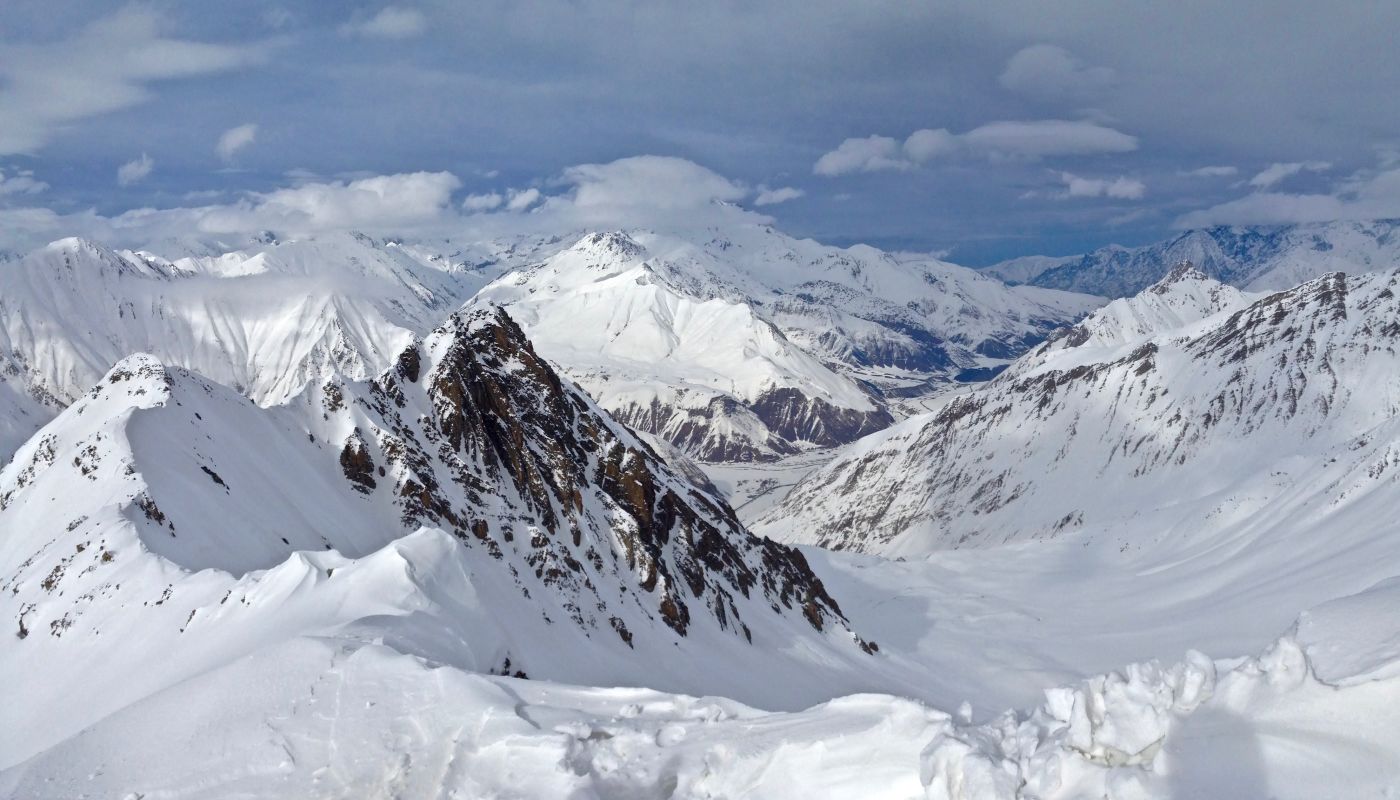
Landscape of Georgia
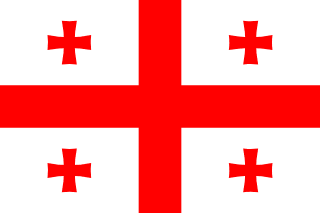
Flag of Georgia

Georgia

Europe

Georgia is located in the Caucasus region of Eurasia, with a population of approximately 3.7 million people. Georgia has a rich and complex history, and today, it is a thriving democracy with a growing economy. The government has implemented a number of economic and social reforms over the past few years that have helped to improve the quality of life for many Georgians. The capital city of Tbilisi, with its mix of ancient and modern architecture, is a vibrant cultural center with a burgeoning food and wine scene. Georgia has made significant strides in recent years in terms of economic development, democratic governance, and tourism, with increasing numbers of visitors flocking to the country to experience its natural beauty and rich cultural heritage. Moreover, the country has a role in regional geopolitics as a potential hub for energy transit and trade.Georgia is poised to make a lasting impact in these areas.

What would you like to learn about in Georgia?

Select a section to explore the country where nonprofits are creating positive change.

About Georgia

The region of present day Georgia contained the ancient kingdoms of Colchis and Kartli-Iberia. The area came under Roman influence in the first centuries A.D., and Christianity became the state religion in the 330s. Domination by Persians, Arabs, and Turks was followed by a Georgian golden age (11th-13th centuries) that was cut short by the Mongol invasion of 1236. Subsequently, the Ottoman and Persian empires competed for influence in the region. Georgia was absorbed into the Russian Empire in the 19th century. Independent for three years (1918-1921) following the Russian revolution, it was forcibly incorporated into the USSR in 1921 and regained its independence when the Soviet Union dissolved in 1991. Mounting public discontent over rampant corruption and ineffective government services, followed by an attempt by the incumbent Georgian Government to manipulate national legislative elections in November 2003 touched off widespread protests that led to the resignation of Eduard SHEVARDNADZE, president since 1995. In the aftermath of that popular movement, which became known as the "Rose Revolution," new elections in early 2004 swept Mikheil SAAKASHVILI into power along with his United National Movement (UNM) party. Progress on market reforms and democratization has been made in the years since independence, but this progress has been complicated by Russian assistance and support to the separatist regions of Abkhazia and South Ossetia. Periodic flare-ups in tension and violence culminated in a five-day conflict in August 2008 between Russia and Georgia, including the invasion of large portions of undisputed Georgian territory. Russian troops pledged to pull back from most occupied Georgian territory, but in late August 2008 Russia unilaterally recognized the independence of Abkhazia and South Ossetia, and Russian military forces remain in those regions. Billionaire philanthropist Bidzina IVANISHVILI's unexpected entry into politics in October 2011 brought the divided opposition together under his Georgian Dream coalition, which won a majority of seats in the October 2012 parliamentary election and removed UNM from power. A new constitution shifting many powers from the president to the prime minister and parliament, including the power to name the prime minister and government ministers, does not go into effect until after a new president is elected in the fall of 2013. Conceding defeat, SAAKASHVILI named IVANISHVILI as prime minister and allowed Georgian Dream to create a new government. Tensions remain high as IVANISHVILI, SAAKASHVILI, and their supporters struggle to co-exist until the end of the president's term.

Quick Facts

Population
4,555,911 (July 2013 est.)
Area
69,700 sq km
ISO Code
GE
Continent
Europe
Government
republic
Active Causes
12
View all countries in Europe

Geography & Environment

Climate

warm and pleasant; Mediterranean-like on Black Sea coast

Terrain

largely mountainous with Great Caucasus Mountains in the north and Lesser Caucasus Mountains in the south; Kolkhet'is Dablobi (Kolkhida Lowland) opens to the Black Sea in the west; Mtkvari River Basin...

Natural Resources

timber, hydropower, manganese deposits, iron ore, copper, minor coal and oil deposits; coastal climate and soils allow for important tea and citrus growth

Environmental Issues

air pollution, particularly in Rust'avi; heavy pollution of Mtkvari River and the Black Sea; inadequate supplies of potable water; soil pollution from toxic chemicals

People & Society

77.51 years
Avg. Life Expectancy
99.7%
Literacy Rate
52.8% of total population (2011)
Total Urban Population

Languages

Georgian (official) 71%, Russian 9%, Armenian 7%, Azeri 6%, other 7%

Religions

Orthodox Christian (official) 83.9%, Muslim 9.9%, Armenian-Gregorian 3.9%, Catholic 0.8%, other 0.8%, none 0.7% (2002 census)

Health Expenditure

10.1% of GDP (2010) of GDP

Education Expenditure

2.7% of GDP (2011) of GDP

Economy

$6,000
GDP per Capita (PPP)
15.1%
Unemployment Rate
9.2% (2010)
Below Poverty Line

Economic Overview

Georgia's main economic activities include the cultivation of agricultural products such as grapes, citrus fruits, and hazelnuts; mining of manganese, copper, and gold; and output of a small industrial sector producing alcoholic and nonalcoholic beverages, metals, machinery, and chemicals. The country imports nearly all its needed supplies of natural gas and oil products. It has sizeable hydropower capacity that now provides most of its energy needs. Georgia has overcome the chronic energy shortages and gas supply interruptions of the past by renovating hydropower plants and by increasingly re...

Causes in Georgia

Family

Family plays a crucial role in Georgian society, deeply influencing various aspects of individuals' lives. In Georgia, family is often considered the cornerstone of social structure and plays a significant role in shaping personal identity and values. The concept of family extends beyond the nuclear unit to include extended family members, creating strong bonds and support networks. Family ties are highly valued in Georgia, with close-knit relationships forming a foundation for emotional support, financial assistance, and social connections. The influence of family can be seen in decision-making processes, education choices, career paths, and even political affiliations. Understanding the importance of family dynamics in Georgia is essential for comprehending the cultural fabric and societal norms prevalent in the country.

Human Rights

Georgia, a country located at the intersection of Europe and Asia, faces various human rights challenges that impact its population. One significant issue is the protection of freedom of expression and assembly, as there have been instances of restrictions on these rights, particularly in the context of political dissent. Additionally, Georgia grapples with issues related to discrimination and violence against marginalized groups, including women, ethnic minorities, and the LGBTQ+ community. The government has taken steps to address these issues but further efforts are needed to ensure full respect for human rights in the country. By promoting awareness of these challenges, we can work towards fostering a more inclusive and just society in Georgia.

Education

Education plays a pivotal role in shaping the future of Georgia, a country located at the crossroads of Eastern Europe and Western Asia. Despite significant advancements in recent years, Georgia still faces challenges in its education system, including low enrollment rates, inadequate infrastructure, and disparities between urban and rural areas. Access to quality education is crucial for Georgia's economic development, social mobility, and overall well-being of its citizens. By investing in education, Georgia can improve its workforce productivity, reduce poverty levels, and foster a more equitable society. Ensuring inclusive and equitable quality education for all is essential for sustainable development and prosperity in Georgia.

Poverty

Georgia, a country located at the crossroads of Europe and Asia, faces significant challenges related to poverty. According to the World Bank, the poverty rate in Georgia stands at around 21.6%, with rural areas being particularly affected. Poverty in Georgia is exacerbated by factors such as high unemployment rates, limited access to quality education and healthcare, and a lack of economic opportunities in rural regions. As a result, many Georgians struggle to meet their basic needs, leading to issues such as food insecurity and inadequate housing. Furthermore, poverty hinders social mobility and perpetuates inequality within the country. Addressing poverty in Georgia requires comprehensive strategies that focus on improving access to education, creating job opportunities, and enhancing social welfare programs to support those most in need.

Religion

Religion plays a significant role in the cultural fabric of Georgia, a country nestled at the crossroads of Europe and Asia. With a long history of religious diversity, Georgia is known for its strong ties to the Georgian Orthodox Church, which has been a central aspect of Georgian identity for centuries. The majority of Georgians identify as Orthodox Christians, with the church deeply intertwined with various aspects of daily life and societal norms. Beyond Christianity, Georgia is also home to Muslim, Jewish, and other religious communities that contribute to the country's rich religious tapestry. This religious diversity has not only shaped Georgia's cultural practices but also influenced its historical development and geopolitical landscape.

Clean Water

Georgia, a country located at the crossroads of Eastern Europe and Western Asia, faces significant challenges in ensuring access to clean water for its population. With a diverse landscape ranging from mountains to coastal areas, water resources in Georgia are under pressure due to pollution, inadequate infrastructure, and climate change impacts. The lack of access to clean water not only affects public health but also hinders economic development and exacerbates social inequalities. Improving water quality and availability is crucial for the sustainable development of Georgia, as it directly impacts sectors such as agriculture, tourism, and industry. Efforts to address water-related issues in Georgia require comprehensive policies, investments in infrastructure, and sustainable water management practices to ensure a safe and reliable supply of clean water for all residents.

Economy

Georgia, located at the crossroads of Europe and Asia, faces a complex economic landscape that significantly impacts its population. The economy of Georgia heavily relies on agriculture, tourism, and mining, with agriculture being the largest sector employing a significant portion of the population. Despite recent economic growth and reforms, challenges such as corruption, political instability, and lack of infrastructure continue to hinder sustainable development in the country. The fluctuating global market prices, currency depreciation, and regional conflicts further exacerbate the economic situation in Georgia, leading to income inequality and poverty among its citizens. The government of Georgia has been working towards attracting foreign investments and improving the business environment to stimulate economic growth and create more job opportunities for its people.

Government

Georgia, a country located at the crossroads of Europe and Asia, has a complex political landscape where the government plays a crucial role in shaping its society and economy. The government of Georgia impacts its citizens through policies related to healthcare, education, infrastructure development, and social welfare programs. Additionally, government decisions influence the business environment and foreign relations of the country. For instance, governmental initiatives aimed at improving transparency and reducing corruption have had a significant impact on Georgia's economic growth and international reputation. By understanding how the government functions and the policies it implements, individuals can better comprehend the opportunities and challenges facing the nation.

Health

Georgia, a country located at the crossroads of Europe and Asia, faces several health challenges that significantly impact its population. One of the key health concerns in Georgia is the high prevalence of non-communicable diseases such as cardiovascular diseases, cancer, and diabetes. According to the World Health Organization, these diseases account for the majority of deaths in the country. Additionally, Georgia has a high rate of tobacco use and alcohol consumption, contributing to the burden of disease. The healthcare system in Georgia also faces challenges related to inadequate infrastructure, limited access to healthcare services in rural areas, and disparities in healthcare quality. Addressing these health issues requires a comprehensive approach that includes promoting healthy lifestyles, improving healthcare infrastructure, and enhancing access to quality healthcare services for all Georgians.

Children

In Georgia, children face numerous challenges that impact their well-being and development. Poverty remains a significant issue, with approximately one-third of children living below the poverty line. This economic hardship often leads to inadequate access to essential services such as healthcare and education, perpetuating a cycle of disadvantage. Furthermore, the country's high rate of child labor, particularly in agriculture and informal sectors, deprives many children of their right to a quality education and exposes them to hazardous working conditions. In addition, Georgia struggles with high rates of domestic violence and child abuse, which have detrimental effects on children's physical and mental health. Addressing these complex issues requires a multi-faceted approach involving government intervention, community support, and advocacy for children's rights.

Environment

Georgia, a country located at the crossroads of Europe and Asia, is rich in biodiversity and natural resources. However, environmental issues pose significant challenges to the nation. Deforestation, air and water pollution, and climate change are some of the key environmental concerns affecting Georgia. The loss of forests due to logging and agricultural expansion not only threatens the country's unique ecosystems but also contributes to soil erosion and landslides. Air pollution from industrial activities and transportation has led to health problems for the population, while water pollution, particularly in major rivers like the Kura, impacts both human health and aquatic life. Additionally, the effects of climate change, including more frequent extreme weather events like floods and droughts, further exacerbate these environmental issues. It is crucial for Georgia to prioritize sustainable environmental policies and practices to protect its natural heritage and ensure a healthy future for its citizens.

Animals

Georgia, a country located at the crossroads of Europe and Asia, boasts a rich biodiversity that is home to a diverse array of animal species. The impact of animals in Georgia is significant, playing a crucial role in maintaining ecological balance and supporting the country's economy through activities such as agriculture, tourism, and wildlife conservation efforts. Animals like the Caucasian lynx, brown bear, and imperial eagle are not only integral to Georgia's ecosystem but also contribute to its cultural heritage and identity. However, rapid urbanization, habitat loss, poaching, and climate change pose serious threats to the survival of these animals in Georgia. To ensure the preservation of its wildlife and natural resources, concerted efforts must be made to protect and conserve the rich fauna that inhabits this beautiful country.

Nonprofits Working in Georgia

Discover organizations making a difference in Georgia

Make Your Impact Today

Discover causes you care about and support the nonprofits making a difference in communities around the world.

Are you a nonprofit? Join Project World Impact for free

Join Us Free