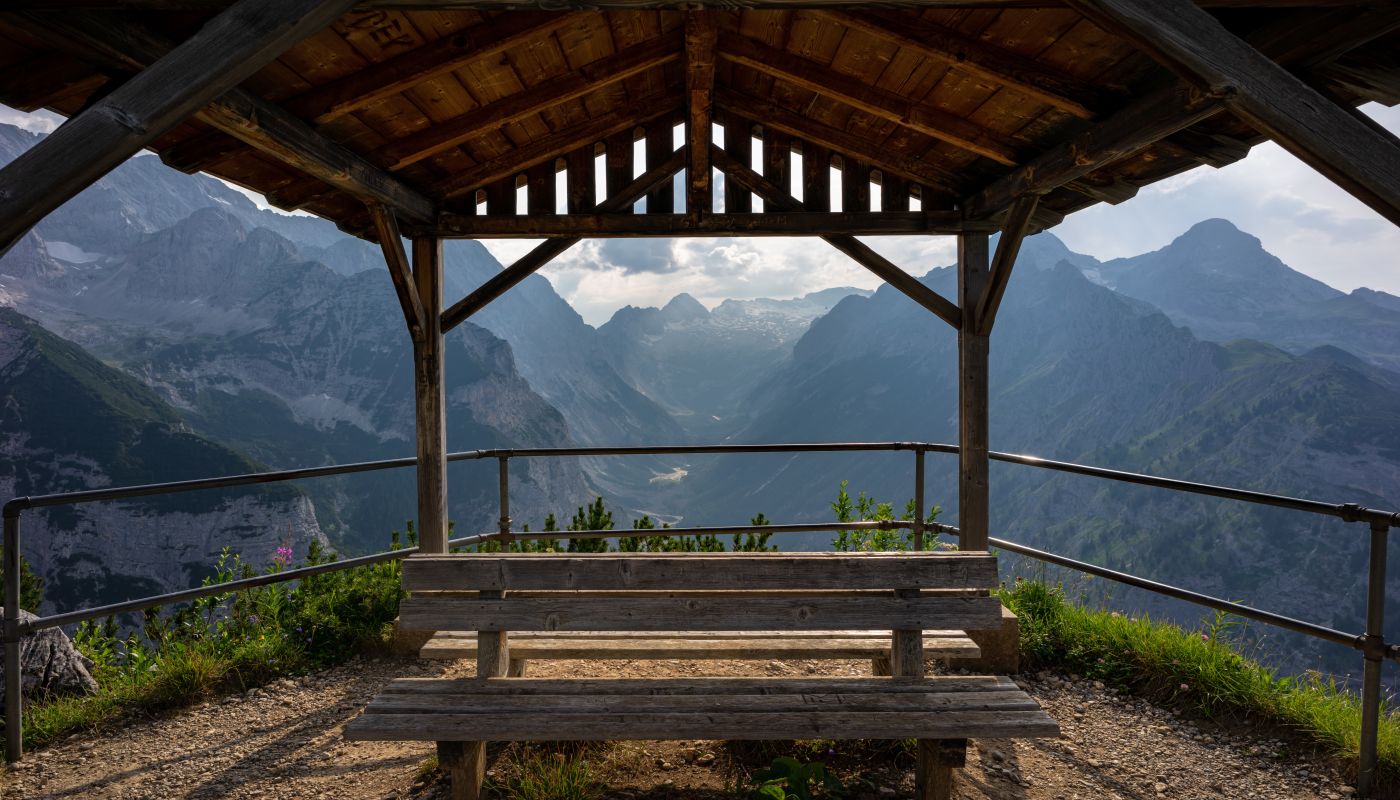
Landscape of Germany
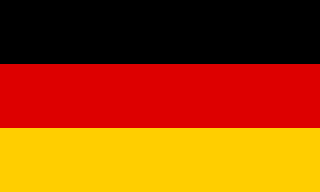
Flag of Germany

Germany

Europe

With a population of over 83 million people, Germany is the most populous country in the European Union. Germany is located in the heart of Europe and shares borders with nine other countries, making it a hub for international travel and trade. Germany has also been at the forefront of many important global discussions, such as climate change, refugee integration, and economic recovery. As one of the world's largest economies, Germany has played a leading role in the European Union and has taken significant steps to reduce carbon emissions and increase renewable energy production. Germany is also known for its world-class education system, cutting-edge technology, and thriving startup culture. There's always something new and exciting happening in this dynamic country.

What would you like to learn about in Germany?

Select a section to explore the country where nonprofits are creating positive change.

About Germany

As Europe's largest economy and second most populous nation (after Russia), Germany is a key member of the continent's economic, political, and defense organizations. European power struggles immersed Germany in two devastating World Wars in the first half of the 20th century and left the country occupied by the victorious Allied powers of the US, UK, France, and the Soviet Union in 1945. With the advent of the Cold War, two German states were formed in 1949: the western Federal Republic of Germany (FRG) and the eastern German Democratic Republic (GDR). The democratic FRG embedded itself in key Western economic and security organizations, the EC, which became the EU, and NATO, while the communist GDR was on the front line of the Soviet-led Warsaw Pact. The decline of the USSR and the end of the Cold War allowed for German unification in 1990. Since then, Germany has expended considerable funds to bring Eastern productivity and wages up to Western standards. In January 1999, Germany and 10 other EU countries introduced a common European exchange currency, the euro.

Quick Facts

Population
81,147,265 (July 2013 est.)
Area
357,022 sq km
ISO Code
DE
Continent
Europe
Government
federal republic
Active Causes
12
View all countries in Europe

Geography & Environment

Climate

temperate and marine; cool, cloudy, wet winters and summers; occasional warm mountain (foehn) wind

Terrain

lowlands in north, uplands in center, Bavarian Alps in south

Natural Resources

coal, lignite, natural gas, iron ore, copper, nickel, uranium, potash, salt, construction materials, timber, arable land

Environmental Issues

emissions from coal-burning utilities and industries contribute to air pollution; acid rain, resulting from sulfur dioxide emissions, is damaging forests; pollution in the Baltic Sea from raw sewage a...

People & Society

80.32 years
Avg. Life Expectancy
99%
Literacy Rate
74% of total population (2010)
Total Urban Population

Languages

German

Religions

Protestant 34%, Roman Catholic 34%, Muslim 3.7%, unaffiliated or other 28.3%

Health Expenditure

11.6% of GDP (2010) of GDP

Education Expenditure

5.1% of GDP (2009) of GDP

Economy

$39,700
GDP per Capita (PPP)
5.5%
Unemployment Rate
15.5% (2010 est.)
Below Poverty Line

Economic Overview

The German economy - the fifth largest economy in the world in PPP terms and Europe's largest - is a leading exporter of machinery, vehicles, chemicals, and household equipment and benefits from a highly skilled labor force. Like its Western European neighbors, Germany faces significant demographic challenges to sustained long-term growth. Low fertility rates and declining net immigration are increasing pressure on the country's social welfare system and necessitate structural reforms. Reforms launched by the government of Chancellor Gerhard SCHROEDER (1998-2005), deemed necessary to address c...

Causes in Germany

Environment

Germany, a country known for its strong industrial base, technological advancements, and environmental consciousness, is significantly impacted by its environment. The nation's commitment to sustainability and green initiatives is evident in its ambitious goals to reduce carbon emissions and transition to renewable energy sources. However, Germany faces challenges such as air pollution, deforestation, and water contamination, which have adverse effects on public health and the ecosystem. The country's heavy reliance on coal for energy production has been a major contributor to air pollution, leading to respiratory issues and environmental degradation. Deforestation threatens biodiversity and natural habitats, while water contamination from agricultural runoff and industrial activities poses risks to aquatic life and human health. By addressing these environmental issues through policy interventions, technological innovations, and public awareness campaigns, Germany can mitigate the impact of environmental degradation and pave the way for a more sustainable future.

Poverty

Poverty in Germany is a significant issue that impacts a notable portion of the population. Despite being one of the wealthiest countries in Europe, a report by the German Federal Statistical Office revealed that around 15.5% of the population was at risk of poverty or social exclusion in 2019. Factors contributing to this include low wages, high living costs, unemployment, and inequality. The effects of poverty in Germany are far-reaching, affecting individuals' access to education, healthcare, and overall quality of life. Addressing poverty requires comprehensive social policies and support systems to ensure a more equitable society for all citizens. Source: German Federal Statistical Office - "At-risk-of-poverty rate" - https://www.destatis.de/EN/Themes/Society-Environment/Social-Security/Income-Poverty-Wealth/At-risk-of-poverty-rate/At-risk-of-poverty-rate.html

Religion

Religion plays a significant role in the cultural landscape of Germany, a country known for its rich history and diverse religious traditions. Christianity, particularly Protestantism and Catholicism, has historically been the dominant religion in the country, with a large number of churches and religious institutions spread across the nation. However, in recent years, Germany has also seen an increase in religious diversity due to immigration, with Islam being the second largest religious group in the country. This religious pluralism has led to both challenges and opportunities in terms of social cohesion and integration. While freedom of religion is guaranteed by the German constitution, debates around the role of religion in public life continue to shape societal discourse. Understanding the complex interplay between religion and society in Germany is crucial for fostering mutual respect and understanding among its diverse population.

Clean Water

Clean water plays a crucial role in Germany, a country known for its robust economy and high living standards. With over 80 million inhabitants, access to clean water is essential for public health, agriculture, industry, and tourism. The quality of water bodies, such as rivers and lakes, directly impacts the environment and human health. Pollution from agriculture, industry, and urban areas poses a threat to water quality, leading to issues like eutrophication and contamination with harmful substances. Efforts to protect and improve water quality in Germany include stringent regulations, investment in wastewater treatment plants, and public awareness campaigns. Addressing these challenges is vital to ensuring a sustainable future for Germany's ecosystems and population.

Economy

Germany is known for its robust economy, which plays a significant role in shaping the country's overall well-being. As Europe's largest economy and one of the world's leading exporters, Germany heavily relies on its economic strength to drive growth, create jobs, and support its social welfare system. The country's economy is largely driven by its manufacturing sector, particularly in automobiles, machinery, and chemicals. However, challenges such as an aging population, increasing global competition, and digital transformation pose threats to Germany's economic stability. The economic decisions made in Germany have far-reaching implications not only for its citizens but also for the broader European and global economy.

Government

Germany, a prominent European nation, boasts a robust economy and a rich cultural heritage. The German government plays a significant role in shaping the country's political and economic landscape. As a federal parliamentary republic, Germany operates under a democratic system with a strong emphasis on social welfare and environmental sustainability. The government is structured in a way that ensures checks and balances, with power divided between the executive, legislative, and judicial branches. Government policies in Germany have a direct impact on areas such as healthcare, education, infrastructure development, and environmental protection. Through its decision-making processes and regulatory frameworks, the government influences the overall well-being of its citizens and the country's standing on the global stage.

Health

Germany, a developed country located in the heart of Europe, faces various health challenges that have a significant impact on its population. One of the key health concerns in Germany is the rising prevalence of chronic diseases such as cardiovascular diseases, diabetes, and cancer. These conditions not only affect the overall well-being of individuals but also pose a substantial economic burden on the healthcare system. Additionally, mental health issues, including depression and anxiety disorders, are on the rise in Germany, further highlighting the importance of prioritizing mental well-being. Factors such as an aging population, unhealthy lifestyle choices, and environmental pollution contribute to the health challenges faced by Germans. It is crucial for policymakers, healthcare professionals, and individuals to work together to address these issues and promote a healthier society in Germany.

Children

In Germany, children play a significant role in shaping the future of the nation. They are seen as the foundation upon which the country's success and prosperity are built. The well-being and development of children in Germany are crucial, as they represent the country's next generation of leaders, innovators, and workforce. Policies and programs aimed at promoting child welfare, education, healthcare, and protection are integral to ensuring a prosperous and sustainable future for Germany. However, challenges such as child poverty, inadequate access to education and healthcare, and issues related to mental health continue to impact children in the country. It is essential for individuals, communities, and policymakers to work together to address these challenges and create a supportive environment where all children can thrive and reach their full potential.

Family

In Germany, family plays a significant role in shaping societal norms and values. The concept of family in Germany is deeply rooted in traditions and cultural practices, emphasizing strong bonds and mutual support among family members. Family ties are regarded as essential for emotional well-being and social stability. German families often prioritize spending quality time together, participating in various activities such as outdoor excursions, family dinners, and celebrating festivals collectively. Furthermore, the German government provides comprehensive support for families through policies such as parental leave, childcare benefits, and family-friendly workplace initiatives. These measures aim to promote work-life balance and strengthen familial relationships in the country. Overall, the influence of family on German society is profound and integral to the fabric of their community.

Human Rights

Germany has a rich history of upholding human rights, stemming partly from the country's experiences during World War II and the subsequent division between East and West Germany during the Cold War. The protection of human rights is enshrined in the German constitution, known as the Basic Law (Grundgesetz), which guarantees fundamental rights such as freedom of expression, equality before the law, and the right to privacy. Germany is also a signatory to various international human rights treaties and conventions, including the Universal Declaration of Human Rights. However, like many other countries, Germany faces challenges in fully realizing human rights for all its residents, including issues related to discrimination, xenophobia, and economic inequality. Efforts are ongoing to address these challenges through education, legislation, and public awareness campaigns.

Education

Education in Germany is a significant factor that plays a crucial role in shaping its society and economy. The country has a well-established education system that emphasizes both academic excellence and practical skills development. With a strong focus on STEM (science, technology, engineering, and mathematics) education, Germany has been able to maintain its position as a global leader in innovation and technology. Furthermore, the country's emphasis on vocational education and training programs has helped bridge the gap between education and employment, ensuring a skilled workforce that meets the demands of the labor market. Education in Germany is largely funded by the state, making it accessible to all citizens regardless of their socio-economic background. By investing in education, Germany is not only securing its future workforce but also fostering social mobility and economic growth.

Animals

Germany is a country with a rich history and a strong connection to its natural surroundings, including its diverse animal population. Animals in Germany play a significant role in various aspects of society, ranging from cultural significance to environmental balance. The country is home to a wide array of wildlife, including iconic species such as the European hare, red deer, and wild boar. These animals are not only important for the country's biodiversity but also contribute to its economy through activities such as wildlife tourism and hunting. However, Germany is also facing challenges related to animal welfare, with issues such as illegal wildlife trade, habitat destruction, and climate change posing threats to its animal populations. By raising awareness about these issues and promoting conservation efforts, individuals and organizations can help protect Germany's animals for future generations.

Nonprofits Working in Germany

Discover organizations making a difference in Germany

Make Your Impact Today

Discover causes you care about and support the nonprofits making a difference in communities around the world.

Are you a nonprofit? Join Project World Impact for free

Join Us Free