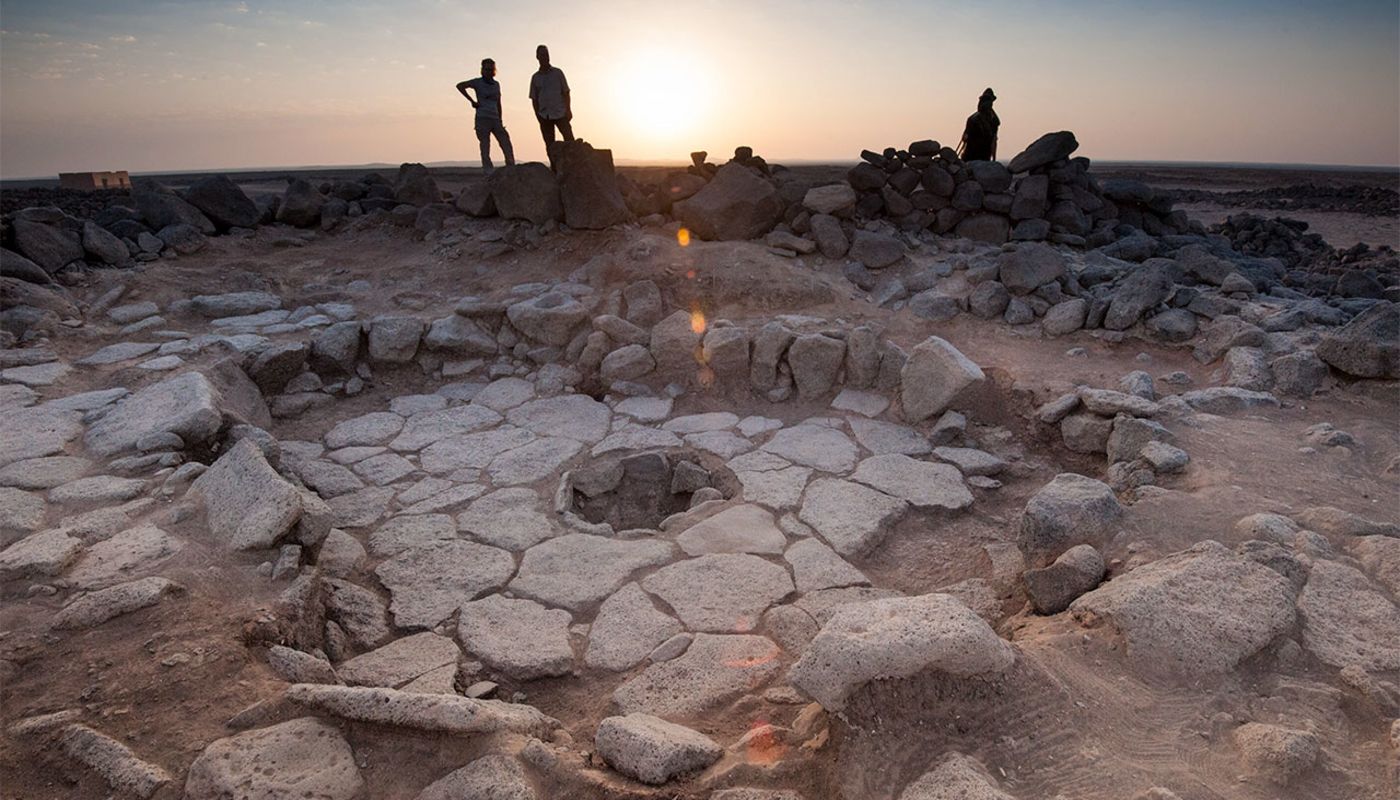

Landscape of Heard and McDonald Islands
Flag of Heard and McDonald Islands

Heard and McDonald Islands

Australia/Oceania

Heard and McDonald Islands are uninhabited, sub-Antarctic islands located in the Indian Ocean, known for their rugged beauty and unique wildlife. As a territory of Australia, these islands are protected and preserved as part of the country's environmental conservation efforts. The islands are home to a wide variety of flora and fauna, including several species of penguins, seals, and seabirds. Despite being uninhabited, the Heard and McDonald Islands remain an important part of Australia's natural heritage and a testament to the beauty and diversity of the world's remote and isolated regions.

What would you like to learn about in Heard and McDonald Islands?

Select a section to explore the country where nonprofits are creating positive change.

About Heard and McDonald Islands

Heard and McDonald Islands are uninhabited, sub-Antarctic islands located in the Indian Ocean, known for their rugged beauty and unique wildlife. As a territory of Australia, these islands are protected and preserved as part of the country's environmental conservation efforts. The islands are home to a wide variety of flora and fauna, including several species of penguins, seals, and seabirds. Despite being uninhabited, the Heard and McDonald Islands remain an important part of Australia's natural heritage and a testament to the beauty and diversity of the world's remote and isolated regions.

Causes in Heard and McDonald Islands

Environment

Heard and McDonald Islands, located in the southern Indian Ocean, are uninhabited subantarctic islands that form an Australian external territory. These remote islands are characterized by their pristine and fragile environment, which is particularly vulnerable to the impacts of climate change and human activities. The unique flora and fauna of Heard and McDonald Islands, including species like seals, penguins, and albatrosses, are at risk due to rising sea levels, ocean acidification, and invasive species introductions. Climate change has led to shifts in weather patterns, affecting the breeding and foraging grounds of these species. Furthermore, plastic pollution from marine debris poses a significant threat to the marine life in the surrounding waters.

Family

Heard and McDonald Islands, located in the southern Indian Ocean, are uninhabited territories of Australia primarily known for their unique wildlife and pristine ecosystems. Despite the absence of permanent human settlement on the islands, the concept of family remains a crucial aspect in understanding the biodiversity and ecology of the region. Various species of seabirds, seals, and marine life that inhabit these islands rely on familial bonds for survival and reproduction. For instance, penguins form strong family units to raise their young, while elephant seals exhibit complex social structures within their colonies. The interconnectedness within these animal families plays a vital role in maintaining the delicate balance of the island's ecosystem. Understanding and preserving these familial dynamics are essential for ensuring the long-term conservation of the biodiversity on Heard and McDonald Islands.

Human Rights

Heard and McDonald Islands, uninhabited Australian external territories located in the Southern Ocean, are not subject to the same human rights concerns as populated countries due to their lack of permanent residents. However, the environmental impact on these remote islands indirectly ties to human rights issues on a global scale. The fragile ecosystems of Heard and McDonald Islands face threats from climate change, pollution, and invasive species, which can have far-reaching consequences for biodiversity and the planet as a whole. Improper waste disposal, illegal fishing, and the introduction of non-native species can result in irreversible damage to these ecosystems, affecting the right to a clean environment for all living beings. By understanding and addressing the environmental challenges faced by Heard and McDonald Islands, we can contribute to the protection of human rights on a broader scale.

Education

Heard and McDonald Islands, located in the southern Indian Ocean, are uninhabited territories of Australia primarily known for their unique wildlife and pristine environment. Despite the absence of a permanent population, the impact of education on these islands is significant. Education plays a crucial role in fostering awareness and understanding of the ecological importance of these remote territories. It aids in promoting conservation efforts and sustainable practices to preserve the fragile ecosystems of Heard and McDonald Islands. By educating individuals on the biodiversity and environmental challenges faced by these islands, there is a greater chance of ensuring their long-term protection and conservation for future generations.

Poverty

Heard and McDonald Islands, located in the southern Indian Ocean, are uninhabited territories under Australian sovereignty. Despite the lack of a permanent population, poverty remains a significant issue affecting the indigenous flora and fauna of these remote islands. The absence of human inhabitants does not shield the region from the detrimental effects of poverty, as environmental degradation, pollution, and climate change pose serious threats to the delicate ecosystems present on the islands. These factors can lead to a loss of biodiversity, disruption of ecological balance, and ultimately impact global conservation efforts. Addressing poverty in this context requires collaborative conservation efforts, sustainable management practices, and increased awareness of the interconnectedness between human activities and environmental health. Source: Australian Antarctic Division - https://www.antarctica.gov.au/about-antarctica/territory/heard-and-mcdonald-islands/

Religion

Heard and McDonald Islands, an uninhabited Australian external territory in the southern Indian Ocean, do not have any permanent population, and as such, do not have any organized religious institutions or practices. The islands are primarily used for scientific research and conservation purposes, with a focus on preserving the unique ecosystem and wildlife that thrive in this remote region. Due to its isolated and harsh environment, religion does not play a significant role in the lives of those who visit or work on the islands. The main focus here is on environmental protection and scientific endeavors rather than religious beliefs or practices.

Clean Water

Heard and McDonald Islands, an Australian external territory located in the southern Indian Ocean, are home to a unique ecosystem of flora and fauna. Clean water plays a critical role in sustaining the delicate balance of this remote and pristine environment. The islands' limited freshwater sources are vital for the survival of endemic species such as penguins, seals, and seabirds that rely on these waters for drinking and hunting. Pollution from human activities or shipping can have devastating effects on the local wildlife and marine life, disrupting food chains and ecosystems. Conservation efforts to protect the purity of these waters are crucial to ensure the long-term sustainability of Heard and McDonald Islands' biodiversity.

Economy

Heard and McDonald Islands, located in the southern Indian Ocean, represent one of the most remote and uninhabited territories in the world. Despite their isolated nature, these islands are not immune to the global economic forces that shape our world. The absence of a permanent population on the islands means that economic activities are limited primarily to fishing and research expeditions. The fragile ecosystem of Heard and McDonald Islands is vulnerable to the impacts of climate change, overfishing, and pollution, all of which can have detrimental effects on the local economy. As such, sustainable management practices and international cooperation are crucial to ensuring the long-term economic viability of these unique and ecologically significant territories.

Government

Heard and McDonald Islands, an Australian external territory located in the southern Indian Ocean, is one of the most remote and pristine environments on Earth. Despite its uninhabited status, the Australian government plays a crucial role in managing and preserving the unique ecosystem of these islands. The government's impact is primarily seen through the implementation of conservation measures aimed at safeguarding the rich biodiversity of the region. These include strict regulations on access to the islands, monitoring of wildlife populations, and efforts to combat invasive species that threaten native flora and fauna. Additionally, the government works to raise awareness about the importance of preserving these fragile ecosystems through educational initiatives and international collaborations. By actively engaging in environmental protection efforts, the Australian government demonstrates its commitment to ensuring the long-term sustainability of Heard and McDonald Islands for future generations.

Health

Heard and McDonald Islands, located in the remote Southern Ocean, are uninhabited territories that fall under Australian jurisdiction. Despite their lack of permanent human population, these islands are crucial habitats for various wildlife species, including seals and seabirds. The health of these ecosystems is directly impacted by human activities such as climate change, pollution, and invasive species introduction. The fragile balance of these islands' ecosystems is particularly vulnerable to the negative effects of these factors, which can lead to irreversible damage and loss of biodiversity.

Children

Heard and McDonald Islands, located in the southern Indian Ocean, are remote and uninhabited territories of Australia. Although there are no permanent residents on these islands, the impact of children is still significant. The absence of children on Heard and McDonald Islands reflects the challenges of establishing sustainable communities in such isolated and harsh environments. The lack of child presence also underscores the importance of preserving these pristine ecosystems for future generations globally. By understanding the implications of human activity, including the absence of children, on these fragile islands, we can advocate for responsible environmental stewardship to ensure their conservation for years to come. Source: Australian Antarctic Division - https://www.antarctica.gov.au/about-antarctica/australian-antarctic-territory/heard-and-mcdonald-islands/

Animals

Heard and McDonald Islands, located in the southern Indian Ocean, are home to a variety of unique wildlife species. The islands boast a diverse ecosystem that includes seabirds, seals, and penguins. However, these animals face numerous challenges due to human activities and climate change. Pollution, overfishing, and habitat destruction have all taken a toll on the fragile ecosystem of Heard and McDonald Islands. These activities not only disrupt the natural balance of the environment but also directly impact the survival of the wildlife inhabiting the islands. Conservation efforts are crucial to protect these vulnerable species and ensure the long-term sustainability of the ecosystem on Heard and McDonald Islands.

Make Your Impact Today

Discover causes you care about and support the nonprofits making a difference in communities around the world.

Are you a nonprofit? Join Project World Impact for free

Join Us Free