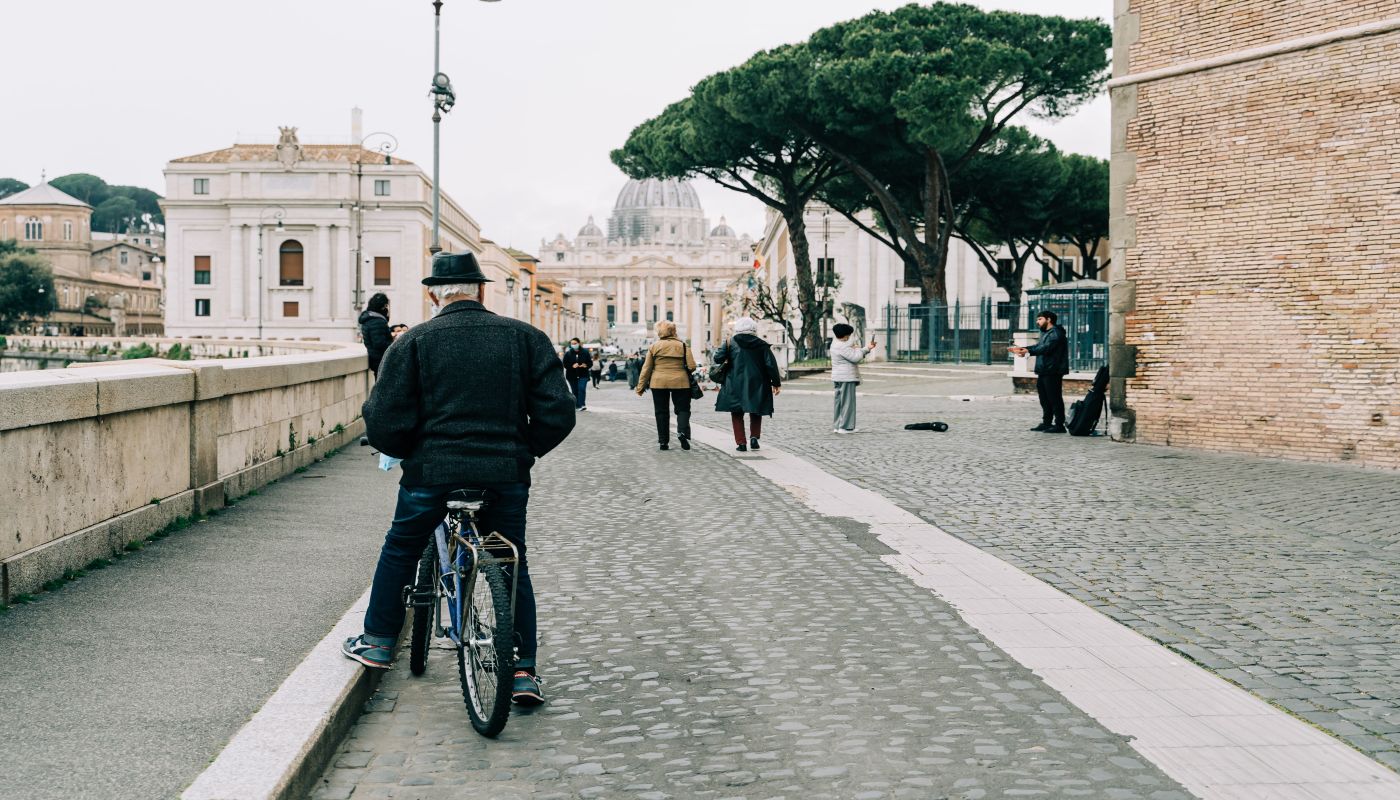
Landscape of Holy See
Flag of Holy See

Holy See

Europe

The Holy See, also known as Vatican City, is a small city-state located in the heart of Rome, Italy, and is the spiritual and administrative center of the Roman Catholic Church. With a population of around 800 people, the Holy See is a unique and influential entity that operates as a non-hereditary, elected monarchy. The city-state's economy is based on tourism, but it also has significant political and cultural influence around the world. The Holy See has been working to promote peace and social justice, while also addressing issues related to human rights and transparency.

What would you like to learn about in Holy See?

Select a section to explore the country where nonprofits are creating positive change.

About Holy See

Popes in their secular role ruled portions of the Italian peninsula for more than a thousand years until the mid 19th century, when many of the Papal States were seized by the newly united Kingdom of Italy. In 1870, the pope's holdings were further circumscribed when Rome itself was annexed. Disputes between a series of "prisoner" popes and Italy were resolved in 1929 by three Lateran Treaties, which established the independent state of Vatican City and granted Roman Catholicism special status in Italy. In 1984, a concordat between the Holy See and Italy modified certain of the earlier treaty provisions, including the primacy of Roman Catholicism as the Italian state religion. Present concerns of the Holy See include religious freedom, threats against minority Christian communities in Africa and the Middle East, international development, interreligious dialogue and reconciliation, and the application of church doctrine in an era of rapid change and globalization. About 1.2 billion people worldwide profess the Catholic faith.

Quick Facts

Population
839 (July 2013 est.)
Area
0.44 sq km
ISO Code
VA
Continent
Europe
Government
ecclesiastical
Active Causes
12
View all countries in Europe

Geography & Environment

Climate

temperate; mild, rainy winters (September to May) with hot, dry summers (May to September)

Terrain

urban; low hill

Natural Resources

none

Environmental Issues

NA

People & Society

100%
Literacy Rate
100% of total population (2010)
Total Urban Population

Languages

Italian, Latin, French, various other languages

Religions

Roman Catholic

Economy

NA%
Below Poverty Line

Economic Overview

The Holy See is supported financially by a variety of sources, including investments, real estate income, and donations from Catholic individuals, dioceses, and institutions; these help fund the Roman Curia (Vatican bureaucracy), diplomatic missions, and media outlets. Moreover, an annual collection taken up in dioceses and from direct donations go to a non-budgetary fund, known as Peter's Pence, which is used directly by the Pope for charity, disaster relief, and aid to churches in developing nations. Donations increased between 2010 and 2011. The separate Vatican City State budget includes t...

Causes in Holy See

Environment

The Holy See, as the spiritual and governing center of the Roman Catholic Church, is a unique entity with a strong reliance on the environment for its cultural, historical, and religious significance. The impact of environmental changes on the Holy See is profound, as it has a direct influence on the preservation of its iconic landmarks and cultural heritage sites, such as St. Peter's Basilica and the Vatican Museums. Climate change poses a significant threat to the Holy See, leading to rising sea levels that could potentially inundate parts of Vatican City, situated along the Tiber River in Rome. Additionally, air pollution from increased urbanization in Rome can degrade the historic buildings and artworks within the Vatican City State. As a steward of moral authority and environmental advocacy, the Holy See recognizes the importance of addressing climate change and protecting the environment for future generations.

Family

The Holy See, an ecclesiastical jurisdiction representing the central governing body of the Catholic Church, is unique in its status as a sovereign entity in international relations. Family plays a significant role in shaping the social fabric and cultural identity of the Holy See. The institution of family is highly valued, with a strong emphasis on traditional family values, marriage as a lifelong commitment, and the importance of procreation. Families are seen as the foundation of society, providing essential support structures and transmitting religious and moral values to future generations. Moreover, the Holy See places great importance on protecting the rights of families, particularly in terms of education, healthcare, and social welfare. By upholding the sanctity of family life, the Holy See seeks to foster a cohesive society built on principles of solidarity and mutual respect.

Human Rights

The Holy See, also known as the Vatican City State, is a unique entity in that it is both a religious center and an independent city-state. The impact of human rights on the Holy See is significant due to its dual role as the spiritual home of the Roman Catholic Church and a sovereign state. While the Holy See is not a member of the United Nations, it upholds many international human rights standards in its operations and interactions with other countries. The Holy See has been actively engaged in promoting human rights globally, particularly through its diplomatic efforts and advocacy for social justice issues. However, there have been criticisms regarding certain human rights violations within the Vatican, such as limited freedom of expression and issues related to the treatment of women and LGBTQ individuals. It is crucial to continue monitoring and addressing these human rights concerns to ensure that the principles of dignity, equality, and freedom are upheld within the Holy See.

Education

The Holy See, the ecclesiastical jurisdiction of the Catholic Church in Rome, is an independent city-state that plays a significant role in global religious and diplomatic affairs. In recent years, education has emerged as a crucial factor in shaping the future of the Holy See. With a small population and limited resources, the Holy See faces challenges in providing quality education to its citizens. Education plays a pivotal role in empowering individuals, fostering critical thinking, and promoting social cohesion within the Holy See. By investing in education, the Holy See can enhance its human capital, drive economic development, and contribute to the overall well-being of its population. Moreover, education can serve as a tool for promoting tolerance, understanding, and peace among diverse communities within the Holy See.

Poverty

The Holy See, a sovereign entity and the episcopal jurisdiction of the Catholic Church in Rome, faces challenges related to poverty that impact its population. Despite its small size and unique status, the Holy See struggles with poverty among certain segments of its society, including vulnerable groups such as migrants, refugees, and marginalized communities. Poverty in the Holy See manifests in limited access to basic necessities such as food, shelter, healthcare, and education, exacerbating social inequalities and hindering overall development. The lack of economic opportunities and resources further perpetuates the cycle of poverty within the Holy See. By shedding light on these issues, it is crucial to recognize and address the implications of poverty within this unique entity to work towards sustainable solutions that promote social justice and equality.

Religion

The Holy See, also known as Vatican City, is an independent city-state enclaved within Rome, Italy. It serves as the spiritual and administrative headquarters of the Roman Catholic Church and is the residence of the Pope. Religion, particularly Catholicism, plays an integral role in shaping the identity and governance of the Holy See. The influence of religion extends not only to matters of faith and spirituality but also to social and political issues. The Pope, as the leader of the Catholic Church, wields significant moral authority and often addresses global issues, advocating for peace, social justice, and human rights. The Holy See's diplomatic efforts are guided by its religious values, promoting dialogue and cooperation among nations to address global challenges. The impact of religion on the Holy See is profound, shaping its policies, practices, and relationships with other countries.

Clean Water

The Holy See, a landlocked city-state within Rome, faces significant challenges regarding access to clean water. With a population of approximately 800 residents and numerous tourists and pilgrims visiting Vatican City daily, the demand for clean water is high. The limited availability of natural water sources within the city-state necessitates reliance on external water sources, making the management and provision of clean water a critical issue. Clean water is essential for meeting the needs of residents, ensuring proper sanitation, and supporting various activities within the Holy See. Inadequate access to clean water can lead to health risks, environmental degradation, and hindered economic development. Therefore, efforts to improve water infrastructure and promote sustainable water management practices are crucial for ensuring the well-being of the Holy See's population and preserving its environment.

Economy

The Holy See, also known as Vatican City, is a unique city-state enclaved within Rome, Italy, and serves as the spiritual and administrative center of the Roman Catholic Church. Despite its small size, the Holy See wields significant influence globally. The economy of the Holy See is primarily based on donations from Catholics around the world, tourism, and the sale of souvenirs. However, due to its reliance on external contributions and limited domestic economic activities, the Holy See faces economic challenges, especially during times of global crises. The impact of economic fluctuations can affect its ability to carry out charitable works, maintain historical sites, and support its operations. It is crucial for supporters and stakeholders to understand the economic realities of the Holy See to ensure its continued sustainability and mission.

Government

The Holy See, also known as the Vatican City State, is a landlocked sovereign city-state enclaved within Rome, Italy. It is the spiritual and administrative center of the Roman Catholic Church and the residence of the Pope. The government of the Holy See is an absolute monarchy with the Pope serving as the head of state, legislative, and judicial branches. The impact of the government on the Holy See is profound, as it shapes religious doctrine, international relations, and the daily lives of its citizens. The government plays a crucial role in maintaining diplomatic relations with other countries, promoting peace and justice initiatives globally, and overseeing the administration of various Vatican institutions. The government's decisions and policies have a direct influence on the religious practices, cultural heritage preservation, and social welfare programs within the Holy See.

Health

The Holy See, located within the city of Vatican City, is the spiritual and administrative center of the Roman Catholic Church. With a population of around 800 residents, the health of its citizens is of paramount importance. Despite its small size, the Holy See faces significant health challenges due to factors such as an aging population, limited healthcare infrastructure, and high levels of stress among its clergy and employees. The impact of health on the Holy See extends beyond just physical well-being; it also affects the ability of the Vatican to carry out its religious and diplomatic duties effectively. Ensuring access to quality healthcare services and promoting wellness initiatives are crucial for maintaining the health and vitality of the Holy See community.

Children

The Holy See, as the ecclesiastical jurisdiction of the Catholic Church in Rome, holds a unique position as a sovereign entity with significant influence on global affairs. In this context, the well-being of children is of paramount importance. Children in the Holy See, like in many other parts of the world, face challenges ranging from poverty and lack of access to education to issues related to health and protection. Limited resources and social structures can impact children's development and well-being within the Holy See. The need for comprehensive policies and programs that prioritize children's rights and welfare is crucial to ensure a safe and nurturing environment for the youth population in the Holy See.

Animals

The Holy See, a sovereign entity enclaved within Rome, is deeply rooted in Catholic tradition and principles. Animals play a significant role in the lives of the residents of the Holy See, as they are seen as part of God's creation and deserving of care and compassion. The Vatican has a history of advocating for the protection of animals and promoting ethical treatment of all living beings. The Pope himself has spoken on various occasions about the importance of respecting and safeguarding animals as part of our responsibility as stewards of the Earth. The Vatican has also issued statements calling for the humane treatment of animals and recognizing their intrinsic value. This emphasis on animal welfare reflects the Holy See's commitment to upholding moral values and promoting a more compassionate world for all creatures.

Make Your Impact Today

Discover causes you care about and support the nonprofits making a difference in communities around the world.

Are you a nonprofit? Join Project World Impact for free

Join Us Free