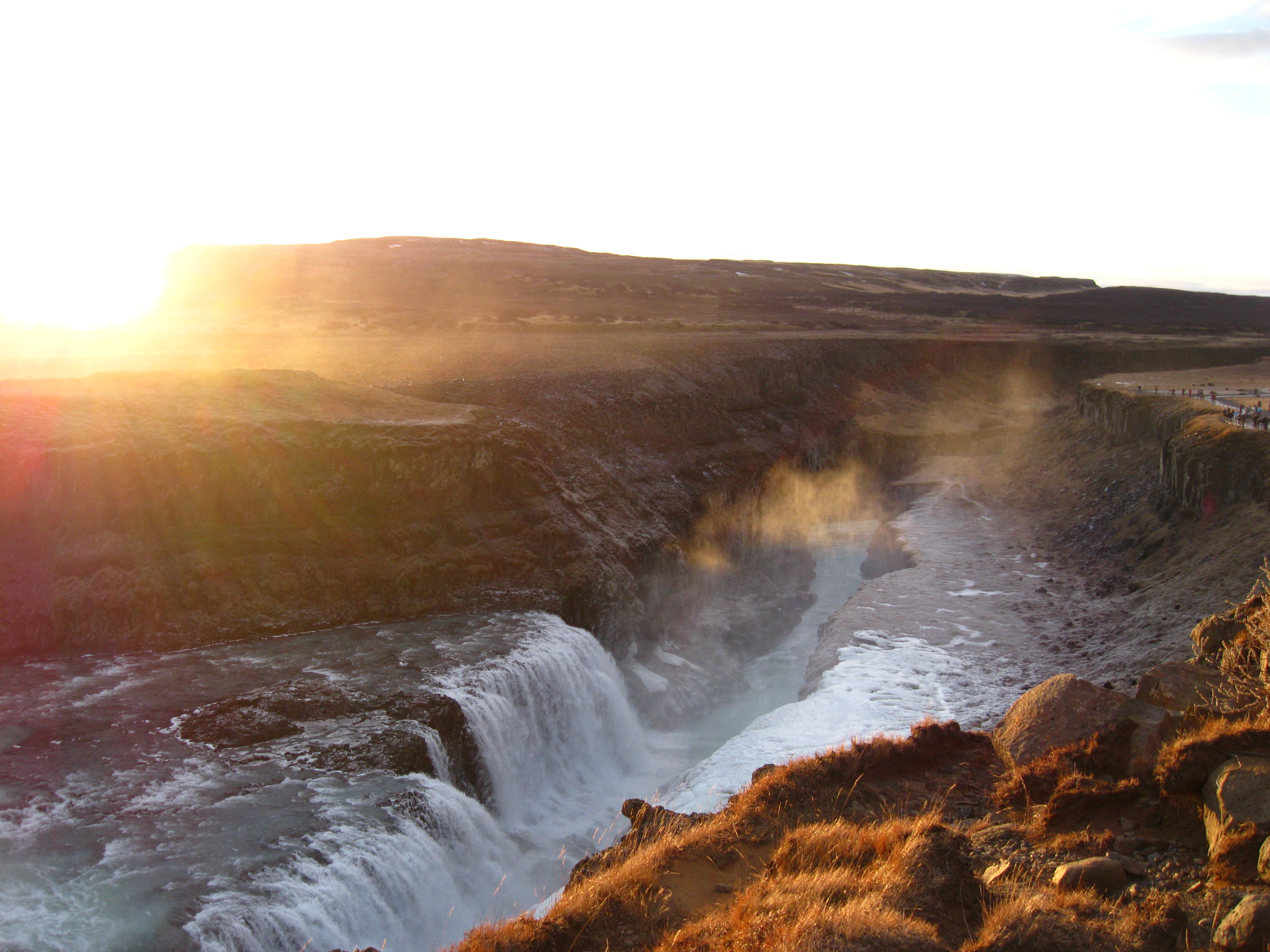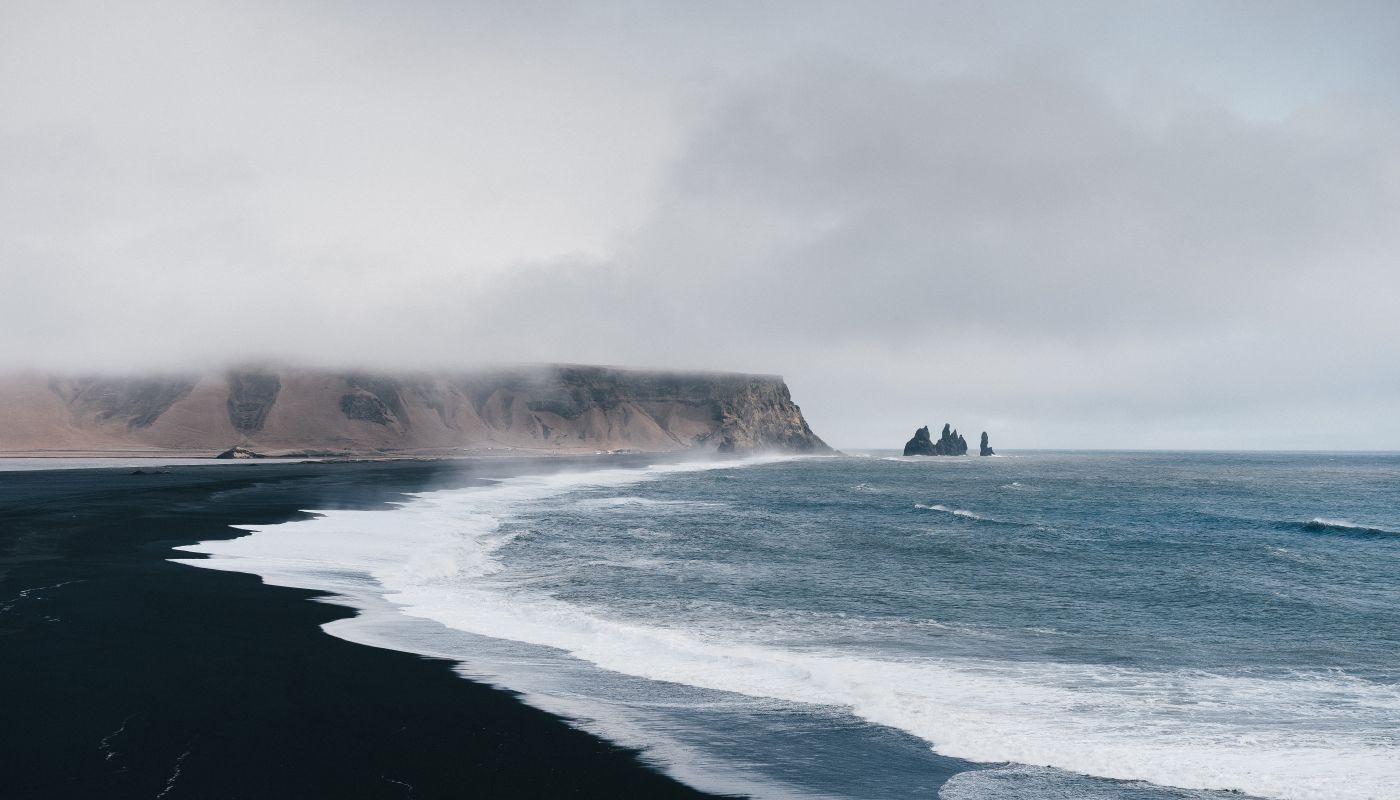
Landscape of Iceland
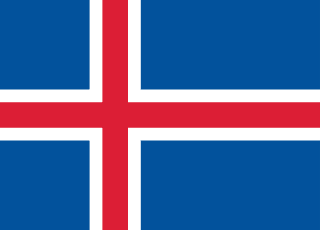
Flag of Iceland

Iceland

Europe

Iceland is a small island country located in the North Atlantic Ocean with a population of approximately 364,000 people. Iceland has been at the forefront of renewable energy sources and has achieved remarkable progress in reducing its reliance on fossil fuels. Iceland is a leader in geothermal and hydroelectric power, which provides the country with nearly 100% of its electricity and heats the majority of its homes. This focus on sustainability has earned Iceland a reputation as one of the most environmentally friendly countries in the world.

What would you like to learn about in Iceland?

Select a section to explore the country where nonprofits are creating positive change.

About Iceland

Settled by Norwegian and Celtic (Scottish and Irish) immigrants during the late 9th and 10th centuries A.D., Iceland boasts the world's oldest functioning legislative assembly, the Althing, established in 930. Independent for over 300 years, Iceland was subsequently ruled by Norway and Denmark. Fallout from the Askja volcano of 1875 devastated the Icelandic economy and caused widespread famine. Over the next quarter century, 20% of the island's population emigrated, mostly to Canada and the US. Denmark granted limited home rule in 1874 and complete independence in 1944. The second half of the 20th century saw substantial economic growth driven primarily by the fishing industry. The economy diversified greatly after the country joined the European Economic Area in 1994, but Iceland was especially hard hit by the global financial crisis in the years following 2008. Literacy, longevity, and social cohesion are first rate by world standards.

Quick Facts

Population
315,281 (July 2013 est.)
Area
103,000 sq km
ISO Code
IS
Continent
Europe
Government
constitutional republic
Active Causes
12
View all countries in Europe

Geography & Environment

Climate

temperate; moderated by North Atlantic Current; mild, windy winters; damp, cool summers

Terrain

mostly plateau interspersed with mountain peaks, icefields; coast deeply indented by bays and fiords

Natural Resources

fish, hydropower, geothermal power, diatomite

Environmental Issues

water pollution from fertilizer runoff; inadequate wastewater treatment

People & Society

81.11 years
Avg. Life Expectancy
99%
Literacy Rate
93% of total population (2010)
Total Urban Population

Languages

Icelandic, English, Nordic languages, German widely spoken

Religions

Lutheran Church of Iceland (official) 80.7%, Roman Catholic 2.5%, Reykjavik Free Church 2.4%, Hafnarfjorour Free Church 1.6%, other religions 3.6%, un...

Health Expenditure

9.4% of GDP (2010) of GDP

Education Expenditure

7.8% of GDP (2009) of GDP

Economy

$39,900
GDP per Capita (PPP)
6%
Unemployment Rate
NA%
Below Poverty Line

Economic Overview

Iceland's Scandinavian-type social-market economy combines a capitalist structure and free-market principles with an extensive welfare system. Prior to the 2008 crisis, Iceland had achieved high growth, low unemployment, and a remarkably even distribution of income. The economy depends heavily on the fishing industry, which provides 40% of export earnings, more than 12% of GDP, and employs nearly 5% of the work force. It remains sensitive to declining fish stocks as well as to fluctuations in world prices for its main exports: fish and fish products, aluminum, and ferrosilicon. Iceland's econo...

Causes in Iceland

Environment

Iceland, a country known for its stunning natural landscapes and geothermal energy sources, is particularly vulnerable to the impacts of climate change due to its unique environmental conditions. The melting of glaciers, changing weather patterns, and ocean acidification are some of the key environmental challenges facing Iceland. These changes not only threaten the country's biodiversity and ecosystems but also have significant economic implications, affecting industries such as fishing and tourism, which are vital to Iceland's economy. Furthermore, the reliance on geothermal energy for heating and electricity generation underscores the importance of sustainable practices to mitigate environmental degradation in the region.

Human Rights

Iceland, a country known for its stunning natural landscapes and progressive social policies, has demonstrated a strong commitment to upholding human rights within its borders. With a high standard of living and robust social welfare programs, Iceland has made significant strides in promoting equality and protecting the rights of its citizens. The country has been praised for its gender equality initiatives, with laws in place to ensure equal pay for equal work and a strong focus on combating gender-based violence. Additionally, Iceland places a strong emphasis on LGBTQ+ rights, with same-sex marriage legalized in 2010. While Iceland has made impressive progress in advancing human rights, challenges persist, particularly in addressing issues related to the rights of indigenous peoples and immigrants. Continued efforts are needed to ensure that all individuals within Iceland's borders are afforded equal rights and protections.

Education

Iceland, a Nordic island nation known for its stunning natural landscapes and progressive social policies, places a strong emphasis on education as a key driver of its societal development. The Icelandic education system is highly regarded for its quality and inclusivity, offering free education to all citizens from pre-primary through university level. This commitment to education has contributed significantly to Iceland's high literacy rates and well-educated workforce, ultimately fostering innovation and economic growth in the country. Furthermore, Iceland's education system prioritizes creativity, critical thinking, and sustainability, aligning with the nation's values of environmental conservation and social equality. By investing in education, Iceland not only equips its citizens with the skills necessary for success but also cultivates a society that values knowledge, diversity, and progress.

Poverty

Iceland, known for its stunning landscapes and high standard of living, is not immune to the issue of poverty. Despite being ranked as one of the wealthiest countries in the world, poverty still affects a portion of its population. The cost of living in Iceland is notably high, with housing expenses being particularly burdensome. This results in some individuals and families facing financial difficulties and struggling to make ends meet. Poverty in Iceland can also be attributed to factors such as unemployment, disabilities, and social exclusion. While social welfare programs exist to support those in need, there are still challenges in addressing poverty comprehensively. Increased awareness and efforts to assist vulnerable groups are crucial in combating poverty in Iceland.

Religion

Iceland, a Nordic island nation known for its stunning landscapes and progressive policies, has a unique relationship with religion. Historically, Iceland was primarily a Christian country, with the majority of its population belonging to the Lutheran Church. However, in recent years, there has been a significant decline in religious affiliation, with a growing number of Icelanders identifying as atheists or agnostics. This shift has been attributed to increased secularization and modernization trends in Icelandic society. Despite this decline in religious adherence, traditional Christian holidays such as Christmas and Easter are still widely celebrated in Iceland, albeit often in a more secularized manner. The impact of religion on Icelandic culture and society continues to be a topic of discussion and reflection as the country navigates its changing religious landscape.

Clean Water

Iceland, known for its stunning landscapes and pristine environment, places a high value on clean water. With abundant natural sources of fresh water, including glaciers, rivers, and lakes, Icelanders rely on these resources for drinking water, agriculture, and tourism. The country's strict environmental regulations and comprehensive monitoring systems ensure that its water remains clean and safe for consumption. However, climate change poses a significant threat to Iceland's water quality, as rising temperatures can lead to the melting of glaciers and changes in water chemistry. Protecting Iceland's clean water sources is crucial not only for the well-being of its people but also for the preservation of its unique ecosystems and biodiversity.

Economy

Iceland, a Nordic island nation located in the North Atlantic Ocean, boasts a unique economy characterized by its heavy reliance on fishing and renewable energy resources. The country's economy has been significantly influenced by external factors such as global market trends, climate change, and natural disasters. The 2008 financial crisis had a profound impact on Iceland's economy, leading to the collapse of its banking system and subsequent austerity measures. Despite these challenges, Iceland has managed to rebound through strategic investments in sectors such as tourism and green energy, contributing to its steady economic growth in recent years.

Government

Iceland, a Nordic island nation known for its stunning landscapes and progressive social policies, is heavily influenced by its government in several key areas. The government of Iceland plays a significant role in the country's economy, with policies that prioritize sustainable development, renewable energy sources, and environmental protection. Additionally, the government provides generous social welfare benefits to its citizens, including healthcare, education, and parental leave. Iceland's commitment to gender equality is also evident in government initiatives aimed at closing the gender pay gap and increasing female representation in leadership roles. Overall, the Icelandic government's policies have a direct impact on the quality of life and well-being of its population, shaping the country's unique social fabric and global reputation.

Health

Iceland, a Nordic island nation located in the North Atlantic Ocean, boasts a high standard of living and a strong healthcare system. The country's emphasis on health and well-being is evident in its universal healthcare coverage, which ensures that all citizens have access to quality medical care. Iceland's focus on preventative healthcare measures, such as regular screenings and health education programs, has contributed to the nation's overall good health outcomes. However, despite these advancements, Iceland faces challenges related to mental health issues, substance abuse, and an aging population, which requires ongoing attention and resources to address effectively. By prioritizing public health initiatives and investing in mental health services and substance abuse prevention programs, Iceland can continue to improve the well-being of its population and ensure a healthier future for all its citizens.

Children

In Iceland, children play a significant role in shaping the country's future. Recognized for its high level of gender equality, Iceland places great emphasis on providing children with equal opportunities for growth and development. The government of Iceland prioritizes policies that support the well-being of children, including access to quality education, healthcare, and social services. Despite these efforts, issues such as child poverty and mental health challenges persist, affecting the overall well-being of Icelandic children. It is essential for policymakers and communities to continue working together to address these issues effectively and ensure a bright future for the next generation of Icelanders.

Family

In Iceland, family plays a significant role in shaping the country's social fabric and cultural norms. The Icelandic society places high value on strong family ties, which serve as the cornerstone of support and solidarity for individuals. Families in Iceland are known for their close-knit nature and intergenerational connections, with a strong emphasis on mutual care and responsibility among family members. This emphasis on family has been linked to the country's high levels of social cohesion and well-being, contributing to Iceland consistently ranking among the top countries in terms of happiness and quality of life. Furthermore, Icelandic government policies also prioritize family welfare, offering various support systems and benefits to ensure the well-being of families across the nation.

Animals

Iceland, known for its stunning natural landscapes and unique wildlife, is home to a variety of animals that play a crucial role in the country's ecosystem. The Arctic fox, puffin, and Icelandic horses are just a few examples of the diverse wildlife that call Iceland home. These animals contribute to maintaining the delicate balance of nature in Iceland, playing key roles in various food chains and ecosystems. However, like many other regions around the world, Iceland's wildlife faces threats such as habitat loss, climate change, and human interference. It is important to raise awareness about the importance of conserving Iceland's animals and their habitats to ensure the long-term sustainability of the country's rich biodiversity.

Nonprofits Working in Iceland

Discover organizations making a difference in Iceland

Make Your Impact Today

Discover causes you care about and support the nonprofits making a difference in communities around the world.

Are you a nonprofit? Join Project World Impact for free

Join Us Free