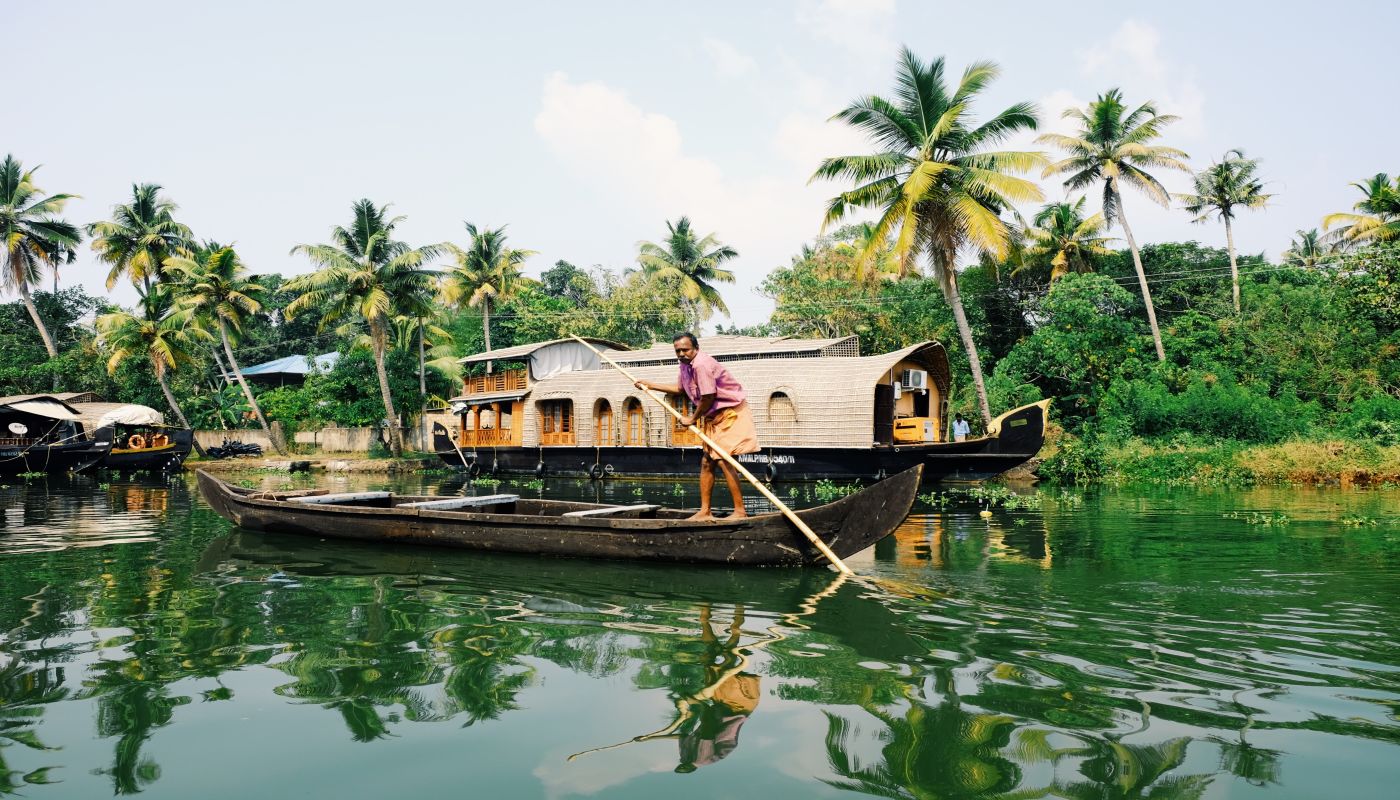
Landscape of India
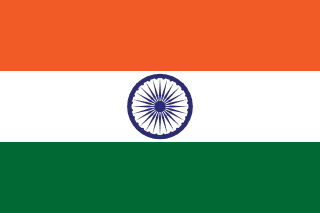
Flag of India

India

Asia

India is a large and diverse country located in South Asia. With a population of over 1.3 billion people, it is the second-most populous country in the world. India is known for its rich cultural heritage, diverse population, and rapidly growing economy. It is home to many different religions, languages, and traditions, and has a long history that dates back thousands of years. India remains fascinating and dynamic, with a unique culture and a strong commitment to progress and development.

What would you like to learn about in India?

Select a section to explore the country where nonprofits are creating positive change.

About India

The Indus Valley civilization, one of the world's oldest, flourished during the 3rd and 2nd millennia B.C. and extended into northwestern India. Aryan tribes from the northwest infiltrated the Indian subcontinent about 1500 B.C.; their merger with the earlier Dravidian inhabitants created the classical Indian culture. The Maurya Empire of the 4th and 3rd centuries B.C. - which reached its zenith under ASHOKA - united much of South Asia. The Golden Age ushered in by the Gupta dynasty (4th to 6th centuries A.D.) saw a flowering of Indian science, art, and culture. Islam spread across the subcontinent over a period of 700 years. In the 10th and 11th centuries, Turks and Afghans invaded India and established the Delhi Sultanate. In the early 16th century, the Emperor BABUR established the Mughal Dynasty which ruled India for more than three centuries. European explorers began establishing footholds in India during the 16th century. By the 19th century, Great Britain had become the dominant political power on the subcontinent. The British Indian Army played a vital role in both World Wars. Years of nonviolent resistance to British rule, led by Mohandas GANDHI and Jawaharlal NEHRU, eventually resulted in Indian independence, which was granted in 1947. Large-scale communal violence took place before and after the subcontinent partition into two separate states - India and Pakistan. The neighboring nations have fought three wars since independence, the last of which was in 1971 and resulted in East Pakistan becoming the separate nation of Bangladesh. India's nuclear weapons tests in 1998 emboldened Pakistan to conduct its own tests that same year. In November 2008, terrorists originating from Pakistan conducted a series of coordinated attacks in Mumbai, India's financial capital. Despite pressing problems such as significant overpopulation, environmental degradation, extensive poverty, and widespread corruption, economic growth following the launch of economic reforms in 1991 and a massive youthful population are driving India's emergence as a regional and global power.

Quick Facts

Population
1,220,800,359 (July 2013 est.)
Area
3,287,263 sq km
ISO Code
IN
Continent
Asia
Government
federal republic
Active Causes
12
View all countries in Asia

Geography & Environment

Climate

varies from tropical monsoon in south to temperate in north

Terrain

upland plain (Deccan Plateau) in south, flat to rolling plain along the Ganges, deserts in west, Himalayas in north

Natural Resources

coal (fourth-largest reserves in the world), iron ore, manganese, mica, bauxite, rare earth elements, titanium ore, chromite, natural gas, diamonds, petroleum, limestone, arable land

Environmental Issues

deforestation; soil erosion; overgrazing; desertification; air pollution from industrial effluents and vehicle emissions; water pollution from raw sewage and runoff of agricultural pesticides; tap wat...

People & Society

67.48 years
Avg. Life Expectancy
62.8%
Literacy Rate
31.3% of total population (2011)
Total Urban Population

Languages

Hindi 41%, Bengali 8.1%, Telugu 7.2%, Marathi 7%, Tamil 5.9%, Urdu 5%, Gujarati 4.5%, Kannada 3.7%, Malayalam 3.2%, Oriya 3.2%, Punjabi 2.8%, Assamese...

Religions

Hindu 80.5%, Muslim 13.4%, Christian 2.3%, Sikh 1.9%, other 1.8%, unspecified 0.1% (2001 census)

Health Expenditure

4.1% of GDP (2010) of GDP

Education Expenditure

3.3% of GDP (2010) of GDP

Economy

$3,900
GDP per Capita (PPP)
8.5%
Unemployment Rate
29.8% (2010 est.)
Below Poverty Line

Economic Overview

India is developing into an open-market economy, yet traces of its past autarkic policies remain. Economic liberalization measures, including industrial deregulation, privatization of state-owned enterprises, and reduced controls on foreign trade and investment, began in the early 1990s and have served to accelerate the country's growth, which averaged under 7% per year since 1997. India's diverse economy encompasses traditional village farming, modern agriculture, handicrafts, a wide range of modern industries, and a multitude of services. Slightly more than half of the work force is in agric...

Causes in India

Environment

India, with its vast and diverse landscape, is facing significant environmental challenges that are impacting its population and ecosystems. The country's rapid industrialization, urbanization, and population growth have led to widespread air and water pollution, deforestation, loss of biodiversity, and climate change effects. Air pollution in major cities like Delhi is a pressing issue, with high levels of particulate matter leading to severe health problems. Water pollution from industrial waste and agricultural runoff has contaminated rivers and groundwater sources, affecting both human health and aquatic life. Deforestation for agriculture, urban development, and logging has resulted in the loss of crucial habitats for wildlife and contributed to soil erosion. Additionally, India is highly vulnerable to the impacts of climate change, experiencing extreme weather events such as droughts, floods, and heatwaves with increasing frequency and intensity. Addressing these environmental challenges is crucial for the well-being of India's population and the preservation of its natural resources.

Human Rights

India, a diverse nation known for its rich cultural heritage, is also a country where human rights issues continue to persist. With a population of over 1.3 billion people, India faces numerous challenges in upholding human rights for all its citizens. Despite being a signatory to various international human rights treaties, reports of violations such as gender discrimination, child labor, caste-based discrimination, and lack of access to education and healthcare are still prevalent. The marginalized communities including Dalits, Adivasis, and religious minorities often face discrimination and violence. The issue of women's safety and gender equality also remains a significant concern in the country. Addressing these human rights challenges is crucial for India to ensure the well-being and dignity of all its citizens.

Education

Education plays a vital role in shaping the socio-economic landscape of India. With a population of over 1.3 billion, India faces the dual challenge of providing quality education to a large number of people while also addressing issues of accessibility and equity. Despite significant progress in recent years, disparities in educational opportunities persist, particularly between urban and rural areas, and among different socio-economic groups. The impact of education on India is profound, influencing not only individual prosperity but also national development. A well-educated population contributes to economic growth, innovation, and social cohesion. However, challenges such as inadequate infrastructure, teacher shortages, and outdated curricula continue to hinder the education system's effectiveness.

Poverty

India, a country with a population of over 1.3 billion people, is grappling with the pervasive issue of poverty. Despite being one of the world's fastest-growing economies, a significant portion of India's population continues to live below the poverty line. The impact of poverty in India is far-reaching, affecting not only individuals and families but also stalling the country's overall development. Poverty in India is often accompanied by inadequate access to basic necessities such as food, clean water, healthcare, and education, leading to a cycle of deprivation that is hard to break. The lack of economic opportunities and social infrastructure further exacerbates the problem, perpetuating a vicious cycle of poverty for many. Addressing poverty in India requires comprehensive strategies that focus on improving access to education, healthcare, and employment opportunities, as well as promoting inclusive economic growth and social welfare programs.

Religion

Religion holds immense significance in India, a diverse country known for its rich cultural tapestry. With a population comprising various religious communities such as Hinduism, Islam, Christianity, Sikhism, Buddhism, and others, religion plays a pivotal role in shaping the socio-political landscape of the nation. The influence of religion is evident in daily life, from the celebration of festivals to religious practices that guide personal and communal conduct. While religious diversity has been a source of strength, it has also led to occasional tensions and conflicts. Understanding the complexities of religious dynamics in India is crucial for fostering mutual respect and harmony among its diverse populace.

Clean Water

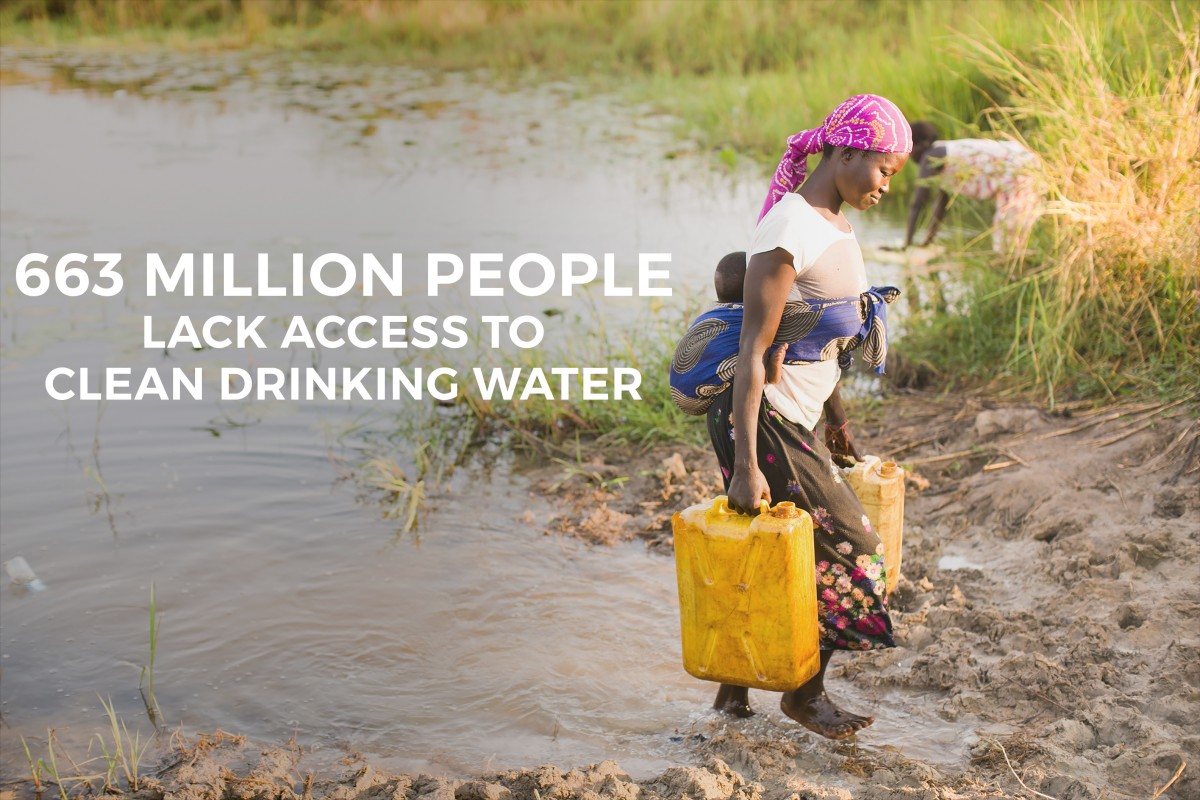
Clean water is a critical resource for the people of India, with wide-ranging impacts on public health, environmental sustainability, and economic development. Despite being home to a rapidly growing population, access to safe drinking water remains a significant challenge in many parts of the country. Waterborne diseases such as cholera and typhoid are prevalent due to contaminated water sources, leading to high rates of illness and mortality. Additionally, inadequate sanitation infrastructure contributes to water pollution, further exacerbating the problem. The scarcity of clean water not only jeopardizes the well-being of individuals but also hinders agricultural productivity and industrial growth. In order to address these challenges and ensure a sustainable water supply for its citizens, India must prioritize investments in water infrastructure, pollution control measures, and public health initiatives.

Economy

India, a country known for its rich cultural heritage and diverse population, is also home to one of the world's largest economies. The economy of India plays a crucial role in shaping the lives of its citizens, influencing everything from employment opportunities to living standards. With a GDP exceeding $2.8 trillion in 2021, India's economy is driven by sectors such as agriculture, manufacturing, services, and technology. However, despite its economic growth, India faces challenges such as income inequality, poverty, and unemployment that impact millions of its citizens. The government has implemented various policies to address these issues and promote sustainable economic development. It is essential for stakeholders both within and outside the country to understand how the Indian economy functions and its impact on society to support initiatives that aim to improve the well-being of its people.

Government

India is a country known for its diverse culture, vibrant economy, and growing population. The Indian government plays a crucial role in shaping the country's development and progress. Through policies, legislation, and governance, the government influences various aspects of Indian society, including economy, education, healthcare, and infrastructure. Government initiatives such as "Make in India" and "Digital India" have aimed to boost manufacturing and digital transformation, respectively, contributing to economic growth and job creation. However, challenges such as poverty, corruption, and social inequality persist, highlighting the need for continued government intervention and reform efforts.

Health

In India, numerous factors contribute to the intricate relationship between health and well-being. The country grapples with a high burden of communicable and non-communicable diseases, inadequate healthcare infrastructure, limited access to clean water and sanitation facilities, as well as widespread poverty and malnutrition. These challenges have substantial repercussions on the population's health outcomes, leading to high mortality rates, especially among vulnerable groups such as children and the elderly. Furthermore, environmental issues like air pollution pose significant health risks, exacerbating respiratory conditions and increasing the prevalence of diseases. Addressing these multifaceted health challenges requires a comprehensive approach encompassing improved healthcare services, enhanced sanitation facilities, increased access to clean water, and stringent measures to combat environmental pollution.

Children

In India, children face a multitude of challenges that significantly impact their lives. Issues such as child labor, lack of access to education, child marriage, and malnutrition are prevalent in the country. Child labor remains a pressing concern, with millions of children engaged in hazardous work that deprives them of their right to education and a safe childhood. Furthermore, child marriage continues to be a prevalent practice in many parts of India, especially in rural areas, jeopardizing the health and well-being of young girls. Malnutrition is another critical issue affecting Indian children, with a significant number facing stunted growth and developmental delays due to inadequate nutrition. These challenges not only hinder the holistic development of children but also perpetuate cycles of poverty and inequality in the society. By addressing these issues and promoting policies and programs that safeguard the rights and well-being of children, India can pave the way for a brighter future for its younger generation.

Family

In India, the institution of family holds immense significance, serving as the cornerstone of social structure and cultural traditions. Families in India are typically large and multigenerational, embodying strong bonds and a sense of collective responsibility. The concept of family extends beyond the nuclear unit to include extended relatives, with a deep-rooted emphasis on filial piety and respect for elders. Family plays a pivotal role in shaping individuals' identities, values, and beliefs, influencing their decisions on education, career choices, marriage partners, and even healthcare. Moreover, families in India often provide crucial emotional support and financial security to their members, particularly in times of need or crisis. However, rapid urbanization, globalization, and changing socio-economic dynamics are gradually impacting traditional family structures in India, leading to evolving roles and dynamics within families.

Animals

India is home to a rich and diverse array of animal species, many of which play crucial roles in the country's ecosystems. From the majestic Bengal tiger to the sacred cow, animals have long held significance in Indian culture and society. However, rapid urbanization, habitat destruction, poaching, and climate change pose significant threats to India's wildlife. The loss of biodiversity not only impacts the animal populations themselves but also has far-reaching consequences for human well-being, including disruptions to food chains, agricultural productivity, and ecosystem services. Conservation efforts, such as wildlife sanctuaries and protected areas, are essential to safeguarding India's unique fauna and flora for future generations.

Nonprofits Working in India

Discover organizations making a difference in India

Make Your Impact Today

Discover causes you care about and support the nonprofits making a difference in communities around the world.

Are you a nonprofit? Join Project World Impact for free

Join Us Free