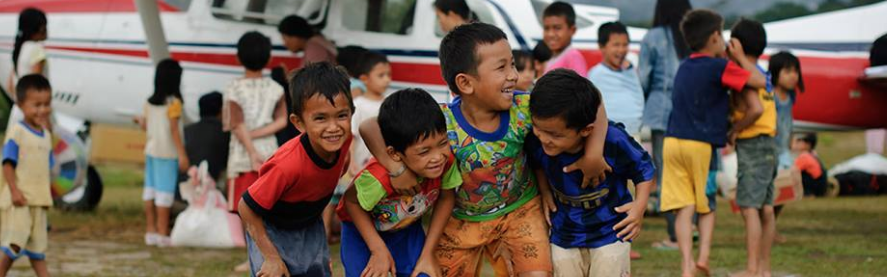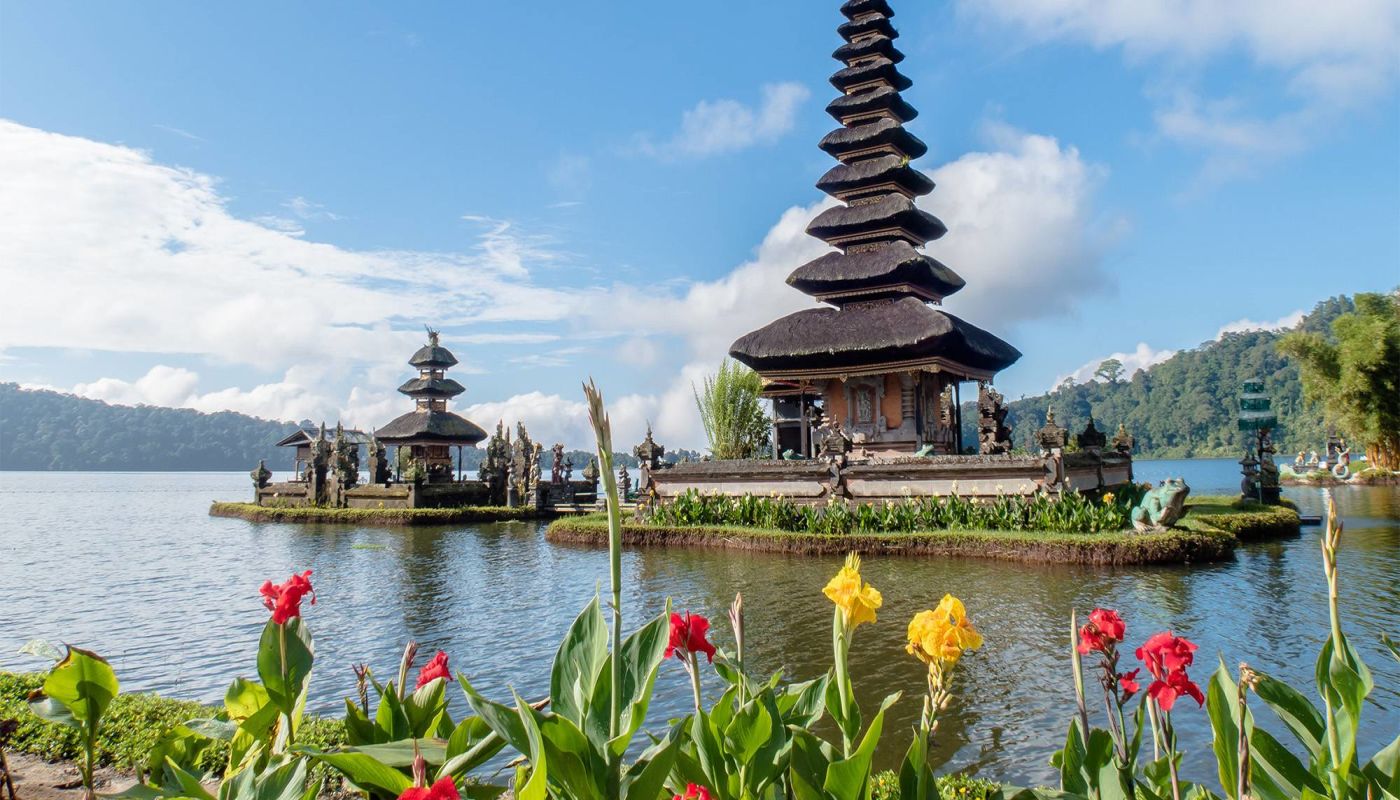

Landscape of Indonesia
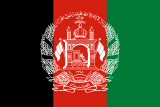
Flag of Indonesia

Indonesia

Asia

Indonesia is located in Southeast Asia, comprised of over 17,000 islands and a population of more than 270 million people. The country is home to some of the world's most iconic landmarks, including the Borobudur Temple, which attracts thousands of visitors every year. The country's government has implemented various policies to support economic growth, such as investing in education and job creation. These efforts have helped to lift millions of Indonesians out of poverty. Another important topic is the government's efforts to improve infrastructure, with ambitious plans to expand transportation networks and modernize the country's cities.

What would you like to learn about in Indonesia?

Select a section to explore the country where nonprofits are creating positive change.

About Indonesia

The Dutch began to colonize Indonesia in the early 17th century; Japan occupied the islands from 1942 to 1945. Indonesia declared its independence shortly before Japan's surrender, but it required four years of sometimes brutal fighting, intermittent negotiations, and UN mediation before the Netherlands agreed to transfer sovereignty in 1949. A period of sometimes unruly parliamentary democracy ended in 1957 when President SOEKARNO declared martial law and instituted "Guided Democracy." After an abortive coup in 1965 by alleged communist sympathizers, SOEKARNO was gradually eased from power. From 1967 until 1988, President SUHARTO ruled Indonesia with his "New Order" government. After rioting toppled Suharto in 1998, free and fair legislative elections took place in 1999. Indonesia is now the world's third most populous democracy, the world's largest archipelagic state, and the world's largest Muslim-majority nation. Current issues include: alleviating poverty, improving education, preventing terrorism, consolidating democracy after four decades of authoritarianism, implementing economic and financial reforms, stemming corruption, reforming the criminal justice system, holding the military and police accountable for human rights violations, addressing climate change, and controlling infectious diseases, particularly those of global and regional importance. In 2005, Indonesia reached a historic peace agreement with armed separatists in Aceh, which led to democratic elections in Aceh in December 2006. Indonesia continues to face low intensity armed resistance in Papua by the separatist Free Papua Movement.

Quick Facts

Population
251,160,124 (July 2013 est.)
Area
1,904,569 sq km
ISO Code
ID
Continent
Asia
Government
republic
Active Causes
12
View all countries in Asia

Geography & Environment

Climate

tropical; hot, humid; more moderate in highlands

Terrain

mostly coastal lowlands; larger islands have interior mountains

Natural Resources

petroleum, tin, natural gas, nickel, timber, bauxite, copper, fertile soils, coal, gold, silver

Environmental Issues

deforestation; water pollution from industrial wastes, sewage; air pollution in urban areas; smoke and haze from forest fires

People & Society

71.9 years
Avg. Life Expectancy
92.8%
Literacy Rate
50.7% of total population (2011)
Total Urban Population

Languages

Bahasa Indonesia (official, modified form of Malay), English, Dutch, local dialects (of which the most widely spoken is Javanese)

Religions

Muslim 86.1%, Protestant 5.7%, Roman Catholic 3%, Hindu 1.8%, other or unspecified 3.4% (2000 census)

Health Expenditure

2.6% of GDP (2010) of GDP

Education Expenditure

3% of GDP (2010) of GDP

Economy

$5,100
GDP per Capita (PPP)
6.1%
Unemployment Rate
11.7% (2012 est.)
Below Poverty Line

Economic Overview

Indonesia, a vast polyglot nation, grew more than 6% annually in 2010-12. The government made economic advances under the first administration of President YUDHOYONO (2004-09), introducing significant reforms in the financial sector, including tax and customs reforms, the use of Treasury bills, and capital market development and supervision. During the global financial crisis, Indonesia outperformed its regional neighbors and joined China and India as the only G20 members posting growth in 2009. The government has promoted fiscally conservative policies, resulting in a debt-to-GDP ratio of les...

Causes in Indonesia

Environment

Indonesia, with its vast biodiversity and rich natural resources, faces significant environmental challenges that profoundly impact its population and economy. The country's tropical forests are under constant threat from deforestation driven by agricultural expansion, logging, and mining activities, endangering crucial ecosystems and contributing to climate change. Moreover, Indonesia is highly vulnerable to the effects of climate change, experiencing rising sea levels, extreme weather events, and threats to food security. The degradation of the environment in Indonesia not only poses a threat to its unique wildlife and ecosystems but also affects the livelihoods of millions of people who depend on natural resources for their survival. Addressing these environmental issues is crucial to ensure a sustainable future for Indonesia and its inhabitants.

Education

Education plays a crucial role in Indonesia, a country comprised of diverse cultures and communities. The impact of education in Indonesia is profound, influencing not only individual lives but also societal development and economic growth. The country faces challenges such as unequal access to education, inadequate infrastructure, and low quality of education in certain regions. Despite these challenges, efforts are being made to improve the education system, with initiatives focusing on increasing enrollment rates, enhancing teacher training, and promoting inclusive education policies. Education in Indonesia is seen as a key driver for social mobility and economic progress, paving the way for a more prosperous future for its citizens.

Poverty

Indonesia, a diverse archipelago nation in Southeast Asia, is grappling with significant challenges related to poverty. With a population of over 270 million people, poverty remains a pressing issue affecting many individuals and communities across the country. The World Bank reports that approximately 9.4% of Indonesians live below the national poverty line, struggling to meet their basic needs for nutrition, healthcare, and education. The impact of poverty in Indonesia is far-reaching, leading to limited access to essential services, inadequate infrastructure development, and disparities in living standards between urban and rural areas. Addressing poverty in Indonesia requires a concerted effort from policymakers, civil society organizations, and the private sector to implement sustainable solutions that uplift disadvantaged communities and promote inclusive economic growth.

Religion

Religion holds significant influence in Indonesia, a country known for its diverse cultural and religious landscape. With the majority of its population practicing Islam, religion plays a crucial role in shaping social norms, political dynamics, and everyday life in the nation. The intertwining of religion with Indonesian society is evident in the presence of religious institutions, rituals, and practices that are deeply ingrained in the fabric of the country. However, religious diversity also exists in Indonesia, with sizable Christian, Hindu, Buddhist, and indigenous communities adding to the intricate tapestry of beliefs present in the nation. This religious pluralism has led to both harmony and tensions at times, highlighting the complex interplay between different faiths in Indonesian society. As such, understanding the role of religion in Indonesia is essential for appreciating the nuances of its culture and fostering inter-religious dialogue for a more harmonious coexistence.

Clean Water

Clean water is a fundamental necessity for all living beings, yet in Indonesia, access to safe and clean water remains a significant challenge. With over 270 million people residing in the archipelago, a large portion of the population lacks access to clean water, leading to severe health issues and inhibiting overall development. Waterborne diseases such as diarrhea, cholera, and typhoid are prevalent in areas where clean water is scarce, disproportionately affecting vulnerable communities, including children and the elderly. Moreover, contaminated water sources also contribute to environmental degradation and ecosystem imbalance. Addressing the issue of clean water scarcity in Indonesia requires sustainable infrastructure development, efficient water management policies, and public awareness campaigns to promote responsible water usage and conservation.

Economy

Indonesia, a vast archipelago in Southeast Asia, is a country with a rapidly growing economy. Its economy is heavily reliant on natural resources such as oil, natural gas, coal, and palm oil. However, this reliance on commodities makes Indonesia vulnerable to fluctuations in global commodity prices, affecting its economic stability. The country also faces challenges related to income inequality, poverty, and inadequate infrastructure, which further impact its economic development. Moreover, Indonesia's economy is susceptible to environmental issues such as deforestation and pollution, which can have long-term consequences on its economic growth. Overall, the economy plays a critical role in shaping Indonesia's present and future prospects, making it essential for the country to address these challenges effectively.

Government

Indonesia, a Southeast Asian archipelago comprising thousands of islands, faces a multitude of challenges stemming from the influence of its government. The government's policies and actions play a crucial role in shaping the nation's socioeconomic landscape. Issues such as deforestation, air pollution, and economic inequality are among the key concerns that Indonesia grapples with. The government's decisions on natural resource management, environmental protection, and economic development have a direct impact on the well-being of its citizens and the sustainability of its ecosystems. By promoting transparency, accountability, and sustainable practices, the Indonesian government can work towards addressing these pressing issues and fostering a more equitable and environmentally conscious society.

Health

Health has a significant impact on Indonesia, a country facing various health challenges. With a population of over 270 million people spread across its vast archipelago, Indonesia grapples with issues such as infectious diseases, maternal and child health, and non-communicable diseases. The country's healthcare system faces challenges in terms of accessibility, quality, and affordability, particularly in rural areas where healthcare facilities are limited. These factors contribute to the high prevalence of diseases such as tuberculosis, malaria, and dengue fever. Maternal and child health indicators also remain a concern, with high maternal mortality rates and malnutrition among children. Additionally, the rise of non-communicable diseases like diabetes and cardiovascular diseases presents a growing burden on the healthcare system. Addressing these health challenges is crucial for improving the overall well-being of the Indonesian population and achieving sustainable development goals.

Children

In Indonesia, children face numerous challenges that impact their well-being and development. Factors such as poverty, limited access to education, child labor, and inadequate healthcare services have a significant influence on the lives of Indonesian children. According to UNICEF, Indonesia has one of the highest rates of child labor in the world, with many children being forced to work in hazardous conditions instead of attending school. This not only deprives them of their right to education but also exposes them to exploitation and abuse. Additionally, malnutrition remains a prevalent issue among Indonesian children, affecting their physical and cognitive growth. Efforts are being made by various organizations and the government to address these issues and improve the lives of children in Indonesia.

Family

In Indonesia, family plays a vital role in shaping social structures and cultural norms. The concept of family extends beyond the nuclear unit to include extended relatives and even close family friends. Families in Indonesia are typically large and close-knit, with a strong emphasis on collective decision-making and mutual support. Family members often provide emotional, financial, and practical assistance to one another, fostering a sense of belonging and security. Furthermore, familial ties are central to Indonesian society, influencing various aspects of life including education, career choices, marriage arrangements, and social interactions. The importance placed on family relationships contributes to the country's strong sense of community and values such as respect for elders and filial piety.

Human Rights

Indonesia, a diverse archipelago nation in Southeast Asia, grapples with significant human rights challenges that impact its population. Issues such as restrictions on freedom of expression, discrimination against religious and ethnic minorities, violence against women, and environmental degradation pose serious threats to the well-being of its people. The government's response to these issues has been mixed, with some improvements in recent years, yet more efforts are needed to fully uphold and protect the human rights of all Indonesians. By addressing these human rights concerns, Indonesia can foster a more inclusive and just society for its citizens, paving the way for sustainable development and progress.

Animals

Indonesia, a country known for its rich biodiversity, is home to a vast array of animals that play a crucial role in its ecosystem. The diverse wildlife in Indonesia, including iconic species like the orangutan, Sumatran tiger, and Komodo dragon, face numerous threats such as habitat loss, illegal wildlife trade, and climate change. Deforestation for agriculture, mining, and infrastructure development has led to the destruction of critical habitats for many species. Additionally, the illegal wildlife trade persists in Indonesia, with poaching and trafficking of animals continuing to pose a significant challenge to conservation efforts. Climate change further exacerbates these threats, impacting the natural habitats and survival of numerous species. Conservation efforts are underway in Indonesia to protect its unique wildlife and preserve its ecosystems for future generations.

Nonprofits Working in Indonesia

Discover organizations making a difference in Indonesia

Make Your Impact Today

Discover causes you care about and support the nonprofits making a difference in communities around the world.

Are you a nonprofit? Join Project World Impact for free

Join Us Free