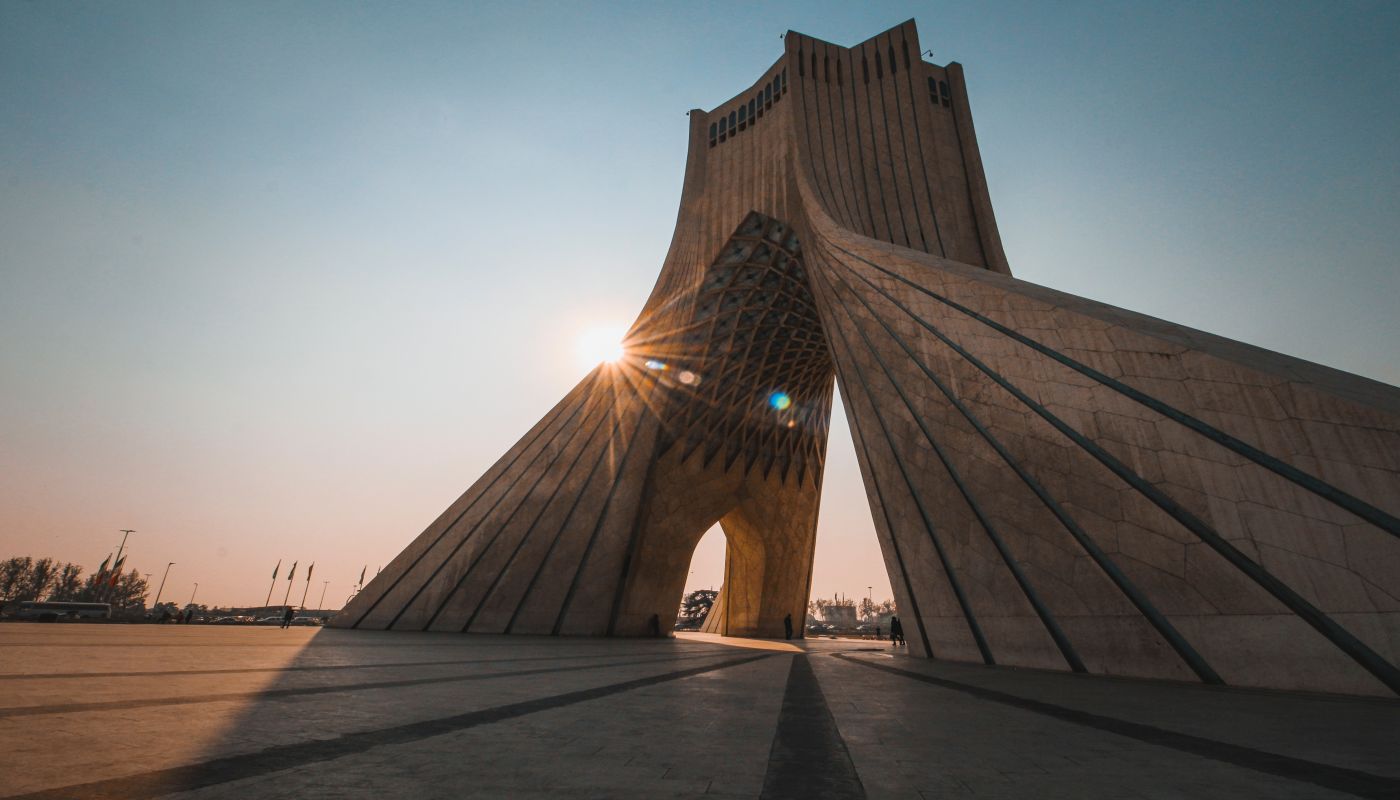
Landscape of Iran
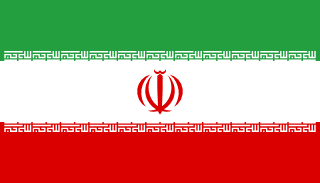
Flag of Iran

Iran

Asia

Iran, officially known as the Islamic Republic of Iran, is a country located in Western Asia. It is home to a diverse population of approximately 85 million people. Iran has been in the news due to its ongoing negotiations with other countries over its nuclear program, but there is much more to this vibrant nation than just politics. Iran has made significant progress in areas such as education, healthcare, and social welfare, and it is home to a growing middle class that is increasingly well-educated and tech-savvy. Albeit some negative portrayals in the media, Iran has a rich cultural heritage and is known for its hospitality, delicious cuisine, and beautiful architecture. The country is home to numerous historical sites, including ancient ruins and magnificent mosques. Iran has a lot to offer and its positive contributions should not be overlooked.

What would you like to learn about in Iran?

Select a section to explore the country where nonprofits are creating positive change.

About Iran

Known as Persia until 1935, Iran became an Islamic republic in 1979 after the ruling monarchy was overthrown and Shah Mohammad Reza PAHLAVI was forced into exile. Conservative clerical forces led by Ayatollah Ruhollah KHOMEINI established a theocratic system of government with ultimate political authority vested in a learned religious scholar referred to commonly as the Supreme Leader who, according to the constitution, is accountable only to the Assembly of Experts - a popularly elected 86-member body of clerics. US-Iranian relations became strained when a group of Iranian students seized the US Embassy in Tehran in November 1979 and held embassy personnel hostages until mid-January 1981. The US cut off diplomatic relations with Iran in April 1980. During the period 1980-88, Iran fought a bloody, indecisive war with Iraq that eventually expanded into the Persian Gulf and led to clashes between US Navy and Iranian military forces. Iran has been designated a state sponsor of terrorism for its activities in Lebanon and elsewhere in the world and remains subject to US, UN, and EU economic sanctions and export controls because of its continued involvement in terrorism and its nuclear weapons ambitions. Following the election of reformer Hojjat ol-Eslam Mohammad KHATAMI as president in 1997 and a reformist Majles (legislature) in 2000, a campaign to foster political reform in response to popular dissatisfaction was initiated. The movement floundered as conservative politicians, through control of unelected institutions, prevented reform measures from being enacted and increased repressive measures. Starting with nationwide municipal elections in 2003 and continuing through Majles elections in 2004, conservatives reestablished control over Iran's elected government institutions, which culminated with the August 2005 inauguration of hardliner Mahmud AHMADI-NEJAD as president. His controversial reelection in June 2009 sparked nationwide protests over allegations of electoral fraud. The UN Security Council has passed a number of resolutions calling for Iran to suspend its uranium enrichment and reprocessing activities and comply with its IAEA obligations and responsibilities. In mid-February 2011, opposition activists conducted the largest antiregime rallies since December 2009, spurred by the success of uprisings in Tunisia and Egypt. Protester turnout probably was at most tens of thousands and security forces were deployed to disperse protesters. Additional protests in March 2011 failed to elicit significant participation largely because of the robust security response, although discontent still smolders. Deteriorating economic conditions due primarily to government mismanagement and international sanctions prompted at least two major economically based protests in July and October 2012.

Quick Facts

Population
79,853,900 (July 2013 est.)
Area
1,648,195 sq km
ISO Code
IR
Continent
Asia
Government
theocratic republic
Active Causes
12
View all countries in Asia

Geography & Environment

Climate

mostly arid or semiarid, subtropical along Caspian coast

Terrain

rugged, mountainous rim; high, central basin with deserts, mountains; small, discontinuous plains along both coasts

Natural Resources

petroleum, natural gas, coal, chromium, copper, iron ore, lead, manganese, zinc, sulfur

Environmental Issues

air pollution, especially in urban areas, from vehicle emissions, refinery operations, and industrial effluents; deforestation; overgrazing; desertification; oil pollution in the Persian Gulf; wetland...

People & Society

70.62 years
Avg. Life Expectancy
85%
Literacy Rate
69.1% of total population (2011)
Total Urban Population

Languages

Persian (official) 53%, Azeri Turkic and Turkic dialects 18%, Kurdish 10%, Gilaki and Mazandarani 7%, Luri 6%, Balochi 2%, Arabic 2%, other 2%

Religions

Muslim (official) 98% (Shia 89%, Sunni 9%), other (includes Zoroastrian, Jewish, Christian, and Baha'i) 2%

Health Expenditure

5.6% of GDP (2010) of GDP

Education Expenditure

4.7% of GDP (2010) of GDP

Economy

$13,300
GDP per Capita (PPP)
15.5%
Unemployment Rate
18.7% (2007 est.)
Below Poverty Line

Economic Overview

Iran's economy is marked by statist policies and an inefficient state sector, which create major distortions throughout the system, and reliance on oil, which provides a large share of government revenues. Price controls, subsidies, and other rigidities weigh down the economy, undermining the potential for private-sector-led growth. Private sector activity is typically limited to small-scale workshops, farming, some manufacturing, and services. Significant informal market activity flourishes and corruption is widespread. Tehran since the early 1990s has recognized the need to reduce these inef...

Causes in Iran

Environment

Iran, a country located in the Middle East, faces numerous environmental challenges that significantly impact its population and economy. One of the key environmental issues in Iran is water scarcity, with the country experiencing prolonged droughts and depletion of its water resources due to factors such as climate change and mismanagement. This has led to a strain on agriculture, reduced access to clean drinking water, and increased desertification. Air pollution is another pressing concern in Iran, particularly in major cities like Tehran, where high levels of pollution pose health risks to residents and contribute to respiratory diseases. Deforestation, soil degradation, and loss of biodiversity are additional environmental issues that Iran grapples with. Addressing these challenges requires sustainable policies and practices to protect Iran's natural resources and promote the well-being of its people.

Family

In Iran, family plays a central role in shaping individuals' lives and societal structures. The concept of family extends beyond the nuclear unit to include extended family members, creating a strong network of support and social cohesion. Family ties are deeply valued in Iranian culture, influencing individuals' decisions regarding education, career choices, and marriage. Respect for elders and the interdependence within the family unit are key aspects that define Iranian familial relationships. Furthermore, familial obligations often take precedence over individual desires, emphasizing collectivism over individualism. This emphasis on family values and structures has a significant impact on various aspects of Iranian society, from social norms to government policies. By understanding the significance of family in Iran, we can appreciate the intricate fabric that shapes the country's cultural identity and social dynamics.

Human Rights

Iran, a country located in the Middle East, has been the subject of international scrutiny concerning its human rights record. The Iranian government has faced criticism for its restrictions on freedom of speech, assembly, and religion, as well as its treatment of minorities and political dissidents. Women's rights are also a major concern, with discriminatory laws and practices limiting their autonomy and opportunities in society. The impact of these human rights violations extends to the Iranian people, leading to a climate of fear and repression that stifles dissent and undermines social progress. Raising awareness of these issues is crucial in advocating for positive change in Iran's human rights landscape.

Education

In Iran, education plays a crucial role in shaping the future of its citizens and the overall development of the country. Despite challenges such as limited resources and political constraints, the Iranian government has made significant efforts to prioritize education, resulting in notable progress in literacy rates and access to schooling. Education in Iran is compulsory up to the high school level, with both boys and girls having equal opportunities for education. However, disparities still exist, especially in rural areas and among marginalized communities. The quality of education is also a concern, with outdated curriculum and lack of adequate resources hindering the full potential of students. Investing in education is essential for Iran's economic growth and social stability, as an educated population is key to driving innovation, reducing poverty, and achieving sustainable development.

Poverty

Iran, a country in the Middle East, is grappling with the significant issue of poverty, which has wide-ranging impacts on its population. With an estimated 20% of Iranians living below the poverty line, economic challenges persist, leading to limited access to basic necessities such as food, healthcare, and education. The economic sanctions imposed on Iran have further exacerbated this issue, hindering economic growth and contributing to high levels of unemployment. Poverty in Iran is particularly acute in rural areas and among marginalized communities, exacerbating social inequalities and limiting opportunities for social mobility. Addressing poverty in Iran requires comprehensive strategies that focus on improving economic stability, enhancing social safety nets, and promoting inclusive growth to ensure a better quality of life for all Iranians.

Religion

Iran is a country deeply influenced by religion, with Islam being the predominant faith shaping various aspects of its society. The official religion in Iran is Shia Islam, specifically Twelver Shia Islam, which holds significant sway over political, social, and cultural realms. Religious principles guide many laws and policies in Iran, impacting issues such as family law, education, and governance. The clerical establishment, led by the Supreme Leader Ayatollah Ali Khamenei, plays a pivotal role in the country's decision-making processes. This intertwining of religion and state has led to a complex dynamic in Iran, where religious beliefs and practices are intrinsic to the national identity. Understanding the profound influence of religion in Iran is crucial for comprehending its societal structures and political landscape.

Clean Water

Clean water is a critical issue in Iran, with many communities facing challenges accessing safe and reliable water sources. The country's water supply is under increasing pressure due to factors such as population growth, urbanization, pollution, and climate change. According to the World Health Organization, around 30% of Iran's population lacks access to clean drinking water, leading to health issues and waterborne diseases. Additionally, water scarcity has become a significant concern in Iran, with many regions experiencing droughts and water stress. The impact of inadequate access to clean water is far-reaching, affecting public health, agriculture, and overall economic development in the country. Addressing the issue of clean water in Iran is crucial for improving the well-being and livelihoods of its people.

Economy

Iran, a country located in the Middle East, has a complex economy that significantly impacts its population and overall development. With a heavy reliance on oil exports, Iran's economy is vulnerable to fluctuations in global oil prices and international sanctions imposed on the country. The Iranian government's heavy involvement in the economy, along with widespread corruption and mismanagement, has hindered economic growth and contributed to high unemployment rates and inflation. Additionally, the lack of foreign investment and access to international financial systems have further constrained Iran's economic potential. These economic challenges have had a profound impact on the Iranian people, leading to income inequality, limited access to essential services, and social unrest. Addressing these economic issues is crucial for promoting stability and prosperity in Iran.

Government

The Islamic Republic of Iran, located in the Middle East, is a country with a population of over 80 million people. The government in Iran plays a significant role in shaping the lives of its citizens through policies and regulations that impact various aspects of society. The political system in Iran is based on the principles of Shia Islam, with ultimate authority vested in the Supreme Leader, who holds the highest political and religious power. The government's influence extends to areas such as economy, social policies, and international relations, shaping the daily lives of Iranians. Political freedoms are restricted, and there are concerns about human rights violations in the country. The government's decisions have far-reaching effects on the economy, education, healthcare, and overall well-being of the Iranian people. It is vital to understand the complexities of Iran's political system to comprehend the challenges faced by its population and to advocate for positive change.

Health

Iran faces various health challenges that impact its population. With a population exceeding 80 million, Iran struggles with issues such as inadequate access to healthcare services, particularly in rural areas. The country also faces challenges related to air pollution, which is a significant concern in major cities like Tehran. Moreover, non-communicable diseases, such as cardiovascular diseases and diabetes, are on the rise in Iran. These health issues are compounded by factors such as an aging population and lifestyle changes. Efforts to improve the healthcare system in Iran are ongoing, but more resources and interventions are needed to address these pressing health issues effectively.

Children

In Iran, children face a multitude of challenges that significantly impact their well-being. The country's economic instability, political tensions, and social disparities have created a daunting environment for its youth. Limited access to quality education, healthcare, and basic necessities further exacerbate the situation for Iranian children. Child labor remains prevalent, with many children being forced into work to support their families due to financial hardships. Additionally, issues such as child marriage and lack of protection for vulnerable children continue to persist in the country. It is crucial to address these issues and work towards creating a safe and nurturing environment for Iranian children to thrive and reach their full potential.

Animals

Iran, a country rich in history and culture, is home to a diverse array of wildlife, some of which are facing significant threats due to human activities. Animals in Iran play a crucial role in maintaining ecological balance and biodiversity in various ecosystems across the country. However, habitat destruction, poaching, and illegal wildlife trade pose serious challenges to the survival of many species. The Persian leopard, Asiatic cheetah, and Iranian jerboa are among the endangered species that are struggling to thrive in the face of these threats. Conservation efforts in Iran are essential to protect these animals and their habitats to ensure their long-term survival and the preservation of Iran's natural heritage.

Nonprofits Working in Iran

Discover organizations making a difference in Iran

Make Your Impact Today

Discover causes you care about and support the nonprofits making a difference in communities around the world.

Are you a nonprofit? Join Project World Impact for free

Join Us Free