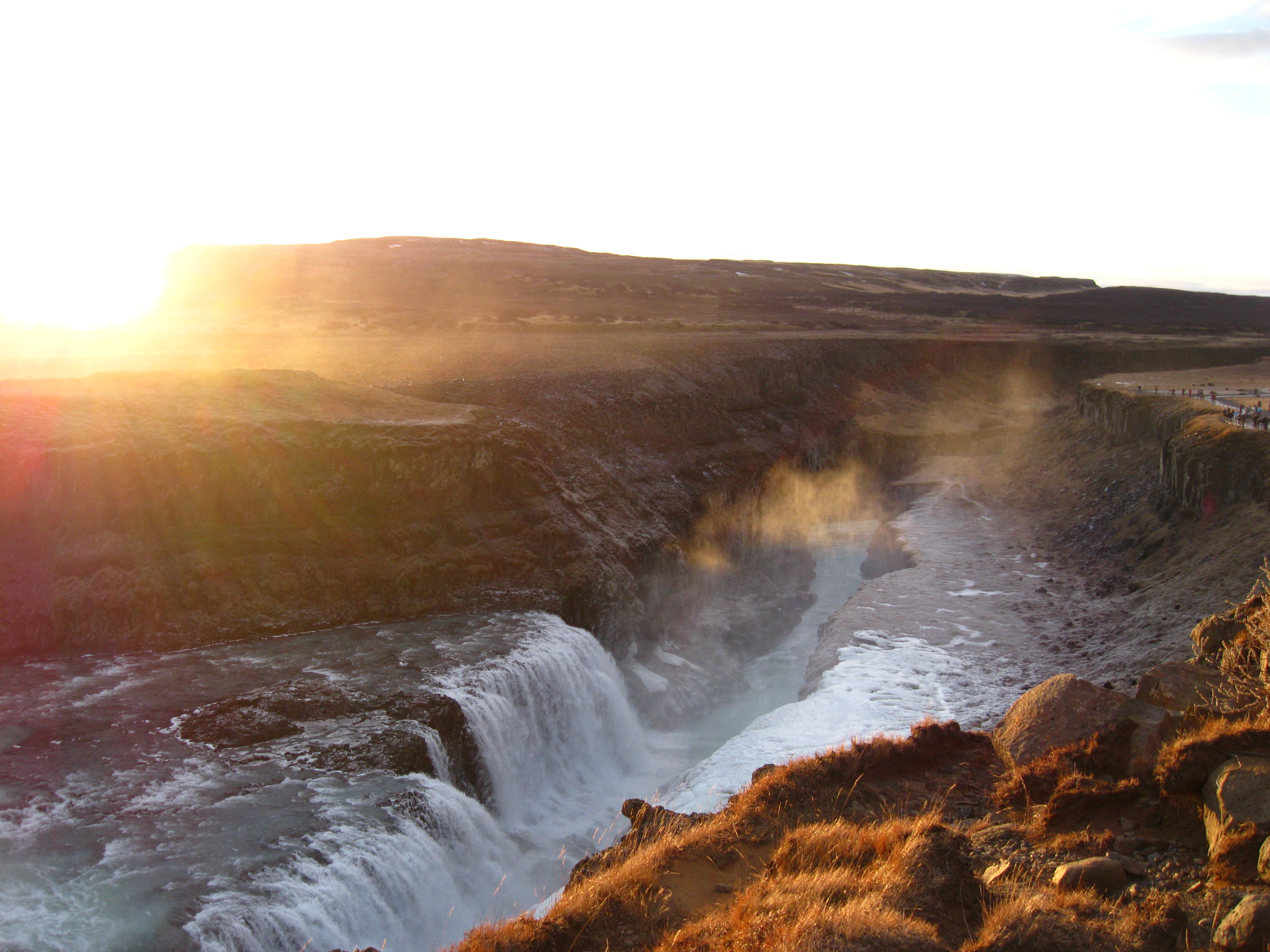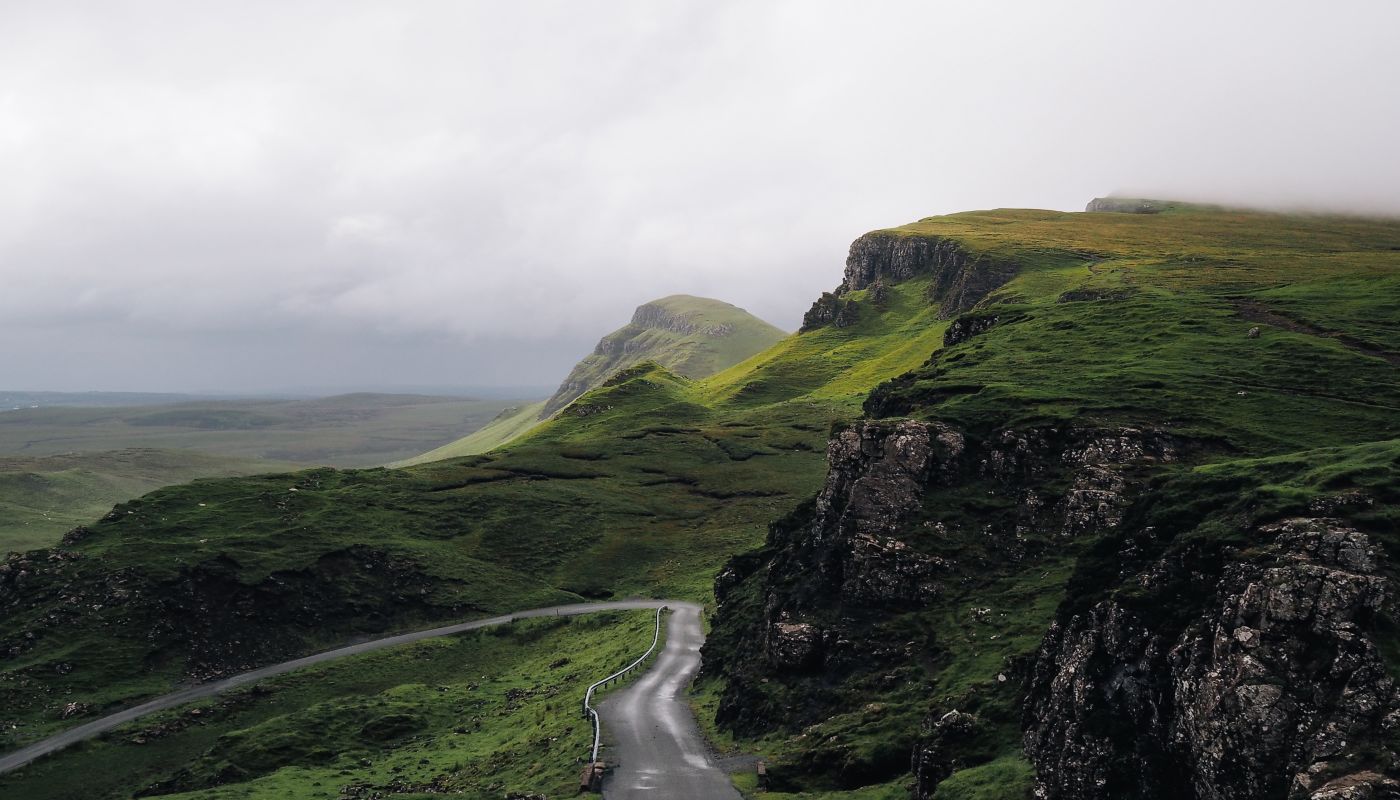
Landscape of Ireland
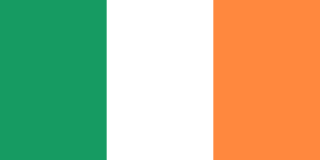
Flag of Ireland

Ireland

Europe

With a population of around 4.9 million, Ireland is known for its stunning landscapes. Ireland has made significant progress in recent years toward achieving gender equality, improving healthcare access, and promoting renewable energy sources. The country is also known for its thriving arts and culture scene, with festivals, concerts, and exhibitions taking place throughout the year. In recent years, Ireland has been at the forefront of discussions around social and political change. The country made history in 2015 when it became the first country in the world to legalize same-sex marriage by popular vote, and it has also made strides in gender equality and women's rights. Additionally, the country has made efforts to address climate change, with a target of achieving net-zero greenhouse gas emissions by 2050.

What would you like to learn about in Ireland?

Select a section to explore the country where nonprofits are creating positive change.

About Ireland

Celtic tribes arrived on the island between 600 and 150 B.C. Invasions by Norsemen that began in the late 8th century were finally ended when King Brian BORU defeated the Danes in 1014. English invasions began in the 12th century and set off more than seven centuries of Anglo-Irish struggle marked by fierce rebellions and harsh repressions. A failed 1916 Easter Monday Rebellion touched off several years of guerrilla warfare that in 1921 resulted in independence from the UK for 26 southern counties; six northern (Ulster) counties remained part of the UK. In 1949, Ireland withdrew from the British Commonwealth; it joined the European Community in 1973. Irish governments have sought the peaceful unification of Ireland and have cooperated with Britain against terrorist groups. A peace settlement for Northern Ireland is gradually being implemented despite some difficulties. In 2006, the Irish and British governments developed and began to implement the St. Andrews Agreement, building on the Good Friday Agreement approved in 1998.

Quick Facts

Population
4,775,982 (July 2013 est.)
Area
70,273 sq km
ISO Code
IE
Continent
Europe
Government
republic, parliamentary democracy
Active Causes
12
View all countries in Europe

Geography & Environment

Climate

temperate maritime; modified by North Atlantic Current; mild winters, cool summers; consistently humid; overcast about half the time

Terrain

mostly level to rolling interior plain surrounded by rugged hills and low mountains; sea cliffs on west coast

Natural Resources

natural gas, peat, copper, lead, zinc, silver, barite, gypsum, limestone, dolomite

Environmental Issues

water pollution, especially of lakes, from agricultural runoff

People & Society

80.44 years
Avg. Life Expectancy
99%
Literacy Rate
62% of total population (2010)
Total Urban Population

Languages

English (official, the language generally used), Irish (Gaelic or Gaeilge) (official, spoken mainly in areas along the western coast)

Religions

Roman Catholic 87.4%, Church of Ireland 2.9%, other Christian 1.9%, other 2.1%, unspecified 1.5%, none 4.2% (2006 census)

Health Expenditure

9.2% of GDP (2010) of GDP

Education Expenditure

6.5% of GDP (2009) of GDP

Economy

$42,600
GDP per Capita (PPP)
14.7%
Unemployment Rate
5.5% (2009)
Below Poverty Line

Economic Overview

Ireland is a small, modern, trade-dependent economy. Ireland was among the initial group of 12 EU nations that began circulating the euro on 1 January 2002. GDP growth averaged 6% in 1995-2007, but economic activity has dropped sharply since the onset of the world financial crisis, with GDP falling by over 3% in 2008, nearly 7% in 2009, and less than 1% in 2010. Ireland entered into a recession in 2008 for the first time in more than a decade, with the subsequent collapse of its domestic property and construction markets. Property prices rose more rapidly in Ireland in the decade up to 2007 th...

Causes in Ireland

Environment

Ireland, a country known for its lush landscapes and stunning natural beauty, faces significant environmental challenges that impact its people, economy, and ecosystems. One key issue is climate change, which has led to more frequent extreme weather events such as storms and flooding, as well as changing growing seasons for crops. The country's reliance on agriculture also makes it vulnerable to issues such as soil degradation, water pollution from fertilizers and pesticides, and loss of biodiversity. Additionally, Ireland struggles with waste management, with high levels of plastic pollution in its seas and inadequate recycling infrastructure. These environmental concerns not only threaten the health and well-being of current generations but also compromise the ability of future generations to enjoy Ireland's natural heritage.

Family

Family plays a significant role in the social fabric of Ireland, impacting various aspects of individuals' lives. In Irish culture, family is valued as a cornerstone of society, providing emotional support, financial assistance, and a sense of belonging. The concept of family extends beyond immediate relatives to include extended family members and even close friends, creating a strong network of relationships that foster a sense of community and unity. Family gatherings and celebrations hold great importance in Irish society, reinforcing bonds and traditions that have been passed down through generations. However, it is important to note that family dynamics in Ireland, like in any other society, can also present challenges such as issues related to domestic violence, substance abuse, and mental health. Recognizing the importance of addressing these challenges and promoting healthy family relationships is crucial for the overall well-being of individuals and the community at large.

Human Rights

Ireland, a country with a rich history and vibrant culture, has made significant strides in upholding human rights within its borders. The impact of human rights in Ireland is evident in various aspects of society, from the protection of freedom of expression and assembly to the promotion of equality and non-discrimination. The country has established legal frameworks and institutions to safeguard human rights, such as the Irish Human Rights and Equality Commission, which works to ensure that all individuals are treated fairly and equally under the law. Despite these advancements, challenges persist, particularly in areas like gender equality, LGBTQ+ rights, and migrant rights. By continuing to prioritize human rights and address existing gaps, Ireland can further enhance its commitment to upholding the fundamental rights and dignity of all its citizens.

Education

Ireland, known for its rich history and vibrant culture, places a significant emphasis on education, recognizing it as a key driver of economic growth and social progress. The education system in Ireland is highly regarded for its quality and accessibility, offering a range of educational opportunities from primary to tertiary levels. Education plays a crucial role in shaping the future of the country by equipping individuals with the necessary skills and knowledge to contribute effectively to society. Furthermore, education in Ireland is seen as a pathway to social mobility, allowing individuals from diverse backgrounds to achieve their full potential and break the cycle of poverty. By investing in education, Ireland not only enhances the prospects of its citizens but also strengthens its economy and fosters innovation and competitiveness on a global scale.

Poverty

In Ireland, poverty remains a significant concern, impacting individuals and communities across the country. Despite economic growth in recent years, a substantial number of Irish citizens still experience poverty and social exclusion. The causes of poverty in Ireland are multifaceted and include factors such as low wages, high living costs, inadequate social welfare supports, and limited access to affordable housing. Persistent poverty can lead to negative outcomes, including limited educational opportunities, poor health outcomes, and reduced overall well-being for affected individuals and families. Addressing poverty in Ireland requires a comprehensive approach that includes policies aimed at increasing income levels, improving access to essential services, and promoting social inclusion for all members of society.

Religion

Religion has long played a significant role in shaping the cultural landscape of Ireland. Historically, Catholicism has been the dominant religion in the country, influencing various aspects of Irish society. The Catholic Church has traditionally held considerable power and influence, impacting areas such as education, healthcare, and social services. However, in recent years, Ireland has experienced a decline in religious practice and affiliation, with a growing number of people identifying as non-religious or belonging to other faiths. This shift has led to changes in societal attitudes towards issues such as marriage equality and reproductive rights, reflecting a more diverse and secular Ireland. Despite these changes, religion continues to be an important aspect of Irish identity for many individuals, contributing to the rich tapestry of beliefs and traditions in the country.

Clean Water

Ireland, renowned for its lush landscapes and abundant rainfall, still faces challenges in ensuring access to clean water for its population. Despite its reputation for being a country with plentiful water resources, issues such as agricultural runoff, urban pollution, and aging water infrastructure have led to concerns about water quality in certain regions. The impact of inadequate access to clean water in Ireland is far-reaching, affecting public health, the environment, and overall quality of life. Contaminated water sources can lead to the spread of waterborne diseases and pose risks to aquatic ecosystems. Addressing these challenges requires a multi-faceted approach that includes investments in infrastructure upgrades, improved agricultural practices, and increased public awareness about the importance of preserving water quality.

Economy

Ireland, a small island nation in Europe, boasts a strong and diverse economy that plays a crucial role in shaping the country's overall well-being. The economy of Ireland is heavily influenced by industries such as technology, pharmaceuticals, and finance, with multinational corporations driving much of the economic growth. The country has experienced significant economic development in recent decades, transforming from an agrarian-based economy to a modern and innovative one. However, despite its economic success, Ireland still faces challenges such as income inequality, regional disparities, and environmental concerns. The economy of Ireland not only impacts the livelihoods of its citizens but also contributes to the country's social welfare programs and infrastructure development.

Government

The Republic of Ireland, a country with a rich cultural heritage and a resilient economy, is heavily influenced by its government's policies and decisions. The Irish government plays a crucial role in shaping the country's social, economic, and environmental landscape. Through its policies on taxation, healthcare, education, and infrastructure development, the government impacts the daily lives of its citizens and businesses. Furthermore, governmental decisions on issues such as climate change, immigration, and foreign relations have far-reaching consequences for Ireland's position on the global stage. It is imperative for the public to understand the significance of government actions and their implications for the country's future prosperity and well-being.

Health

In Ireland, the state of health plays a significant role in shaping the social and economic landscape of the country. According to the World Health Organization, Ireland faces challenges such as rising obesity rates, high alcohol consumption, and an aging population, which collectively contribute to the burden on their healthcare system. The impact of poor health is felt not only in terms of increased healthcare costs but also in decreased productivity and quality of life for individuals. Addressing these health issues through preventive measures and promoting healthy lifestyles is crucial to safeguarding the well-being of the Irish population and ensuring a sustainable future for the country.

Children

In Ireland, children face various challenges that impact their well-being and development. Poverty remains a significant issue affecting many children in the country, with approximately one in nine children living in consistent poverty. This has adverse effects on their access to adequate nutrition, healthcare, and educational opportunities. Mental health concerns among Irish children are also prevalent, with increasing rates of anxiety, depression, and self-harm reported in recent years. Additionally, issues such as cyberbullying and social media pressure contribute to the psychological distress experienced by many young individuals. Addressing these challenges requires a multi-faceted approach involving government interventions, community support, and increased awareness and education on child welfare issues.

Animals

Ireland, known for its stunning landscapes and rich cultural heritage, is home to a diverse range of wildlife. The impact of animals in Ireland is significant, playing a crucial role in maintaining the delicate balance of its ecosystems. The country boasts a variety of species, including red deer, otters, and various bird species such as the puffin and the golden eagle. However, Ireland faces challenges in preserving its wildlife due to habitat loss, climate change, pollution, and illegal poaching. Conservation efforts are underway to protect endangered species and restore habitats to ensure the long-term sustainability of Ireland's fauna. By raising awareness about the importance of preserving Ireland's wildlife, we can contribute to safeguarding its natural heritage for future generations.

Nonprofits Working in Ireland

Discover organizations making a difference in Ireland

Make Your Impact Today

Discover causes you care about and support the nonprofits making a difference in communities around the world.

Are you a nonprofit? Join Project World Impact for free

Join Us Free