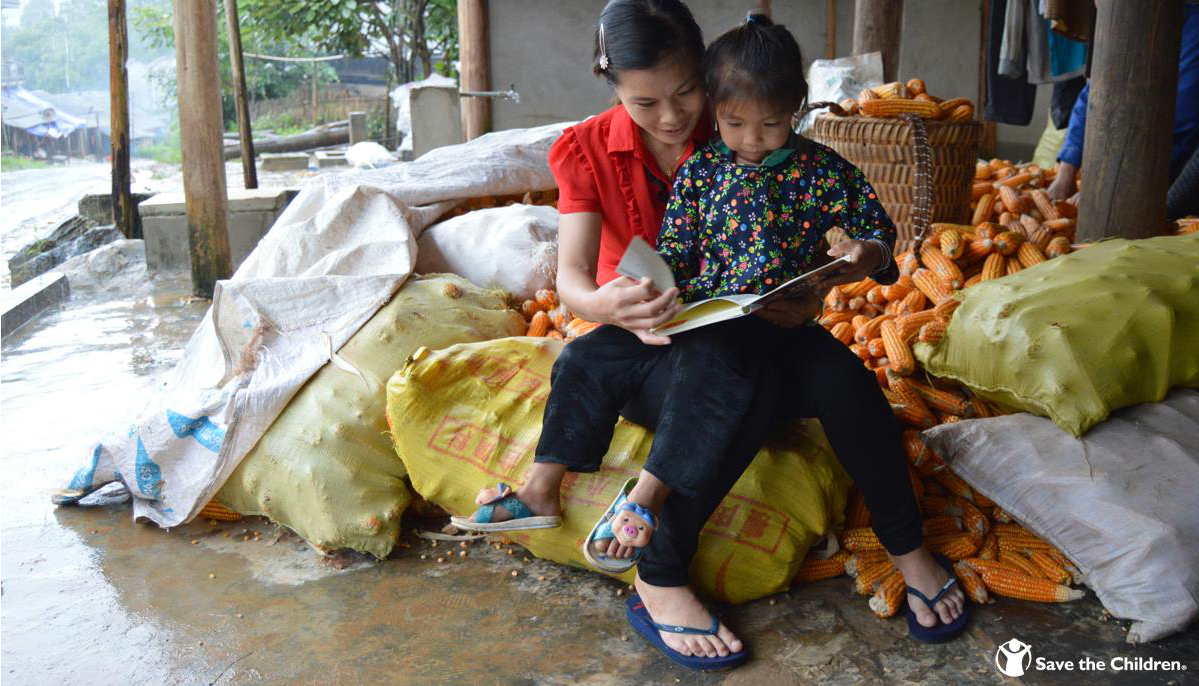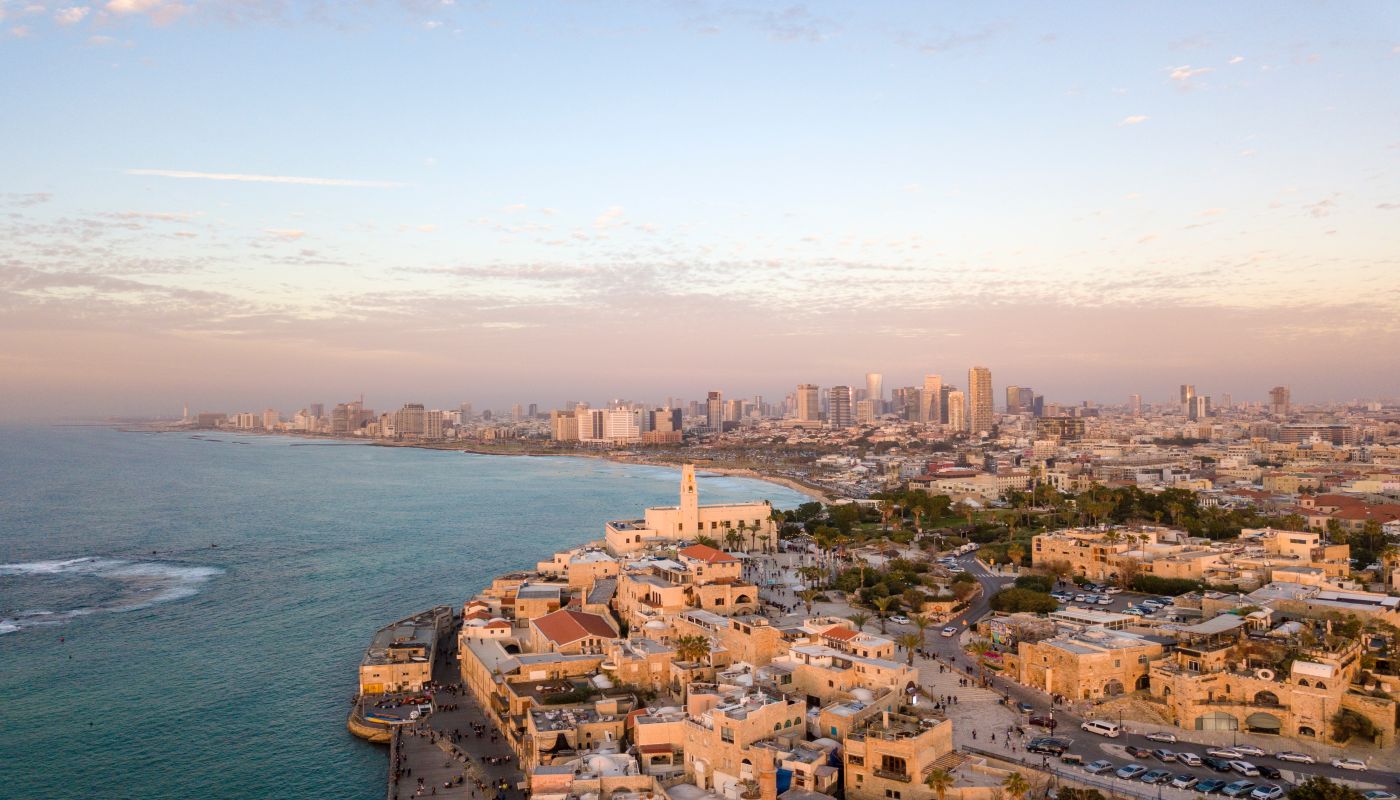
Landscape of Israel
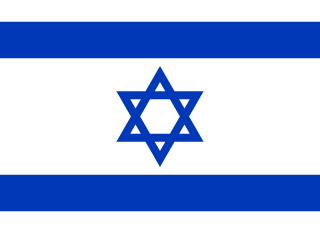
Flag of Israel

Israel

Asia

Israel has a population of over 9 million people, with a rich history and culture that dates back thousands of years. Israel is a melting pot of different cultures and religions, with Jews, Muslims, Christians, and Druze all living together. The country is home to several important bodies of water, including the Dead Sea, the Sea of Galilee, and the Mediterranean Sea. In addition, Israel is home to many important historical and religious sites, such as the Western Wall, the Church of the Holy Sepulchre, and the Dome of the Rock. Israel is known for its cutting-edge medical research and innovative agricultural practices. Israel also a startup culture, with many successful tech companies based there. Ongoing discussions about its relationship with neighboring countries, the Israeli-Palestinian conflict, and the country's role in the broader geopolitical landscape of the Middle East shape the persona of Israel.

What would you like to learn about in Israel?

Select a section to explore the country where nonprofits are creating positive change.

About Israel

Following World War II, the British withdrew from their mandate of Palestine, and the UN partitioned the area into Arab and Jewish states, an arrangement rejected by the Arabs. Subsequently, the Israelis defeated the Arabs in a series of wars without ending the deep tensions between the two sides. (The territories Israel occupied since the 1967 war are not included in the Israel country profile, unless otherwise noted.) On 25 April 1982, Israel withdrew from the Sinai pursuant to the 1979 Israel-Egypt Peace Treaty. In keeping with the framework established at the Madrid Conference in October 1991, bilateral negotiations were conducted between Israel and Palestinian representatives and Syria to achieve a permanent settlement. Israel and Palestinian officials signed on 13 September 1993 a Declaration of Principles (also known as the "Oslo Accords") guiding an interim period of Palestinian self-rule. Outstanding territorial and other disputes with Jordan were resolved in the 26 October 1994 Israel-Jordan Treaty of Peace. Progress toward a permanent status agreement was undermined by Israeli-Palestinian violence between September 2003 and February 2005. Israel in 2005 unilaterally disengaged from the Gaza Strip, evacuating settlers and its military while retaining control over most points of entry into the Gaza Strip. The election of HAMAS to head the Palestinian Legislative Council in 2006 froze relations between Israel and the Palestinian Authority (PA). In 2006 Israel engaged in a 34-day conflict with Hizballah in Lebanon in June-August 2006 and a 23-day conflict with HAMAS in the Gaza Strip during December 2008 and January 2009. Prime Minister Binyamin NETANYAHU formed a coalition in March 2009 following a February 2009 general election. Direct talks with the PA launched in September 2010 collapsed following the expiration of Israel's 10-month partial settlement construction moratorium in the West Bank.

Quick Facts

Population
7,707,042 (July 2013 est.)
Area
20,770 sq km
ISO Code
IL
Continent
Asia
Government
parliamentary democracy
Active Causes
12
View all countries in Asia

Geography & Environment

Climate

temperate; hot and dry in southern and eastern desert areas

Terrain

Negev desert in the south; low coastal plain; central mountains; Jordan Rift Valley

Natural Resources

timber, potash, copper ore, natural gas, phosphate rock, magnesium bromide, clays, sand

Environmental Issues

limited arable land and natural freshwater resources pose serious constraints; desertification; air pollution from industrial and vehicle emissions; groundwater pollution from industrial and domestic...

People & Society

81.17 years
Avg. Life Expectancy
97.1%
Literacy Rate
91.9% of total population (2011)
Total Urban Population

Languages

Hebrew (official), Arabic (used officially for Arab minority), English (most commonly used foreign language)

Religions

Jewish 75.6%, Muslim 16.9%, Christian 2%, Druze 1.7%, other 3.8% (2008)

Health Expenditure

7.6% of GDP (2010) of GDP

Education Expenditure

5.9% of GDP (2009) of GDP

Economy

$32,800
GDP per Capita (PPP)
6.9%
Unemployment Rate
23.6%
Below Poverty Line

Economic Overview

Israel has a technologically advanced market economy. Its major imports include crude oil, grains, raw materials, and military equipment. Cut diamonds, high-technology equipment, and pharmaceuticals are among the leading exports. Israel usually posts sizable trade deficits, which are covered by tourism and other service exports, as well as significant foreign investment inflows. The global financial crisis of 2008-09 spurred a brief recession in Israel, but the country entered the crisis with solid fundamentals - following years of prudent fiscal policy and a resilient banking sector. The econ...

Causes in Israel

Environment

Israel, a country located in the Middle East, faces various environmental challenges that significantly impact its population and ecosystems. One of the most pressing issues is water scarcity, as Israel is situated in a region characterized by arid and semi-arid climates. The lack of sufficient water resources poses a significant threat to agricultural production, public health, and overall sustainability. Additionally, rapid urbanization and industrial growth have led to pollution of air and water resources, further exacerbating environmental degradation. Climate change also poses a considerable challenge, with rising temperatures and changing precipitation patterns affecting agriculture and increasing the frequency of extreme weather events. Addressing these environmental issues is crucial for Israel's long-term well-being and sustainability.

Family

In Israel, family plays a significant role in the country's social fabric and cultural identity. The Israeli society is characterized by strong family ties, with families often serving as the central support system for individuals. Family is considered a cornerstone of Israeli life, providing emotional support, financial assistance, and a sense of belonging. In traditional Jewish culture, family is highly valued and respected, with generations often living in close proximity to one another. Moreover, family gatherings and celebrations hold great importance in Israeli culture, fostering a sense of unity and togetherness among relatives. The influence of family extends beyond the personal realm and into the political landscape, as familial connections are often leveraged to facilitate social and professional opportunities. Overall, the concept of family in Israel is deeply ingrained in the nation's societal structure, shaping individual identities and interpersonal relationships. Source: Israel Central Bureau of Statistics (https://www.cbs.gov.il/eng)

Education

Education plays a significant role in Israel's societal and economic development. With a strong emphasis on academic excellence, Israel boasts a well-established education system that prioritizes innovation and advanced research. The country's commitment to education is evident through its high literacy rates and world-renowned universities, such as the Hebrew University of Jerusalem and the Technion - Israel Institute of Technology. Education in Israel is not only instrumental in shaping the future workforce but also plays a crucial role in fostering social cohesion and promoting cultural diversity. By investing in education, Israel aims to equip its citizens with the knowledge and skills necessary to thrive in an increasingly globalized world.

Poverty

In Israel, poverty remains a significant challenge with far-reaching implications for its population. According to the National Insurance Institute, approximately 21.2% of Israelis live below the poverty line, with children and the elderly being particularly vulnerable. The complex interplay of factors contributing to poverty in Israel includes high housing costs, income inequality, and limited access to quality education and healthcare services. The persistence of poverty not only undermines the well-being and dignity of individuals and families but also strains social cohesion and economic development in the country. To address this pressing issue, comprehensive policies that promote inclusive growth, social welfare, and equal opportunities are essential.

Religion

Religion holds significant importance in Israel, a country recognized as the birthplace of Judaism, Christianity, and Islam. The diverse religious landscape in Israel plays a central role in shaping the country's culture, politics, and societal norms. Judaism is the predominant religion in Israel, with strong ties to historical and biblical narratives that influence daily life and government policies. Additionally, Christianity and Islam have deep roots in the region, further enriching the religious tapestry of the nation. Religious sites such as the Western Wall, the Church of the Holy Sepulchre, and the Dome of the Rock attract millions of pilgrims and tourists annually, underscoring the religious significance of Israel. Despite its religious diversity, tensions and conflicts related to religious differences persist in certain areas, impacting social cohesion and political stability.

Clean Water

Israel, a country in the Middle East, faces significant challenges in ensuring access to clean water due to its arid climate and limited natural water resources. With a growing population and increasing water demand, Israel has implemented innovative water management strategies to address this issue. The country has become a global leader in water recycling and desalination technologies, enabling it to meet its water needs efficiently. Clean water is crucial for Israel's agriculture, industry, and public health, underscoring the importance of sustainable water management practices to ensure a secure water supply for its population.

Economy

Israel, a country located in the Middle East, has a diverse and technologically advanced economy that plays a significant role in its overall development. The economy of Israel is characterized by a strong emphasis on innovation and entrepreneurship, particularly in sectors such as technology, agriculture, and pharmaceuticals. The country's economy has been resilient over the years, with high levels of foreign investment and a skilled workforce driving its growth. However, economic disparities exist within Israel, with issues such as income inequality and regional disparities posing challenges to sustainable development. The economy of Israel is also influenced by its geopolitical situation, with factors such as security threats and political instability impacting economic growth and investment. It is crucial for policymakers in Israel to address these challenges through targeted policies that promote inclusive growth and address structural imbalances in the economy.

Government

Israel, a country in the Middle East, has a complex political landscape deeply influenced by its government. The Israeli government operates within a parliamentary system, with a President serving as the ceremonial head of state and a Prime Minister leading the executive branch. The government's decisions directly impact various aspects of Israeli society, including security policies, economic development, social welfare programs, and international relations. The government's stance on issues such as the Israeli-Palestinian conflict, settlements in the West Bank, and regional security greatly shapes the country's domestic and foreign policies. Moreover, Israel's government plays a crucial role in promoting innovation and technological advancements, which have positioned the country as a global leader in areas such as cybersecurity, agriculture, and healthcare. Overall, the Israeli government wields significant influence over the nation's trajectory and is instrumental in shaping its future.

Health

Israel, a country located in the Middle East, faces various health challenges that impact its population. One significant health issue in Israel is the high prevalence of non-communicable diseases such as heart disease, cancer, and diabetes, which pose a significant burden on the healthcare system and society as a whole. Factors contributing to these health issues include lifestyle choices, genetic predispositions, and environmental factors. Additionally, mental health disorders are also a growing concern in Israel, with rates of depression and anxiety on the rise. The Israeli government has implemented various public health initiatives to address these challenges, including promoting healthy lifestyles, increasing access to healthcare services, and raising awareness about mental health issues. Despite these efforts, continued attention and resources are needed to improve the overall health and well-being of the population in Israel.

Children

In Israel, children are impacted by various socio-political factors that have lasting effects on their well-being. The ongoing conflict with Palestine has led to a high level of violence and insecurity, causing psychological trauma and stress among children living in the region. Furthermore, economic disparities and social inequalities contribute to a lack of access to quality education, healthcare, and other essential services for many children in Israel. These issues can hinder their personal development and future opportunities. It is crucial to address these challenges through targeted interventions and support systems to ensure a better future for the children of Israel.

Human Rights

Israel is a country located in the Middle East, established in 1948. Human rights issues have played a significant role in Israel's history and current affairs. The ongoing Israeli-Palestinian conflict has been a focal point for human rights violations in the region, with concerns raised about the treatment of Palestinians living under Israeli occupation, including restrictions on movement, land seizures, and violence. Additionally, issues such as discrimination against Arab citizens of Israel, lack of equal rights for non-Jewish populations, and freedom of expression have also been areas of concern. Organizations such as Amnesty International and Human Rights Watch continue to monitor and report on human rights abuses in Israel, advocating for greater accountability and respect for human rights standards in the country.

Animals

Israel is a country known for its rich history, diverse culture, and technological advancements. Animals play a significant role in the ecosystem of Israel, contributing to its biodiversity and environmental sustainability. The region's unique geography, including coastal areas, deserts, and mountains, fosters a wide variety of wildlife, such as the Nubian ibex, Arabian oryx, and Syrian brown bear. However, these species face threats from habitat loss, climate change, and human activities. Conservation efforts are underway to protect endangered species and preserve natural habitats in Israel, highlighting the importance of safeguarding its fauna for future generations.

Nonprofits Working in Israel

Discover organizations making a difference in Israel

ISRAEL GUIDE DOG CENTER FOR THE BLIND

ISRAEL GUIDE DOG CENTER FOR THE BLIND

The mission of the Israel Guide Dog Center for the Blind is to improve the quality of life of visually impaired Israelis by providing them with independence, mobility and self confidence, as well as renewed self-esteem and companionship through the use of guide dogs. What we do: We breed, raise and train the guide dogs at our facility in Beit Oved, Israel, just south of Tel Aviv. When a blind Israeli requests our assistance, we transport them to our center, house and feed them for three weeks during training, and provide an additional week of training in their homes. We also provide follow-up care twice a year to make sure that the partnership is still working properly. This is all done AT NO COST TO THE BLIND! We are able to provide these services through the generosity of our donors – who have the vision to help those less fortunate. Our annual budget is just over $2.7 Million dollars, and as of December 2017, we had produced over 600 partnerships between Israelis who are blind or visually impaired and professionally trained guide dogs. Secondary Mission: In 2013 we added a secondary mission by providing Service Companions to people with Special Needs. While half of our dogs are selected for guide dog training, 50% fail to meet our exacting standards during evaluations, but these amazingly well trained dogs can still help people. In 2013 we formalized a program to repurpose these "career-change" dogs and provide them to blind children, autistic children, soldiers with PTSD or other adults with a variety of special needs. All of the dogs we produce go to loving homes and serve a purpose by helping people in need.

Warrington, Pennsylvania
ABUNDANT HOPE INTERNATIONAL

ABUNDANT HOPE INTERNATIONAL

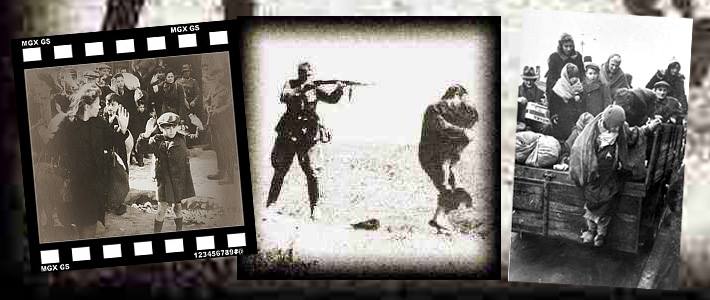
Passion Statement: “Go, visit the Holocaust Survivors. Hug, kiss and love them; tell them I love them.” With these words burning in her heart, Susan Heagy began visiting Survivors of the Shoah, bringing hope and compassion to many who were alone and forgotten. Susan, and those who joined her in her efforts, soon discovered an entire segment of the population starved for relationship and the loving touch of someone who cared. These people were bereft of family members through the brutality of the Nazis during the Second World War. Traumatized and orphaned, both emotionally and literally, they made their way to Israel and other places in the world. Sadly, many are still alone today. Abundant Hope International (AHI) is making a difference in the lives of these special people who are so close to the Heart of Adonai. Through visitation, Survivor Adoption, volunteering and educational programs, Survivors of the Shoah are receiving the hugs, kisses and love they so desperately need. Survivors are dying at the rate of one every thirty minutes in Israel; time is short. AHI is working quickly to relieve the suffering of loneliness among the last of the Survivors. We trust the God of Abraham, Isaac and Yacov. HaShem loves these sweet Survivors even more than we do. We trust their own Messiah will speak to them as we bring our offerings of love, without conditions. We need more hands and feet to go and embrace them. We welcome you to join us.

San Antonio, Texas

Make Your Impact Today

Discover causes you care about and support the nonprofits making a difference in communities around the world.

Are you a nonprofit? Join Project World Impact for free

Join Us Free