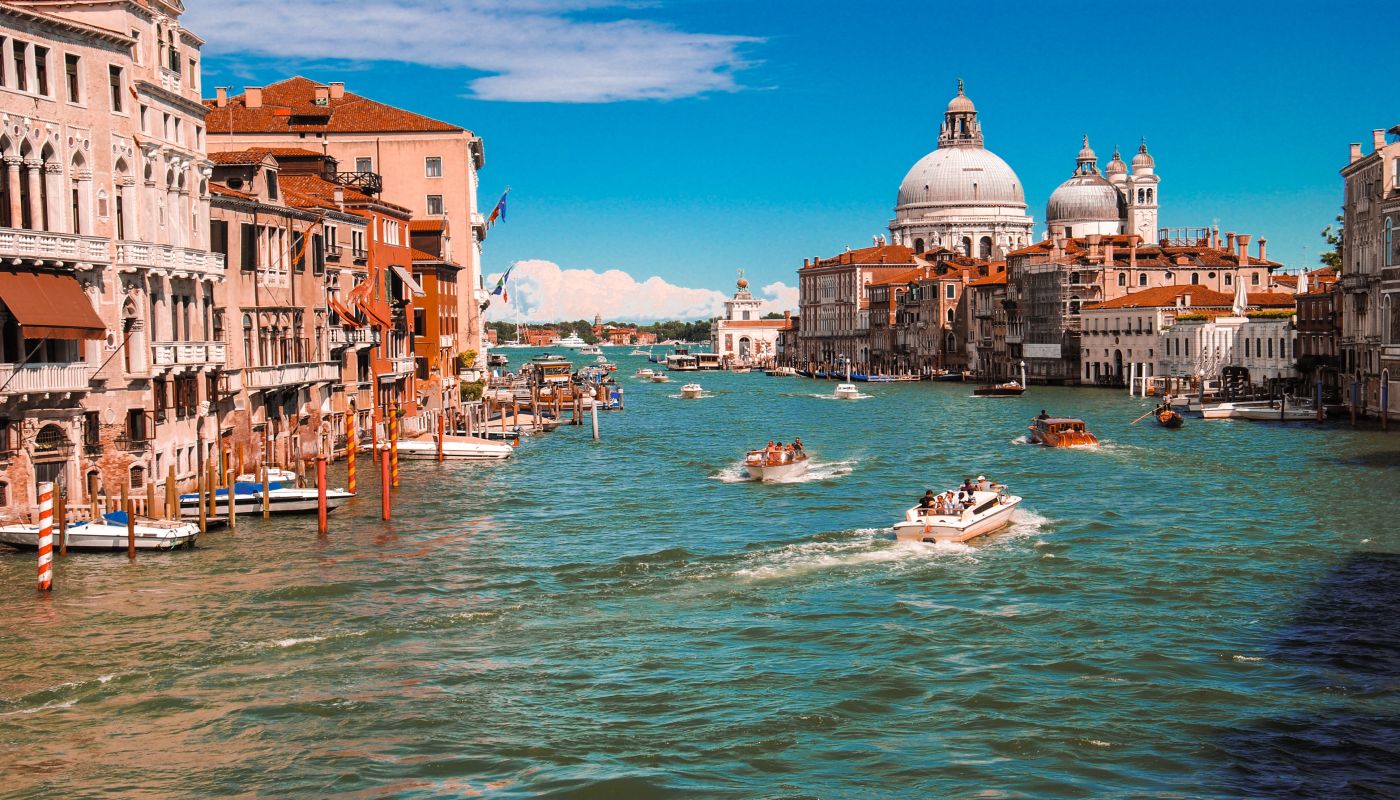
Landscape of Italy
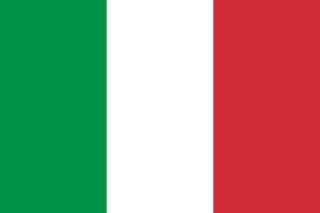
Flag of Italy

Italy

Europe

With a population of approximately 60 million people, Italy is the fifth most populous country in Europe. The country is also home to some of the world's most famous landmarks, including the Colosseum in Rome, the Leaning Tower of Pisa, and the canals of Venice. Major concerns for this country include efforts to combat climate change and ongoing political and economic reforms. Italy has shown resilience and a commitment to overcoming them, with innovative approaches to sustainable energy, public health, and social justice.

What would you like to learn about in Italy?

Select a section to explore the country where nonprofits are creating positive change.

About Italy

Italy became a nation-state in 1861 when the regional states of the peninsula, along with Sardinia and Sicily, were united under King Victor EMMANUEL II. An era of parliamentary government came to a close in the early 1920s when Benito MUSSOLINI established a Fascist dictatorship. His alliance with Nazi Germany led to Italy's defeat in World War II. A democratic republic replaced the monarchy in 1946 and economic revival followed. Italy is a charter member of NATO and the European Economic Community (EEC). It has been at the forefront of European economic and political unification, joining the Economic and Monetary Union in 1999. Persistent problems include sluggish economic growth, high youth and female unemployment, organized crime, corruption, and economic disparities between southern Italy and the more prosperous north.

Quick Facts

Population
61,482,297 (July 2013 est.)
Area
301,340 sq km
ISO Code
IT
Continent
Europe
Government
republic
Active Causes
12
View all countries in Europe

Geography & Environment

Climate

predominantly Mediterranean; Alpine in far north; hot, dry in south

Terrain

mostly rugged and mountainous; some plains, coastal lowlands

Natural Resources

coal, mercury, zinc, potash, marble, barite, asbestos, pumice, fluorspar, feldspar, pyrite (sulfur), natural gas and crude oil reserves, fish, arable land

Environmental Issues

air pollution from industrial emissions such as sulfur dioxide; coastal and inland rivers polluted from industrial and agricultural effluents; acid rain damaging lakes; inadequate industrial waste tre...

People & Society

81.95 years
Avg. Life Expectancy
99%
Literacy Rate
68% of total population (2010)
Total Urban Population

Languages

Italian (official), German (parts of Trentino-Alto Adige region are predominantly German speaking), French (small French-speaking minority in Valle d'...

Religions

Christian 80% (overwhelming Roman Catholic with very small groups of Jehova Witnesses and Protestants), Muslims NEGL (about 700,000 but growing), Athe...

Health Expenditure

9.5% of GDP (2010) of GDP

Education Expenditure

4.7% of GDP (2009) of GDP

Economy

$30,600
GDP per Capita (PPP)
10.6%
Unemployment Rate
19.6% (2011)
Below Poverty Line

Economic Overview

Italy has a diversified industrial economy, which is divided into a developed industrial north, dominated by private companies, and a less-developed, highly subsidized, agricultural south, where unemployment is high. The Italian economy is driven in large part by the manufacture of high-quality consumer goods produced by small and medium-sized enterprises, many of them family-owned. Italy also has a sizable underground economy, which by some estimates accounts for as much as 17% of GDP. These activities are most common within the agriculture, construction, and service sectors. Italy is the thi...

Causes in Italy

Environment

Italy, known for its rich history, culture, and picturesque landscapes, is facing significant environmental challenges that are impacting the country in various ways. The environmental issues in Italy range from air and water pollution to deforestation and waste management problems. Air pollution, particularly in major cities like Milan and Rome, is a pressing concern, leading to health issues and environmental degradation. Water pollution in Italy is also a problem, with industrial activities and agricultural runoff contributing to contamination of rivers and coastal waters. Deforestation has resulted in loss of biodiversity and natural habitats, affecting the overall ecosystem balance. Inefficient waste management practices have led to overflowing landfills and littering, further exacerbating the environmental crisis in Italy. It is crucial for the government and citizens to work together to address these issues and implement sustainable solutions to protect Italy's environment for future generations.

Human Rights

Italy, a country known for its rich history, culture, and cuisine, is also significantly influenced by Human Rights issues. Human Rights violations in Italy have been a cause for concern, particularly in relation to immigration and minority rights. The treatment of migrants and refugees, as well as the discrimination faced by minority groups such as the Roma population, are areas where Italy has faced criticism for failing to uphold Human Rights standards. Despite being a signatory to various international conventions and treaties, including the Universal Declaration of Human Rights, Italy continues to grapple with challenges in protecting and promoting Human Rights for all individuals within its borders. Heightened awareness and action are crucial to address these issues and ensure that Human Rights are respected and upheld in Italy.

Education

Education plays a significant role in Italy, shaping the country's social, economic, and cultural landscape. With a strong emphasis on higher education and research, Italy boasts a long history of academic excellence, with prestigious institutions such as the University of Bologna, founded in 1088, considered the oldest university in the Western world. The Italian education system is known for its high-quality teaching and research facilities, attracting students and scholars from around the globe. Education in Italy is also seen as a key driver of innovation and economic growth, with investments in education leading to advancements in technology, science, and the arts. However, despite these achievements, Italy still faces challenges such as educational inequalities and regional disparities that need to be addressed to ensure equal access to quality education for all its citizens.

Poverty

Italy, a country known for its rich cultural heritage and stunning landscapes, faces significant challenges when it comes to poverty. According to the National Institute of Statistics (ISTAT), Italy's poverty rate stood at 9.9% in 2020, with the southern regions experiencing higher poverty rates than the northern regions. Factors contributing to poverty in Italy include high unemployment rates, especially among the youth, low wages, limited access to affordable housing, and a growing wealth gap. The impact of poverty in Italy is far-reaching, affecting individuals' access to education, healthcare, and overall quality of life. Addressing poverty in Italy requires comprehensive strategies that focus on creating job opportunities, improving social welfare programs, and promoting economic development in disadvantaged regions.

Religion

Religion holds significant influence in Italy, a country with a rich history deeply intertwined with Catholicism. The majority of Italians identify as Roman Catholic, and the presence of religious symbols and traditions is pervasive in Italian culture. The Vatican City, the center of the Catholic Church, is situated within Rome, the capital of Italy, further emphasizing the strong connection between religion and daily life in the country. Religious festivals and processions are integral to Italian communities, fostering a sense of unity and tradition among its people. Despite the declining rates of religious practice in recent years, Italy's cultural identity remains closely linked to its religious heritage.

Clean Water

Clean water is a crucial issue in Italy, a country renowned for its rich history, culture, and landscapes. Despite its reputation as a developed nation, Italy faces challenges in maintaining clean water sources due to pollution from agricultural runoff, industrial activities, and aging infrastructure. Access to clean water is essential for public health, agriculture, and tourism, all of which are significant sectors in the Italian economy. Contaminated water sources can lead to serious health issues and ecosystem damage, affecting not only the citizens but also the diverse flora and fauna of the region. Efforts to address water pollution in Italy include improved wastewater treatment facilities, stricter regulations on industrial discharges, and public awareness campaigns on responsible water usage. By prioritizing clean water initiatives, Italy can safeguard its natural resources and ensure a sustainable future for generations to come.

Economy

Italy, a country in Southern Europe, boasts a diverse economy that is heavily influenced by the global market. As the world's eighth-largest economy by nominal GDP, Italy is known for its rich heritage in industries such as fashion, automotive, and manufacturing. However, the nation faces several economic challenges, including high public debt, slow economic growth, and unemployment rates that exceed the European Union average. These factors have a significant impact on the daily lives of Italian citizens, affecting their standard of living and overall well-being. In recent years, Italy has also grappled with political instability and uncertainty, further complicating efforts to address economic issues. It is crucial for policymakers and stakeholders to work together to implement sustainable solutions that promote economic growth and stability in Italy.

Health

Health in Italy is a critical concern, as the country faces various challenges impacting its population's well-being. Factors such as an aging population, rising rates of chronic diseases, and disparities in access to healthcare services have significant implications for the overall health of Italians. Italy's healthcare system, although known for providing universal coverage, has been strained by budget constraints and inefficiencies, leading to issues such as long wait times for certain medical procedures. Additionally, lifestyle-related health issues, such as obesity and smoking, contribute to the burden on the healthcare system. Addressing these challenges requires a multi-faceted approach, including promoting healthier lifestyles, improving healthcare infrastructure, and ensuring equitable access to quality care for all citizens.

Children

In Italy, children face various challenges that impact their well-being and development. Factors such as poverty, inadequate access to education, and social inequalities can significantly affect the lives of Italian children. Poverty rates in Italy are higher than the European average, with one in four children at risk of poverty or social exclusion. Limited access to quality education can hinder children's future prospects and perpetuate cycles of poverty. Additionally, social inequalities related to ethnicity, immigrant status, and disability can create barriers for children in Italy. Addressing these issues through targeted policies and interventions is crucial to ensure the well-being and future success of the younger generation in Italy.

Family

In Italy, family plays a paramount role in shaping individuals and society at large. Family ties are deeply ingrained in the Italian culture, with strong emphasis placed on loyalty, support, and interdependence among family members. The concept of "la famiglia" extends beyond immediate relatives to include extended family members, creating a tight-knit network of relationships that provide emotional, financial, and social support. This close bond with family members influences various aspects of Italian life, including decision-making processes, career choices, and even political affiliations. Family gatherings and traditions are highly valued, serving as a cornerstone for social cohesion and a source of cultural identity. However, it is important to note that despite the positive aspects of familial bonds, issues such as gender roles, generational conflicts, and socioeconomic disparities within families can also impact individuals in Italy.

Government

Italy, a country known for its rich history, culture, and cuisine, faces several challenges influenced by its government. One significant impact is the country's high public debt and economic instability, which have been exacerbated by political instability and frequent changes in leadership. These factors have led to a lack of long-term economic planning and hindered efforts to address issues such as unemployment and income inequality. The government's response to these challenges, including austerity measures and structural reforms, has sparked social unrest and political polarization. Additionally, Italy's complex bureaucracy and corruption have further impeded progress in key areas like infrastructure development and business growth. These governance issues highlight the need for sustainable policies and effective leadership to steer Italy towards a more stable and prosperous future.

Animals

Italy, a country known for its rich cultural heritage and stunning landscapes, also faces challenges related to animal welfare. The impact of animals in Italy is significant, with issues ranging from illegal pet trade and abandonment to mistreatment of farm animals. Stray dogs and cats are a common sight in many Italian cities, leading to concerns about public health and animal well-being. Additionally, wildlife conservation efforts face obstacles due to habitat loss and poaching. Organizations such as the Italian Animal Protection Agency work tirelessly to rescue animals in need and advocate for stronger animal welfare laws in the country. To address these issues effectively, a collective effort from the government, organizations, and individuals is crucial to ensure a better future for animals in Italy.

Nonprofits Working in Italy

Discover organizations making a difference in Italy

Make Your Impact Today

Discover causes you care about and support the nonprofits making a difference in communities around the world.

Are you a nonprofit? Join Project World Impact for free

Join Us Free