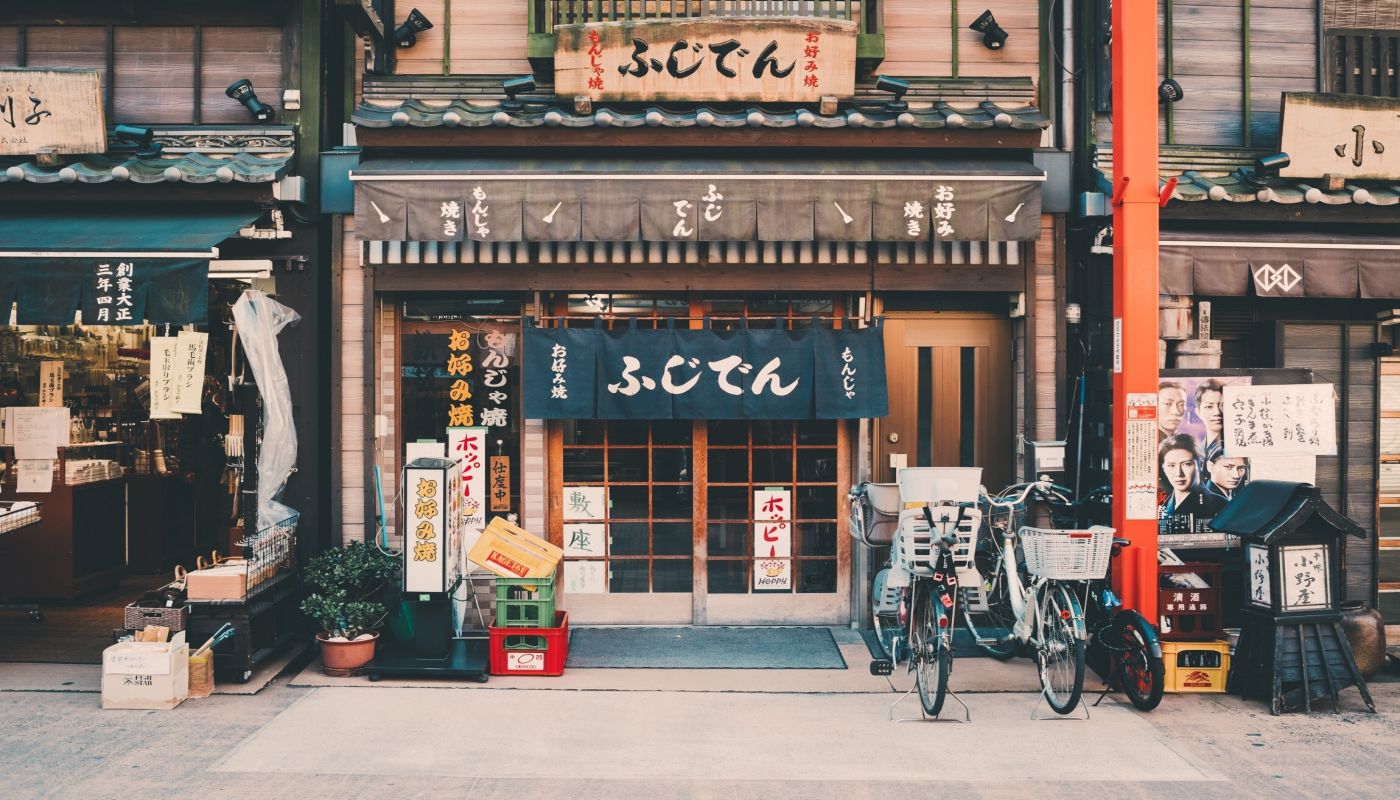
Landscape of Japan
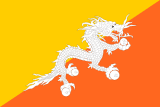
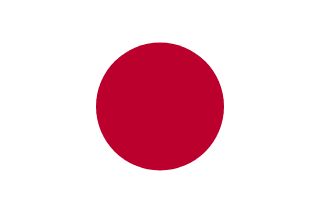
Flag of Japan

Japan

Asia

Japan is known for its technological advancements, fashion, and popular culture, including anime and video games. With a population of over 126 million people, it is the 11th most populous country in the world. Japan has made efforts to increase its population by offering incentives for families to have more children and welcoming skilled immigrants to the workforce. Japan's renowned innovation and technological advancements, showcase the cutting-edge development of high-speed rail systems, cutting-edge robotics, and other technological marvels.

What would you like to learn about in Japan?

Select a section to explore the country where nonprofits are creating positive change.

About Japan

In 1603, after decades of civil warfare, the Tokugawa shogunate (a military-led, dynastic government) ushered in a long period of relative political stability and isolation from foreign influence. For more than two centuries this policy enabled Japan to enjoy a flowering of its indigenous culture. Japan opened its ports after signing the Treaty of Kanagawa with the US in 1854 and began to intensively modernize and industrialize. During the late 19th and early 20th centuries, Japan became a regional power that was able to defeat the forces of both China and Russia. It occupied Korea, Formosa (Taiwan), and southern Sakhalin Island. In 1931-32 Japan occupied Manchuria, and in 1937 it launched a full-scale invasion of China. Japan attacked US forces in 1941 - triggering America's entry into World War II - and soon occupied much of East and Southeast Asia. After its defeat in World War II, Japan recovered to become an economic power and an ally of the US. While the emperor retains his throne as a symbol of national unity, elected politicians hold actual decision-making power. Following three decades of unprecedented growth, Japan's economy experienced a major slowdown starting in the 1990s, but the country remains a major economic power. In March 2011, Japan's strongest-ever earthquake, and an accompanying tsunami, devastated the northeast part of Honshu island, killing thousands and damaging several nuclear power plants. The catastrophe hobbled the country's economy and its energy infrastructure, and tested its ability to deal with humanitarian disasters.

Quick Facts

Population
127,253,075 (July 2013 est.)
Area
377,915 sq km
ISO Code
JP
Continent
Asia
Government
a parliamentary government with a constitutional monarchy
Active Causes
12
View all countries in Asia

Geography & Environment

Climate

varies from tropical in south to cool temperate in north

Terrain

mostly rugged and mountainous

Natural Resources

negligible mineral resources, fish

Environmental Issues

air pollution from power plant emissions results in acid rain; acidification of lakes and reservoirs degrading water quality and threatening aquatic life; Japan is one of the largest consumers of fish...

People & Society

84.19 years
Avg. Life Expectancy
99%
Literacy Rate
91.3% of total population (2011)
Total Urban Population

Languages

Japanese

Religions

Shintoism 83.9%, Buddhism 71.4%, Christianity 2%, other 7.8%

Health Expenditure

9.5% of GDP (2010) of GDP

Education Expenditure

3.8% of GDP (2010) of GDP

Economy

$36,900
GDP per Capita (PPP)
4.4%
Unemployment Rate
16% (2010)
Below Poverty Line

Economic Overview

In the years following World War II, government-industry cooperation, a strong work ethic, mastery of high technology, and a comparatively small defense allocation (1% of GDP) helped Japan develop a technologically advanced economy. Two notable characteristics of the post-war economy were the close interlocking structures of manufacturers, suppliers, and distributors, known as keiretsu, and the guarantee of lifetime employment for a substantial portion of the urban labor force. Both features are now eroding under the dual pressures of global competition and domestic demographic change. Japan's...

Causes in Japan

Family

In Japan, family plays a central role in shaping societal values and individual identity. The concept of "ie," or family, holds significant cultural importance as it represents not only the immediate family unit but also extends to include ancestors and future generations. Japanese families are characterized by strong bonds, respect for elders, and a collective mentality that prioritizes harmony and cooperation within the family unit. These values are deeply rooted in Confucian principles that emphasize filial piety and loyalty to one's family. Furthermore, the aging population in Japan has led to an increased emphasis on caregiving for elderly family members, reflecting the traditional values of respect and duty towards one's parents. Overall, the influence of family in Japan extends beyond the household and permeates various aspects of society, reinforcing a sense of belonging and interconnectedness among its people.

Education

Education in Japan has long been regarded as a key pillar of the nation's success and prosperity. With a strong emphasis on academic excellence, discipline, and dedication, the Japanese education system is known for producing high-achieving students who consistently rank among the top performers in international assessments. The country's education system is characterized by its rigorous curriculum, focus on critical thinking and problem-solving skills, and a culture that values hard work and perseverance. Furthermore, Japan's education system places a strong emphasis on moral and ethical values, promoting respect for authority, cooperation, and social harmony. These values are deeply ingrained in Japanese society and contribute to the country's overall stability and cohesion. However, despite its many strengths, the Japanese education system also faces challenges such as intense academic pressure, mental health issues among students, and a rigid examination-oriented approach that can stifle creativity and individuality. As Japan continues to grapple with these issues, there is an ongoing need to foster a more holistic and student-centered approach to education that nurtures not only academic achievement but also the overall well-being and personal development of students.

Poverty

Japan, known for its economic prosperity and technological advancements, is not immune to the issue of poverty. Despite being one of the world's largest economies, poverty remains a significant concern in the country. The high cost of living, precarious employment conditions, an aging population, and a widening income gap are some of the factors contributing to poverty in Japan. According to a report by the Ministry of Health, Labour and Welfare, approximately 15.7% of the Japanese population lived below the poverty line in 2018. Furthermore, single-parent households, elderly individuals living alone, and children from low-income families are particularly vulnerable to poverty. Addressing these systemic issues is crucial to ensuring a more equitable society in Japan. Source: Ministry of Health, Labour and Welfare (2018). Annual Report on the Situation of Social Welfare Administration: Trends in Income Security Measures. Retrieved from https://www.mhlw.go.jp/english/

Religion

Religion in Japan holds a unique place within its society, characterized by a blend of indigenous Shinto beliefs and imported Buddhist traditions. Shintoism, the ancient animistic faith of Japan, venerates spirits called kami that are believed to inhabit natural elements and ancestors. Buddhism was introduced to Japan in the 6th century from China and Korea, influencing various aspects of Japanese culture. Despite the prevalent syncretism between Shinto and Buddhism, many Japanese people do not strictly adhere to religious practices but engage in rituals during significant life events like weddings and funerals. Moreover, newer religions such as Christianity and Islam have gained some followers in Japan. Religion in Japan plays a significant role in shaping cultural practices, art, and architecture, reflecting a harmonious coexistence of diverse beliefs.

Clean Water

Clean water is a critical resource that significantly impacts Japan, an island nation in East Asia. With limited freshwater sources and a high population density, maintaining clean water supplies is essential for public health and environmental sustainability in Japan. The country faces challenges such as pollution from industrial activities, agricultural runoff, and aging infrastructure that can affect water quality. Access to clean water is crucial for various sectors including agriculture, industry, and household consumption. Contaminated water can lead to health issues, environmental degradation, and economic setbacks. Therefore, ensuring the availability of clean water through proper management practices and infrastructure development is vital for Japan's well-being and future prosperity.

Economy

Japan, a country renowned for its technological advancements, strong work ethic, and rich cultural heritage, has a complex economy that significantly impacts its population. As the world's third-largest economy by nominal GDP, Japan relies heavily on exports, particularly in the automotive and electronics industries, to fuel its economic growth. However, the country also faces challenges such as an aging population, high public debt, and deflationary pressures that have hindered sustained economic expansion. The government has implemented various initiatives to address these issues, including monetary stimulus policies and structural reforms aimed at promoting growth and stability. Understanding the intricacies of Japan's economy is crucial in appreciating the factors that shape the country's socio-economic landscape and influence the lives of its citizens.

Government

Japan is a country with a rich history and vibrant culture, located in East Asia. The government in Japan plays a crucial role in shaping the country's social, economic, and political landscape. The government consists of a constitutional monarchy with a parliamentary system, where the Emperor serves as a ceremonial figurehead and the Prime Minister is the head of government. The government's policies and decisions have a significant impact on various aspects of Japanese society, including education, healthcare, infrastructure, and international relations. Japan's government also plays a key role in addressing pressing issues such as aging population, environmental sustainability, and disaster preparedness. By implementing effective policies and initiatives, the Japanese government strives to ensure the well-being and prosperity of its citizens while maintaining its position as a global economic powerhouse.

Health

In Japan, health plays a significant role in the well-being of its populace, shaping various aspects of their lives. The country boasts one of the highest life expectancies globally, attributed to a combination of factors such as a well-developed healthcare system, access to advanced medical technologies, and a strong emphasis on preventive care. Despite these advancements, Japan faces unique health challenges, including an aging population, high rates of work-related stress, and a rising prevalence of chronic diseases such as diabetes and cardiovascular conditions. These health issues not only impact the individuals affected but also strain the healthcare system and the overall economy. By raising awareness about these health challenges and promoting healthy lifestyles, Japan can work towards enhancing the quality of life for its citizens and ensuring sustainable healthcare for future generations.

Children

In Japan, children play a crucial role in shaping the future of the nation. The well-being of children in Japan is a significant indicator of the overall health and social fabric of the society. Unfortunately, Japan faces several challenges affecting its children, such as rising child poverty rates, cases of bullying in schools, and mental health issues. Child poverty in Japan has been on the rise in recent years, with a significant number of children living below the poverty line. These economic disparities impact children's access to education, healthcare, and overall quality of life. Additionally, cases of bullying in schools have garnered attention as they can have severe psychological effects on children's well-being. Mental health issues among Japanese children are also a growing concern, with reports of increasing anxiety and depression rates. Addressing these challenges is essential to ensure a bright future for the children of Japan.

Environment

Japan, a country known for its technological advancements and rich cultural heritage, is also heavily impacted by environmental issues. Located in a geographically vulnerable area prone to natural disasters such as earthquakes, tsunamis, and typhoons, Japan faces unique challenges in maintaining its environmental sustainability. The country's dependence on fossil fuels for energy production contributes to air pollution and greenhouse gas emissions, leading to environmental degradation and climate change effects. Additionally, rapid industrialization and urbanization have resulted in deforestation, loss of biodiversity, and water pollution. Japan's commitment to addressing these environmental concerns through initiatives like the Kyoto Protocol and investing in renewable energy sources demonstrates a proactive approach to mitigating the impact of environmental challenges on its society and economy.

Human Rights

In Japan, the issue of human rights holds significant importance, as the country has faced various challenges in ensuring the protection and promotion of these rights. Despite being a developed nation with a strong legal framework in place, Japan continues to grapple with issues such as discrimination against minorities, gender inequality, and restrictions on freedom of expression. The country has been criticized for its treatment of marginalized groups, including ethnic minorities such as the Ainu and the Burakumin, as well as individuals belonging to the LGBTQ+ community. Additionally, Japan's criminal justice system has been under scrutiny for its use of prolonged detention periods and limited access to legal counsel for suspects. It is essential for Japan to address these human rights concerns comprehensively to uphold its international obligations and create a more inclusive society for all its citizens.

Animals

In Japan, animals play a significant role in the cultural, economic, and environmental landscape. The country is known for its reverence for nature and wildlife, evident in traditions like Shintoism which emphasizes harmony with the natural world. Animals such as the Japanese macaque, red-crowned crane, and Tanuki (raccoon dog) hold symbolic significance in Japanese folklore and art. Moreover, Japan's biodiversity is rich with unique species endemic to the archipelago. However, factors like habitat loss, climate change, and illegal wildlife trade pose threats to these animals and their habitats. Conservation efforts are crucial to protecting Japan's diverse wildlife and preserving its natural heritage for future generations.

Nonprofits Working in Japan

Discover organizations making a difference in Japan

Make Your Impact Today

Discover causes you care about and support the nonprofits making a difference in communities around the world.

Are you a nonprofit? Join Project World Impact for free

Join Us Free