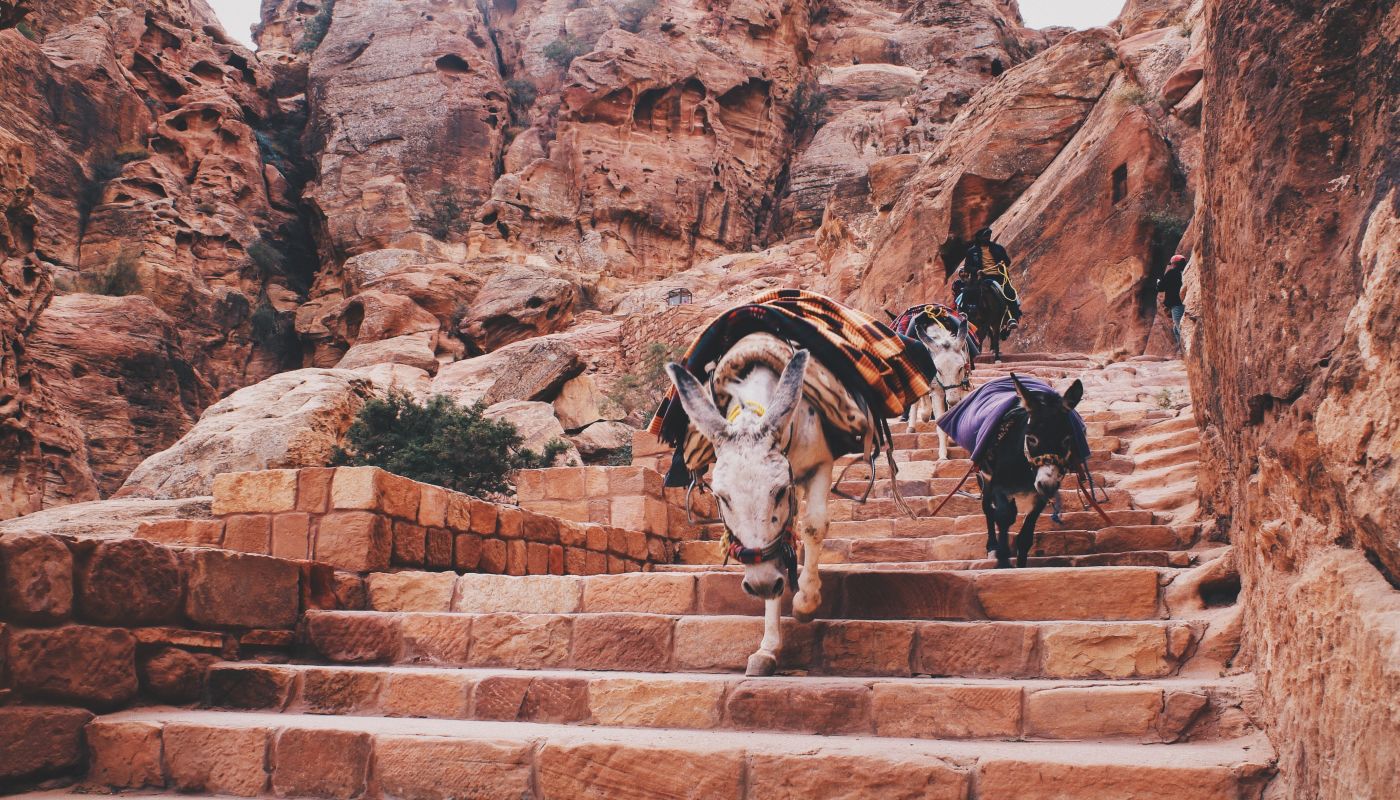
Landscape of Jordan
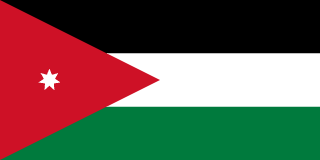
Flag of Jordan

Jordan

Asia

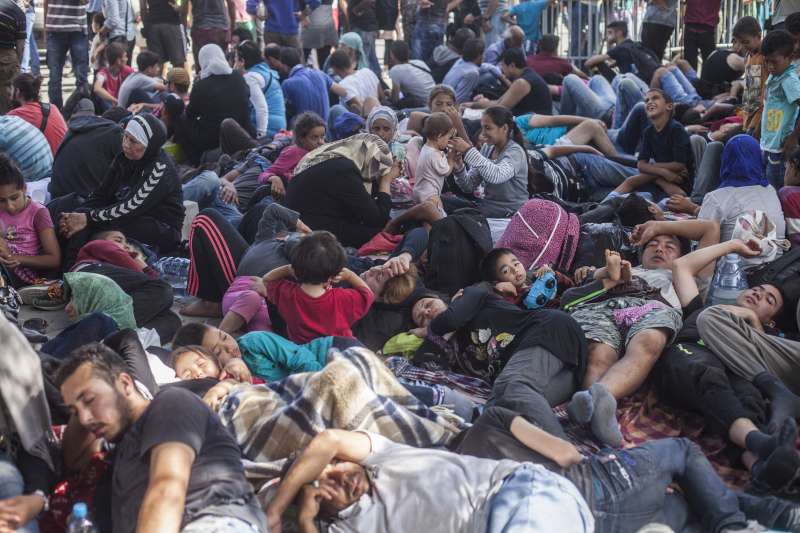
Jordan is a diverse country located in the heart of the Middle East with a population of over 10 million people, including the world-renowned city of Petra. The country has taken steps to modernize its economy and invest in renewable energy sources such as wind and solar power. Additionally, Jordan has been working hard to support refugees fleeing conflict and persecution in neighboring countries, including hosting large numbers of Syrian refugees. With so much to offer, Jordan continues to make a positive impact on the region.

What would you like to learn about in Jordan?

Select a section to explore the country where nonprofits are creating positive change.

About Jordan

Following World War I and the dissolution of the Ottoman Empire, the League of Nations awarded Britain the mandate to govern much of the Middle East. Britain demarcated a semi-autonomous region of Transjordan from Palestine in the early 1920s. The area gained its independence in 1946 and thereafter became The Hashemite Kingdom of Jordan. The country's long-time ruler, King HUSSEIN (1953-99), successfully navigated competing pressures from the major powers (US, USSR, and UK), various Arab states, Israel, and a large internal Palestinian population. Jordan lost the West Bank to Israel in the 1967 Six-Day War. King HUSSEIN in 1988 permanently relinquished Jordanian claims to the West Bank; in 1994 he signed a peace treaty with Israel. King ABDALLAH II, King HUSSEIN's eldest son, assumed the throne following his father's death in 1999. He implemented modest political and economic reforms, but in the wake of the "Arab Revolution" across the Middle East, Jordanians continue to press for further political liberalization, government reforms, and economic improvements.

Quick Facts

Population
6,482,081 (July 2013 est.)
Area
89,342 sq km
ISO Code
JO
Continent
Asia
Government
constitutional monarchy
Active Causes
12
View all countries in Asia

Geography & Environment

Climate

mostly arid desert; rainy season in west (November to April)

Terrain

mostly desert plateau in east, highland area in west; Great Rift Valley separates East and West Banks of the Jordan River

Natural Resources

phosphates, potash, shale oil

Environmental Issues

limited natural freshwater resources; deforestation; overgrazing; soil erosion; desertification

People & Society

80.3 years
Avg. Life Expectancy
95.9%
Literacy Rate
82.7% of total population (2011)
Total Urban Population

Languages

Arabic (official), English (widely understood among upper and middle classes)

Religions

Sunni Muslim 92% (official), Christian 6% (majority Greek Orthodox, but some Greek and Roman Catholics, Syrian Orthodox, Coptic Orthodox, Armenian Ort...

Health Expenditure

8% of GDP (2010) of GDP

Education Expenditure

NA of GDP

Economy

$6,100
GDP per Capita (PPP)
12.5%
Unemployment Rate
14.2% (2002)
Below Poverty Line

Economic Overview

Jordan's economy is among the smallest in the Middle East, with insufficient supplies of water, oil, and other natural resources, underlying the government's heavy reliance on foreign assistance. Other economic challenges for the government include chronic high rates of poverty, unemployment, inflation, and a large budget deficit. Since assuming the throne in 1999, King ABDALLAH has implemented significant economic reforms, such as opening the trade regime, privatizing state-owned companies, and eliminating some fuel subsidies, which in the last decade spurred economic growth by attracting for...

Causes in Jordan

Environment

Jordan, a country located in the Middle East, faces significant environmental challenges that impact its population and ecosystems. One of the most pressing issues is water scarcity, with Jordan being one of the most water-stressed countries in the world. The overexploitation of limited water resources, coupled with climate change effects such as reduced rainfall and increasing temperatures, has led to a severe strain on the country's water supply. This has resulted in challenges for agriculture, industry, and households, affecting livelihoods and exacerbating social and economic disparities. Additionally, deforestation, soil erosion, and air pollution are other environmental concerns that further contribute to Jordan's environmental degradation. Addressing these issues requires sustainable management practices, conservation efforts, and international cooperation to ensure a more resilient and environmentally sustainable future for Jordan.

Family

In Jordan, the concept of family holds significant importance in shaping societal norms and values. Families in Jordan typically adhere to strong traditional values, with an emphasis on respect for elders, loyalty, and support for one another. The family unit is considered the cornerstone of Jordanian society, providing a sense of identity and security to its members. Extended families often live in close proximity and play an integral role in providing emotional and financial support. However, changing social dynamics, urbanization, and economic challenges have led to shifts in traditional family structures in recent years. Despite these changes, the family continues to play a crucial role in influencing individual behavior, decision-making, and overall well-being in Jordanian society.

Poverty

Jordan, a country in the Middle East, grapples with the significant impact of poverty on its population. Despite being classified as an upper-middle-income country, poverty remains a pressing issue, particularly in rural areas and among vulnerable groups. Poverty in Jordan is influenced by factors such as high unemployment rates, limited access to quality education and healthcare services, and a growing refugee population. The lack of economic opportunities and social support systems exacerbate the cycle of poverty, leading to social inequalities and economic disparities within the country. Addressing poverty in Jordan requires a multi-faceted approach that includes targeted social assistance programs, job creation initiatives, and investment in education and healthcare infrastructure.

Religion

Religion plays a significant role in the cultural fabric of Jordan, a country located in the Middle East. Islam is the predominant religion in Jordan, with over 95% of the population adhering to Sunni Islam. The practice of Islam influences various aspects of daily life, including social customs, family structures, and political affairs. Religious holidays and traditions are widely observed, contributing to the rich tapestry of Jordanian culture. The religious diversity within the country also includes a Christian minority, primarily comprising Greek Orthodox and Catholic communities. Interfaith dialogue and cooperation are actively promoted by the government to foster harmony among different religious groups. Despite the predominantly Islamic nature of Jordan, religious freedom is constitutionally protected, allowing individuals to practice their faiths freely. It is essential to recognize the profound impact of religion on Jordanian society and to appreciate the country's commitment to religious tolerance and coexistence.

Clean Water

Jordan is a country in the Middle East facing significant challenges in accessing clean water. With a predominantly arid climate and limited freshwater resources, Jordan struggles to meet the growing water demands of its population. The lack of clean water not only affects the daily lives of Jordanians but also hinders economic development and agricultural productivity in the region. Water scarcity in Jordan is exacerbated by factors such as population growth, climate change, and inefficient water management practices. Addressing this issue is crucial for the well-being and future sustainability of Jordan. By investing in water infrastructure, promoting water conservation measures, and enhancing water governance, Jordan can work towards ensuring access to clean water for all its citizens.

Economy

Jordan, a country located in the heart of the Middle East, grapples with significant economic challenges that have far-reaching effects on its population. The economy of Jordan is heavily reliant on foreign aid, remittances, and tourism, making it vulnerable to external shocks. High unemployment rates, particularly among youth and women, coupled with rising poverty levels, contribute to social inequalities and instability within the country. Furthermore, limited access to resources and opportunities exacerbates these issues, hindering sustainable development and economic growth. Addressing these economic challenges is crucial for fostering stability and prosperity in Jordan. (Source: World Bank, International Monetary Fund)

Government

Jordan, a Middle Eastern country with a population of approximately 10 million, has faced various challenges due to its government structure. The Hashemite Kingdom of Jordan is a constitutional monarchy, where the King holds executive and legislative authority. The government plays a significant role in shaping the lives of Jordanian citizens through policies related to healthcare, education, and economic development. However, corruption and lack of transparency have been persistent issues in the country's governance, leading to inefficiencies in public services and hindering socio-economic progress. Additionally, Jordan has grappled with political instability and regional conflicts, which have further strained the government's ability to address the needs of its people effectively. It is crucial for the government to prioritize good governance practices and accountability to ensure the well-being and prosperity of its citizens.

Health

Jordan, a country located in the heart of the Middle East, faces several challenges in the realm of health that significantly impact its population. With a high prevalence of non-communicable diseases such as diabetes, cardiovascular diseases, and obesity, Jordan grapples with a burden on its healthcare system. Limited access to healthcare services, particularly in rural areas, exacerbates these issues, leading to disparities in health outcomes across different segments of the population. Additionally, environmental factors like air pollution and water scarcity further contribute to the health challenges faced by Jordanians. The government of Jordan has been working towards improving healthcare infrastructure and access to services to address these issues and promote better health outcomes for its citizens. However, there is still much work to be done to ensure that all individuals in Jordan have equal access to quality healthcare.

Children

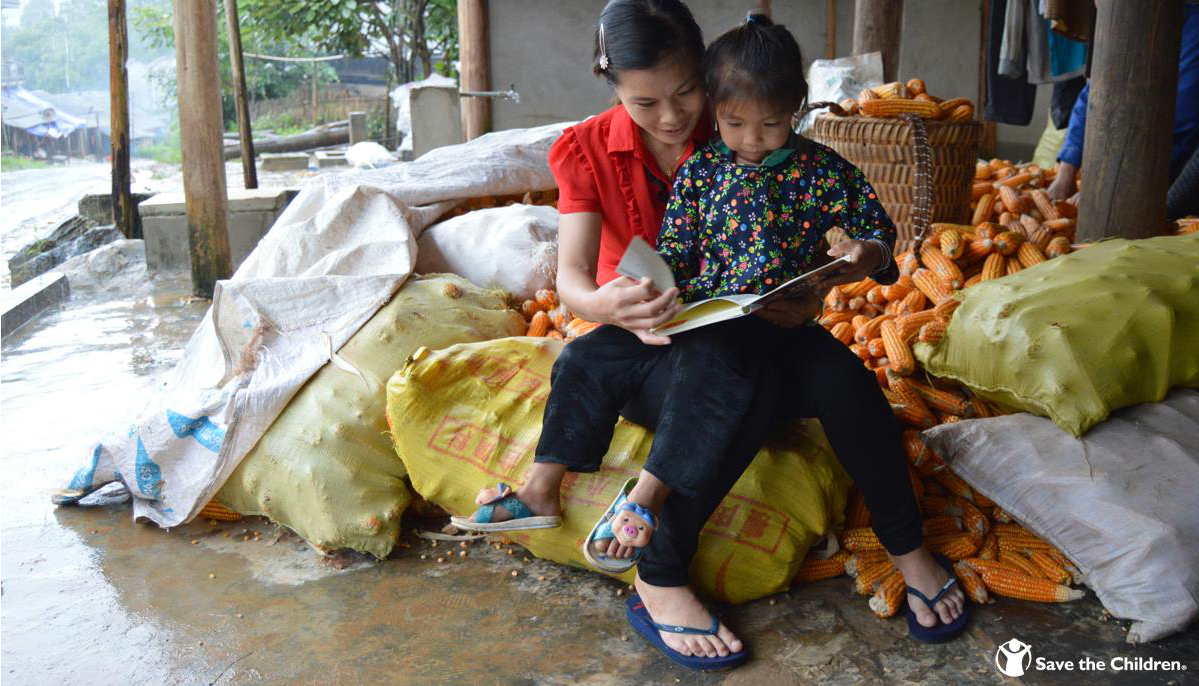
Jordan, a country in the Middle East, faces numerous challenges that impact its children. Factors such as poverty, limited access to education, and the ongoing refugee crisis have significant effects on the well-being of Jordanian children. According to UNICEF, around 14% of children in Jordan live below the national poverty line, which affects their access to essential services such as healthcare and nutrition. Additionally, the influx of refugees fleeing conflicts in neighboring countries has strained resources and services, further exacerbating the vulnerability of Jordanian children. Education is also a concern, with many children unable to attend school due to various barriers, including lack of infrastructure and economic hardship. It is crucial to address these issues to ensure a better future for the children of Jordan.

Human Rights

Jordan, a country in the Middle East, faces various challenges related to human rights. Despite some progress in recent years, issues such as restrictions on freedom of expression, discrimination against women and minorities, and limitations on the rights of refugees and asylum seekers persist. The government has taken steps to address these concerns through legal reforms and initiatives aimed at promoting human rights awareness. However, more needs to be done to ensure the full protection of human rights for all individuals in Jordan. By advocating for the respect and protection of human rights in Jordan, we can contribute to creating a more just and equitable society for all its inhabitants.

Education

In Jordan, education plays a crucial role in shaping the future of its population. With a literacy rate of over 95%, education is highly valued in Jordanian society. However, despite progress in recent years, challenges persist in the education system, such as overcrowded classrooms, insufficient resources, and disparities in access to quality education between urban and rural areas. These issues hinder the full potential of Jordan's youth and limit their opportunities for personal and professional growth. Improving the education system in Jordan is essential for fostering a skilled workforce, reducing poverty, and promoting social development across the country.

Animals

Jordan, a country in the Middle East, is home to a diverse range of animal species, many of which face numerous challenges due to human activities and environmental factors. The impact of animals on Jordan's ecosystems is significant, as they play crucial roles in maintaining biodiversity and ecological balance. However, habitat destruction, climate change, pollution, and poaching are threatening the survival of many animal species in the region. Endangered species such as the Arabian Oryx, Nubian Ibex, and Syrian Wolf are particularly at risk. It is important for individuals, organizations, and governments to work together to protect these vulnerable animals and their habitats to ensure a sustainable future for Jordan's wildlife.

Nonprofits Working in Jordan

Discover organizations making a difference in Jordan

Make Your Impact Today

Discover causes you care about and support the nonprofits making a difference in communities around the world.

Are you a nonprofit? Join Project World Impact for free

Join Us Free