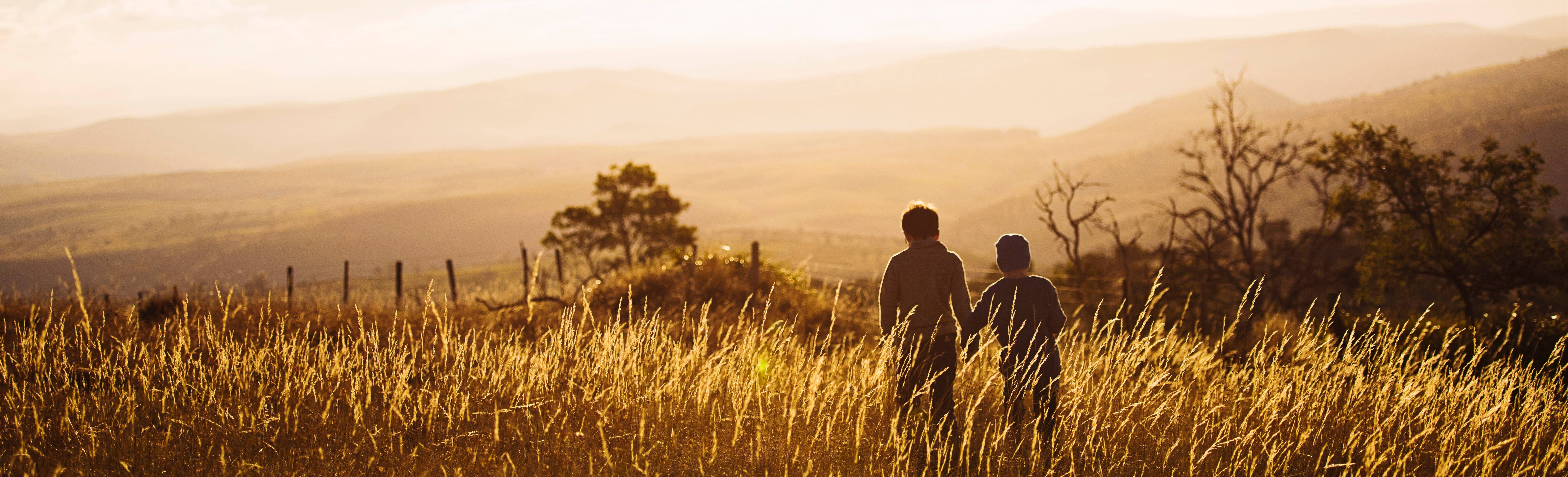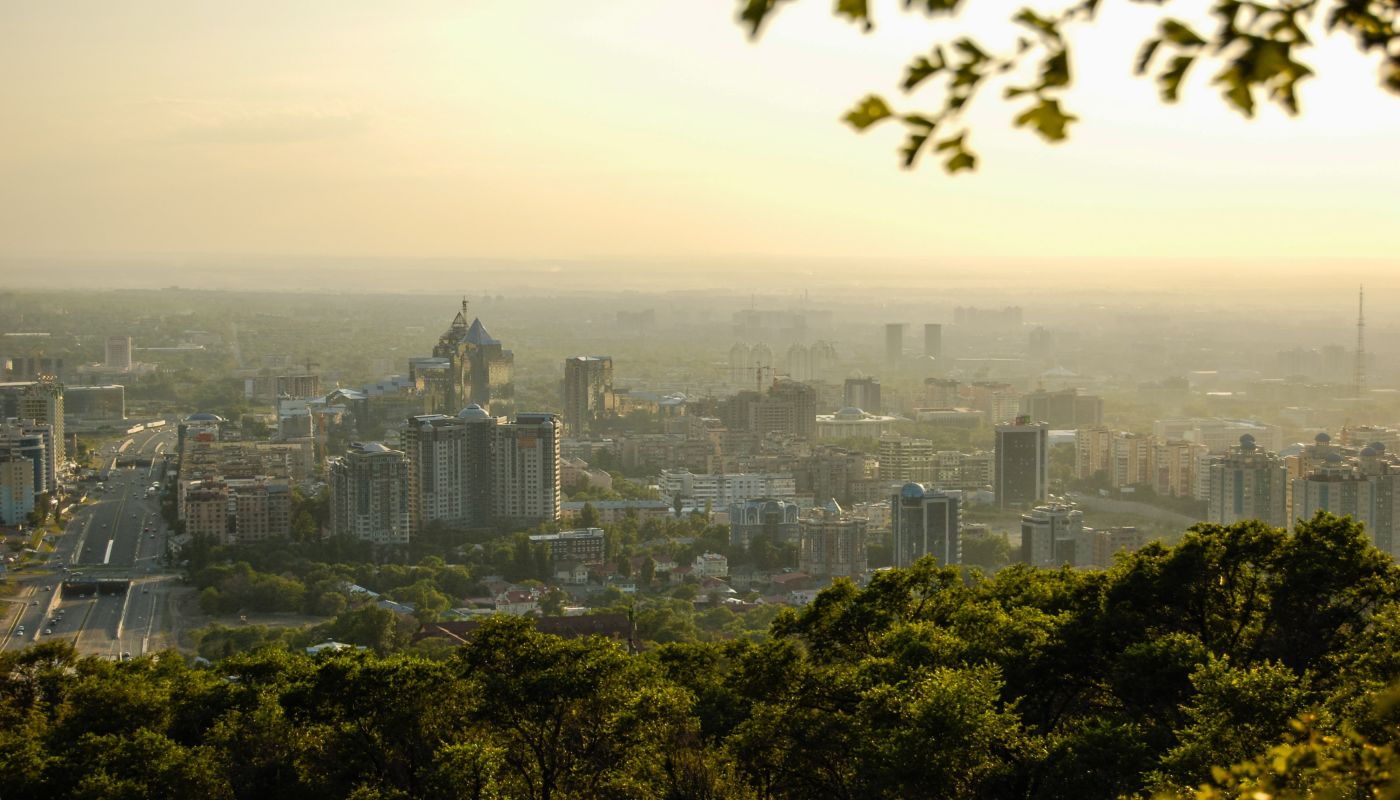
Landscape of Kazakhstan
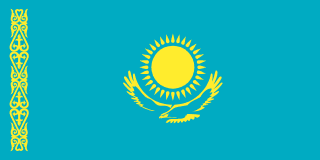
Flag of Kazakhstan

Kazakhstan

Asia

With a population of over 18 million people, Kazakhstan is the ninth-largest country in the world in terms of land area. The country is rich in natural resources, including oil, gas, coal, and uranium, which have contributed to its strong economic growth. The country has also been working to strengthen its political and economic ties with neighboring countries, including Russia and China. Moreover, Kazakhstan is a leader in promoting regional peace and stability, having hosted several successful peace negotiations in the past. The Kazakh government has also been implementing various measures to attract foreign investment, improve the business climate, and encourage innovation and entrepreneurship. Additionally, the country is investing heavily in renewable energy and is committed to reducing its carbon emissions.

What would you like to learn about in Kazakhstan?

Select a section to explore the country where nonprofits are creating positive change.

About Kazakhstan

Ethnic Kazakhs, a mix of Turkic and Mongol nomadic tribes who migrated into the region in the 13th century, were rarely united as a single nation. The area was conquered by Russia in the 18th century, and Kazakhstan became a Soviet Republic in 1936. During the 1950s and 1960s agricultural "Virgin Lands" program, Soviet citizens were encouraged to help cultivate Kazakhstan's northern pastures. This influx of immigrants (mostly Russians, but also some other deported nationalities) skewed the ethnic mixture and enabled non-ethnic Kazakhs to outnumber natives. Non-Muslim ethnic minorities departed Kazakhstan in large numbers from the mid-1990s through the mid-2000s and a national program has repatriated about a million ethnic Kazakhs thus far back to Kazakhstan. These trends have allowed Kazakhs to become the titular majority again. This dramatic demographic shift has also undermined the previous religious diversity and made the country more than 70 percent Muslim. Kazakhstan's economy is larger than those of all the other Central Asian states largely due to the country's vast natural resources. Current issues include: developing a cohesive national identity; managing Islamic revivalism; expanding the development of the country's vast energy resources and exporting them to world markets; diversifying the economy outside the oil, gas, and mining sectors; enhancing Kazakhstan's economic competitiveness; developing a multiparty parliament and advancing political and social reform; and strengthening relations with neighboring states and other foreign powers.

Quick Facts

Population
17,736,896 (July 2013 est.)
Area
2,724,900 sq km
ISO Code
KZ
Continent
Asia
Government
republic; authoritarian presidential rule, with little power outside the executive branch
Active Causes
12
View all countries in Asia

Geography & Environment

Climate

continental, cold winters and hot summers, arid and semiarid

Terrain

vast flat steppe extending from the Volga in the west to the Altai Mountains in the east and from the plains of western Siberia in the north to oases and deserts of Central Asia in the south

Natural Resources

major deposits of petroleum, natural gas, coal, iron ore, manganese, chrome ore, nickel, cobalt, copper, molybdenum, lead, zinc, bauxite, gold, uranium

Environmental Issues

radioactive or toxic chemical sites associated with former defense industries and test ranges scattered throughout the country pose health risks for humans and animals; industrial pollution is severe...

People & Society

69.94 years
Avg. Life Expectancy
99.7%
Literacy Rate
53.6% of total population (2011)
Total Urban Population

Languages

Kazakh (Qazaq, state language) 64.4%, Russian (official, used in everyday business, designated the "language of interethnic communication") 95% (2001...

Religions

Muslim 70.2%, Christian 26.2% (Russian Orthodox 23.9%, other Christian 2.3%), Buddhist 0.1%, other 0.2%, atheist 2.8%, unspecified 0.5% (2009 Census)

Health Expenditure

4.3% of GDP (2010) of GDP

Education Expenditure

3.1% of GDP (2009) of GDP

Economy

$14,100
GDP per Capita (PPP)
5.3%
Unemployment Rate
5.3% (2011 est.)
Below Poverty Line

Economic Overview

Kazakhstan, geographically the largest of the former Soviet republics, excluding Russia, possesses enormous fossil fuel reserves and plentiful supplies of other minerals and metals, such as uranium, copper, and zinc. It also has a large agricultural sector featuring livestock and grain. In 2002 Kazakhstan became the first country in the former Soviet Union to receive an investment-grade credit rating. Extractive industries have been and will continue to be the engine of Kazakhstan's growth, although the country is aggressively pursuing diversification strategies. Landlocked, with restricted ac...

Causes in Kazakhstan

Environment

Kazakhstan, the ninth-largest country in the world, is a land of diverse landscapes ranging from deserts to mountains. Its environment plays a crucial role in shaping the country's economy and livelihoods of its people. The Aral Sea crisis, caused by excessive water diversion for irrigation purposes, has led to severe environmental degradation in the region, impacting local communities' health and livelihoods. Desertification and soil degradation due to unsustainable agricultural practices pose significant challenges to Kazakhstan's environment. Moreover, industrial pollution from mining and oil extraction activities further exacerbate environmental issues in the country. Addressing these environmental challenges is crucial to ensure the sustainability of Kazakhstan's natural resources and the well-being of its population.

Family

In Kazakhstan, the institution of family holds significant cultural and social importance, shaping the lives of individuals in profound ways. Family is considered the cornerstone of Kazakh society, serving as the primary source of support, identity, and belonging for its members. The concept of family extends beyond immediate relatives to include extended family networks, reinforcing a sense of community and interconnectedness. In Kazakhstan, traditional values such as respect for elders, loyalty to family members, and the prioritization of familial obligations are deeply ingrained in societal norms. This strong emphasis on family cohesion influences various aspects of Kazakh life, including decision-making processes, social interactions, and the transmission of cultural heritage from one generation to the next.

Education

Education plays a pivotal role in the development and progress of Kazakhstan. As a country that values knowledge and skills, education is seen as a key driver for economic growth and social advancement. Kazakhstan has made significant strides in improving its education system over the years, with a focus on enhancing quality and access at all levels. The government has implemented various reforms to modernize the curriculum, improve teacher training, and increase educational opportunities for all citizens. Despite these efforts, challenges such as regional disparities in education quality and access persist, particularly in rural areas. It is essential for Kazakhstan to continue investing in education to ensure that all its citizens have the opportunity to reach their full potential and contribute to the country's sustainable development.

Poverty

Kazakhstan, a vast country in Central Asia, is home to a population that struggles with poverty. Despite its significant economic growth in recent years, poverty remains a pressing issue, particularly in rural areas and among vulnerable populations such as children and the elderly. Factors contributing to poverty in Kazakhstan include high unemployment rates, income inequality, lack of access to quality education and healthcare, and limited social safety nets. The impact of poverty in Kazakhstan is far-reaching, affecting individuals' quality of life, health outcomes, and overall well-being. Addressing poverty in Kazakhstan requires a multi-faceted approach that involves targeted social programs, economic reforms, and investment in human capital development. By raising awareness about the pervasive nature of poverty in Kazakhstan, we can work towards creating a more equitable society where all individuals have the opportunity to thrive.

Religion

Religion plays a significant role in the diverse social fabric of Kazakhstan. As a country with a rich history shaped by various cultures and traditions, Kazakhstan embraces religious diversity. Islam is the predominant religion in the country, with over 70% of the population identifying as Muslim. However, Kazakhstan is also home to a sizable Christian minority, mainly comprising Russian Orthodox and Protestant denominations. The government of Kazakhstan guarantees freedom of religion and promotes interfaith harmony through initiatives like the Congress of Leaders of World and Traditional Religions, held in the capital city of Nur-Sultan. Despite this, challenges such as religious extremism and radicalization persist in some regions, necessitating ongoing efforts to promote tolerance and understanding among different religious communities in Kazakhstan.

Clean Water

Kazakhstan, a landlocked country in Central Asia, faces significant challenges related to clean water access and quality. With a population of over 18 million people, access to safe drinking water remains a critical issue in many regions of the country. The lack of proper sanitation infrastructure, industrial pollution, and outdated water treatment facilities contribute to water contamination, posing serious health risks to the population. Contaminated water sources lead to the spread of waterborne diseases such as cholera and typhoid fever, particularly affecting vulnerable communities in rural areas. Addressing these challenges requires substantial investment in modernizing water treatment facilities, improving sanitation practices, and enhancing regulatory frameworks to ensure clean water access for all citizens of Kazakhstan.

Economy

Kazakhstan, the largest landlocked country in the world, is a nation situated in Central Asia with a diverse economy primarily driven by its abundant reserves of oil, natural gas, and minerals. The country's economic stability heavily relies on these natural resources, making it vulnerable to fluctuations in global commodity prices. The government has been taking steps to diversify its economy by investing in sectors such as agriculture, manufacturing, and services to reduce its dependence on extractive industries. Despite these efforts, Kazakhstan continues to face challenges such as income inequality, unemployment, and underdeveloped infrastructure that hinder its overall economic growth and development.

Government

Kazakhstan, located in Central Asia, is a country of diverse landscapes, rich cultural heritage, and significant economic potential. The Government of Kazakhstan plays a crucial role in shaping the country's development and progress. As a presidential republic, the government structure is centralized, with the President serving as both head of state and government. The government's impact on Kazakhstan is far-reaching, influencing areas such as economic policies, social programs, infrastructure development, and foreign relations. Key government initiatives include promoting economic diversification, improving education and healthcare systems, and fostering regional cooperation. Additionally, the government's efforts to enhance transparency and combat corruption are essential for sustainable growth and stability in the country.

Health

Kazakhstan, a country situated in Central Asia, faces various health challenges that significantly impact its population. One of the primary health concerns in Kazakhstan is the high prevalence of cardiovascular diseases, which account for a significant portion of the country's mortality rate. Factors such as unhealthy diets, sedentary lifestyles, and limited access to healthcare facilities contribute to the burden of cardiovascular diseases in the region. Additionally, Kazakhstan has been grappling with a rise in non-communicable diseases, including diabetes and cancer, further straining its healthcare system. The country also faces challenges related to mental health issues, with stigma and inadequate resources hindering access to mental health services for many individuals. Addressing these health issues requires a comprehensive approach that focuses on promoting healthy lifestyles, improving healthcare infrastructure, and raising awareness about the importance of preventive care.

Children

In Kazakhstan, children face various challenges that impact their well-being and development. Poverty remains a significant issue, with approximately 17.4% of the population living below the national poverty line, according to the World Bank. This economic hardship often leads to inadequate access to education, healthcare, and proper nutrition for many children in the country. Furthermore, Kazakhstan has a high rate of child labor, particularly in rural areas where children are forced to work to help support their families. This not only deprives them of their right to education but also exposes them to hazardous working conditions that can have long-term negative effects on their health. Additionally, there are concerns about child abuse and neglect, with limited resources available to support and protect vulnerable children. Addressing these issues is crucial to ensuring a better future for the children of Kazakhstan.

Human Rights

Kazakhstan, a Central Asian country rich in culture and resources, has faced challenges in upholding human rights standards. Despite its efforts to improve its human rights record through legislative reforms and international partnerships, issues such as restrictions on freedom of speech, assembly, and political participation persist. The government's control over media outlets and civil society organizations has limited the space for dissenting voices and independent scrutiny. Additionally, reports of torture, arbitrary detention, and unfair trials raise concerns about the protection of individual rights. Addressing these challenges is crucial for Kazakhstan to ensure the well-being and dignity of all its citizens and to uphold its international human rights obligations.

Animals

Kazakhstan, a vast country in Central Asia, boasts diverse wildlife due to its varied geography encompassing steppes, mountains, deserts, and lakes. Animals in Kazakhstan play a crucial role in the ecosystem, contributing to biodiversity and maintaining ecological balance. The saiga antelope, a unique species native to the Kazakh steppes, faces threats of extinction due to poaching and habitat loss. Similarly, the snow leopard, a symbol of the high mountains in Kazakhstan, is endangered due to illegal hunting and shrinking habitats. Conservation efforts are underway to protect these and other species in Kazakhstan, highlighting the importance of preserving the country's rich wildlife heritage for future generations.

Nonprofits Working in Kazakhstan

Discover organizations making a difference in Kazakhstan

Make Your Impact Today

Discover causes you care about and support the nonprofits making a difference in communities around the world.

Are you a nonprofit? Join Project World Impact for free

Join Us Free