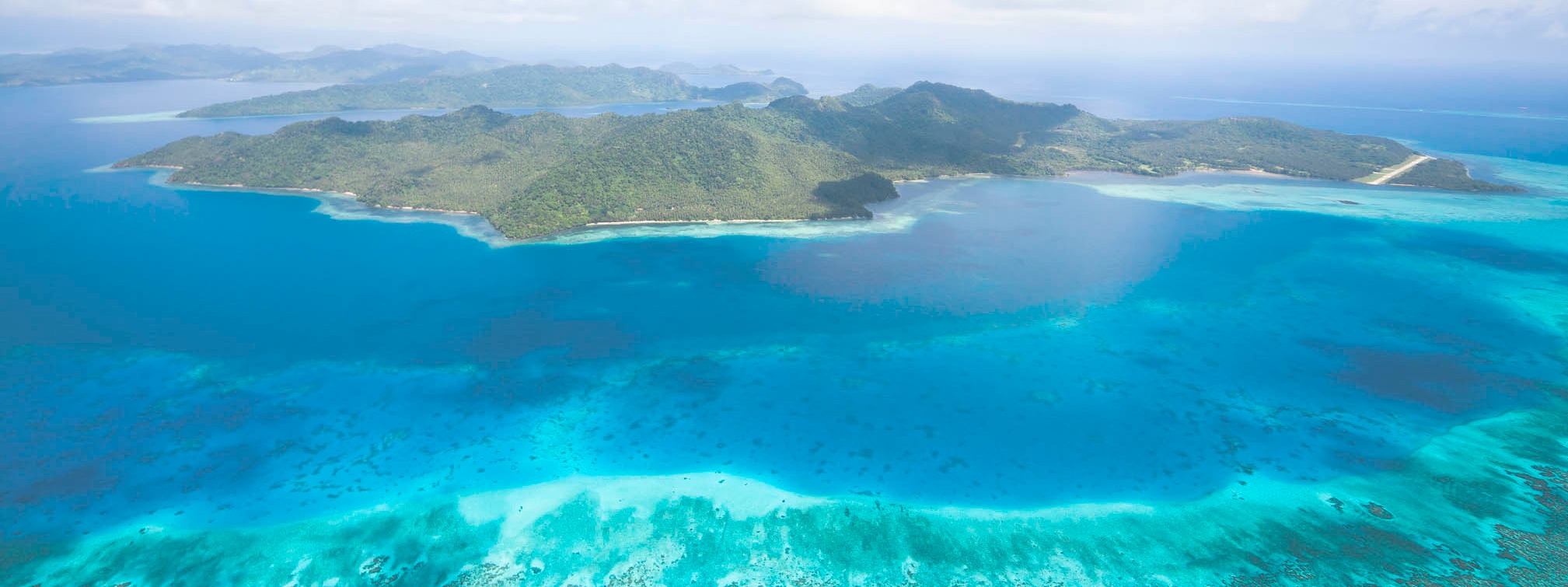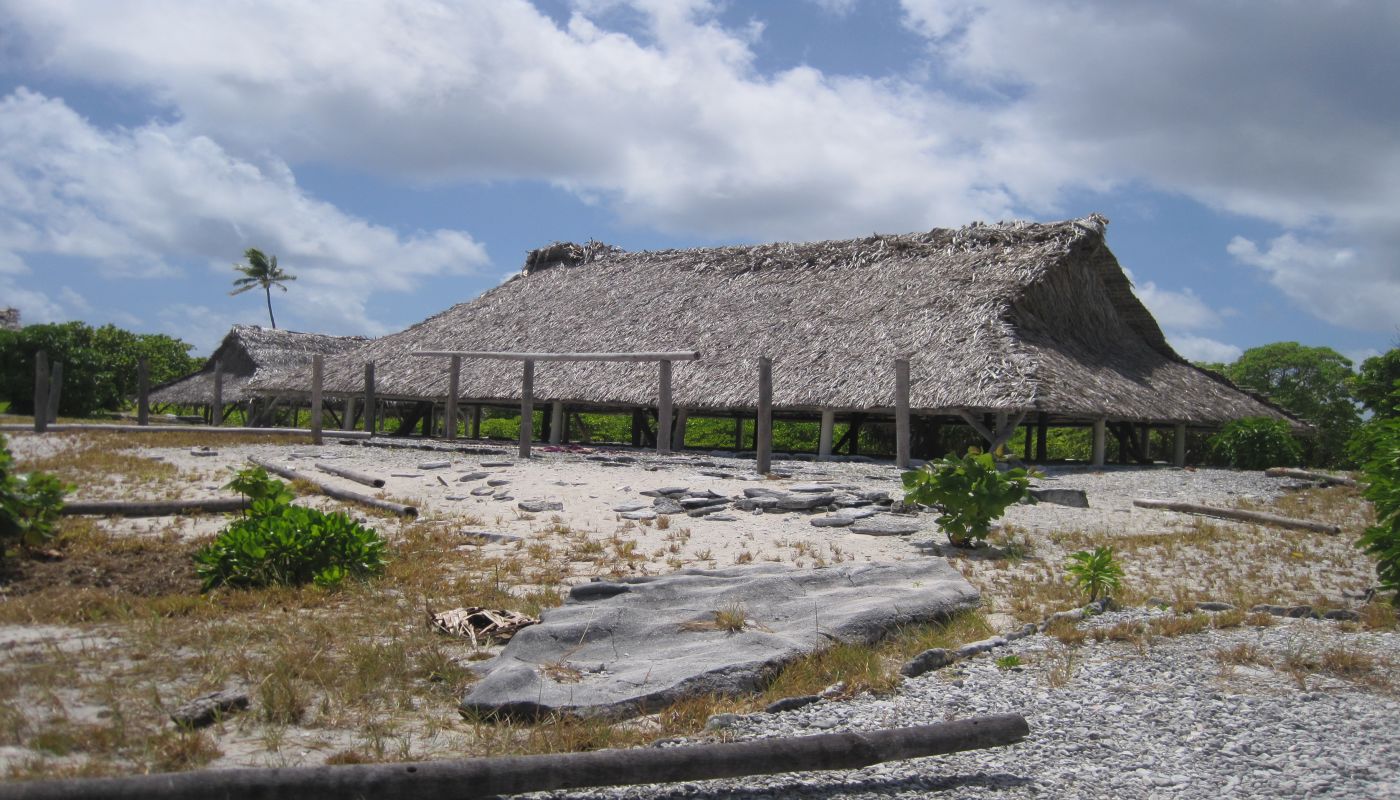
Landscape of Kiribati
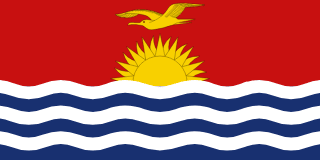
Flag of Kiribati

Kiribati

Australia/Oceania

Kiribati is a Pacific island nation with a population of approximately 120,000 people.The island nation is the only country in the world to be situated in all four hemispheres. The country has faced challenges related to climate change, including rising sea levels and ocean acidification. Efforts are underway to address these issues and promote sustainable development, including the development of climate-resilient infrastructure and the promotion of sustainable fisheries.

What would you like to learn about in Kiribati?

Select a section to explore the country where nonprofits are creating positive change.

About Kiribati

The Gilbert Islands became a British protectorate in 1892 and a colony in 1915; they were captured by the Japanese in the Pacific War in 1941. The islands of Makin and Tarawa were the sites of major US amphibious victories over entrenched Japanese garrisons in 1943. The Gilbert Islands were granted self-rule by the UK in 1971 and complete independence in 1979 under the new name of Kiribati. The US relinquished all claims to the sparsely inhabited Phoenix and Line Island groups in a 1979 treaty of friendship with Kiribati.

Quick Facts

Population
103,248 (July 2013 est.)
Area
811 sq km
ISO Code
KI
Continent
Australia/Oceania
Government
republic
Active Causes
12
View all countries in Australia/Oceania

Geography & Environment

Climate

tropical; marine, hot and humid, moderated by trade winds

Terrain

mostly low-lying coral atolls surrounded by extensive reefs

Natural Resources

phosphate (production discontinued in 1979)

Environmental Issues

heavy pollution in lagoon of south Tarawa atoll due to heavy migration mixed with traditional practices such as lagoon latrines and open-pit dumping; ground water at risk

People & Society

65.11 years
Avg. Life Expectancy
44% of total population (2010)
Total Urban Population

Languages

I-Kiribati, English (official)

Religions

Roman Catholic 55%, Protestant 36%, Mormon 3.1%, Baha'i 2.2%, Seventh-Day Adventist 1.9%, other 1.8% (2005 census)

Health Expenditure

11.3% of GDP (2010) of GDP

Education Expenditure

11.6% of GDP (2002) of GDP

Economy

$6,100
GDP per Capita (PPP)
2%
Unemployment Rate
NA%
Below Poverty Line

Economic Overview

A remote country of 33 scattered coral atolls, Kiribati has few natural resources and is one of the least developed Pacific Islands. Commercially viable phosphate deposits were exhausted at the time of independence from the UK in 1979. Copra and fish now represent the bulk of production and exports. The economy has fluctuated widely in recent years. Economic development is constrained by a shortage of skilled workers, weak infrastructure, and remoteness from international markets. Tourism provides more than one-fifth of GDP. Private sector initiatives and a financial sector are in the early st...

Causes in Kiribati

Environment

Kiribati, a Pacific island nation comprising 33 atolls and reef islands, faces substantial environmental challenges that significantly impact its population and land. Rising sea levels due to climate change pose a major threat to Kiribati's existence, with predictions suggesting that the country could be submerged within the next few decades. This has led to increased coastal erosion, saltwater intrusion into freshwater sources, and the loss of arable land, affecting agriculture and food security. Additionally, extreme weather events such as cyclones have become more frequent and severe, causing widespread damage to infrastructure and displacing communities. The environmental vulnerability of Kiribati highlights the urgent need for global action to mitigate climate change and support adaptation efforts in at-risk regions. Source: - National Geographic. (n.d.). Kiribati. https://www.nationalgeographic.org/encyclopedia/kiribati/ - United Nations Development Programme. (2021). Climate Change in Kiribati. https://www.pacific.undp.org/content/pacific/en/home/countries/kiribati/climate-change-in-kiribati.html

Education

Kiribati, an island nation in the central Pacific Ocean, faces numerous challenges, including the impact of climate change on its low-lying islands. In Kiribati, education plays a crucial role in equipping its citizens with the knowledge and skills necessary to adapt to these changing environmental conditions. The education system in Kiribati not only provides academic learning but also emphasizes the importance of sustainable practices and environmental conservation. By educating its population on climate change adaptation strategies and promoting awareness of environmental issues, Kiribati is working towards building a more resilient society that can better withstand the challenges posed by a changing climate.

Clean Water

Kiribati, an island nation located in the central Pacific Ocean, faces significant challenges regarding clean water access. With a population heavily reliant on limited freshwater sources for drinking, sanitation, and agriculture, the impacts of water scarcity are acutely felt. Rising sea levels and saltwater intrusion due to climate change pose a threat to the country's already fragile water supply, exacerbating the issue. Inadequate infrastructure and sanitation systems further compound the problem, leading to health issues and economic setbacks for Kiribati's residents. Ensuring access to clean water is crucial for sustainable development and the well-being of the population in Kiribati.

Economy

Kiribati, an island nation in the central Pacific Ocean, faces significant challenges due to its vulnerable economy. The country heavily relies on fishing and copra production as its primary sources of income, which are susceptible to external factors such as climate change and global market fluctuations. With limited natural resources and a small domestic market, Kiribati struggles to diversify its economy and reduce its dependence on outside aid. This economic fragility is further exacerbated by rising sea levels, threatening the very existence of the nation's low-lying islands and leading to potential displacement of its population. The impact of these economic and environmental challenges is profound, highlighting the urgent need for sustainable development strategies to safeguard Kiribati's future.

Health

Kiribati, a small island nation in the Pacific Ocean, faces several challenges related to health that significantly impact its population. Limited access to clean water and sanitation facilities has led to a high prevalence of waterborne diseases such as diarrhea and typhoid fever. Additionally, the country grapples with a high rate of non-communicable diseases like diabetes and cardiovascular conditions, often exacerbated by lifestyle factors and limited healthcare services. Maternal and child health remain pressing concerns, with inadequate healthcare infrastructure and resources contributing to high maternal and infant mortality rates. The effects of climate change, including rising sea levels and natural disasters, further compound health issues in Kiribati, threatening food security and exacerbating existing health challenges. Addressing these complex health issues requires comprehensive strategies that prioritize healthcare infrastructure development, access to clean water and sanitation, disease prevention programs, and resilience-building measures in the face of climate change impacts.

Family

In the Republic of Kiribati, a nation consisting of 33 atolls and reef islands in the central Pacific Ocean, family plays a crucial role in the social fabric of the society. Family in Kiribati is not limited to immediate relatives but extends to encompass the entire community, with strong bonds of kinship and interconnectedness. The concept of family in Kiribati is deeply rooted in communal living, mutual support, and collective decision-making. Family members are expected to care for one another, share resources, and uphold traditional customs and values. The family unit serves as a source of strength, identity, and resilience in the face of various challenges, including climate change-induced threats such as rising sea levels and natural disasters that endanger the nation's existence. As such, preserving the integrity and cohesion of families in Kiribati is vital for maintaining social cohesion and navigating the uncertain future posed by environmental changes.

Human Rights

Kiribati, an island nation in the Pacific Ocean, faces significant challenges related to human rights. Climate change poses a grave threat to the country's existence, with rising sea levels leading to land loss and severe environmental degradation. This not only impacts the nation's economy and infrastructure but also threatens the basic human rights of its citizens, including the right to safety, housing, and access to clean water. Furthermore, issues such as gender inequality, limited healthcare resources, and challenges in education exacerbate the human rights situation in Kiribati. As a low-lying atoll nation, Kiribati serves as a stark reminder of the urgent need for global action to address climate change and its profound implications on human rights.

Poverty

Kiribati, an island nation in the Pacific Ocean, faces significant challenges due to poverty. The high level of poverty in Kiribati is primarily attributed to limited natural resources, geographic isolation, and vulnerability to climate change. Poverty affects many aspects of life in Kiribati, including access to basic services such as healthcare, education, and clean water. Limited economic opportunities further exacerbate the situation, leading to high unemployment rates and low incomes for many Kiribati residents. As a result, poverty in Kiribati hinders sustainable development efforts and perpetuates a cycle of economic hardship for its people. Addressing poverty in Kiribati requires comprehensive strategies that focus on enhancing social protection, promoting economic diversification, and building resilience to climate change impacts.

Religion

Religion in Kiribati plays a significant role in shaping the cultural and social fabric of this small Pacific island nation. The predominant religion in Kiribati is Christianity, with the majority of the population adhering to either Roman Catholicism or Protestantism. Religion influences various aspects of daily life in Kiribati, from social customs and traditions to governance and decision-making processes. Churches hold a central place in communities, serving not only as places of worship but also as hubs for social activities and support networks. Religious beliefs guide moral values and practices, contributing to the overall cohesion and identity of the society. Furthermore, religion plays a vital role in addressing societal issues such as poverty, climate change, and healthcare by providing spiritual guidance and fostering community solidarity.

Government

Kiribati, an island nation located in the central Pacific Ocean, faces numerous challenges due to its low-lying geography and vulnerability to climate change. The government of Kiribati plays a crucial role in addressing these issues and shaping the future of the country. With a focus on sustainable development, the government has been working to mitigate the impact of rising sea levels, coastal erosion, and natural disasters on the islands and its population. Various policies and initiatives have been implemented to promote resilience, including the development of climate adaptation plans, investment in renewable energy sources, and advocating for global action on climate change. Despite these efforts, Kiribati continues to face significant threats to its existence, highlighting the urgent need for international cooperation and support to ensure the country's survival in the face of environmental challenges.

Children

Kiribati, a small island nation in the central Pacific Ocean, faces numerous challenges, with children being particularly vulnerable to the impacts of climate change and environmental degradation. Rising sea levels and extreme weather events threaten the very existence of this low-lying country, leading to saltwater intrusion, water scarcity, and food insecurity. As a result, children in Kiribati are at heightened risk of malnutrition, waterborne diseases, and displacement. Limited access to quality education and healthcare further exacerbates their plight. Efforts to address these issues require urgent attention and comprehensive strategies to ensure the well-being and resilience of Kiribati's children in the face of environmental threats.

Animals

Kiribati, a small island nation in the Pacific Ocean, is facing significant challenges due to the impact of animals on its ecosystem. The introduction of invasive species such as rats, cats, and pigs has led to the decline of native bird populations and disrupted fragile ecosystems. These invasive animals prey on native species, compete for resources, and alter habitats, leading to a loss of biodiversity and a threat to the country's unique natural heritage. In addition, overfishing by both local communities and commercial vessels has put pressure on marine life, affecting the delicate balance of the marine ecosystem surrounding Kiribati. Conservation efforts are crucial to protect Kiribati's biodiversity and ensure the sustainability of its natural resources for future generations.

Nonprofits Working in Kiribati

Discover organizations making a difference in Kiribati

KENDALL OPTOMETRY MINISTRY INC

ORGANIZATIONAL MISSION STATEMENT With primary emphasis in underdeveloped countries, Kendall Optometry Ministry, Inc. was established in 2003 to spread the Word of our Lord and Savior Jesus Christ. This is accomplished by providing glasses to improve the vision of people living in many underdeveloped countries. These impoverished people can now see to read their Bible, and also improve their standard of living. Kendall Optometry Ministry, Inc (KOM) is a 501-3c non-profit organization formed to provide optical equipment and training to Christian optical mission teams traveling all over the world. The equipment and training is provided at no cost and supplies are provided at a break even price. Teams are responsible for building their own eyeglasses inventory but much assistance (in the form of training and software) is provided by KOM to assist in the building of this inventory. KOM also has a limited supply of barcoded glasses (prescription in barcode) which can be used to quickly build an inventory. A testimonial by the President. (Revised: 9/8/2018) I grew up in a Christian family. My father, M. H. Kendall , was a college professor and head of the religion department at Mars Hill College, Mars Hill, N.C. for nearly 40 years. I worked for 29 years for General Electric Appliances in Louisville, Ky. During the last 4 years I averaged several hundred thousand miles each year on international travel installing computer systems. All of this travel went flawlessly. God blessed me in everything that I did. It was something that I found to be obvious that God had a hand in my work. In July, 1999 I decided I would take one mission trip to Honduras working through an organization called "Baptist Medical Dental Mission International" (BMDMI.ORG). My intent was to "pay back the Lord" with this one mission trip. When I arrived in the village, I asked the team leader what he wanted me to do. He said he had several boxes of used prescription glasses to hand out. These glasses were dirty, broken, and not measured. As you can see in Figure 1 to the left (scroll down a bit), we just set them out on a table and people came by and tried them on until something helped them. I immediately knew this was wrong but it was the best we could do then. I came back from that trip with a God Given passion to do it better. Since 1999 I have gone to Honduras 27 times and Nicaragua 3 times. Each time something would be improved. The use of the autorefractor was introduced into Honduras in 2003 (to see Figure 2 scroll down a bit) and another one into Nicaragua in 2004. A special series of computer programs were developed to manage and build the inventory. You can review these programs at http://eyeglasses-Inventory.com/. Since 2003 of the 51 BMDMI mission teams more than 95% of these teams use the equipment and software developed by Kendall Optometry Ministry, Inc. In 2003 Kendall Optometry Ministry was incorporated as a 501-3c non-profit company. Using donations provided by several churches and individuals this company purchased a set of equipment which could be loaned out to Christian mission teams going all over the world. Later in 2005 a 2nd kit was purchased and in 2006 a 3rd and a 4th kit was purchased. In the beginning of 2007 a 5th kit was purchased. At the end of 2007 a 6th and 7th kit including a Retinomax 3 was purchased. By the end of 2009 the company owned 10 kits. In 2010 the company purchased two more kits. In 2011 the company purchased 1 more kit bringing the total to 13. By 2017 the company had purchased 18 kits. In 2018 KOM purchased kit number 19. See the growth of the company at this link. 2018 is only part of the year on this graph. Other teams will participate. The teams use this equipment to not only allow people to read their Bible but to also to help them improve their standard of living. You can read about some of these teams in the Teams Supported area of this web site. Tell us about your Christian mission team. Let us help you be more effective in your work for the Lord. If you would like our help send an E-Mail to: HollandKendall@kendalloptoministry.org Holland Kendall, President Kendall Optometry Ministry, Inc.

LOUISVILLE, Kentucky

Make Your Impact Today

Discover causes you care about and support the nonprofits making a difference in communities around the world.

Are you a nonprofit? Join Project World Impact for free

Join Us Free