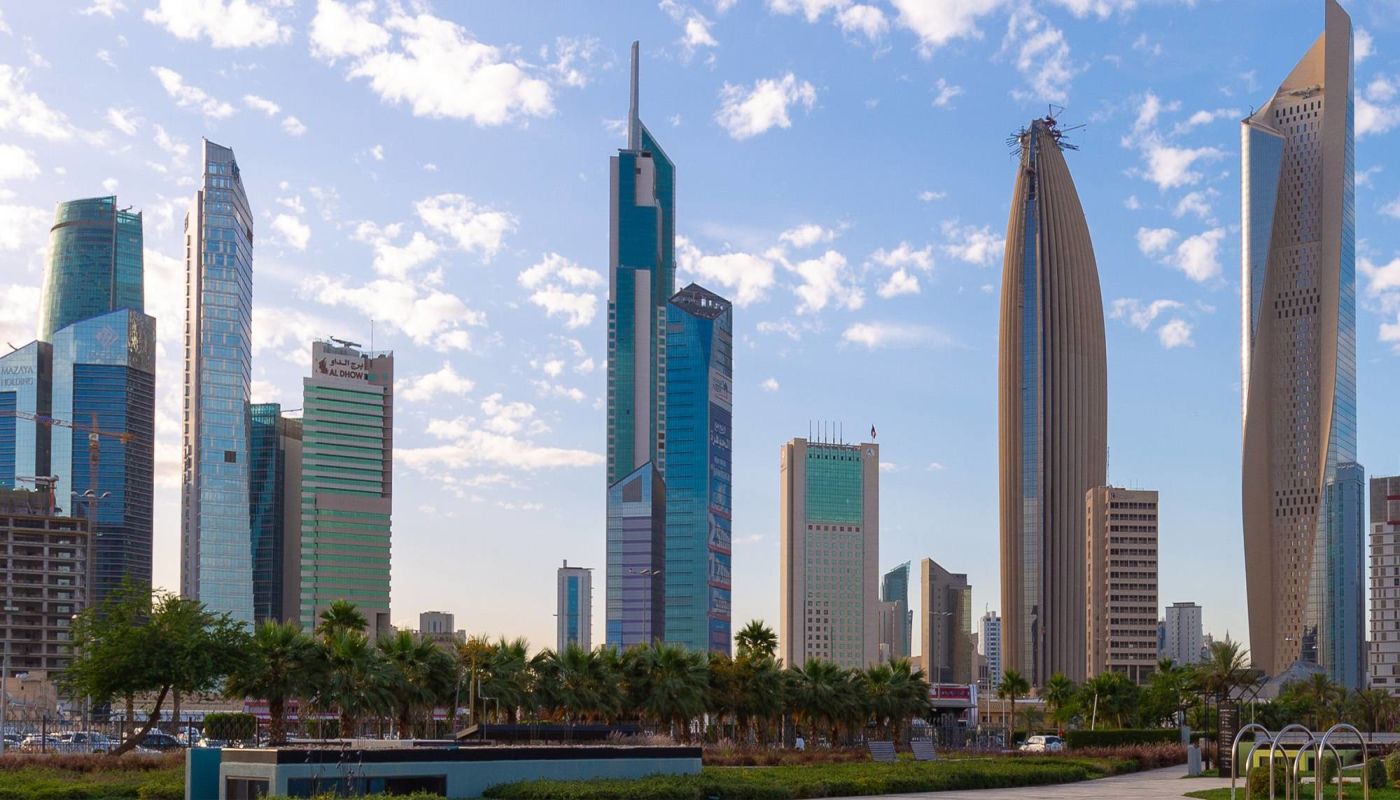
Landscape of Kuwait
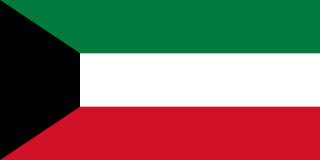
Flag of Kuwait

Kuwait

Asia

Kuwait is a small but prosperous country located in the Middle East, known for its oil wealth and modern infrastructure. With a population of over 4 million people, Kuwait is one of the richest countries in the world, with a high standard of living and a strong economy. The country has made significant progress in areas such as healthcare, education, and women's rights, and it is a leader in renewable energy.

What would you like to learn about in Kuwait?

Select a section to explore the country where nonprofits are creating positive change.

About Kuwait

Britain oversaw foreign relations and defense for the ruling Kuwaiti AL-SABAH dynasty from 1899 until independence in 1961. Kuwait was attacked and overrun by Iraq on 2 August 1990. Following several weeks of aerial bombardment, a US-led, UN coalition began a ground assault on 23 February 1991 that liberated Kuwait in four days. Kuwait spent more than $5 billion to repair oil infrastructure damaged during 1990-91. The AL-SABAH family has ruled since returning to power in 1991 and reestablished an elected legislature that in recent years has become increasingly assertive. The country witnessed the historic election in May 2009 of four women to its National Assembly. Amid the 2010-11 uprisings and protests across the Arab world, stateless Arabs, known as bidoon, staged small protests in February and March 2011 demanding citizenship, jobs, and other benefits available to Kuwaiti nationals. Youth activist groups - supported by opposition legislators and the prime minister's rivals within the ruling family - rallied repeatedly in 2011 for an end to corruption and the ouster of the prime minister and his cabinet. Opposition legislators forced the prime minister to resign in late 2011. In October-December 2012, Kuwait witnessed unprecedented protests in response to the Amir's changes to the electoral law by decree reducing the number of votes per person from four to one. The opposition, led by a coalition of Sunni Islamists, tribalists, some liberals, and myriad youth groups, boycotted the December 2012 legislative election, resulting in a historic number of Shia candidates winning seats. Since 2006, the Amir has dissolved the National Assembly on five occasions (the Constitutional Court annulled the Assembly once in June 2012) and reshuffled the cabinet 12 times, usually citing political stagnation and gridlock between the legislature and the government.

Quick Facts

Population
2,695,316 (July 2013 est.)
Area
17,818 sq km
ISO Code
KW
Continent
Asia
Government
constitutional emirate
Active Causes
12
View all countries in Asia

Geography & Environment

Climate

dry desert; intensely hot summers; short, cool winters

Terrain

flat to slightly undulating desert plain

Natural Resources

petroleum, fish, shrimp, natural gas

Environmental Issues

limited natural freshwater resources; some of world's largest and most sophisticated desalination facilities provide much of the water; air and water pollution; desertification

People & Society

77.46 years
Avg. Life Expectancy
93.9%
Literacy Rate
98.3% of total population (2011)
Total Urban Population

Languages

Arabic (official), English widely spoken

Religions

Muslim (official) 85% (Sunni 70%, Shia 30%), other (includes Christian, Hindu, Parsi) 15%

Health Expenditure

2.6% of GDP (2010) of GDP

Education Expenditure

3.8% of GDP (2006) of GDP

Economy

$40,500
GDP per Capita (PPP)
2.2%
Unemployment Rate
NA%
Below Poverty Line

Economic Overview

Kuwait has a geographically small, but wealthy, relatively open economy with crude oil reserves of about 102 billion barrels - about 7% of world reserves. Petroleum accounts for nearly half of GDP, 95% of export revenues, and 95% of government income. Kuwaiti officials have committed to increasing oil production to 4 million barrels per day by 2020. The rise in global oil prices throughout 2011 and 2012 is reviving government consumption and economic growth. Kuwait has experienced a 20% increase in government budget revenue, which has led to higher budget expenditures, particularly wage hikes...

Causes in Kuwait

Family

In Kuwait, family holds significant importance as a cornerstone of society, shaping the cultural fabric and social structure of the country. Family relationships in Kuwait are characterized by strong bonds and a deep sense of loyalty, with extended family members often playing integral roles in providing emotional support, financial assistance, and childcare. The concept of family honor is paramount, influencing decision-making processes within households and communities. Moreover, familial ties are crucial for social integration and stability in Kuwaiti society, with family gatherings and celebrations serving as key occasions for reinforcing these connections. Despite modernization and changing societal dynamics, the traditional values of respect for elders and interdependence among family members continue to be upheld in Kuwait. A strong emphasis on family values not only fosters a sense of belonging and identity among individuals but also contributes to the overall cohesion and harmony of Kuwaiti society.

Human Rights

Kuwait, a Middle Eastern country with a population of approximately 4.3 million, has made notable strides in economic development and infrastructure. However, when it comes to human rights, challenges persist. Despite some improvements in recent years, issues such as restrictions on freedom of expression, discrimination against women and migrant workers, and limitations on the rights of stateless individuals (Bidun) remain prevalent. The legal system in Kuwait is based on Sharia law and this can sometimes lead to violations of human rights, particularly concerning the rights of women and minority groups. Additionally, there have been reports of arbitrary arrests and limited judicial independence. It is crucial for Kuwait to address these human rights concerns in order to ensure a more inclusive and just society for all its residents.

Education

Education in Kuwait plays a crucial role in shaping the future of its society and economy. With a strong emphasis on education, Kuwait has made significant strides in developing its educational system over the years. The government has allocated substantial resources to improve the quality of education, increase access to schools, and enhance the skills of its workforce. However, challenges such as gender disparities in education and the need for curriculum reform still persist. Despite these challenges, education remains a top priority for Kuwait, as it recognizes that a well-educated population is essential for sustainable development and economic growth.

Poverty

Poverty in Kuwait remains a pressing issue, despite being one of the wealthiest countries in the world due to its vast oil reserves. The country experiences disparities in income distribution, leading to pockets of poverty within its population. Factors contributing to poverty in Kuwait include high living costs, limited employment opportunities for certain demographics, such as migrant workers, and a lack of social safety nets for vulnerable groups. The impact of poverty can be seen in compromised access to education, healthcare, and basic necessities for those affected. Furthermore, poverty exacerbates social inequalities and hinders overall economic development. Addressing poverty in Kuwait requires targeted policies that focus on improving employment opportunities, enhancing social support systems, and promoting inclusive growth strategies.

Religion

Kuwait, a country in the Middle East, is predominantly Muslim with Islam being the state religion. The impact of religion on Kuwaiti society is profound, shaping various aspects of life including politics, culture, and social norms. Islamic principles influence the legal system, education, and daily routines of individuals in Kuwait. The government of Kuwait is closely intertwined with Islamic institutions, and religious leaders play a significant role in shaping public policies. The majority of Kuwaitis adhere to Sunni Islam, while a small percentage follows Shia Islam. Despite religious freedom being guaranteed in the constitution, societal pressures often restrict non-Muslims from openly practicing their faith. Understanding the influence of religion in Kuwait is crucial for comprehending the intricate dynamics of this nation's social fabric.

Clean Water

Kuwait, a country located in the Middle East, faces significant challenges when it comes to clean water availability. With limited natural freshwater resources and high dependence on desalination plants for potable water, Kuwait's water supply is under immense pressure. The increasing demands of a growing population, industrial development, and climate change have exacerbated the scarcity of clean water in the region. The lack of adequate infrastructure for wastewater treatment further compounds the issue, leading to pollution of existing water sources. The impact of insufficient access to clean water in Kuwait directly affects public health, agriculture, and overall sustainability. It is crucial for local authorities and international organizations to collaborate on sustainable solutions to ensure a reliable supply of clean water for the people of Kuwait.

Economy

Kuwait, a Gulf country known for its vast oil reserves, heavily relies on its oil-driven economy, with oil exports accounting for over 90% of its government revenue. The fluctuation in global oil prices directly impacts Kuwait's economy, making it vulnerable to market fluctuations. Due to this heavy dependence on oil, Kuwait faces economic challenges when oil prices decline, impacting its overall fiscal stability and ability to diversify its economy. Despite efforts to diversify into sectors like finance, real estate, and tourism, the country still grapples with reducing its reliance on oil revenues. The economic impact of this reliance is significant, affecting government spending, investment in infrastructure, and job creation in non-oil sectors.

Government

Kuwait, a small but economically significant country located in the Middle East, faces a range of complex challenges that are influenced by its government. With a population of approximately 4.5 million people, the government of Kuwait plays a crucial role in shaping the country's economic, social, and political landscape. The Kuwaiti government is a constitutional monarchy, with the Emir serving as the head of state and the Prime Minister heading the government. The government derives its power from the Constitution of Kuwait, which outlines the rights and responsibilities of both the ruling family and the citizens. The government's decisions and policies have a direct impact on various aspects of Kuwaiti society, including healthcare, education, infrastructure development, and social welfare programs. It is essential for citizens and international observers to closely monitor the actions of the Kuwaiti government to ensure transparency, accountability, and effective governance in the country.

Health

Kuwait, a small country located in the Middle East, faces various health challenges that significantly impact its population. The prevalence of non-communicable diseases such as diabetes, obesity, and cardiovascular diseases is notably high in Kuwait, with lifestyle factors like unhealthy diet and lack of physical activity playing a significant role in these health issues. Additionally, environmental factors such as air pollution contribute to respiratory problems among the population. The healthcare system in Kuwait faces challenges in providing adequate access and quality of care to all its residents, especially expatriate workers who form a significant portion of the workforce. This underscores the importance of promoting public health awareness and investing in healthcare infrastructure to address the health needs of the population in Kuwait effectively.

Children

Kuwait is a small country located in the Middle East, with a population of approximately 4.5 million people. Despite its wealth and modern infrastructure, Kuwait faces challenges that affect its children. One significant issue is the impact of conflict and displacement on children's well-being. The ongoing regional conflicts have led to an increase in the number of internally displaced children in Kuwait, who are at risk of experiencing trauma, loss of education, and inadequate access to healthcare. Moreover, economic disparities within the country have also contributed to child poverty and malnutrition. Addressing these issues requires a concerted effort from the government, non-governmental organizations, and the international community to ensure that every child in Kuwait has access to their fundamental rights, including education, healthcare, and protection from harm.

Environment

Kuwait, a small yet economically significant country in the Middle East, faces numerous environmental challenges that significantly impact its population and economy. Being heavily reliant on oil production and exportation, Kuwait is highly susceptible to pollution and environmental degradation. The extraction and burning of fossil fuels contribute to air pollution, leading to respiratory issues and other health problems among the populace. Additionally, the country's desert landscape is vulnerable to desertification due to unsustainable agricultural practices and water scarcity. This poses a threat to food security and biodiversity in the region. Furthermore, Kuwait's coastal areas are at risk of pollution from oil spills and industrial waste, impacting marine life and fisheries. It is imperative for Kuwait to implement sustainable environmental policies and practices to mitigate these issues and safeguard the well-being of its people and ecosystems.

Animals

Kuwait, a small country situated in the Arabian Peninsula, boasts a rich cultural heritage and a diverse ecosystem. Animals play a crucial role in the ecological balance of Kuwait, with various species inhabiting its deserts, marshlands, and coastal areas. However, rapid urbanization and industrialization have led to habitat destruction and endangerment of many native animal species. The illegal wildlife trade and poaching further threaten the survival of animals such as the Arabian oryx, loggerhead sea turtles, and greater flamingos. Additionally, pollution from oil spills and plastic waste poses a significant risk to marine life in the Persian Gulf. Conservation efforts are underway to protect Kuwait's fauna and flora, emphasizing the importance of preserving biodiversity for future generations.

Make Your Impact Today

Discover causes you care about and support the nonprofits making a difference in communities around the world.

Are you a nonprofit? Join Project World Impact for free

Join Us Free