Landscape of Kyrgyzstan
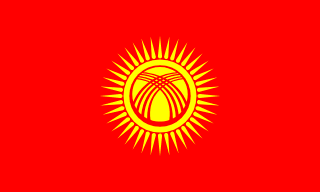
Flag of Kyrgyzstan

Kyrgyzstan

Asia

Kyrgyzstan is a beautiful country located in Central Asia, known for its stunning mountain landscapes and rich cultural heritage. With a population of over 6 million people, Kyrgyzstan is a developing country that has made progress in areas such as healthcare, education, and infrastructure. The country's economy is based on agriculture and mining, and it has been making strides in the tourism industry in recent years.

What would you like to learn about in Kyrgyzstan?

Select a section to explore the country where nonprofits are creating positive change.

About Kyrgyzstan

A Central Asian country of incredible natural beauty and proud nomadic traditions, most of Kyrgyzstan was formally annexed to Russia in 1876. The Kyrgyz staged a major revolt against the Tsarist Empire in 1916 in which almost one-sixth of the Kyrgyz population was killed. Kyrgyzstan became a Soviet republic in 1936 and achieved independence in 1991 when the USSR dissolved. Nationwide demonstrations in the spring of 2005 resulted in the ouster of President Askar AKAEV, who had run the country since 1990. Subsequent presidential elections in July 2005 were won overwhelmingly by former prime minister Kurmanbek BAKIEV. Over the next few years, the new president manipulated the parliament to accrue new powers for himself. In July 2009, after months of harassment against his opponents and media critics, BAKIEV won re-election in a presidential campaign that the international community deemed flawed. In April 2010, violent protests in Bishkek led to the collapse of the BAKIEV regime and his eventual fleeing to Minsk, Belarus. His successor, Roza OTUNBAEVA, served as transitional president until Almazbek ATAMBAEV was inaugurated in December 2011. Continuing concerns include: the trajectory of democratization, endemic corruption, poor interethnic relations, and terrorism.

Quick Facts

Population
5,548,042 (July 2013 est.)
Area
199,951 sq km
ISO Code
KG
Continent
Asia
Government
republic
Active Causes
12
View all countries in Asia

Geography & Environment

Climate

dry continental to polar in high Tien Shan Mountains; subtropical in southwest (Fergana Valley); temperate in northern foothill zone

Terrain

peaks of Tien Shan and associated valleys and basins encompass entire nation

Natural Resources

abundant hydropower; significant deposits of gold and rare earth metals; locally exploitable coal, oil, and natural gas; other deposits of nepheline, mercury, bismuth, lead, and zinc

Environmental Issues

water pollution; many people get their water directly from contaminated streams and wells; as a result, water-borne diseases are prevalent; increasing soil salinity from faulty irrigation practices

People & Society

69.75 years
Avg. Life Expectancy
99.2%
Literacy Rate
35.3% of total population (2011)
Total Urban Population

Languages

Kyrgyz (official) 64.7%, Uzbek 13.6%, Russian (official) 12.5%, Dungun 1%, other 8.2% (1999 census)

Religions

Muslim 75%, Russian Orthodox 20%, other 5%

Health Expenditure

6.2% of GDP (2010) of GDP

Education Expenditure

5.8% of GDP (2010) of GDP

Economy

$2,400
GDP per Capita (PPP)
8.6%
Unemployment Rate
33.7% (2011 est.)
Below Poverty Line

Economic Overview

Kyrgyzstan is a poor, mountainous country with a dominant agricultural sector. Cotton, tobacco, wool, and meat are the main agricultural products, although only tobacco and cotton are exported in any quantity. Industrial exports include gold, mercury, uranium, natural gas, and electricity. The economy depends heavily on gold exports - mainly from output at the Kumtor gold mine - and on remittances from Kyrgyzstani migrant workers primarily in Russia. Following independence, Kyrgyzstan was progressive in carrying out market reforms, such as an improved regulatory system and land reform. Kyrgyzs...

Causes in Kyrgyzstan

Environment

Kyrgyzstan, a landlocked country in Central Asia, is rich in natural beauty with its mountainous terrain and diverse ecosystems. The environment plays a crucial role in the lives of the people of Kyrgyzstan, as it directly affects their livelihoods and well-being. The country faces various environmental challenges, including deforestation, water pollution, and soil degradation. These issues are exacerbated by factors such as unsustainable land use practices, mining activities, and climate change. The degradation of the environment not only threatens the natural habitats and biodiversity of Kyrgyzstan but also impacts the health and livelihoods of its population. It is imperative for both the government and local communities to prioritize sustainable environmental practices to safeguard the country's natural resources for future generations.

Family

Family plays a crucial role in the social fabric of Kyrgyzstan, influencing various aspects of life in the country. In Kyrgyz culture, family is considered the cornerstone of society, with strong ties and close-knit relationships being highly valued. Families in Kyrgyzstan are typically multigenerational, with extended family members often living together or in close proximity, providing support and care for one another. The concept of family extends beyond blood relations to include friends and even neighbors, creating a sense of community and collective responsibility. Family gatherings and celebrations are important occasions that strengthen bonds and maintain traditions. However, changing economic conditions and urbanization have started to impact traditional family structures in Kyrgyzstan, leading to shifts in roles and dynamics within families.

Human Rights

Kyrgyzstan, a Central Asian country known for its scenic landscapes and rich cultural heritage, faces challenges in upholding human rights. The nation has made progress in some areas, such as gender equality and freedom of religion, but issues persist regarding torture, arbitrary detention, and restrictions on freedom of expression. Human rights organizations have raised concerns about the treatment of ethnic minorities and the lack of accountability for human rights violations. The government has taken steps to address these issues, including adopting legislation to protect human rights, but implementation remains a challenge. It is crucial for Kyrgyzstan to continue its efforts to uphold human rights and ensure that all individuals are treated with dignity and respect.

Education

Kyrgyzstan, a landlocked country in Central Asia, faces numerous challenges in its education system that significantly impact its population. The nation's education system struggles with issues such as inadequate infrastructure, limited access to quality education in rural areas, and a lack of resources for both students and educators. These challenges contribute to high dropout rates and low literacy levels among the population. Furthermore, the quality of education is often compromised due to outdated teaching methods and curricula. Despite these challenges, education plays a crucial role in shaping the future of Kyrgyzstan by empowering individuals, fostering economic growth, and promoting social development. By addressing these issues and investing in education, Kyrgyzstan can work towards a brighter future for its citizens.

Poverty

Kyrgyzstan, a landlocked country in Central Asia, has been grappling with significant challenges related to poverty. The nation's economy heavily relies on agriculture and remittances from migrant workers, leaving it vulnerable to external shocks. High levels of poverty persist in rural areas, where access to basic services and infrastructure remains limited. Limited economic opportunities, inadequate social protection systems, and uneven distribution of wealth contribute to the prevalence of poverty in Kyrgyzstan. This issue not only hinders individuals' quality of life but also poses obstacles to the country's overall development and stability. Efforts to combat poverty in Kyrgyzstan require comprehensive strategies that address underlying structural issues and promote equitable growth.

Religion

Religion plays a significant role in the socio-cultural fabric of Kyrgyzstan. The country has a diverse religious landscape, with Islam being the predominant faith practiced by the majority of the population, particularly Sunni Islam. The influence of religion in Kyrgyzstan is deeply ingrained in various aspects of daily life, including social norms, traditions, and governance. Religious institutions and leaders hold considerable sway in shaping public opinion and influencing political decisions. While the constitution of Kyrgyzstan guarantees freedom of religion, tensions between different religious groups have occasionally surfaced, leading to instances of discrimination and conflict. Understanding the complex interplay between religion and society in Kyrgyzstan is crucial for promoting tolerance, harmony, and respect for diverse beliefs.

Clean Water

Kyrgyzstan, a landlocked country in Central Asia, faces significant challenges regarding access to clean water. With a population of over 6 million people, many communities in Kyrgyzstan lack access to safe drinking water due to aging infrastructure, inadequate sanitation facilities, and pollution. The lack of clean water has severe consequences on public health, leading to the spread of waterborne diseases and overall diminished quality of life. Additionally, the scarcity of clean water exacerbates social inequalities, disproportionately affecting vulnerable populations such as children, women, and the elderly. Addressing the issue of clean water in Kyrgyzstan requires concerted efforts from government agencies, non-governmental organizations, and international partners to improve water infrastructure, promote sustainable water management practices, and raise awareness about the importance of water conservation.

Economy

Kyrgyzstan, a landlocked country in Central Asia, is known for its unique blend of nomadic traditions and Soviet-era influence. The economy of Kyrgyzstan heavily relies on agriculture, mining, and remittances from migrant workers abroad. However, the country faces challenges such as political instability, corruption, and inadequate infrastructure, which hinder its economic development. The impact of these factors is evident in the high poverty rates and lack of job opportunities for its citizens. Furthermore, Kyrgyzstan is vulnerable to external economic shocks due to its dependence on remittances and fluctuations in commodity prices. Addressing these issues is crucial for sustainable economic growth and improving the standard of living for the people of Kyrgyzstan.

Government

Kyrgyzstan, a landlocked country in Central Asia, has faced political turmoil and government instability since gaining independence from the Soviet Union in 1991. The government system in Kyrgyzstan is a parliamentary republic, where the president holds significant power alongside the parliament. The impact of government decisions in Kyrgyzstan is profound, influencing various aspects of society such as economy, social welfare, and civil rights. In recent years, the country has experienced several political crises resulting in changes of leadership and widespread protests against corruption and authoritarianism. The government's actions play a significant role in shaping the future of Kyrgyzstan and its people, impacting their daily lives and overall well-being.

Health

Kyrgyzstan, a Central Asian country known for its stunning mountain landscapes and nomadic culture, faces various health challenges that significantly impact its population. The nation grapples with high rates of infectious diseases such as tuberculosis and hepatitis, inadequate healthcare infrastructure in rural areas, and limited access to essential healthcare services. Maternal and child health also remain major concerns, with high rates of infant and maternal mortality. Furthermore, lifestyle-related diseases like cardiovascular conditions and diabetes are on the rise due to changing dietary habits and sedentary lifestyles. Addressing these health issues is crucial for improving the well-being of the Kyrgyzstani people and achieving sustainable development in the country.

Children

Kyrgyzstan, a landlocked country in Central Asia, faces various challenges that impact the well-being of its children. Poverty is a significant issue, with around a third of the population living below the poverty line. This economic hardship often leads to inadequate access to healthcare, education, and proper nutrition for children in Kyrgyzstan. Additionally, the country struggles with high rates of child labor, particularly in rural areas, where children are forced to work to support their families. Furthermore, domestic violence and early marriage remain prevalent, affecting the physical and psychological well-being of children. These factors collectively contribute to a cycle of poverty and vulnerability that many children in Kyrgyzstan endure.

Animals

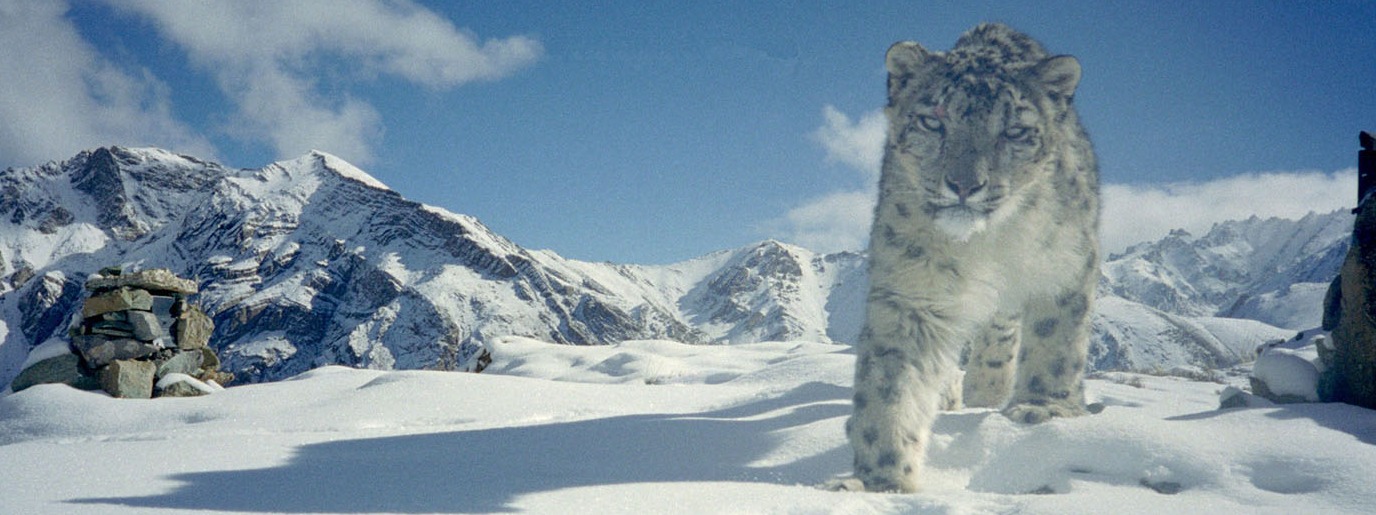
Kyrgyzstan, a country in Central Asia, is home to diverse wildlife that plays a significant role in the country's ecosystem and culture. Animals such as snow leopards, Marco Polo sheep, and Siberian ibex are native to the region and are crucial to maintaining the balance of the Kyrgyzstan's unique mountainous environment. The presence of these animals not only contributes to the biodiversity of the country but also supports the livelihoods of many communities through activities such as ecotourism and traditional hunting practices. However, like many other regions around the world, Kyrgyzstan faces challenges such as habitat loss, poaching, and climate change which threaten the survival of these iconic species. Efforts to protect and conserve the wildlife of Kyrgyzstan are essential to ensure a sustainable future for both the animals and the people who depend on them.

Nonprofits Working in Kyrgyzstan

Discover organizations making a difference in Kyrgyzstan

Make Your Impact Today

Discover causes you care about and support the nonprofits making a difference in communities around the world.

Are you a nonprofit? Join Project World Impact for free

Join Us Free