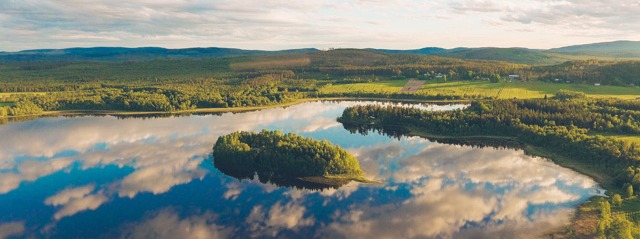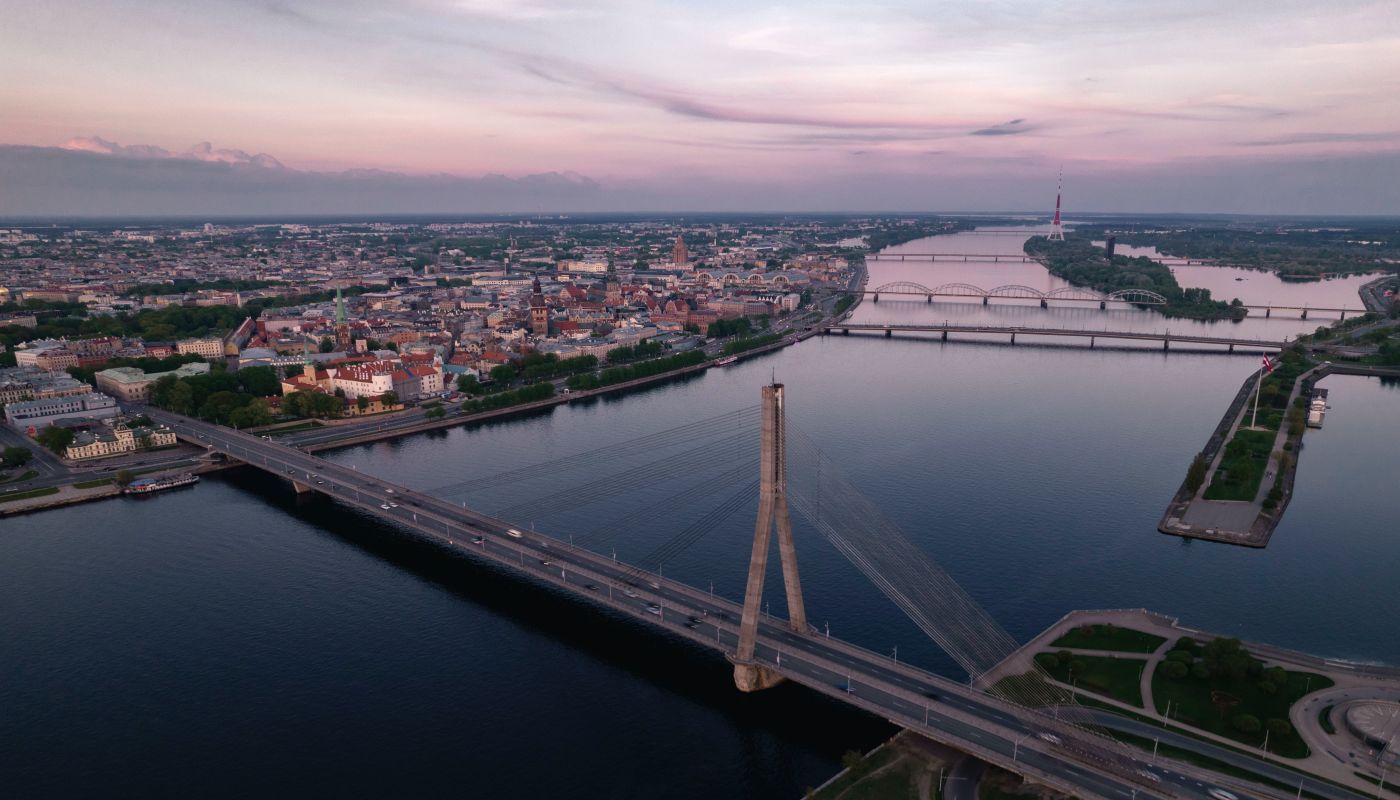
Landscape of Latvia
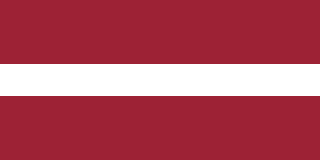
Flag of Latvia

Latvia

Europe

Latvia is a small but dynamic country located in Northern Europe, known for its beautiful forests, beaches, and historic cities. With a population of just over 1.8 million people, Latvia is a highly developed country that has made significant progress in areas such as healthcare, education, and infrastructure. The country's economy is based on services, manufacturing, and agriculture, and it is a member of the European Union and NATO.

What would you like to learn about in Latvia?

Select a section to explore the country where nonprofits are creating positive change.

About Latvia

The name "Latvia" originates from the ancient Latgalians, one of four eastern Baltic tribes that formed the ethnic core of the Latvian people (ca. 8th-12th centuries A.D.). The region subsequently came under the control of Germans, Poles, Swedes, and finally, Russians. A Latvian republic emerged following World War I, but it was annexed by the USSR in 1940 - an action never recognized by the US and many other countries. Latvia reestablished its independence in 1991 following the breakup of the Soviet Union. Although the last Russian troops left in 1994, the status of the Russian minority (some 28% of the population) remains of concern to Moscow. Latvia joined both NATO and the EU in the spring of 2004.

Quick Facts

Population
2,178,443 (July 2013 est.)
Area
64,589 sq km
ISO Code
LV
Continent
Europe
Government
parliamentary democracy
Active Causes
12
View all countries in Europe

Geography & Environment

Climate

maritime; wet, moderate winters

Terrain

low plain

Natural Resources

peat, limestone, dolomite, amber, hydropower, timber, arable land

Environmental Issues

Latvia's environment has benefited from a shift to service industries after the country regained independence; the main environmental priorities are improvement of drinking water quality and sewage sy...

People & Society

73.19 years
Avg. Life Expectancy
99.8%
Literacy Rate
68% of total population (2010)
Total Urban Population

Languages

Latvian (official) 58.2%, Russian 37.5%, Lithuanian and other 4.3% (2000 census)

Religions

Lutheran 19.6%, Orthodox 15.3%, other Christian 1%, other 0.4%, unspecified 63.7% (2006)

Health Expenditure

6.7% of GDP (2010) of GDP

Education Expenditure

5% of GDP (2010) of GDP

Economy

$18,600
GDP per Capita (PPP)
14.3%
Unemployment Rate
NA%
Below Poverty Line

Economic Overview

Latvia is a small, open economy with exports contributing nearly a third of GDP. Due to its geographical location, transit services are highly-developed, along with timber and wood-processing, agriculture and food products, and manufacturing of machinery and electronics industries. Corruption continues to be an impediment to attracting foreign direct investment and Latvia's low birth rate and decreasing population are major challenges to its long-term economic vitality. Latvia's economy experienced GDP growth of more than 10% per year during 2006-07, but entered a severe recession in 2008 as a...

Causes in Latvia

Environment

Latvia, a country in Northern Europe, is deeply affected by environmental issues that have significant impacts on its population and ecosystems. The country faces challenges such as air and water pollution, deforestation, and loss of biodiversity due to industrial activities, agriculture, and urbanization. One of the major concerns in Latvia is air quality, with high levels of particulate matter and nitrogen dioxide posing risks to human health and the environment. Water pollution is another pressing issue, as agricultural runoff and industrial discharges contribute to contamination of rivers and lakes. Deforestation for timber production and land development has led to habitat loss for wildlife species and disruption of ecosystems. These environmental issues not only affect the natural beauty of Latvia but also jeopardize the well-being of its residents and future generations.

Family

In Latvia, family plays a crucial role in the social fabric of the country. The Latvian culture places high value on strong family ties, with extended families often living in close proximity and providing support to one another. Families in Latvia typically consist of parents and children, but can also include grandparents and other relatives. Family is viewed as a source of emotional support, financial assistance, and a sense of belonging. The well-being of the family unit is prioritized, and decisions are often made with the family's best interests in mind. Furthermore, family traditions and celebrations are important aspects of Latvian culture, fostering a sense of unity and continuity across generations.

Human Rights

Latvia, a Baltic country in Northern Europe, has made significant strides in upholding human rights following its independence from the Soviet Union in 1991. The country has ratified numerous international conventions and treaties that promote and protect human rights, such as the International Covenant on Civil and Political Rights and the European Convention on Human Rights. Despite these commitments, challenges remain in ensuring full respect for human rights in Latvia. Issues such as discrimination against ethnic minorities, including Russian speakers, and inadequate protection of the rights of LGBT individuals persist. Additionally, concerns have been raised regarding the treatment of refugees and asylum seekers in the country. Efforts to address these challenges are ongoing, with civil society organizations playing a crucial role in advocating for human rights protection in Latvia.

Education

Education plays a pivotal role in the development and progress of Latvia. As a country that places a high value on education, Latvia has made significant strides in improving its educational system over the years. With a strong emphasis on quality and accessibility, the Latvian government has implemented various reforms to ensure that every individual has access to education regardless of their background. Education in Latvia encompasses a wide range of disciplines, from science and technology to arts and humanities, providing students with a well-rounded education that prepares them for the challenges of the modern world. By investing in education, Latvia is not only empowering its citizens but also driving economic growth and innovation in the country.

Poverty

Latvia, a Baltic country in Northern Europe, has been grappling with the issue of poverty that has significant impacts on its population. According to the European Commission, Latvia faces economic challenges such as low wages, high unemployment rates, and social exclusion, all of which contribute to the prevalence of poverty in the country. The poverty rate in Latvia stands at around 21.8%, with certain segments of the population, such as children and the elderly, being disproportionately affected. Poverty in Latvia not only hinders individuals from accessing basic necessities like adequate housing and healthcare but also limits their opportunities for social mobility and economic advancement. Addressing poverty in Latvia requires a multi-faceted approach that encompasses social welfare policies, education reform, and job creation initiatives to uplift those affected by this pervasive issue.

Religion

Religion in Latvia is a significant aspect of the country's cultural landscape. Historically, Latvia has been influenced by various religions, including Christianity, paganism, and atheism due to its complex history of foreign rule. Despite this diversity, the majority of Latvians identify as non-religious or atheists, with a significant population adhering to Christianity, particularly Lutheranism and Roman Catholicism. Religion plays a less prominent role in Latvian society compared to other European countries, with a focus on secular values and traditions. However, religious freedom is protected by law, and individuals are free to practice their faith without discrimination. Understanding the role of religion in Latvia is essential for appreciating the country's cultural heritage and values.

Clean Water

Latvia, a country located in the Baltic region of Northern Europe, is known for its lush green landscapes and abundant water resources. Clean water plays a crucial role in Latvia's environmental and economic sustainability. With over 12,000 rivers and 3,000 lakes, water is a significant natural asset that supports various industries such as agriculture, forestry, and tourism. However, Latvia faces challenges in maintaining water quality due to pollution from agricultural runoff, industrial discharges, and aging infrastructure. Contaminated water sources can lead to health issues for both humans and wildlife, damage ecosystems, and hinder economic development. To safeguard Latvia's water resources, concerted efforts are needed to implement stricter regulations, invest in modern wastewater treatment facilities, and promote sustainable practices in industries and agriculture.

Economy

Latvia, a small Baltic country in Northern Europe, has undergone significant economic changes since gaining independence from the Soviet Union in 1991. The Latvian economy is characterized by its strong emphasis on exports, particularly in sectors such as timber, agriculture, and manufacturing. The global economic downturn in 2008 hit Latvia hard, leading to a severe recession and a bailout package from the International Monetary Fund and the European Union. Despite this setback, Latvia has since implemented stringent austerity measures and structural reforms, leading to a gradual economic recovery. However, challenges such as high levels of income inequality, youth unemployment, and emigration persist, highlighting the ongoing impact of the economy on the lives of Latvians.

Government

Latvia, a Baltic nation in Northern Europe, has a history shaped by geopolitical influences and societal transformations. The country regained its independence in 1991 after the collapse of the Soviet Union and has since made significant strides towards democratic governance and economic development. The Latvian government plays a crucial role in shaping the country's policies, regulations, and overall direction. It is responsible for safeguarding the rule of law, promoting social welfare, and fostering economic growth through strategic initiatives and partnerships. Additionally, the government's decisions on issues such as education, healthcare, infrastructure, and foreign relations have a direct impact on the lives of Latvian citizens and the country's overall well-being. By understanding the role and impact of the Latvian government, individuals can better appreciate the complexities of governance and contribute to informed discussions on Latvia's future trajectory.

Health

In Latvia, health plays a significant role in shaping the well-being of its population. The country faces various health challenges, including high rates of cardiovascular diseases, cancer, and mental health issues. Factors contributing to these health concerns include lifestyle choices, such as smoking and poor diet, as well as limited access to healthcare services in rural areas. In addition, environmental factors like air pollution also impact public health in Latvia. It is crucial for the Latvian government to prioritize public health initiatives and invest in healthcare infrastructure to improve the overall health outcomes of its citizens.

Children

In Latvia, children face various challenges that impact their well-being and development. Poverty remains a significant issue, with approximately one in four children living at risk of poverty or social exclusion. This can lead to inadequate access to education, healthcare, and proper nutrition, hindering their overall growth and opportunities for the future. Furthermore, mental health issues among children are on the rise, with a lack of resources and support systems exacerbating the situation. Addressing these challenges requires a multi-faceted approach involving government intervention, community support, and advocacy for children's rights.

Animals

Animals in Latvia play a significant role in the country's biodiversity and cultural heritage. The diverse ecosystems, including dense forests, rivers, and wetlands, provide habitats for a rich array of wildlife. However, numerous threats such as habitat loss, pollution, and climate change jeopardize the well-being of Latvia's animals. Endangered species like the European mink and Eurasian lynx are particularly vulnerable to these pressures. Conservation efforts led by organizations like the Latvian Fund for Nature aim to protect these species and their habitats through research, advocacy, and education. Increasing public awareness about the importance of preserving Latvia's wildlife is crucial for ensuring a sustainable future for both animals and humans in the country.

Nonprofits Working in Latvia

Discover organizations making a difference in Latvia

Make Your Impact Today

Discover causes you care about and support the nonprofits making a difference in communities around the world.

Are you a nonprofit? Join Project World Impact for free

Join Us Free