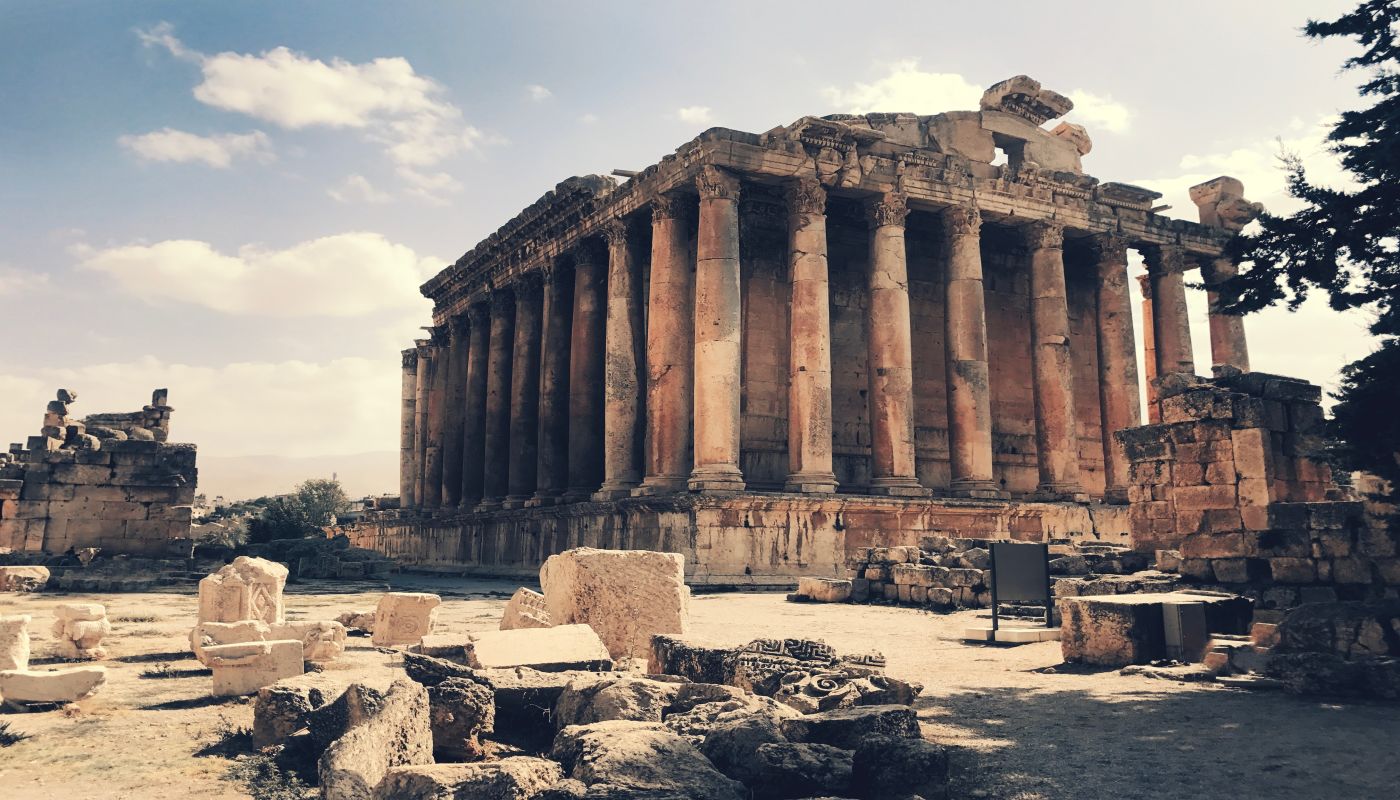
Landscape of Lebanon
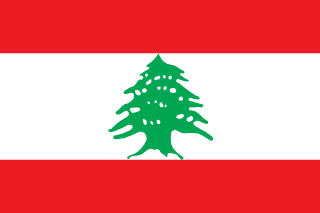
Flag of Lebanon

Lebanon

Asia

Lebanon is a diverse and culturally rich country located in the Middle East, known for its beautiful beaches, mountains, and historic cities. With a population of over 6 million people, Lebanon is a developing country that has faced numerous challenges in recent years, including political instability and economic crisis. Despite these challenges, the country has a highly educated workforce and a vibrant entrepreneurial spirit, and it has made progress in areas such as healthcare, education, and infrastructure.

What would you like to learn about in Lebanon?

Select a section to explore the country where nonprofits are creating positive change.

About Lebanon

Following World War I, France acquired a mandate over the northern portion of the former Ottoman Empire province of Syria. The French demarcated the region of Lebanon in 1920 and granted this area independence in 1943. Since independence the country has been marked by periods of political turmoil interspersed with prosperity built on its position as a regional center for finance and trade. The country's 1975-90 civil war that resulted in an estimated 120,000 fatalities, was followed by years of social and political instability. Sectarianism is a key element of Lebanese political life. Neighboring Syria has long influenced Lebanon's foreign policy and internal policies, and its military occupied Lebanon from 1976 until 2005. The Lebanon-based Hizballah militia and Israel continued attacks and counterattacks against each other after Syria's withdrawal, and fought a brief war in 2006. Lebanon's borders with Syria and Israel remain unresolved.

Quick Facts

Population
4,131,583 (July 2013 est.)
Area
10,400 sq km
ISO Code
LB
Continent
Asia
Government
republic
Active Causes
12
View all countries in Asia

Geography & Environment

Climate

Mediterranean; mild to cool, wet winters with hot, dry summers; Lebanon mountains experience heavy winter snows

Terrain

narrow coastal plain; El Beqaa (Bekaa Valley) separates Lebanon and Anti-Lebanon Mountains

Natural Resources

limestone, iron ore, salt, water-surplus state in a water-deficit region, arable land

Environmental Issues

deforestation; soil erosion; desertification; air pollution in Beirut from vehicular traffic and the burning of industrial wastes; pollution of coastal waters from raw sewage and oil spills

People & Society

75.46 years
Avg. Life Expectancy
89.6%
Literacy Rate
87.2% of total population (2011)
Total Urban Population

Languages

Arabic (official), French, English, Armenian

Religions

Muslim 59.7% (Shia, Sunni, Druze, Isma'ilite, Alawite or Nusayri), Christian 39% (Maronite Catholic, Greek Orthodox, Melkite Catholic, Armenian Orthod...

Health Expenditure

7% of GDP (2010) of GDP

Education Expenditure

1.7% of GDP (2011) of GDP

Economy

$16,000
GDP per Capita (PPP)
NA%
Unemployment Rate
28% (1999 est.)
Below Poverty Line

Economic Overview

Lebanon has a free-market economy and a strong laissez-faire commercial tradition. The government does not restrict foreign investment; however, the investment climate suffers from red tape, corruption, arbitrary licensing decisions, complex customs procedures, high taxes, tariffs, and fees, archaic legislation, and weak intellectual property rights. The Lebanese economy is service-oriented; main growth sectors include banking and tourism. The 1975-90 civil war seriously damaged Lebanon's economic infrastructure, cut national output by half, and derailed Lebanon's position as a Middle Eastern...

Causes in Lebanon

Environment

Lebanon, a small country in the Middle East, faces significant environmental challenges that have profound effects on its population and economy. The country's unique geography, characterized by a diverse landscape of mountains, coastline, and valleys, is increasingly threatened by deforestation, soil erosion, and air and water pollution. Rapid urbanization and unsustainable agricultural practices have exacerbated these issues, leading to the degradation of natural habitats and the loss of biodiversity. Furthermore, Lebanon is particularly vulnerable to the impacts of climate change, including more frequent and severe droughts, heatwaves, and extreme weather events. These environmental challenges not only jeopardize the health and well-being of Lebanon's citizens but also pose serious risks to the country's agricultural productivity, tourism industry, and overall economic stability.

Family

Lebanon, a country situated in the Middle East, is deeply rooted in its cultural and societal values, with family playing a central role in shaping the lives of its people. Family serves as the cornerstone of Lebanese society, influencing various aspects of daily life including decision-making, support systems, and social structures. In Lebanon, familial ties are strong and often extend beyond immediate family members to include extended relatives as well. This close-knit familial structure fosters a sense of belonging, support, and tradition among individuals. However, this deep reliance on family can also give rise to challenges such as pressure to conform to societal norms and expectations, potential conflicts within familial relationships, and limited individual autonomy. Understanding the significant impact of family dynamics in Lebanon is crucial for addressing social issues and promoting holistic well-being in the country.

Human Rights

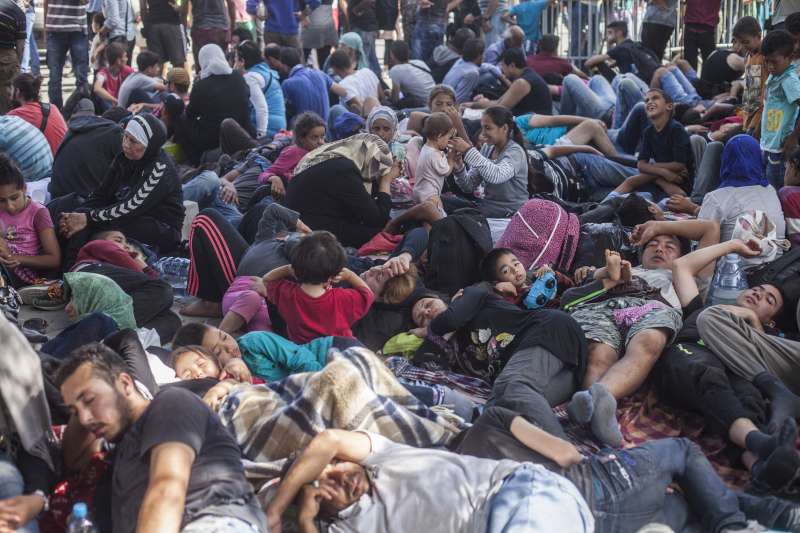
Lebanon, a country located in the Middle East, has faced numerous challenges related to human rights. The Lebanese people have been impacted by a range of issues, including political instability, economic crises, and social inequality. The lack of basic human rights protections has further exacerbated these problems, leading to widespread discrimination, particularly against marginalized groups such as refugees, migrant workers, and women. The government's failure to address these issues has resulted in a climate of impunity and injustice. It is crucial for Lebanon to prioritize human rights reforms to ensure the well-being and dignity of all its citizens.

Education

Lebanon, a country located in the Middle East, faces various challenges that significantly impact its population, particularly in the realm of education. The Lebanese education system has been strained by political instability, economic hardships, and the influx of refugees from neighboring countries. These factors have contributed to overcrowded classrooms, limited resources, and disparities in access to quality education. Furthermore, the COVID-19 pandemic has exacerbated these issues, leading to widespread school closures and disruptions to learning. In Lebanon, education plays a crucial role in shaping the future of individuals and the nation as a whole. By addressing the challenges faced by the education system, Lebanon can empower its citizens, foster social and economic development, and build a more resilient society.

Poverty

Lebanon is a country in the Middle East that has been deeply affected by poverty, with approximately a third of its population living below the national poverty line. The impact of poverty in Lebanon is profound, manifesting in widespread economic disparities, limited access to basic services such as healthcare and education, and high levels of unemployment. Poverty exacerbates social inequalities, leading to increased social tensions and political instability. The Syrian refugee crisis has further strained resources and exacerbated poverty levels in the country. Addressing poverty in Lebanon requires concerted efforts from both the government and international organizations to implement sustainable economic policies, improve social services, and support vulnerable populations. By raising awareness about the root causes and impacts of poverty in Lebanon, we can work towards creating a more just and equitable society for all its citizens.

Religion

Lebanon, a diverse nation in the Middle East, is characterized by a complex religious landscape that significantly influences its social, political, and cultural spheres. The country is home to multiple religious communities, with Islam and Christianity being the two predominant faiths. The coexistence of these religious groups has historically shaped Lebanon's identity but has also been a source of tension and conflict. The Lebanese political system is built on a delicate power-sharing arrangement among different religious sects, contributing to sectarian divisions and political instability. Additionally, religious affiliations often dictate social norms and practices, impacting aspects of daily life such as marriage, education, and even employment opportunities. Understanding the role of religion in Lebanon is essential for comprehending the country's intricate dynamics and fostering dialogue and tolerance among its diverse communities.

Clean Water

Lebanon faces significant challenges in ensuring access to clean water for its population. The country's water resources are under immense pressure due to pollution, mismanagement, and inadequate infrastructure. The lack of clean water has wide-reaching impacts on public health, agriculture, and the environment in Lebanon. Contaminated water sources contribute to the spread of waterborne diseases, posing a serious threat to the health and well-being of the Lebanese people. Additionally, unreliable access to clean water hinders agricultural productivity and exacerbates food insecurity in the country. Addressing the issue of clean water is crucial for Lebanon's sustainable development and the health of its population.

Economy

Lebanon, a country located in the Middle East, has been facing significant economic challenges that have had profound effects on its population. The Lebanese economy has been marred by high levels of public debt, political instability, and corruption, leading to a severe financial crisis. This crisis has resulted in a sharp depreciation of the Lebanese pound, soaring inflation rates, and widespread unemployment. As a result, many Lebanese people have been struggling to make ends meet, with limited access to basic necessities such as food and healthcare. The economic turmoil has also exacerbated social tensions and driven mass protests across the country. Addressing the economic issues facing Lebanon is crucial to improving the living conditions of its people and fostering stability in the region.

Health

Lebanon, a country located in the Middle East, faces significant health challenges that profoundly impact its population. The healthcare system in Lebanon has been under strain due to political instability, economic crises, and the impact of the COVID-19 pandemic. These factors have led to a shortage of medical supplies, inadequate healthcare infrastructure, and limited access to quality healthcare services for many Lebanese citizens. Additionally, the influx of refugees from neighboring countries has further stretched the country's healthcare resources. As a result, many individuals in Lebanon struggle to receive timely and effective medical care, leading to worsened health outcomes and increased mortality rates. Raising awareness about the healthcare issues in Lebanon is crucial to garner support for improved healthcare infrastructure and services, ultimately benefiting the health and well-being of the Lebanese population.

Children

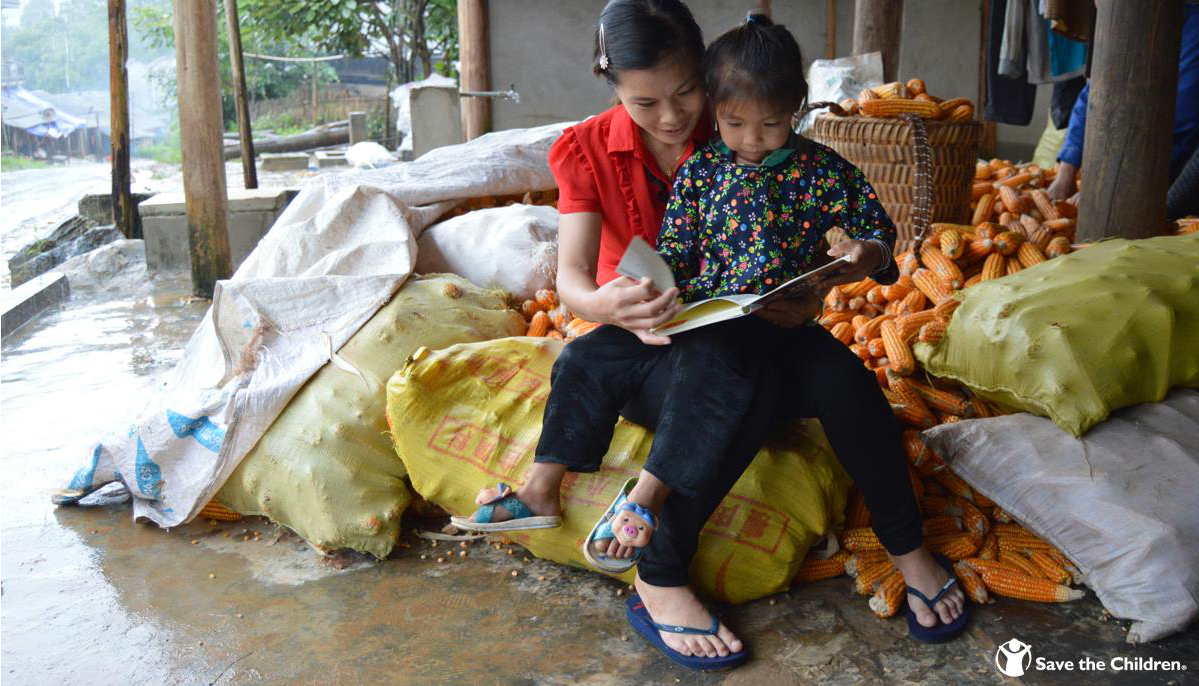
Lebanon, a country located in the Middle East, is facing numerous challenges that are significantly impacting its children. The ongoing economic crisis, exacerbated by political instability and the devastating explosion in Beirut in 2020, has left many children in Lebanon vulnerable to poverty, lack of access to education, and poor healthcare services. According to a report by Save the Children, over 30% of Lebanese children are living below the poverty line, with many families struggling to provide basic necessities for their children. This situation has also led to an increase in child labor and exploitation, as families desperate for income are forced to send their children to work instead of school. Additionally, the strain on the healthcare system has resulted in inadequate medical care for children, leading to a decline in their overall well-being. It is crucial for both local and international communities to come together to support the children of Lebanon during this challenging time and ensure they have access to essential services and opportunities for a better future. Source: Save the Children - Lebanon Country Office. (2021). "Child Poverty in Lebanon: A Rapid Multi-Dimensional Analysis." Retrieved from https://www.savethechildren.org/content/dam/usa/reports/advocacy/child-poverty-in-lebanon-rapid-analysis.pdf

Government

Lebanon, a country situated in the Middle East, has been grappling with a multitude of challenges, with government inefficiency being a prominent issue. The Lebanese government's impact on its citizens has been profound, as corruption and mismanagement have led to economic instability, social unrest, and inadequate public services. The lack of effective governance has hindered Lebanon's development and exacerbated existing problems, such as high unemployment rates and widespread poverty. Additionally, political polarization and sectarianism have further complicated the country's governance, making it difficult to enact much-needed reforms. The Lebanese people continue to bear the brunt of these governance failures, with their quality of life deteriorating amidst ongoing crises. It is crucial for the government to address these issues effectively to improve the well-being of its citizens and foster sustainable development.

Animals

Lebanon, a country known for its rich history and cultural heritage, is also home to a diverse array of wildlife. From the majestic Lebanese cedar tree to the endangered Persian fallow deer, animals play a vital role in Lebanon's ecosystem. However, rapid urbanization, deforestation, pollution, and illegal hunting pose significant threats to the country's fauna. Many species are at risk of extinction due to habitat loss and degradation. In addition, the welfare of domestic animals in Lebanon is a growing concern, with reports of neglect and abuse on the rise. Efforts to raise awareness about animal conservation and welfare are crucial to safeguard Lebanon's natural heritage for future generations.

Nonprofits Working in Lebanon

Discover organizations making a difference in Lebanon

Make Your Impact Today

Discover causes you care about and support the nonprofits making a difference in communities around the world.

Are you a nonprofit? Join Project World Impact for free

Join Us Free