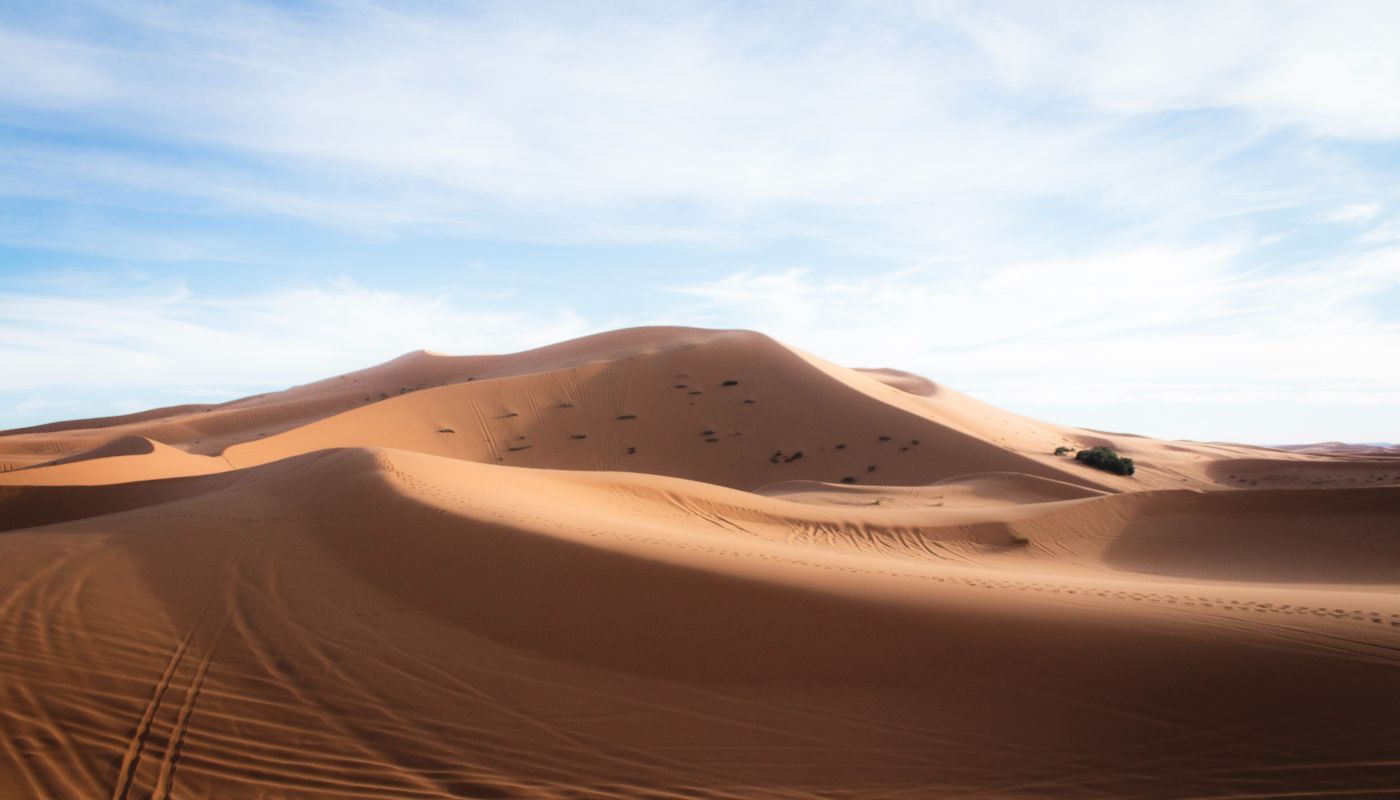
Landscape of Libya
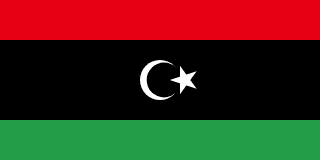
Flag of Libya

Libya

Africa

Libya is a diverse country located in North Africa, known for its beautiful deserts, beaches, and historic ruins. With a population of over 6 million people, Libya is a developing country that has faced numerous challenges in recent years, including political instability and conflict. Despite these challenges, the country has a highly educated workforce and a rich cultural heritage, and it has made progress in areas such as healthcare, education, and infrastructure.

What would you like to learn about in Libya?

Select a section to explore the country where nonprofits are creating positive change.

About Libya

The Italians supplanted the Ottoman Turks in the area around Tripoli in 1911 and did not relinquish their hold until 1943 when defeated in World War II. Libya then passed to UN administration and achieved independence in 1951. Following a 1969 military coup, Col. Muammar al-QADHAFI assumed leadership and began to espouse his political system at home, which was a combination of socialism and Islam. During the 1970s, QADHAFI used oil revenues to promote his ideology outside Libya, supporting subversive and terrorist activities that included the downing of two airliners - one over Scotland, another in Northern Africa - and a discotheque bombing in Berlin. UN sanctions in 1992 isolated QADHAFI politically and economically following the attacks; sanctions were lifted in 2003 following Libyan acceptance of responsibility for the bombings and agreement to claimant compensation. QADHAFI also agreed to end Libya's program to develop weapons of mass destruction, and he made significant strides in normalizing relations with Western nations. Unrest that began in several Middle Eastern and North African countries in late 2010 erupted in Libyan cities in early 2011. QADHAFI's brutal crackdown on protesters spawned a civil war that triggered UN authorization of air and naval intervention by the international community. After months of seesaw fighting between government and opposition forces, the QADHAFI regime was toppled in mid-2011 and replaced by a transitional government. Libya in 2012 formed a new parliament and elected a new prime minister.

Quick Facts

Population
6,002,347 (July 2013 est.)
Area
1,759,540 sq km
ISO Code
LY
Continent
Africa
Government
operates under a transitional government
Active Causes
12
View all countries in Africa

Geography & Environment

Climate

Mediterranean along coast; dry, extreme desert interior

Terrain

mostly barren, flat to undulating plains, plateaus, depressions

Natural Resources

petroleum, natural gas, gypsum

Environmental Issues

desertification; limited natural freshwater resources; the Great Manmade River Project, the largest water development scheme in the world, brings water from large aquifers under the Sahara to coastal...

People & Society

75.83 years
Avg. Life Expectancy
89.5%
Literacy Rate
77.7% of total population (2011)
Total Urban Population

Languages

Arabic (official), Italian, English (all widely understood in the major cities); Berber (Nafusi, Ghadamis, Suknah, Awjilah, Tamasheq)

Religions

Sunni Muslim (official) 97%, other 3%

Health Expenditure

3.9% of GDP (2010) of GDP

Education Expenditure

NA of GDP

Economy

$12,300
GDP per Capita (PPP)
30%
Unemployment Rate
NA%
Below Poverty Line

Economic Overview

Libya's economy is structured primarily around the nation's energy sector, which generates about 95% of export earnings, 80% of GDP, and 99% of government income. Substantial revenue from the energy sector coupled with a small population give Libya one of the highest per capita GDPs in Africa, but Tripoli largely has not used its significant financial resources to develop national infrastructure or the economy, leaving many citizens poor. In the final five years of QADHAFI''s rule, Libya made some progress on economic reform as part of a broader campaign to reintegrate the country into the int...

Causes in Libya

Environment

Libya, situated in North Africa, faces significant environmental challenges that impact its people and resources. The country's arid climate and limited water resources pose a threat to its agricultural sector, making it highly susceptible to droughts and desertification. Rapid urbanization and industrialization have led to pollution of air, water, and soil, further exacerbating environmental degradation. Moreover, ongoing conflicts have damaged critical infrastructure and disrupted environmental conservation efforts. Addressing these environmental issues is crucial for Libya's sustainable development and the well-being of its population.

Family

In Libya, family plays a significant role in shaping societal norms and values, as well as in providing emotional and financial support to individuals. The concept of family extends beyond the nuclear unit to include extended family members, often forming tight-knit networks of support. Families in Libya are typically patriarchal, with the father or eldest male member holding authority and making decisions that impact the entire family. Family gatherings and celebrations are important events that strengthen familial bonds and reinforce traditions. However, challenges such as economic instability, political unrest, and armed conflict have placed strain on Libyan families, leading to disruptions in family life and dynamics. It is crucial to understand the intricate role of family in Libyan society to address social issues effectively and support individuals and communities in need.

Human Rights

Libya has faced significant challenges with regards to human rights, particularly in the aftermath of the 2011 revolution that led to the overthrow of Muammar Gaddafi. The country has been plagued by armed conflicts, political instability, and a lack of effective governance, all of which have had a profound impact on the human rights situation in Libya. Reports from reputable sources such as Amnesty International and Human Rights Watch have highlighted widespread violations, including arbitrary detention, torture, enforced disappearances, and extrajudicial killings. Additionally, vulnerable groups such as migrants and refugees have been particularly at risk, facing exploitation and abuse. Addressing these human rights issues in Libya is crucial to fostering peace, stability, and respect for the rule of law in the country.

Education

Education in Libya plays a crucial role in shaping the country's future. Despite efforts to improve educational opportunities, Libya continues to face challenges in providing quality education to its population. The country has been plagued by political instability and conflict, which have disrupted the educational system, leading to a shortage of resources, qualified teachers, and infrastructure. As a result, many children are denied access to education, perpetuating cycles of poverty and inequality. Addressing these issues and investing in education is vital for Libya's development and stability. By providing quality education to all its citizens, Libya can empower its youth, boost economic growth, and foster social cohesion.

Poverty

Libya, a country in North Africa, has been grappling with high levels of poverty, which have far-reaching impacts on its population and development. The root causes of poverty in Libya are multifaceted and include political instability, lack of economic diversification, inadequate infrastructure, and a fragile social safety net. The poverty rate in Libya stands at approximately 33%, with disparities between urban and rural areas exacerbating the issue. The consequences of poverty in Libya are profound, leading to limited access to education, healthcare, and basic services for a significant portion of the population. Addressing poverty in Libya requires concerted efforts from the government, international organizations, and civil society to implement sustainable development strategies that promote economic growth and social inclusion.

Religion

Religion plays a significant role in the socio-political landscape of Libya. The country is predominantly Muslim, with Sunni Islam being the dominant faith practiced by the majority of the population. Religious beliefs and practices influence various aspects of Libyan society, including politics, law, and cultural norms. Islam serves as a guiding force in shaping personal conduct and societal values. However, religious diversity exists in Libya, with small minorities practicing other faiths such as Christianity and indigenous religions. Despite the constitutional provision for religious freedom, tensions and conflicts rooted in religious differences have been observed in the country, particularly between Sunni Muslims and other religious groups. Understanding the complexities of religion in Libya is crucial for fostering peaceful coexistence and promoting harmonious relations among its diverse population.

Clean Water

Libya, a North African country with a largely arid climate, faces significant challenges in accessing clean water. The country's water resources are limited, with most of its population dependent on groundwater sources that are at risk of depletion and contamination. The lack of adequate infrastructure and political instability have further hindered efforts to ensure access to safe drinking water for all Libyans. The scarcity of clean water has serious implications for public health, leading to waterborne diseases and exacerbating existing health issues. Addressing the issue of clean water in Libya requires sustainable management of water resources, investment in infrastructure, and political stability to ensure equitable access for all residents.

Economy

Libya, located in North Africa, has faced economic challenges that have significantly impacted its population. The country's economy heavily relies on oil production as a crucial source of revenue. Political instability, conflicts, and disruptions in oil production have led to economic downturns, high unemployment rates, and inflation. The lack of diversification in the economy has made Libya vulnerable to fluctuations in global oil prices, further exacerbating its economic woes. These challenges have directly affected the livelihoods of the people, leading to poverty and limited access to basic services. Addressing these economic issues is crucial to stabilizing Libya and improving the well-being of its citizens.

Government

Libya, a country located in North Africa, has been deeply affected by political instability and conflict over the years. The government plays a significant role in shaping the country's future and impacting the lives of its citizens. The lack of a stable and effective government has led to economic challenges, social unrest, and security issues within Libya. The ongoing power struggle between various factions and militias has hindered efforts to establish a functional government that can provide essential services and ensure the well-being of the population. This instability has also created a vacuum that allows extremist groups to thrive, further exacerbating the situation. It is crucial for Libya to achieve political stability and establish a legitimate government that can address the needs of its people and promote peace and development in the country.

Health

Health in Libya faces significant challenges due to the country's ongoing political instability and conflict. The healthcare system in Libya has been severely strained, resulting in limited access to quality medical services for its population. In addition, the lack of infrastructure, medical supplies, and healthcare professionals further exacerbate the health crisis in the country. The situation is further compounded by the impact of the COVID-19 pandemic, which has put additional strain on an already fragile healthcare system. Addressing these challenges and improving the health infrastructure in Libya is crucial to ensuring the well-being of its citizens and building a more stable and prosperous nation.

Children

In Libya, children face numerous challenges that significantly impact their lives. The ongoing political instability and armed conflict have led to widespread displacement, lack of access to education and healthcare, and exposure to violence and exploitation. The country's fragile security situation has also made children vulnerable to recruitment by armed groups. Moreover, the economic crisis has exacerbated poverty levels, leaving many children without adequate nutrition and living in precarious conditions. These factors collectively contribute to a humanitarian crisis that has a profound impact on the well-being and development of Libya's children.

Animals

Libya, a country located in North Africa, faces various challenges when it comes to animal welfare. The impact of animals on Libyan society is significant, as livestock such as sheep, goats, and camels play a crucial role in the nation's economy and traditional way of life. However, inadequate animal welfare standards and practices pose a threat to the well-being of these animals. Issues such as lack of access to proper veterinary care, poor housing conditions, and limited resources for animal protection contribute to the suffering of animals in Libya. Additionally, the illegal wildlife trade and poaching further endanger the country's biodiversity. By addressing these issues and promoting responsible animal care practices, Libya can work towards ensuring the welfare and conservation of its animal population.

Nonprofits Working in Libya

Discover organizations making a difference in Libya

Make Your Impact Today

Discover causes you care about and support the nonprofits making a difference in communities around the world.

Are you a nonprofit? Join Project World Impact for free

Join Us Free