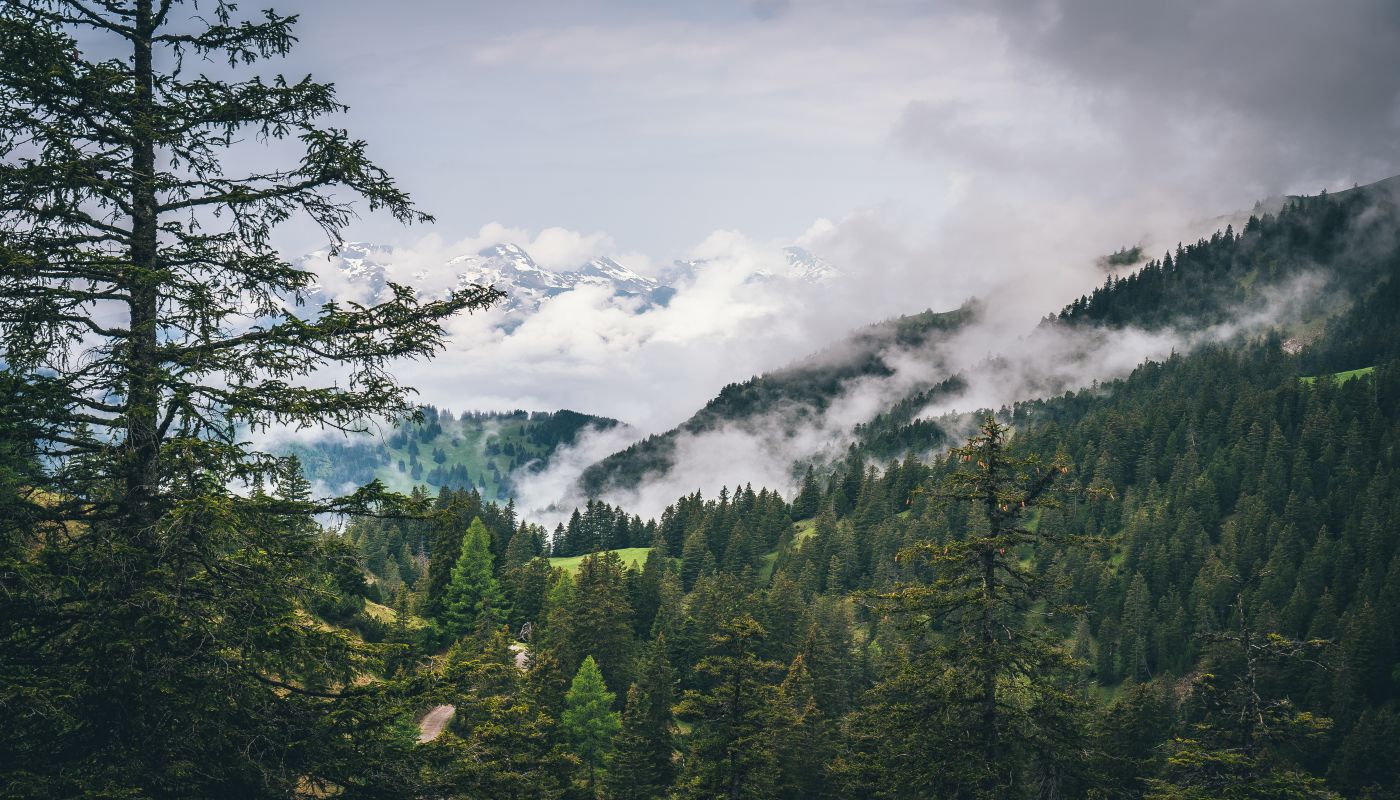
Landscape of Liechtenstein
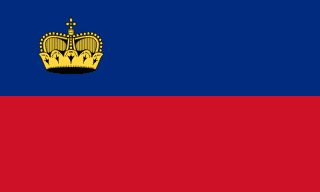
Flag of Liechtenstein

Liechtenstein

Europe

Liechtenstein is a small but prosperous country located in Central Europe, known for its stunning mountain scenery and high standard of living. With a population of just over 38,000 people, Liechtenstein is one of the smallest countries in the world, but it has a highly developed economy that is based on finance and manufacturing. The country has a long history of political stability and is known for its strong social welfare system.

What would you like to learn about in Liechtenstein?

Select a section to explore the country where nonprofits are creating positive change.

About Liechtenstein

The Principality of Liechtenstein was established within the Holy Roman Empire in 1719. Occupied by both French and Russian troops during the Napoleonic Wars, it became a sovereign state in 1806 and joined the Germanic Confederation in 1815. Liechtenstein became fully independent in 1866 when the Confederation dissolved. Until the end of World War I, it was closely tied to Austria, but the economic devastation caused by that conflict forced Liechtenstein to enter into a customs and monetary union with Switzerland. Since World War II (in which Liechtenstein remained neutral), the country's low taxes have spurred outstanding economic growth. In 2000, shortcomings in banking regulatory oversight resulted in concerns about the use of financial institutions for money laundering. However, Liechtenstein implemented anti-money laundering legislation and a Mutual Legal Assistance Treaty with the US that went into effect in 2003.

Quick Facts

Population
37,009 (July 2013 est.)
Area
160 sq km
ISO Code
LI
Continent
Europe
Government
hereditary constitutional monarchy
Active Causes
12
View all countries in Europe

Geography & Environment

Climate

continental; cold, cloudy winters with frequent snow or rain; cool to moderately warm, cloudy, humid summers

Terrain

mostly mountainous (Alps) with Rhine Valley in western third

Natural Resources

hydroelectric potential, arable land

Environmental Issues

NA

People & Society

81.59 years
Avg. Life Expectancy
100%
Literacy Rate
14% of total population (2010)
Total Urban Population

Languages

German (official), Alemannic dialect

Religions

Roman Catholic (official) 76.2%, Protestant 7%, unknown 10.6%, other 6.2% (June 2002)

Education Expenditure

2.1% of GDP (2008) of GDP

Economy

$89,400
GDP per Capita (PPP)
2.5%
Unemployment Rate
NA%
Below Poverty Line

Economic Overview

Despite its small size and limited natural resources, Liechtenstein has developed into a prosperous, highly industrialized, free-enterprise economy with a vital financial service sector and likely the second highest per capita income in the world. The Liechtenstein economy is widely diversified with a large number of small businesses. Low business taxes - the maximum tax rate is 20% - and easy incorporation rules have induced many holding companies to establish nominal offices in Liechtenstein providing 30% of state revenues. The country participates in a customs union with Switzerland and use...

Causes in Liechtenstein

Environment

Liechtenstein, a small landlocked country situated between Switzerland and Austria, faces significant environmental challenges due to its limited land area and high population density. The impacts of climate change, such as increasing temperatures and changing weather patterns, pose a threat to Liechtenstein's biodiversity and natural habitats. The country's reliance on hydroelectric power generation contributes to its commitment to sustainable energy practices, but deforestation and land degradation remain pressing issues. Additionally, as a member of international agreements like the Paris Agreement, Liechtenstein recognizes the importance of global cooperation in addressing environmental concerns. By promoting conservation efforts and implementing eco-friendly policies, Liechtenstein aims to mitigate the adverse effects of climate change and preserve its natural resources for future generations.

Family

Family plays a significant role in Liechtenstein, a small landlocked country nestled between Switzerland and Austria. In Liechtenstein, family is considered the cornerstone of society, with strong emphasis placed on traditional family values and close-knit family structures. The family unit is highly regarded for providing support, care, and stability to individuals throughout their lives. Family ties are deeply rooted in the country's culture and customs, influencing decision-making processes, social interactions, and overall well-being. This emphasis on family cohesion contributes to the country's low crime rate, high levels of social trust, and overall sense of community. Family-oriented policies and programs further reinforce the importance of family in Liechtenstein's society, promoting family-friendly workplaces, parental leave benefits, and childcare support. Overall, the strong emphasis on family in Liechtenstein reflects a commitment to nurturing healthy relationships and social well-being within the community.

Human Rights

Liechtenstein, a small landlocked country in Central Europe, has made significant strides in upholding human rights within its borders. Despite its size, Liechtenstein has shown a commitment to promoting and protecting human rights through various initiatives and policies. The country has ratified key international human rights treaties and conventions, demonstrating its dedication to upholding fundamental freedoms and rights for all individuals. Liechtenstein continues to work towards creating a more inclusive and equitable society where human rights are respected and upheld.

Education

Education in Liechtenstein plays a pivotal role in shaping the country's economy, society, and future prospects. As a small, landlocked nation nestled in the Alps, Liechtenstein boasts a highly developed education system that emphasizes quality and innovation. The country places a strong emphasis on vocational training and higher education, ensuring its workforce is skilled and adaptable to the demands of a modern economy. With a high literacy rate of nearly 100%, education is seen as a cornerstone for social mobility and economic growth in Liechtenstein. The government's investment in education, coupled with strong public-private partnerships, has positioned Liechtenstein as a knowledge-based economy with a workforce that is well-equipped to thrive in today's competitive global landscape.

Poverty

Liechtenstein, a small landlocked country in Central Europe, is known for its high standard of living and robust economy. However, poverty remains a pressing issue that affects a segment of the population. Despite the country's overall wealth, there are individuals and families who struggle to make ends meet due to various factors such as high living costs, lack of affordable housing, and limited employment opportunities. Poverty in Liechtenstein is often associated with social exclusion, inadequate access to healthcare and education, and barriers to social mobility. Addressing poverty in Liechtenstein requires targeted interventions that aim to provide support and opportunities for those in need.

Religion

Liechtenstein, a small landlocked country located in Central Europe, has a predominantly Christian population with Roman Catholicism being the most widely practiced religion. Religion plays a significant role in Liechtenstein's society, influencing its cultural norms, traditions, and values. The close ties between religion and the state are reflected in the country's history and governance structures. Religious holidays are celebrated with fervor, showcasing the strong influence of Christianity on Liechtenstein's national identity. However, in recent years, there has been a noticeable decline in religious participation among the younger population, indicating shifting attitudes towards traditional beliefs and practices. It is important to recognize the impact of religion on Liechtenstein's society to better understand its people and their way of life.

Economy

Liechtenstein, a small landlocked country situated in Central Europe, boasts a stable and prosperous economy driven by its highly industrialized and diversified sectors. The country's economy heavily relies on manufacturing, financial services, and tourism. Liechtenstein is known for its strong banking sector, which has traditionally been a key contributor to its economic growth. The country's favorable tax policies and business-friendly environment have attracted many multinational corporations to establish their headquarters in the country, further boosting its economy. However, Liechtenstein also faces challenges such as limited natural resources and dependence on foreign markets for trade. The economic well-being of Liechtenstein is crucial for the livelihoods of its residents and overall development of the country.

Government

Liechtenstein, a small landlocked country situated in Central Europe, has a unique political system where the government plays a significant role in shaping its society. The Principality of Liechtenstein is a constitutional monarchy with a parliamentary democracy. The government consists of a hereditary prince and a democratically elected parliament. The government in Liechtenstein is responsible for making and enforcing laws, managing the economy, providing public services, and representing the country internationally. The political stability and efficient governance of Liechtenstein have facilitated economic prosperity and social well-being for its citizens. Government policies in areas such as finance, business regulations, and social welfare have a direct impact on the lives of Liechtenstein's residents.

Health

Liechtenstein, a small landlocked country nestled in the heart of Europe, boasts a high standard of living and a strong economy. However, when it comes to health, Liechtenstein faces challenges that can impact its population. With an aging demographic and an increasing prevalence of chronic diseases, such as cardiovascular conditions and diabetes, the healthcare system in Liechtenstein is under pressure to provide quality care to its citizens. Additionally, mental health issues are on the rise, highlighting the need for increased support and resources in this area. Addressing these health challenges is crucial to ensuring the well-being of the people of Liechtenstein and maintaining a healthy society.

Clean Water

Liechtenstein, a small landlocked country in Europe, faces challenges related to clean water despite its relatively small size. The country's limited water resources are primarily sourced from rivers and groundwater. The issue of water pollution, mainly from agricultural activities, poses a threat to the quality of water in Liechtenstein. As a result, ensuring access to clean water for its population is crucial for public health and environmental sustainability. Efforts to monitor water quality and implement effective wastewater treatment systems are essential to safeguarding this valuable resource in Liechtenstein.

Children

Liechtenstein, a small landlocked country in Europe, faces various challenges related to children. Despite being one of the wealthiest countries in the world, issues like child poverty, access to education, and healthcare for children persist. The high cost of living and lack of affordable housing exacerbate these problems, affecting the well-being of children in Liechtenstein. Additionally, social disparities and cultural norms can also impact children's mental and emotional development. By addressing these issues and implementing policies that prioritize the needs of children, Liechtenstein can work towards ensuring a better future for its young population.

Animals

Liechtenstein, a small landlocked country nestled in the heart of Europe, showcases a rich diversity of wildlife despite its compact size. The fauna of Liechtenstein, which includes species such as red deer, chamois, golden eagles, and alpine marmots, plays a crucial role in the country's ecosystem by contributing to its biodiversity and maintaining a delicate balance within its natural habitats. However, like many other regions around the world, Liechtenstein faces challenges such as habitat loss, climate change, and human-wildlife conflicts that threaten its animal populations. Conservation efforts and sustainable practices are essential to safeguarding the welfare of Liechtenstein's wildlife for future generations. By raising awareness about the importance of preserving these animals and their habitats, we can strive towards a harmonious coexistence between humans and wildlife in Liechtenstein.

Make Your Impact Today

Discover causes you care about and support the nonprofits making a difference in communities around the world.

Are you a nonprofit? Join Project World Impact for free

Join Us Free