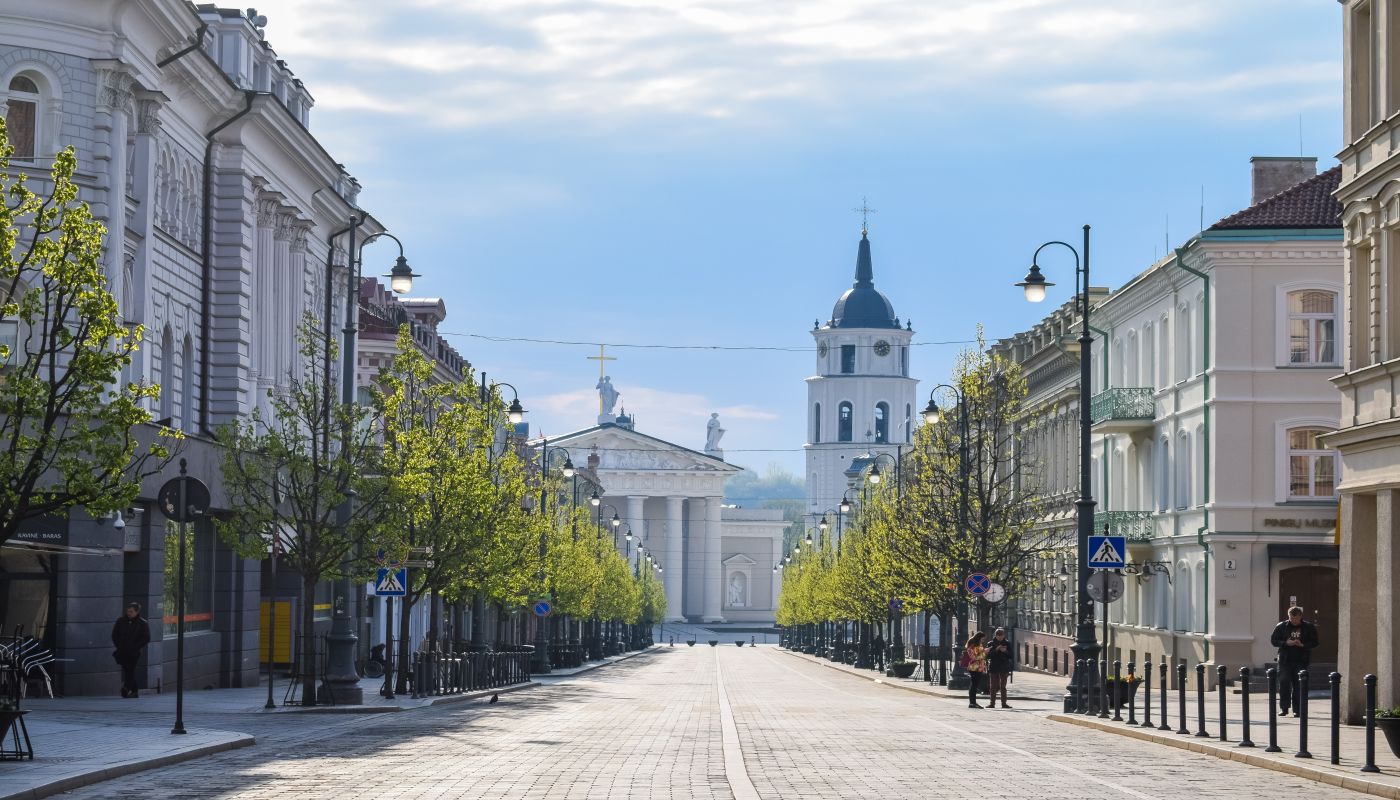
Landscape of Lithuania
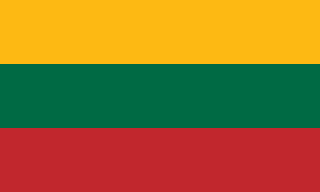
Flag of Lithuania

Lithuania

Europe

Lithuania is a beautiful country located in Northern Europe, known for its stunning beaches, forests, and historic cities along the Baltic Sea. With a population of over 2.7 million people, Lithuania is a highly developed country that has made significant progress in areas such as healthcare, education, and infrastructure. The country's economy is based on services, manufacturing, and agriculture.

What would you like to learn about in Lithuania?

Select a section to explore the country where nonprofits are creating positive change.

About Lithuania

Lithuanian lands were united under MINDAUGAS in 1236; over the next century, through alliances and conquest, Lithuania extended its territory to include most of present-day Belarus and Ukraine. By the end of the 14th century Lithuania was the largest state in Europe. An alliance with Poland in 1386 led the two countries into a union through the person of a common ruler. In 1569, Lithuania and Poland formally united into a single dual state, the Polish-Lithuanian Commonwealth. This entity survived until 1795 when its remnants were partitioned by surrounding countries. Lithuania regained its independence following World War I but was annexed by the USSR in 1940 - an action never recognized by the US and many other countries. On 11 March 1990, Lithuania became the first of the Soviet republics to declare its independence, but Moscow did not recognize this proclamation until September of 1991 (following the abortive coup in Moscow). The last Russian troops withdrew in 1993. Lithuania subsequently restructured its economy for integration into Western European institutions; it joined both NATO and the EU in the spring of 2004.

Quick Facts

Population
3,515,858 (July 2013 est.)
Area
65,300 sq km
ISO Code
LT
Continent
Europe
Government
parliamentary democracy
Active Causes
12
View all countries in Europe

Geography & Environment

Climate

transitional, between maritime and continental; wet, moderate winters and summers

Terrain

lowland, many scattered small lakes, fertile soil

Natural Resources

peat, arable land, amber

Environmental Issues

contamination of soil and groundwater with petroleum products and chemicals at military bases

People & Society

75.77 years
Avg. Life Expectancy
99.7%
Literacy Rate
67% of total population (2010)
Total Urban Population

Languages

Lithuanian (official) 82%, Russian 8%, Polish 5.6%, other and unspecified 4.4% (2001 census)

Religions

Roman Catholic 79%, Russian Orthodox 4.1%, Protestant (including Lutheran and Evangelical Christian Baptist) 1.9%, other or unspecified 5.5%, none 9.5...

Health Expenditure

7% of GDP (2010) of GDP

Education Expenditure

5.7% of GDP (2009) of GDP

Economy

$22,000
GDP per Capita (PPP)
14.9%
Unemployment Rate
4% (2008)
Below Poverty Line

Economic Overview

Lithuania gained membership in the World Trade Organization and joined the EU in May 2004. Despite its EU accession, Lithuania's trade with its Central and Eastern European neighbors, and Russia in particular, accounts for a significant share of total trade. Foreign investment and business support have helped in the transition from the old command economy to a market economy. Lithuania's economy grew on average 8% per year for the four years prior to 2008 driven by exports and domestic demand. Lithuania''s GDP plunged nearly 15% in 2009. The three former Soviet Baltic republics were among the...

Causes in Lithuania

Environment

Lithuania, nestled in the Baltic region of Europe, is a country marked by its rich biodiversity and stunning natural landscapes. However, the environmental challenges faced by Lithuania are significant. The country's environment is heavily impacted by pollution from industrial activities, agriculture, and transportation. Air pollution, water contamination, and soil degradation are pressing issues that adversely affect the health of both the population and the ecosystem. Additionally, Lithuania is particularly vulnerable to climate change, experiencing shifts in temperature and precipitation patterns that threaten its delicate ecosystems and agricultural productivity. It is crucial for Lithuania to prioritize sustainable practices and conservation efforts to mitigate these environmental threats and protect its natural heritage for future generations.

Family

In Lithuania, family holds significant importance as it is viewed as the cornerstone of society, shaping the values and traditions of its people. The concept of family in Lithuania extends beyond the nuclear unit to include extended relatives, creating a strong sense of community and support. Families in Lithuania are known for their close-knit relationships, with family gatherings and celebrations playing a central role in maintaining connections and preserving cultural heritage. The influence of family can be seen in various aspects of Lithuanian life, from decision-making processes to the passing down of customs and beliefs through generations. Despite evolving societal norms, the traditional values of respect for elders and familial duty remain deeply ingrained in Lithuanian culture, highlighting the enduring impact of family ties on individuals and communities.

Human Rights

Lithuania, a European nation with a rich cultural heritage, has made significant strides in upholding human rights within its borders. The country has ratified numerous international treaties and conventions aimed at protecting the rights of its citizens, such as the European Convention on Human Rights and the International Covenant on Civil and Political Rights. Despite these efforts, challenges persist, particularly in areas such as discrimination against vulnerable populations, including ethnic minorities and the LGBTQ+ community. Human rights violations continue to be reported, highlighting the need for ongoing efforts to address these issues and promote a more inclusive society. By raising awareness of these challenges, we can work towards creating a more just and equitable future for all residents of Lithuania.

Education

Lithuania, a country in the Baltic region of Europe, has a rich history and a strong emphasis on education. The education system in Lithuania plays a crucial role in shaping the country's future by providing its citizens with the necessary knowledge and skills to contribute to society effectively. Education is highly valued in Lithuania, with a focus on promoting academic excellence and fostering a culture of lifelong learning. The impact of education in Lithuania is evident in its high literacy rates, skilled workforce, and innovative research output. Furthermore, education plays a significant role in promoting social mobility and reducing inequality in the country. By investing in education, Lithuania is not only securing its economic prosperity but also building a more inclusive and equitable society for its citizens.

Poverty

Lithuania, a small Baltic nation in Northern Europe, has been grappling with significant poverty-related challenges. Despite being one of the fastest-growing economies in the European Union, poverty remains a pressing issue in Lithuania, with a considerable portion of its population living below the poverty line. The impact of poverty in Lithuania is multifaceted, affecting various aspects of society such as health, education, and overall well-being. High levels of poverty have been linked to inadequate access to healthcare services, limited educational opportunities, and a higher risk of social exclusion. Addressing poverty in Lithuania requires a comprehensive approach that includes targeted social policies and initiatives aimed at reducing income inequality and improving social welfare programs.

Religion

Religion has played a significant role in shaping the cultural and social fabric of Lithuania. Historically, the country has a strong Catholic tradition, with the majority of its population identifying as Roman Catholic. This religious affiliation has deeply influenced various aspects of Lithuanian society, including ethics, values, and traditions. The Catholic Church has also been a central institution in Lithuania, providing guidance and support to its followers. However, in recent years, there has been a noticeable decline in religious adherence, with a growing number of Lithuanians identifying as non-religious or agnostic. This shift reflects broader trends of secularization and changing attitudes towards organized religion in modern society. Despite this trend, religion continues to hold significance for many Lithuanians, shaping their identities and worldview.

Clean Water

Lithuania, a country situated in the Baltic region of Europe, faces significant challenges when it comes to clean water. Despite having abundant water resources, pollution from industrial activities, agriculture, and inadequate wastewater treatment facilities pose a threat to the quality of water in the country. The impact of contaminated water is far-reaching, affecting not only the environment but also public health. Polluted water sources can lead to waterborne diseases, harming both humans and wildlife. Additionally, it can have detrimental effects on aquatic ecosystems and biodiversity. As a result, ensuring access to clean water and implementing effective water management practices are crucial for the well-being of Lithuania's population and the preservation of its natural resources.

Economy

Lithuania, a Baltic country in Northern Europe, has experienced significant economic growth since gaining independence from the Soviet Union in 1990. The economy of Lithuania is classified as high-income and is one of the fastest-growing economies in the European Union. The country has a well-developed financial sector and boasts a high level of economic freedom. However, despite these advancements, Lithuania still faces challenges such as income inequality, youth unemployment, and emigration of skilled workers seeking better opportunities abroad. The economy heavily relies on exports, particularly in sectors like manufacturing, information technology, and agriculture. The government has been implementing various measures to attract foreign investment and stimulate domestic entrepreneurship to ensure sustainable economic development for the country's future.

Government

Lithuania, a Baltic state in Northern Europe, is a country with a rich history and a population of approximately 2.8 million people. The government of Lithuania plays a significant role in shaping the country's social, economic, and political landscape. The government system in Lithuania is a parliamentary democracy, where the President serves as the head of state and the Prime Minister as the head of government. The government is responsible for making and implementing laws, managing public finances, providing public services, and representing Lithuania on the international stage. The government's policies and decisions have a direct impact on the lives of Lithuanian citizens, influencing areas such as healthcare, education, infrastructure, and foreign relations. By understanding how the Lithuanian government operates and the impact it has on its people, we can gain a deeper appreciation for the complexities of governance in this European nation.

Health

Lithuania, a country in the Baltic region of Europe, faces various health challenges that significantly impact its population. The country's health system has been strained by high rates of non-communicable diseases such as cardiovascular diseases, cancer, and respiratory diseases, which are major contributors to the country's mortality rate. Additionally, the prevalence of risk factors like smoking, alcohol consumption, and poor diet further exacerbate the health issues faced by the Lithuanian population. Limited access to healthcare services in certain regions of the country also poses a barrier to receiving timely and adequate medical care. Addressing these health challenges in Lithuania requires a comprehensive approach that includes promoting healthy lifestyles, improving healthcare infrastructure, and increasing access to quality healthcare services for all residents.

Children

In Lithuania, children face various challenges that impact their well-being and development. Poverty remains a significant issue, with approximately one-quarter of Lithuanian children living below the poverty line. This economic disadvantage often leads to inadequate access to education, healthcare, and other essential services, perpetuating a cycle of inequality. Furthermore, the country has a high rate of child abuse and neglect, affecting the physical and mental health of many Lithuanian children. These adverse experiences can have long-lasting effects on their overall growth and future opportunities. It is crucial for policymakers and communities to address these issues effectively to ensure a brighter future for the children of Lithuania.

Animals

Lithuania, situated in Northern Europe, boasts a rich biodiversity with various species of animals inhabiting its forests, wetlands, and coastal areas. The presence of these animals plays a crucial role in maintaining the ecological balance of the country. Animals such as European bison, wolves, lynx, and numerous bird species are not only integral to the natural ecosystems but also contribute to the country's cultural heritage and tourism industry. However, Lithuania faces challenges such as habitat loss, climate change, and illegal poaching that threaten the well-being of these animals. Conservation efforts are underway to protect and preserve the diverse wildlife in Lithuania for future generations to appreciate and enjoy.

Nonprofits Working in Lithuania

Discover organizations making a difference in Lithuania

Make Your Impact Today

Discover causes you care about and support the nonprofits making a difference in communities around the world.

Are you a nonprofit? Join Project World Impact for free

Join Us Free