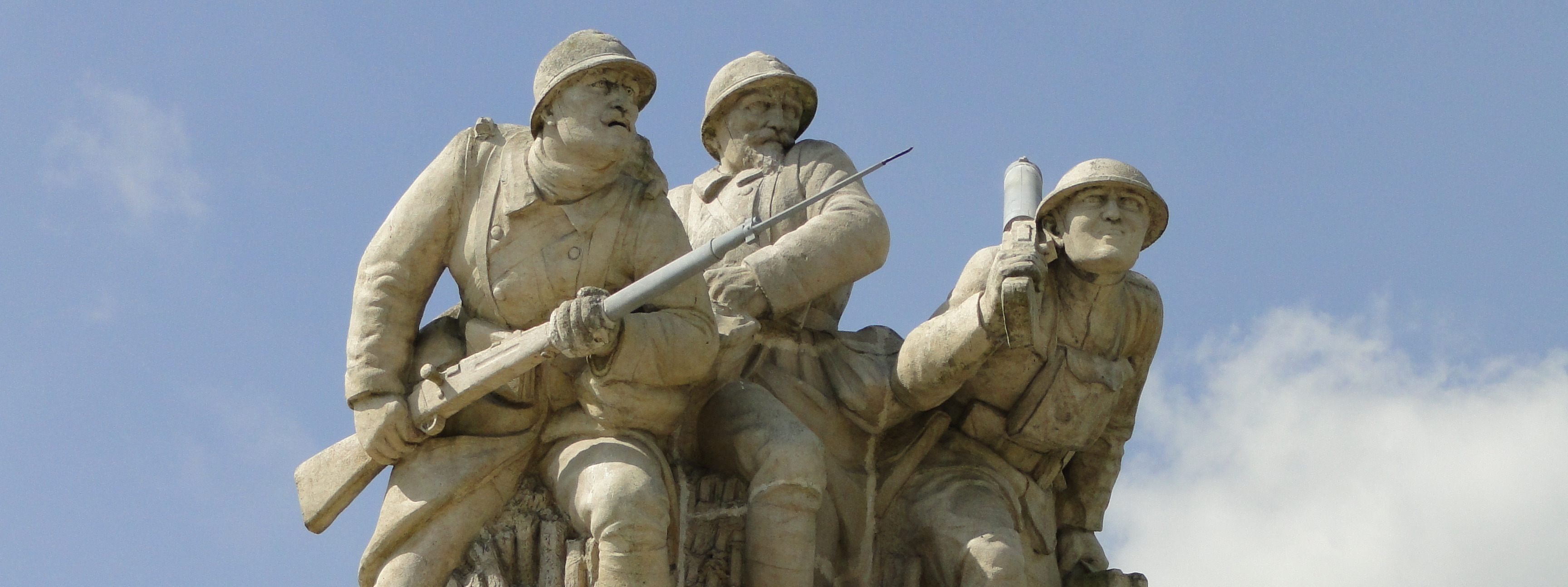
Landscape of Luxembourg
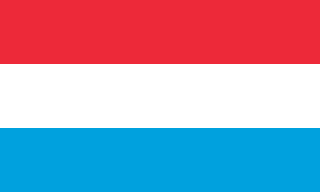
Flag of Luxembourg

Luxembourg

Europe

Luxembourg is wealthy country located in Western Europe, known for its high standard of living and historic castles. With a population of just over 600,000 people, Luxembourg is one of the smallest countries in Europe, but it has a highly developed economy that is based on finance and services. The country has a long history of political stability and is a founding member of the European Union.

What would you like to learn about in Luxembourg?

Select a section to explore the country where nonprofits are creating positive change.

About Luxembourg

Founded in 963, Luxembourg became a grand duchy in 1815 and an independent state under the Netherlands. It lost more than half of its territory to Belgium in 1839 but gained a larger measure of autonomy. Full independence was attained in 1867. Overrun by Germany in both world wars, it ended its neutrality in 1948 when it entered into the Benelux Customs Union and when it joined NATO the following year. In 1957, Luxembourg became one of the six founding countries of the European Economic Community (later the European Union), and in 1999 it joined the euro currency area. In January 2013, Luxembourg assumed a nonpermanent seat on the UN Security Council for the 2013-14 term.

Quick Facts

Population
514,862 (July 2013 est.)
Area
2,586 sq km
ISO Code
LU
Continent
Europe
Government
constitutional monarchy
Active Causes
12
View all countries in Europe

Geography & Environment

Climate

modified continental with mild winters, cool summers

Terrain

mostly gently rolling uplands with broad, shallow valleys; uplands to slightly mountainous in the north; steep slope down to Moselle flood plain in the southeast

Natural Resources

iron ore (no longer exploited), arable land

Environmental Issues

air and water pollution in urban areas, soil pollution of farmland

People & Society

79.88 years
Avg. Life Expectancy
100%
Literacy Rate
85% of total population (2010)
Total Urban Population

Languages

Luxembourgish (national language), German (administrative language), French (administrative language)

Religions

Roman Catholic 87%, other (includes Protestant, Jewish, and Muslim) 13% (2000)

Health Expenditure

7.8% of GDP (2010) of GDP

Education Expenditure

3.8% of GDP (2001) of GDP

Economy

$81,100
GDP per Capita (PPP)
6%
Unemployment Rate
NA%
Below Poverty Line

Economic Overview

This small, stable, high-income economy - benefiting from its proximity to France, Belgium, and Germany - has historically featured solid growth, low inflation, and low unemployment. The industrial sector, initially dominated by steel, has become increasingly diversified to include chemicals, rubber, and other products. Growth in the financial sector, which now accounts for about 27% of GDP, has more than compensated for the decline in steel. Most banks are foreign-owned and have extensive foreign dealings, but Luxembourg has lost some of its advantages as a favorable tax location because of O...

Causes in Luxembourg

Family

In Luxembourg, family plays a vital role in shaping societal structures and individual well-being. The country values strong family ties, with multigenerational households being common. Families in Luxembourg often provide a support system that extends beyond immediate relatives to include extended family members. This close-knit family network contributes to social stability and cohesion within the country. Moreover, family-oriented policies, such as generous parental leave and childcare support, underscore the government's recognition of the importance of family in Luxembourgish society. By prioritizing family values, Luxembourg aims to foster a nurturing environment for individuals to thrive and contribute positively to the community.

Education

Luxembourg, a small yet prosperous European country, places a significant emphasis on education as a cornerstone of its economic and social development. The nation's education system is known for its high quality and accessibility, with education being compulsory for children up to the age of 16. The government invests heavily in education, leading to a well-educated population that plays a crucial role in driving Luxembourg's economy, particularly its financial services sector. Furthermore, the emphasis on multilingualism in schools, with Luxembourgish, French, German, and English being taught from an early age, enhances the country's global competitiveness and fosters cultural diversity. Education in Luxembourg not only equips individuals with the necessary skills for employment but also promotes social cohesion and empowers citizens to actively participate in society.

Poverty

Luxembourg, a small European country known for its high standard of living, is not immune to the issue of poverty. Despite being one of the wealthiest nations in the world, poverty remains a pressing concern for a segment of its population. The high cost of living, lack of affordable housing, and limited job opportunities for certain demographics contribute to the persistence of poverty in Luxembourg. According to the European Anti-Poverty Network, approximately 15% of the population in Luxembourg is at risk of poverty or social exclusion. This figure underscores the importance of addressing the root causes of poverty in order to ensure a more equitable society for all residents of Luxembourg.

Religion

Luxembourg, a small landlocked country in Western Europe, is known for its cultural diversity and rich history. Religion has played a significant role in shaping the social fabric of Luxembourg. The predominant religion in Luxembourg is Christianity, with Roman Catholicism being the most widely practiced faith. The influence of religion can be seen in various aspects of Luxembourgish society, including traditions, holidays, and moral values. Despite the decline in religious observance in recent years, many Luxembourg residents still hold strong religious beliefs that guide their daily lives. Interfaith dialogue and cooperation are encouraged to promote understanding and unity among different religious communities in the country.

Clean Water

Luxembourg, a small but prosperous European country, is known for its high standard of living and strong economy. Clean water plays a crucial role in the well-being of its population and the sustainability of its environment. With its advanced water treatment facilities and strict regulations, Luxembourg ensures that its citizens have access to safe and clean drinking water. This not only promotes public health but also supports various industries, such as tourism and agriculture, that rely on water resources. Additionally, maintaining clean water sources helps preserve the natural beauty of Luxembourg's landscapes, contributing to its reputation as a green and eco-friendly nation. As such, investing in the protection of clean water is essential for Luxembourg to continue thriving economically and environmentally.

Economy

Luxembourg, a small European country, boasts a robust and prosperous economy that significantly shapes its societal dynamics and overall well-being. With a high GDP per capita and strong financial services sector, the nation has established itself as a global financial hub. The economy of Luxembourg is heavily reliant on the financial sector, steel industry, and increasingly on digital services. This economic prosperity has translated into a high standard of living for its residents, making it one of the wealthiest countries in the world. However, this affluence also brings challenges such as income inequality and rising living costs, particularly in housing. It is important to recognize that while Luxembourg's economy fuels growth and development, there is a need to address these socio-economic disparities to ensure a more equitable society for all.

Government

Luxembourg, a small country nestled in the heart of Europe, is known for its strong economy and high standard of living. The Government of Luxembourg plays a crucial role in shaping the country's socio-economic landscape. With a stable political system and a focus on innovation and technology, the government has implemented policies to attract foreign investment and promote sustainable growth. Additionally, Luxembourg has a well-developed social welfare system that provides its citizens with access to quality healthcare, education, and social services. The government's commitment to environmental sustainability is evident through its initiatives to reduce carbon emissions and promote renewable energy sources. Overall, the government of Luxembourg plays a significant role in ensuring the prosperity and well-being of its people.

Health

Luxembourg, a small landlocked country in Western Europe, boasts a high standard of living and a robust economy. Despite its affluence, health remains a critical concern for its population. The impact of health on Luxembourg is profound, with the country facing challenges such as rising obesity rates, an aging population, and increasing healthcare costs. The government of Luxembourg has been taking steps to address these issues through initiatives aimed at promoting healthy lifestyles, improving access to healthcare services, and enhancing preventive measures. However, more efforts are needed to ensure the well-being of the population in the face of these health challenges.

Children

Luxembourg, a small European country known for its high standard of living and robust economy, is also home to a significant number of children whose well-being and development are crucial for the nation's future. Children in Luxembourg face various challenges that can impact their lives, including issues related to education, healthcare, and social integration. While the country provides comprehensive support systems and services for children, there are still areas that require attention to ensure that every child in Luxembourg has equal opportunities to thrive and reach their full potential. By raising awareness about the needs of children in Luxembourg, we can work towards creating a more inclusive and supportive environment for the younger generation.

Environment

Luxembourg, a landlocked country in Western Europe, is not immune to the impacts of environmental issues that plague our world today. Despite its small size, Luxembourg faces challenges such as air pollution, water quality degradation, and loss of biodiversity. The country's industrial activities, transportation sector, and urbanization contribute to these environmental concerns. For instance, air pollution from traffic and industrial activities poses a threat to public health and the environment. Water pollution from agriculture and urban runoff affects the quality of rivers and groundwater. Furthermore, habitat destruction due to urban sprawl and infrastructure development leads to a decline in biodiversity. Luxembourg recognizes the importance of sustainable development and has implemented various policies and initiatives to address these environmental challenges. However, collective efforts from individuals, businesses, and policymakers are crucial to safeguarding the environment for future generations.

Human Rights

Luxembourg, a small but prosperous nation in Western Europe, has made significant strides in upholding human rights within its borders. With a strong commitment to democracy and the rule of law, Luxembourg has implemented various policies and initiatives to protect the rights of its citizens. The government of Luxembourg actively engages in promoting gender equality, combating discrimination, and ensuring freedom of speech and assembly. Despite these efforts, challenges remain, particularly in addressing issues such as discrimination against vulnerable populations and ensuring equal access to justice for all individuals. Continued advocacy and awareness-raising efforts are crucial to further advance human rights in Luxembourg and create a more inclusive society for everyone.

Animals

Luxembourg, a small landlocked country in Western Europe, is home to a rich variety of flora and fauna. Animals in Luxembourg play a crucial role in maintaining the country's ecosystem and biodiversity. The diverse habitats found in Luxembourg, including forests, rivers, and wetlands, support a wide range of animal species such as red deer, wild boar, European beavers, and various bird species. However, like many other countries, Luxembourg faces challenges related to habitat loss, climate change, and pollution that threaten the well-being of its animal populations. Conservation efforts and sustainable practices are essential to safeguarding the natural habitats and wildlife in Luxembourg for future generations.

Nonprofits Working in Luxembourg

Discover organizations making a difference in Luxembourg

CORDELL HULL FOUNDATION FOR INTERNATIONAL EDUCATION

CORDELL HULL FOUNDATION FOR INTERNATIONAL EDUCATION

The Cordell Hull Foundation, a nonprofit 501(c)(3) corporation, is active in sponsoring exchange programs for qualifying teachers from six continents. Currently, teachers hail from more than fifty countries including Argentina, Australia, Austria, Belgium, Bolivia, Brazil, Botswana, Bulgaria, Canada, Chile, China, Colombia, Costa Rica, Croatia, The Czech Republic, Denmark, The Dominican Republic, El Salvador, Ecuador, England, France, Germany, Greece, Guatemala, Honduras, Hungary, India, Ireland, Italy, Japan, Korea, Lebanon, Luxembourg, Mexico, Nepal, The Netherlands, Nicaragua, Nigeria, Panama, Peru, Russia, South Africa, Scotland, Spain, Sri Lanka, Switzerland, Taiwan, Thailand, Turkey, Ukraine, Uruguay, Venezuela, and Wales. After enjoying the experience of teaching in the United States on a temporary basis, program participants return home to share wonderful memories and positive feedback on American culture.

New York, New York
American War Memorials Overseas, Inc.

American War Memorials Overseas, Inc.

American War Memorials Overseas works to document, promote, and preserve non-government supported War Memorials honoring Americans outside of the USA to ensure these monuments remain part of local communities forever. (Our mission is to help care for those private memorials and gravesites where the US government has no responsibility.) War Memorials commemorate our shared past, and overseas war memorials honoring Americans are an important symbol of America's international engagement. American War Memorials Overseas seeks to cooperate with other organizations, at international, national, and local levels, to better safeguard the future of War Memorials honoring Americans overseas in both their social and historical context. American War Memorials Overseas is a 501(c) (3) nonprofit corporation and as such is entirely dependent on donated funds. AWMO seeks to receive funding from individual contributions, corporate contributions, and private foundation grants.

Wilmington, Delaware

Make Your Impact Today

Discover causes you care about and support the nonprofits making a difference in communities around the world.

Are you a nonprofit? Join Project World Impact for free

Join Us Free