Macau
Asia
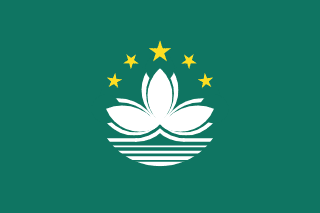
Macau has a population of approximately 670,000 people. Macau is a special administrative region of China, located on the southern coast of the country. Macau also has a rich history and cultural heritage, with a unique blend of Chinese and Portuguese influences.
The territory has faced challenges related to its dependence on the gambling industry and its vulnerability to economic fluctuations. Efforts are underway to diversify the economy and promote sustainable development, including investments in tourism, education, and technology.
What would you like to learn about in Macau?
Select a section to explore the country where nonprofits are creating positive change.
Macau has a population of approximately 670,000 people. Macau is a special administrative region of China, located on the southern coast of the country. Macau also has a rich history and cultural heritage, with a unique blend of Chinese and Portuguese influences.
The territory has faced challenges related to its dependence on the gambling industry and its vulnerability to economic fluctuations. Efforts are underway to diversify the economy and promote sustainable development, including investments in tourism, education, and technology.
Causes in Macau
Environment
Macau, a Special Administrative Region of China, faces significant environmental challenges that impact its population and infrastructure. Its small land area and high population density contribute to pollution levels that exceed World Health Organization guidelines. The region's rapid urbanization and industrialization have led to air and water pollution, as well as waste management issues. Additionally, Macau is vulnerable to climate change, with rising sea levels threatening its low-lying areas. The government has implemented initiatives to address these concerns, such as promoting renewable energy and enhancing waste management practices. However, continued efforts are needed to safeguard Macau's environment for future generations.
Family
In Macau, family plays a significant role in shaping the social fabric of the region. The concept of family extends beyond the nuclear unit to include extended family members, with strong bonds and close-knit relationships forming the foundation of society. Family values such as respect for elders, filial piety, and communal support are deeply ingrained in Macau's culture and traditions. These values influence various aspects of life, including decision-making, social interactions, and community cohesion. The importance of family is reflected in the emphasis placed on gatherings, celebrations, and maintaining connections with relatives. In times of joy or hardship, families in Macau come together to provide emotional support and assistance, reinforcing the sense of unity and solidarity within the community.
(Source: Leung, F. (2013). Family and Social Change in Contemporary Macau: Personal Life, Culture, and Social Change. Singapore: Springer.)
Human Rights
Macau, as a Special Administrative Region of China, faces complex issues regarding human rights. Despite being recognized for its economic prosperity and vibrant culture, concerns persist regarding freedom of expression, assembly, and association. The government's close relationship with Beijing has led to increased self-censorship among media outlets and limitations on political activities. Discrimination against marginalized groups, such as migrant workers and non-resident workers, also remains a prominent issue. Furthermore, there are ongoing debates over the protection of civil liberties and the need for comprehensive legal reforms to uphold human rights standards in Macau. It is imperative for stakeholders to address these challenges and work towards safeguarding the fundamental rights of all individuals within the region.
Education
In Macau, a Special Administrative Region of China, education plays a crucial role in shaping the socio-economic landscape of the region. With a strong emphasis on academic excellence, Macau's educational system is highly competitive and rigorous. Education is seen as a pathway to success and social mobility, leading to high literacy rates and skilled workforce in various sectors such as gaming, tourism, and finance. However, despite these achievements, disparities exist in access to quality education among different socio-economic groups. Addressing these disparities through inclusive and equitable education policies is essential for ensuring sustainable development and prosperity in Macau.
Poverty
Macau, a Special Administrative Region of China, is known for its vibrant tourism and booming casino industry. However, beneath its glitzy facade, poverty remains a pressing issue for a significant portion of its population. Despite being one of the wealthiest regions in the world, with a high GDP per capita, income inequality is prevalent in Macau. The soaring cost of living, limited job opportunities outside the tourism sector, and lack of affordable housing contribute to the persistence of poverty in the region. According to the Social Welfare Bureau of Macau, approximately 10% of the population lives below the poverty line, struggling to meet their basic needs. Addressing poverty in Macau requires comprehensive policies focusing on income redistribution, social welfare programs, and sustainable economic development to ensure a more equitable society for all residents.
Religion
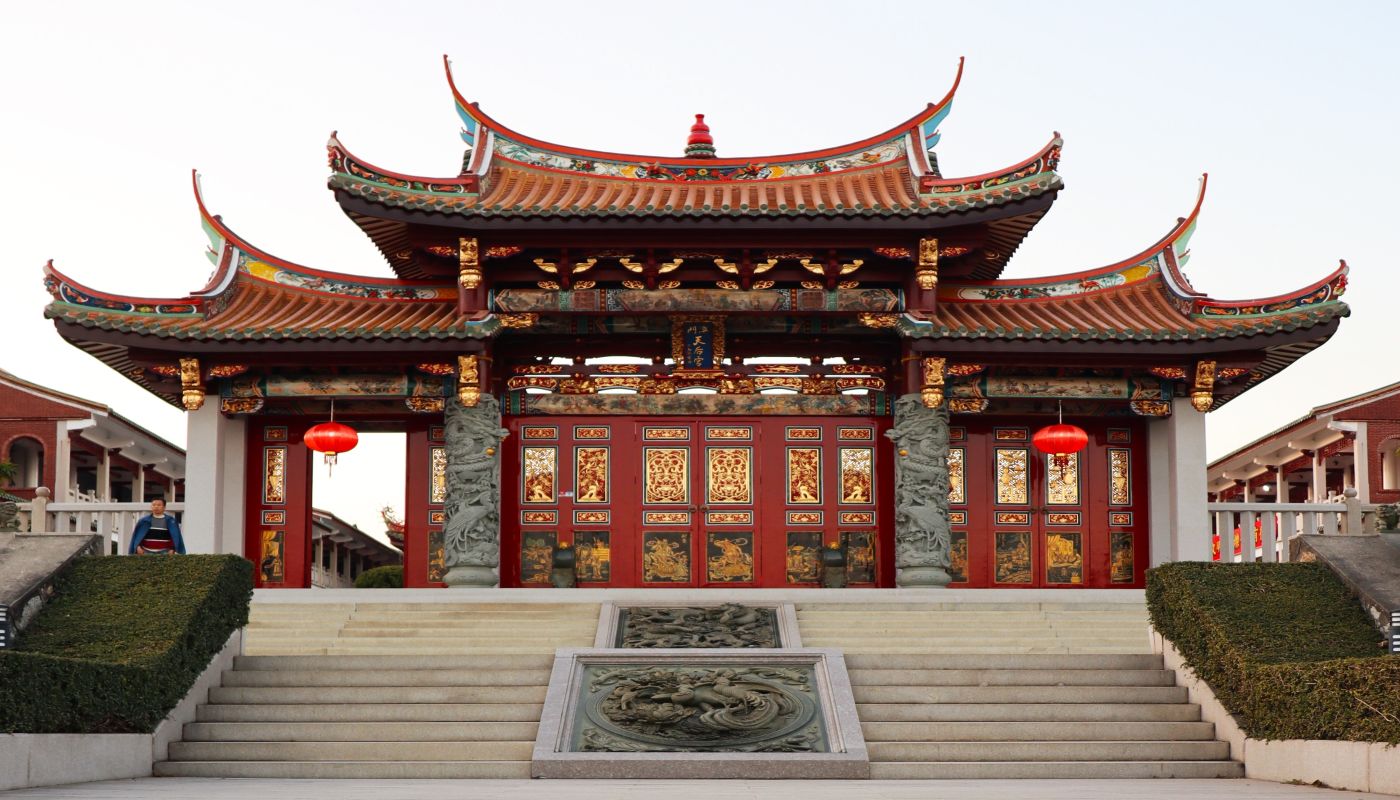
Religion plays a significant role in the cultural fabric of Macau, a special administrative region of China. The predominant religion in Macau is Buddhism, followed by Taoism and Christianity. Buddhism, introduced to Macau in the 6th century, has deeply influenced the spiritual beliefs and practices of the local population. Temples and monasteries dedicated to Buddhist worship are scattered throughout the region, serving as important centers for religious activities and cultural preservation. Taoism, with its emphasis on harmony with nature and ancestral worship, also holds a prominent place in the lives of many Macanese people. Christianity, brought by Portuguese missionaries during the colonial era, has a sizable following in Macau, with churches and cathedrals standing as enduring symbols of faith and community. Despite its small size, Macau's religious diversity reflects a rich tapestry of beliefs and traditions that contribute to the social cohesion and spiritual well-being of its inhabitants.
Clean Water
In Macau, access to clean water is a critical issue that significantly impacts the population and environment of this region. As a densely populated area with limited land and water resources, Macau faces challenges in providing safe and reliable drinking water to its residents. The lack of proper sanitation infrastructure and pollution from industrial activities and urban development pose threats to water quality. Contaminated water sources can lead to the spread of waterborne diseases, affecting public health and placing additional strain on healthcare systems. Moreover, the degradation of water quality can harm aquatic ecosystems, biodiversity, and overall environmental sustainability in Macau. Therefore, ensuring access to clean water through effective management practices, pollution control measures, and sustainable water resource utilization is crucial for the well-being of both the people and the environment in Macau.
Economy
Macau, a Special Administrative Region of China, is known for its thriving economy heavily reliant on tourism, gaming, and hospitality industries. The economic prosperity of Macau is largely driven by its booming casino sector, making it one of the world's top gambling destinations. However, this heavy dependence on the gaming industry also makes Macau vulnerable to fluctuations in the global economy and tourism trends. In recent years, the region has faced challenges due to factors like geopolitical tensions, regulatory changes, and the impact of the COVID-19 pandemic, which have significantly affected its economy. The government of Macau has been working towards diversifying its economy by promoting sectors such as finance, technology, and cultural tourism to reduce its reliance on the gaming industry and ensure sustainable growth in the long term. It is crucial for Macau to continue its efforts in economic diversification to build resilience and mitigate risks associated with over-reliance on a single sector.
Government
Macau, a Special Administrative Region of China, is a unique region with a rich history and a thriving economy largely driven by its tourism and gaming industries. The government of Macau plays a crucial role in shaping the region's development and regulating key sectors such as gaming, tourism, and finance. As a semi-autonomous region, Macau has its own legal system, political structure, and policies that are distinct from mainland China. The government of Macau is responsible for maintaining stability, promoting economic growth, and safeguarding the region's cultural heritage. Additionally, the government plays a significant role in managing social welfare programs, education, healthcare, and infrastructure development to improve the quality of life for its residents.
Health
Macau, a Special Administrative Region of China, faces various health challenges that significantly impact its population. With a high population density and rapid urbanization, Macau experiences issues such as air pollution, which can lead to respiratory problems and other health issues. Additionally, the region's heavy reliance on tourism and gaming industries can contribute to mental health concerns among its residents. Limited access to healthcare services and facilities can also hinder timely medical interventions for the population. Addressing these health challenges in Macau requires a comprehensive approach that focuses on improving environmental conditions, promoting mental health awareness, and enhancing healthcare infrastructure to ensure the well-being of its residents.
Children
Macau, a Special Administrative Region of China, faces various challenges in promoting the well-being of its children. Despite being one of the richest regions globally, Macau has a high child poverty rate, with approximately 12.5% of children living below the poverty line. Such economic disparities have a significant impact on children's access to education, healthcare, and overall quality of life. Furthermore, issues such as child abuse and neglect remain prevalent in the region, affecting the physical and mental health of many children. It is crucial for authorities and stakeholders in Macau to address these challenges effectively to ensure a better future for the younger generation.
Animals
Macau, a Special Administrative Region of China, is a vibrant and bustling city known for its unique blend of Chinese and Portuguese cultures. In recent years, the issue of animal welfare and conservation has gained prominence in Macau. The city is home to a variety of wildlife, including endangered species like the Chinese white dolphin and the yellow-crested cockatoo. However, rapid urbanization and illegal wildlife trade pose significant threats to these animals' survival. The government of Macau has taken steps to address these challenges by implementing stricter laws and regulations to protect wildlife and promote conservation efforts. Furthermore, local non-governmental organizations are actively involved in raising awareness about the importance of preserving the natural habitats of these animals. It is crucial for both residents and visitors to respect and coexist harmoniously with the diverse wildlife that calls Macau home.
Location
Nonprofits Working in Macau
Discover organizations making a difference in Macau
Make Your Impact Today
Discover causes you care about and support the nonprofits making a difference in communities around the world.
Are you a nonprofit? Join Project World Impact for free
Join Us Free