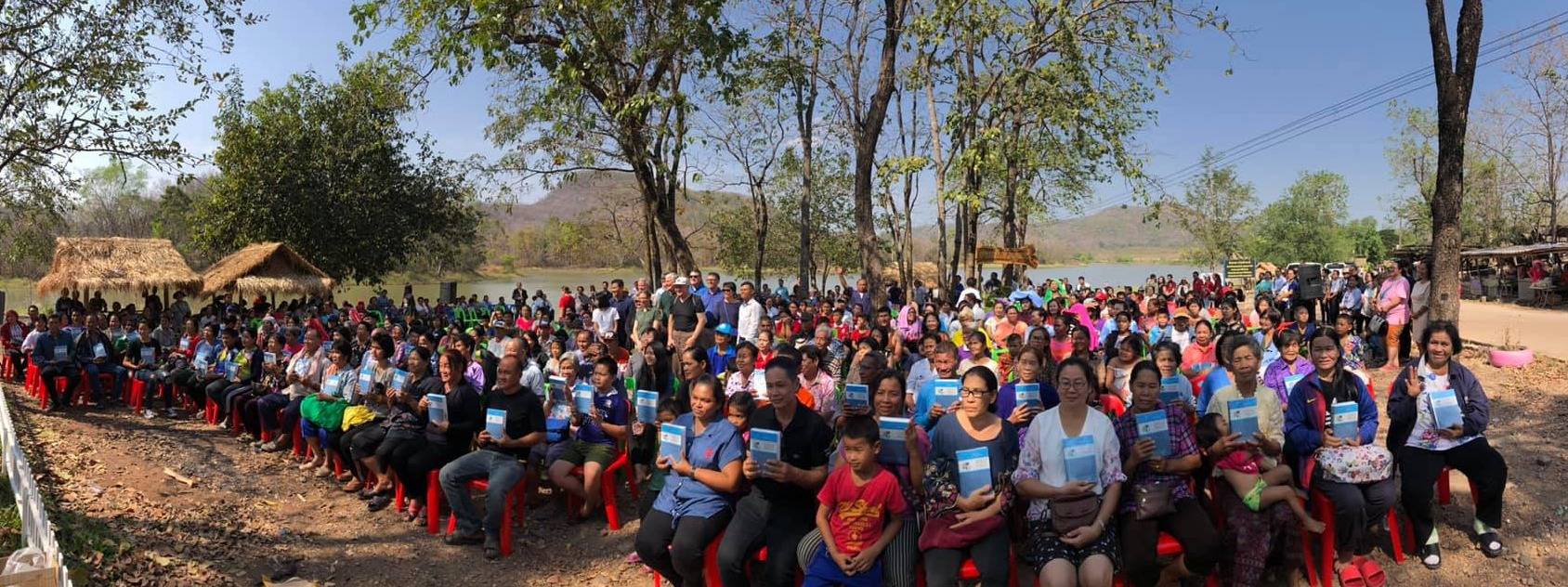
Landscape of Malaysia
Flag of Malaysia

Malaysia

Asia

Malaysia is a unique country located in Southeast Asia, known for its beautiful beaches, rainforests, and historic cities. With a population of over 32 million people, Malaysia is a highly developed country that has made significant progress in areas such as healthcare, education, and infrastructure. The country's economy is based on manufacturing, services, and natural resources.

What would you like to learn about in Malaysia?

Select a section to explore the country where nonprofits are creating positive change.

About Malaysia

During the late 18th and 19th centuries, Great Britain established colonies and protectorates in the area of current Malaysia; these were occupied by Japan from 1942 to 1945. In 1948, the British-ruled territories on the Malay Peninsula except Singapore formed the Federation of Malaya, which became independent in 1957. Malaysia was formed in 1963 when the former British colonies of Singapore, as well as Sabah and Sarawak on the northern coast of Borneo, joined the Federation. The first several years of the country's independence were marred by a communist insurgency, Indonesian confrontation with Malaysia, Philippine claims to Sabah, and Singapore's withdrawal in 1965. During the 22-year term of Prime Minister MAHATHIR bin Mohamad (1981-2003), Malaysia was successful in diversifying its economy from dependence on exports of raw materials to the development of manufacturing, services, and tourism. Prime Minister Mohamed NAJIB bin Abdul Razak (in office since April 2009) has continued these pro-business policies and has introduced some civil reforms.

Quick Facts

Population
29,628,392 (July 2013 est.)
Area
329,847 sq km
ISO Code
MY
Continent
Asia
Government
constitutional monarchy
Active Causes
12
View all countries in Asia

Geography & Environment

Climate

tropical; annual southwest (April to October) and northeast (October to February) monsoons

Terrain

coastal plains rising to hills and mountains

Natural Resources

tin, petroleum, timber, copper, iron ore, natural gas, bauxite

Environmental Issues

air pollution from industrial and vehicular emissions; water pollution from raw sewage; deforestation; smoke/haze from Indonesian forest fires

People & Society

74.28 years
Avg. Life Expectancy
93.1%
Literacy Rate
72.8% of total population (2011)
Total Urban Population

Languages

Bahasa Malaysia (official), English, Chinese (Cantonese, Mandarin, Hokkien, Hakka, Hainan, Foochow), Tamil, Telugu, Malayalam, Panjabi, Thai

Religions

Muslim (or Islam - official) 60.4%, Buddhist 19.2%, Christian 9.1%, Hindu 6.3%, Confucianism, Taoism, other traditional Chinese religions 2.6%, other...

Health Expenditure

4.4% of GDP (2010) of GDP

Education Expenditure

5.1% of GDP (2010) of GDP

Economy

$17,200
GDP per Capita (PPP)
3%
Unemployment Rate
3.8% (2009 est.)
Below Poverty Line

Economic Overview

Malaysia, a middle-income country, has transformed itself since the 1970s from a producer of raw materials into an emerging multi-sector economy. Under current Prime Minister NAJIB, Malaysia is attempting to achieve high-income status by 2020 and to move farther up the value-added production chain by attracting investments in Islamic finance, high technology industries, biotechnology, and services. NAJIB's Economic Transformation Program (ETP) is a series of projects and policy measures intended to accelerate the country's economic growth. The government has also taken steps to liberalize some...

Causes in Malaysia

Environment

Malaysia, a country known for its rich biodiversity and natural resources, is increasingly facing environmental challenges that are impacting its people and economy. Rapid industrialization and urbanization have led to deforestation, habitat destruction, air and water pollution, and loss of biodiversity. These environmental issues have resulted in health problems for the population, loss of valuable ecosystems, and threats to the country's tourism industry, which heavily relies on its natural beauty. The Malaysian government has initiated various environmental conservation efforts, such as the National Policy on Biological Diversity and the Environmental Quality Act, but more comprehensive measures are needed to address these pressing concerns and ensure sustainable development for future generations.

Family

In Malaysia, family plays a significant role in shaping the social fabric and values of the society. The concept of family extends beyond the nuclear unit to include extended family members and close-knit communities. Family is considered the cornerstone of Malaysian culture, providing emotional support, financial security, and a sense of belonging. The strong emphasis on filial piety and respect for elders within Malaysian families fosters intergenerational bonds and a deep sense of tradition. However, rapid modernization and urbanization have led to changing family structures and dynamics, with an increasing number of Malaysians facing issues such as divorce, single-parent households, and elderly care challenges. It is crucial for Malaysian society to address these evolving family dynamics to ensure the well-being of individuals and communities.

Human Rights

Malaysia, a Southeast Asian country known for its diverse culture and rich history, grapples with various human rights issues that have a significant impact on its population. Despite having a constitution that guarantees basic human rights, such as freedom of speech and religion, Malaysia has faced criticism for its treatment of minority groups, restrictions on freedom of expression, and limitations on the rights of refugees and migrants. The government's use of restrictive laws, such as the Sedition Act and the Communications and Multimedia Act, has been a cause for concern among human rights advocates. Additionally, issues like child labor, discrimination against the LGBTQ+ community, and lack of protection for indigenous peoples' land rights continue to be pressing issues in the country. By addressing these human rights violations and working towards implementing reforms to protect the rights of all individuals, Malaysia can move towards creating a more just and equitable society.

Education

Education in Malaysia plays a crucial role in shaping the country's future and development. With a strong emphasis on providing quality education to its citizens, Malaysia has made significant progress in increasing literacy rates and expanding access to education at all levels. The Malaysian government has implemented various policies and initiatives to enhance the quality of education, improve teacher training, and promote lifelong learning opportunities. Despite these efforts, challenges such as disparities in educational outcomes between urban and rural areas, inadequate infrastructure, and limited resources persist, hindering the overall effectiveness of the education system. Addressing these issues is essential to ensuring that all Malaysians have equal opportunities to acquire knowledge and skills needed to contribute to the country's economic growth and prosperity.

Poverty

Poverty in Malaysia remains a pressing issue, with approximately 5.6% of the population living below the national poverty line. The impact of poverty in Malaysia is multifaceted, affecting various aspects of society, including access to education, healthcare, and economic opportunities. Limited access to quality education perpetuates the cycle of poverty, as individuals from low-income households struggle to acquire the necessary skills for higher-paying jobs. Additionally, inadequate healthcare services further exacerbate the situation, leading to poor health outcomes among the impoverished population. The lack of economic opportunities for those living in poverty hinders their ability to improve their financial status and break free from the cycle of deprivation. Addressing poverty in Malaysia requires a comprehensive approach that includes targeted social programs, improved access to education and healthcare, and initiatives to boost economic development in marginalized communities.

Religion

Religion plays a significant role in Malaysia, a multi-ethnic and multi-religious country in Southeast Asia. The country's population is diverse, with Islam being the predominant religion followed by Buddhism, Christianity, and Hinduism among others. Malaysia's constitution guarantees freedom of religion, yet the government officially recognizes Islam as the state religion. This has led to various debates and tensions surrounding religious rights and practices. Issues such as conversion laws, religious conversions, and interfaith relations have been contentious topics that continue to shape societal dynamics. While Malaysia is known for its cultural diversity and tolerance, religious differences have at times been a source of social and political tension. It is important for Malaysians to foster interfaith dialogue and understanding to promote harmony in this religiously diverse nation.

Clean Water

In Malaysia, access to clean water remains a critical issue with significant social, economic, and environmental implications. Despite efforts to improve water quality and sanitation infrastructure, many communities still lack reliable access to safe drinking water. The lack of clean water contributes to a range of health problems, including waterborne diseases such as cholera and typhoid fever. Additionally, inadequate access to clean water hinders economic development and perpetuates poverty in vulnerable populations. Furthermore, the pollution of water sources due to industrial activities and agricultural runoff poses a serious threat to Malaysia's biodiversity and ecosystem health. Addressing the challenges related to clean water in Malaysia requires collaborative efforts from government agencies, non-governmental organizations, and the private sector to ensure sustainable water management practices and equitable access to safe drinking water for all Malaysians.

Economy

Malaysia, a Southeast Asian country known for its diverse culture and vibrant economy, has been significantly impacted by various economic factors over the years. The Malaysian economy is heavily reliant on exports, particularly in electronics, petroleum, palm oil, and natural gas sectors. The fluctuation of global commodity prices, trade tensions between major economies, and currency exchange rate movements have all contributed to economic uncertainties within the nation. Moreover, the COVID-19 pandemic has further exacerbated these challenges, leading to a decline in tourism revenue and disrupting supply chains. As Malaysia continues to navigate through these economic challenges, it becomes evident that the stability and growth of its economy play a crucial role in the overall well-being of its citizens and the country as a whole.

Government

Malaysia, a Southeast Asian country known for its diverse culture and vibrant economy, is greatly influenced by its government. The Malaysian government plays a crucial role in shaping the country's political, economic, and social landscape. Through policies and regulations, the government impacts various aspects of Malaysian life, including education, healthcare, infrastructure development, and environmental protection. Government initiatives such as the New Economic Policy (NEP) have been implemented to promote social equality and reduce poverty. However, issues such as corruption and political instability have also posed challenges to Malaysia's development. It is essential for citizens to stay informed about the government's actions and policies to actively participate in shaping the future of their country.

Health

Health plays a significant role in the socio-economic development of Malaysia. The country is facing various health challenges, including the rising burden of non-communicable diseases such as diabetes, cardiovascular diseases, and obesity. These health issues not only impact the well-being of individuals but also strain the healthcare system and hinder the country's overall progress. Factors contributing to these health issues include sedentary lifestyles, unhealthy dietary habits, and limited access to healthcare services in rural areas. Addressing these challenges requires a multi-sectoral approach involving government intervention, community engagement, and individual responsibility. By raising awareness about the importance of preventive healthcare and promoting healthy living practices, Malaysia can work towards improving the health outcomes of its population and achieving sustainable development.

Children

In Malaysia, children face various challenges that impact their well-being and development. One significant issue is the prevalence of child poverty, with approximately 23% of children living below the poverty line. This can lead to inadequate access to education, healthcare, and nutrition, perpetuating a cycle of disadvantage. Furthermore, child labor remains a concern in Malaysia, particularly in sectors such as agriculture and domestic work, where children are vulnerable to exploitation and abuse. Lack of proper protection mechanisms and enforcement of child rights further exacerbate these issues. Addressing these challenges requires a comprehensive approach involving government policies, community support, and public awareness to ensure the rights and well-being of all children in Malaysia.

Animals

In Malaysia, animals play a significant role in the country's biodiversity and ecosystem. The diverse range of wildlife, including endangered species such as the Malayan tiger and Bornean elephant, are crucial to maintaining the balance of the ecosystem. However, rapid deforestation, poaching, and illegal wildlife trade pose serious threats to these animals, leading to a decline in their populations. The loss of habitat and human-wildlife conflict also contribute to the challenges faced by animals in Malaysia. Conservation efforts are underway through national parks, wildlife reserves, and legislation aimed at protecting these species and their habitats. It is imperative for society to recognize the importance of preserving Malaysia's wildlife for future generations and to take action to safeguard their existence.

Nonprofits Working in Malaysia

Discover organizations making a difference in Malaysia

Make Your Impact Today

Discover causes you care about and support the nonprofits making a difference in communities around the world.

Are you a nonprofit? Join Project World Impact for free

Join Us Free