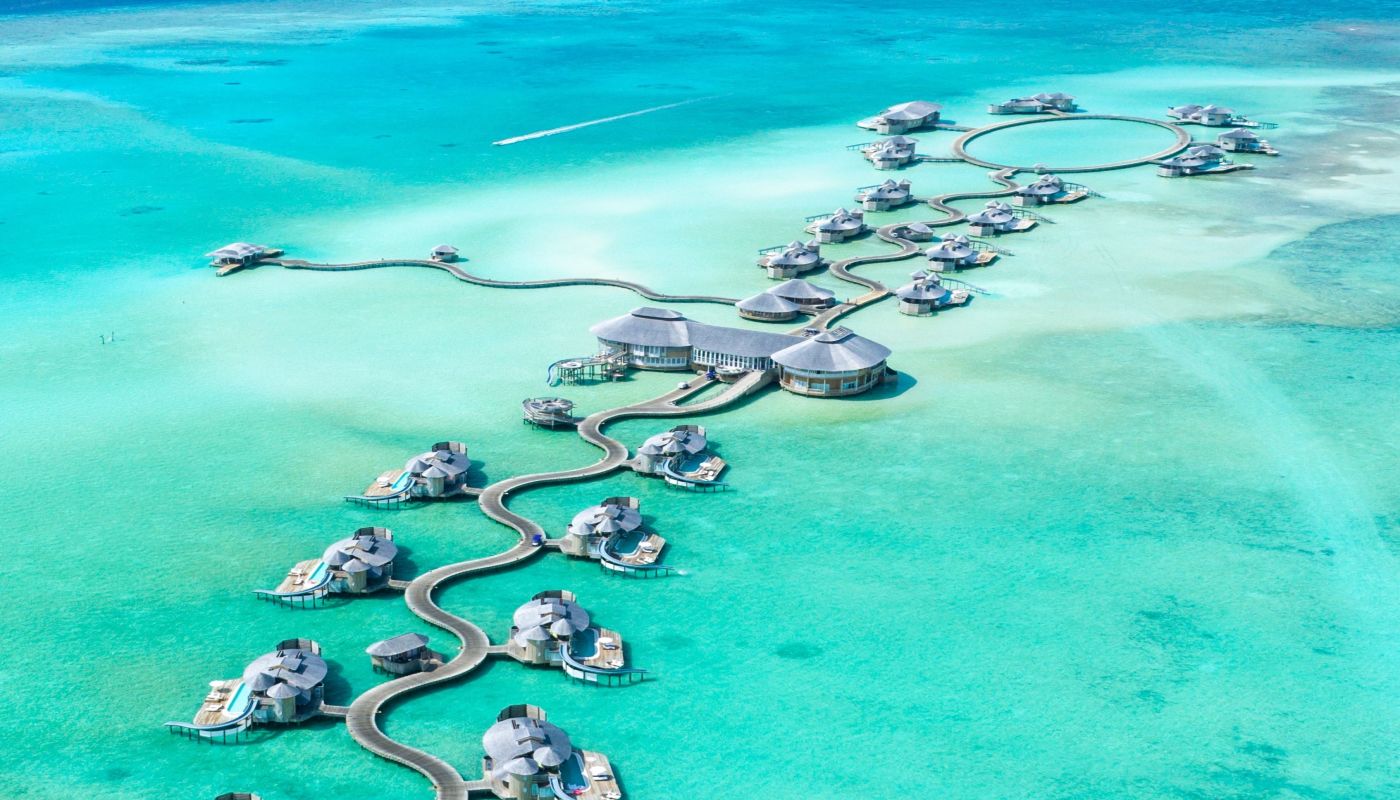
Landscape of Maldives
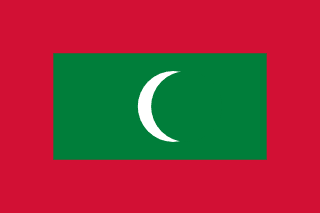
Flag of Maldives

Maldives

Asia

Maldives is a beautiful island nation located in the Indian Ocean, known for its stunning beaches, coral reefs, and luxury resorts. With a population of just over 530,000 people, the Maldives is a developing country that is heavily reliant on tourism. Despite its small size, the country has a rich cultural heritage and a strong commitment to environmental conservation.

What would you like to learn about in Maldives?

Select a section to explore the country where nonprofits are creating positive change.

About Maldives

A sultanate since the 12th century, the Maldives became a British protectorate in 1887. It became a republic in 1968, three years after independence. President Maumoon Abdul GAYOOM dominated the islands' political scene for 30 years, elected to six successive terms by single-party referendums. Following political demonstrations in the capital Male in August 2003, the president and his government pledged to embark upon democratic reforms including a more representative political system and expanded political freedoms. Progress was sluggish, however, and many promised reforms were slow to be realized. Nonetheless, political parties were legalized in 2005. In June 2008, a constituent assembly - termed the "Special Majlis" - finalized a new constitution, which was ratified by the president in August. The first-ever presidential elections under a multi-candidate, multi-party system were held in October 2008. GAYOOM was defeated in a runoff poll by Mohamed NASHEED, a political activist who had been jailed several years earlier by the former regime. President NASHEED faced a number of challenges including strengthening democracy and combating poverty and drug abuse. In early February 2012, after several weeks of street protests following his sacking of a top judge, NASHEED resigned the presidency and handed over power to Vice President Mohammed WAHEED Hassan Maniku. In mid-2012, the Commission of National Inquiry was set by the Government to probe events leading to the regime change. Though no evidence of a coup was found, the report recommended the need to strengthen the country's democratic institutions to avert similar events in the future, and to further investigate alleged police misconduct during the crisis. Maldives officials have played a prominent role in international climate change discussions (due to the islands' low elevation and the threat from sea-level rise) on the United Nations Human Rights Council, and in encouraging regional cooperation, especially between India and Pakistan.

Quick Facts

Population
393,988 (July 2013 est.)
Area
298 sq km
ISO Code
MV
Continent
Asia
Government
republic
Active Causes
12
View all countries in Asia

Geography & Environment

Climate

tropical; hot, humid; dry, northeast monsoon (November to March); rainy, southwest monsoon (June to August)

Terrain

flat, with white sandy beaches

Natural Resources

fish

Environmental Issues

depletion of freshwater aquifers threatens water supplies; global warming and sea level rise; coral reef bleaching

People & Society

74.92 years
Avg. Life Expectancy
98.4%
Literacy Rate
41.2% of total population (2011)
Total Urban Population

Languages

Dhivehi (official, dialect of Sinhala, script derived from Arabic), English (spoken by most government officials)

Religions

Sunni Muslim (official)

Health Expenditure

6.3% of GDP (2010) of GDP

Education Expenditure

7.2% of GDP (2011) of GDP

Economy

$9,400
GDP per Capita (PPP)
28%
Unemployment Rate
16% (2008)
Below Poverty Line

Economic Overview

Tourism, Maldives' largest economic activity, accounts for 28% of GDP and more than 60% of foreign exchange receipts. Fishing is the second leading sector, but the fish catch has dropped sharply in recent years. Agriculture and manufacturing continue to play a lesser role in the economy, constrained by the limited availability of cultivable land and the shortage of domestic labor. Lower than expected tourist arrivals and fish exports, combined with high government spending on social needs, subsidies, and civil servant salaries contributed to a balance of payments crisis, which was temporarily...

Causes in Maldives

Environment

The Maldives, an archipelago nation in the Indian Ocean, faces significant environmental challenges due to its low-lying geography. The country's vulnerability to climate change, specifically rising sea levels and natural disasters, poses a grave threat to its existence. With an average ground level of only 1.5 meters above sea level, the Maldives is one of the most at-risk countries in the world in terms of the impacts of climate change. The degradation of coral reefs, coastal erosion, and increasing frequency of extreme weather events further exacerbate the situation. These environmental threats not only endanger the livelihoods of Maldivians, who rely heavily on fishing and tourism, but also put at risk the unique biodiversity and ecosystems of the islands. Urgent action is needed to address these challenges and protect the Maldives' fragile environment for future generations.

Human Rights

Located in the Indian Ocean, the Maldives is a nation comprised of 26 atolls known for its pristine beaches and vibrant marine life. However, beneath its idyllic facade lies a complex human rights landscape that warrants attention. Human rights issues in the Maldives stem from political instability, restrictive laws, and social inequalities. The country has faced challenges in upholding freedom of expression, assembly, and association, with instances of censorship and harassment targeting journalists and activists. Discrimination based on gender and sexual orientation also persists, with marginalized groups facing systemic barriers to equality and justice. By addressing these human rights concerns, the Maldives can work towards a more inclusive and equitable society for all its citizens.

Education

Education plays a crucial role in the development of the Maldives, a small island nation in the Indian Ocean. With a literacy rate of over 98%, the country has made significant strides in providing access to education for its population. However, challenges such as quality of education, gender disparities, and limited resources still persist. Education is seen as a key driver for economic growth and social progress in the Maldives. By investing in education, the country can empower its citizens, reduce poverty, and improve overall quality of life. It is essential for policymakers to prioritize education and address existing gaps to ensure sustainable development and prosperity for future generations.

Poverty

The Maldives, an archipelago nation in the Indian Ocean, faces significant challenges related to poverty. Despite being a popular tourist destination known for its stunning coral reefs and luxury resorts, poverty remains a pressing issue for many Maldivians. The disparity between the wealthy tourism industry and local communities has led to income inequality and limited economic opportunities for residents. This has resulted in inadequate access to education, healthcare, and basic amenities for a considerable portion of the population. Moreover, the vulnerability of the Maldives to climate change, including rising sea levels and natural disasters, exacerbates the impact of poverty on its people. Addressing these complex issues requires comprehensive strategies that prioritize sustainable development, social welfare programs, and environmental conservation efforts. By raising awareness about the intersection of poverty and environmental challenges in the Maldives, we can support initiatives that aim to improve the livelihoods of its citizens and safeguard its natural beauty for future generations.

Religion

Religion plays a significant role in the Maldives, with Islam being the official and predominant religion of the country. The Maldives is an Islamic nation, and Islamic principles influence various aspects of Maldivian society, including laws, customs, and daily life. Islam has a profound impact on the cultural and social fabric of the Maldives, shaping traditions, values, and community practices. Mosques are central to the Maldivian community, serving as places of worship, education, and social gatherings. The practice of Islam permeates all levels of Maldivian society, guiding personal conduct, family life, and governance. Understanding the influence of religion in the Maldives is crucial in appreciating the country's unique cultural identity and traditions.

Clean Water

The Maldives, an archipelago nation in the Indian Ocean, faces significant challenges related to clean water. With a population highly dependent on coastal resources and vulnerable to climate change, access to clean water is critical for their livelihoods and well-being. The country is particularly susceptible to water scarcity and contamination due to its low-lying geography and limited freshwater resources. Pollution from untreated sewage, agricultural runoff, and waste disposal further exacerbate the issue, posing risks to public health and ecosystems. Addressing water quality concerns in the Maldives requires sustainable management practices, infrastructure improvements, and community engagement to safeguard this vital resource for current and future generations.

Economy

The Maldives, an island nation in the Indian Ocean, faces significant challenges due to its vulnerable economy. With a heavy reliance on tourism as its primary source of revenue, the country is particularly susceptible to external economic shocks and environmental threats such as climate change. The Maldives economy is highly dependent on tourism, which accounts for over a quarter of its GDP and plays a crucial role in employment and income generation. However, the country's economy is at risk due to its exposure to factors such as fluctuating global economic conditions, natural disasters, and the ongoing effects of climate change. The vulnerability of the Maldives' economy has been highlighted by the impact of the COVID-19 pandemic, which severely affected its tourism industry and overall economic stability. As a small island nation with limited natural resources and a fragile ecosystem, addressing the economic challenges faced by the Maldives is crucial for its sustainable development and long-term resilience.

Government

Maldives, an island nation in the Indian Ocean, is particularly vulnerable to the effects of climate change, such as rising sea levels and increasingly severe weather events. The government of Maldives plays a crucial role in addressing these challenges by implementing policies and initiatives aimed at mitigating the impacts of climate change. Through conservation efforts, sustainable development projects, and international collaborations, the Maldivian government works to protect its natural resources and promote resilience among its population. Additionally, the government is also focused on improving infrastructure, healthcare, and education to enhance the overall well-being of its citizens. By prioritizing environmental sustainability and social development, the government of Maldives aims to safeguard the future of its people and preserve the unique beauty of its islands.

Health

The Maldives, an archipelago nation located in the Indian Ocean, faces significant health challenges that impact its population and overall well-being. The country grapples with high rates of non-communicable diseases such as diabetes, cardiovascular diseases, and obesity, driven largely by lifestyle factors including unhealthy diets and physical inactivity. Limited access to healthcare services in remote islands further exacerbates the health disparities within the population. Additionally, the Maldives is particularly vulnerable to the effects of climate change, with rising sea levels threatening the availability of clean water sources and increasing the risk of waterborne diseases. Addressing these health challenges requires concerted efforts to promote healthy lifestyles, improve healthcare infrastructure, and adapt to the changing climate conditions.

Children

The Maldives, an archipelago nation in the Indian Ocean, faces numerous challenges that impact its children. With a population of over 500,000 people, children in the Maldives are vulnerable to issues such as poverty, limited access to education, and climate change effects like rising sea levels and natural disasters. The country's economy heavily relies on tourism, which can lead to disparities in wealth distribution and hinder equal opportunities for children across different regions. Additionally, the Maldives has a high rate of child malnutrition and limited healthcare resources, further jeopardizing the well-being of its young population. Addressing these issues is crucial to ensure a better future for the children of the Maldives.

Family

In the Maldives, family plays a significant role in shaping the social structure and cultural fabric of the society. Family units in the Maldives are typically close-knit and extended, with multiple generations living together under one roof or in close proximity. The concept of family extends beyond blood relations to include distant relatives and even close family friends. Family is the cornerstone of support, providing emotional, financial, and social assistance to its members. In Maldivian culture, there is a strong emphasis on collective well-being and mutual support within the family unit. The bond between family members is deeply valued and cherished, with traditions and customs reinforcing the importance of familial ties. Despite modernization and urbanization trends impacting traditional family dynamics, the core values of unity, respect, and solidarity within the family remain resilient in Maldivian society.

Animals

The Maldives, an archipelago nation in the Indian Ocean, is known for its rich marine biodiversity and unique wildlife. Animals play a crucial role in the ecosystem of the Maldives, contributing to its overall environmental balance. However, human activities such as overfishing, habitat destruction, and climate change have had detrimental effects on the animal population in the Maldives. Endangered species such as sea turtles, whale sharks, and various seabirds are particularly vulnerable to these threats. Conservation efforts are underway to protect these animals and their habitats, but more awareness and action are needed to ensure their survival for future generations.

Nonprofits Working in Maldives

Discover organizations making a difference in Maldives

Make Your Impact Today

Discover causes you care about and support the nonprofits making a difference in communities around the world.

Are you a nonprofit? Join Project World Impact for free

Join Us Free